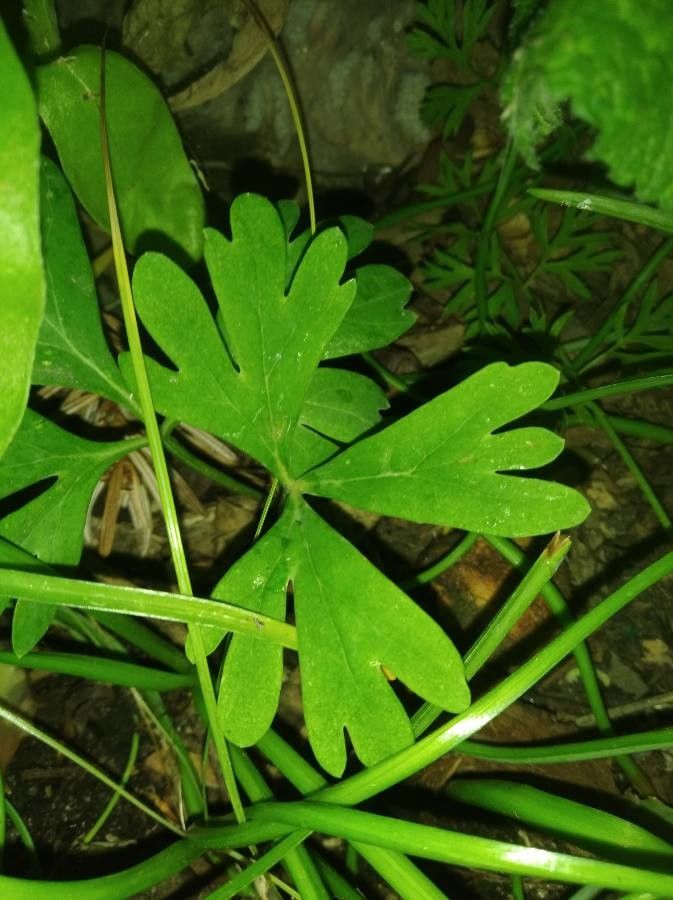
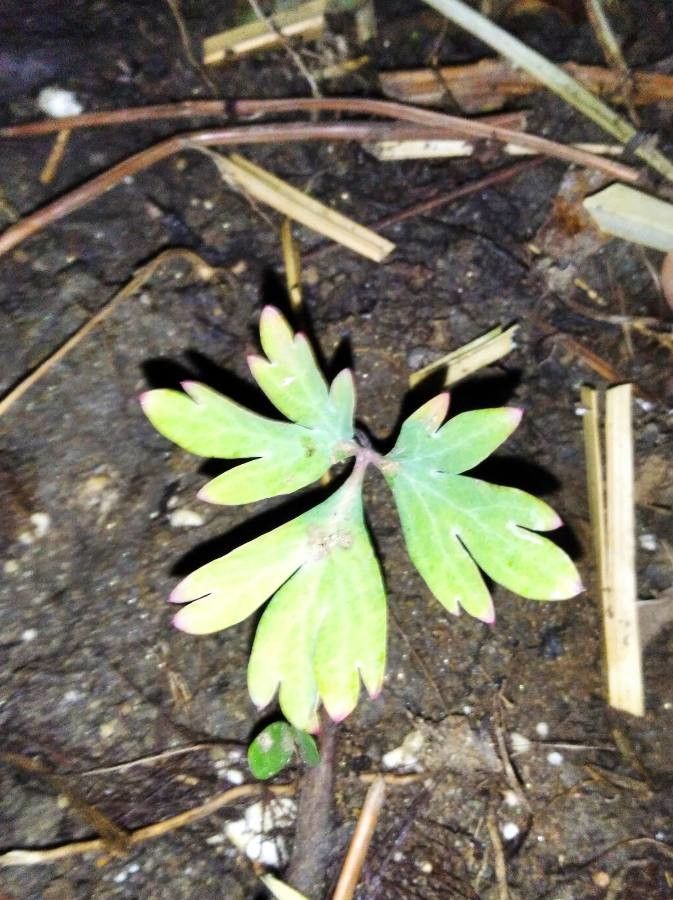
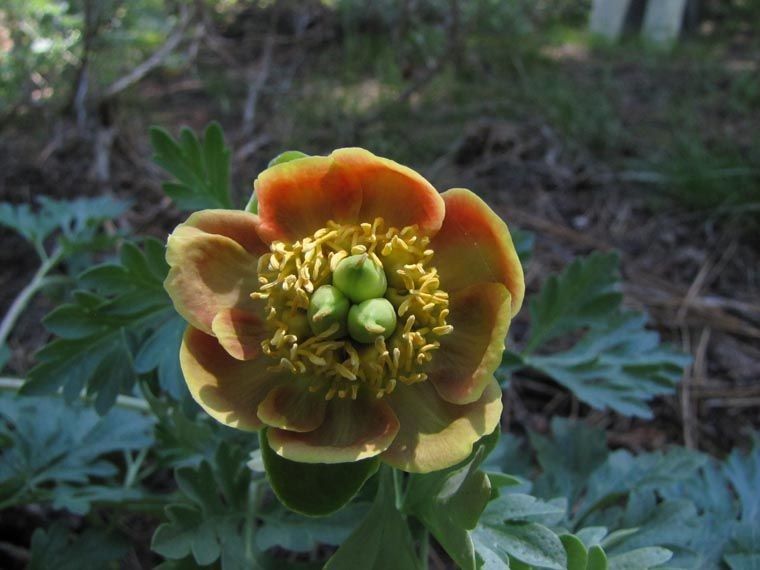
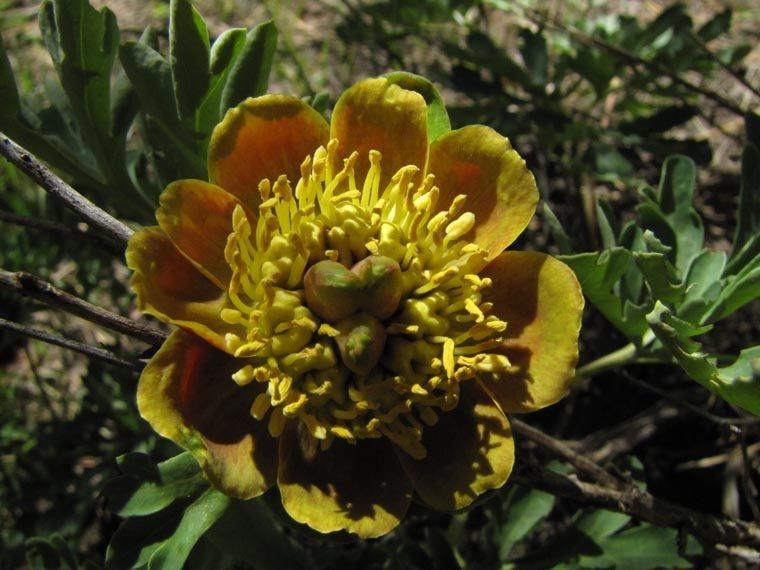
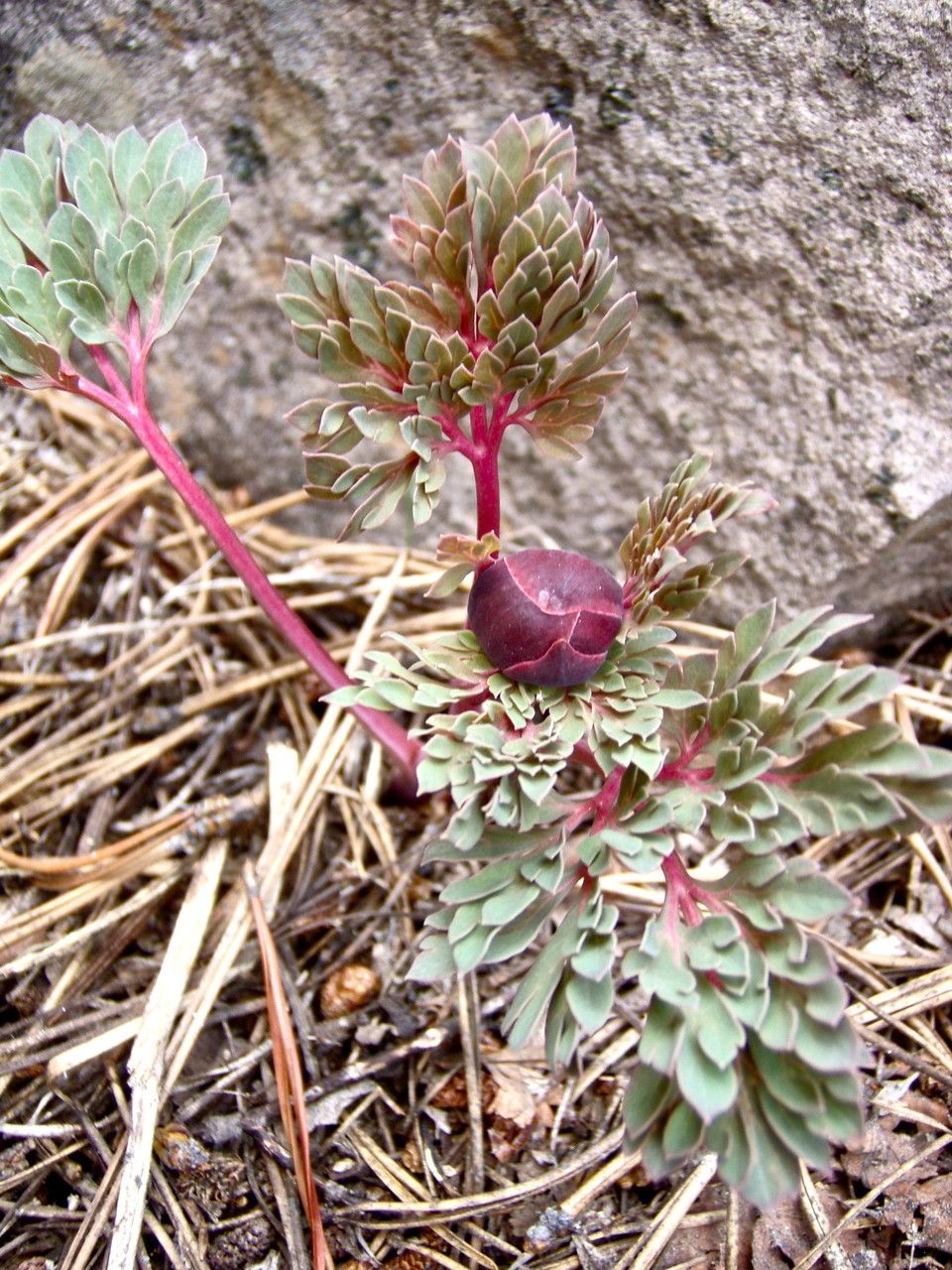
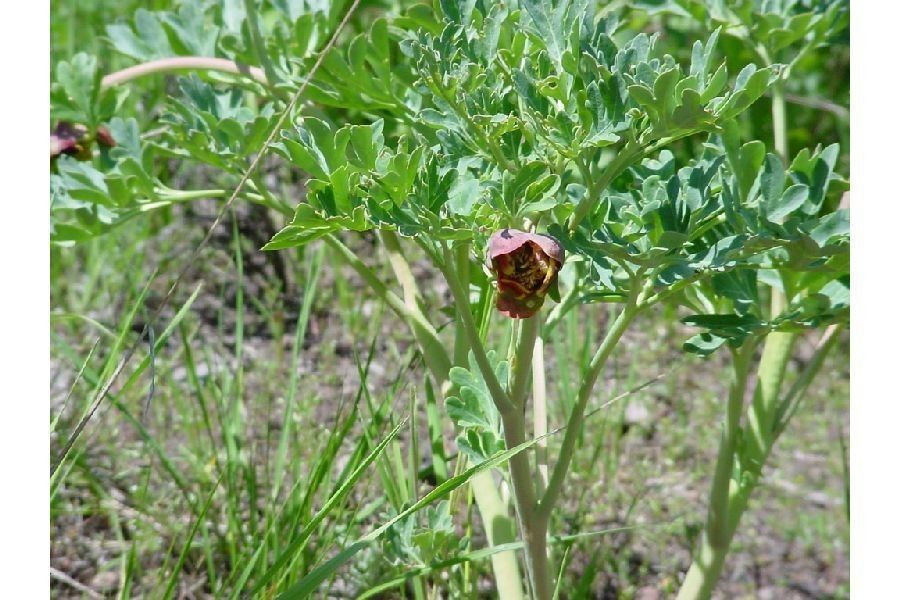
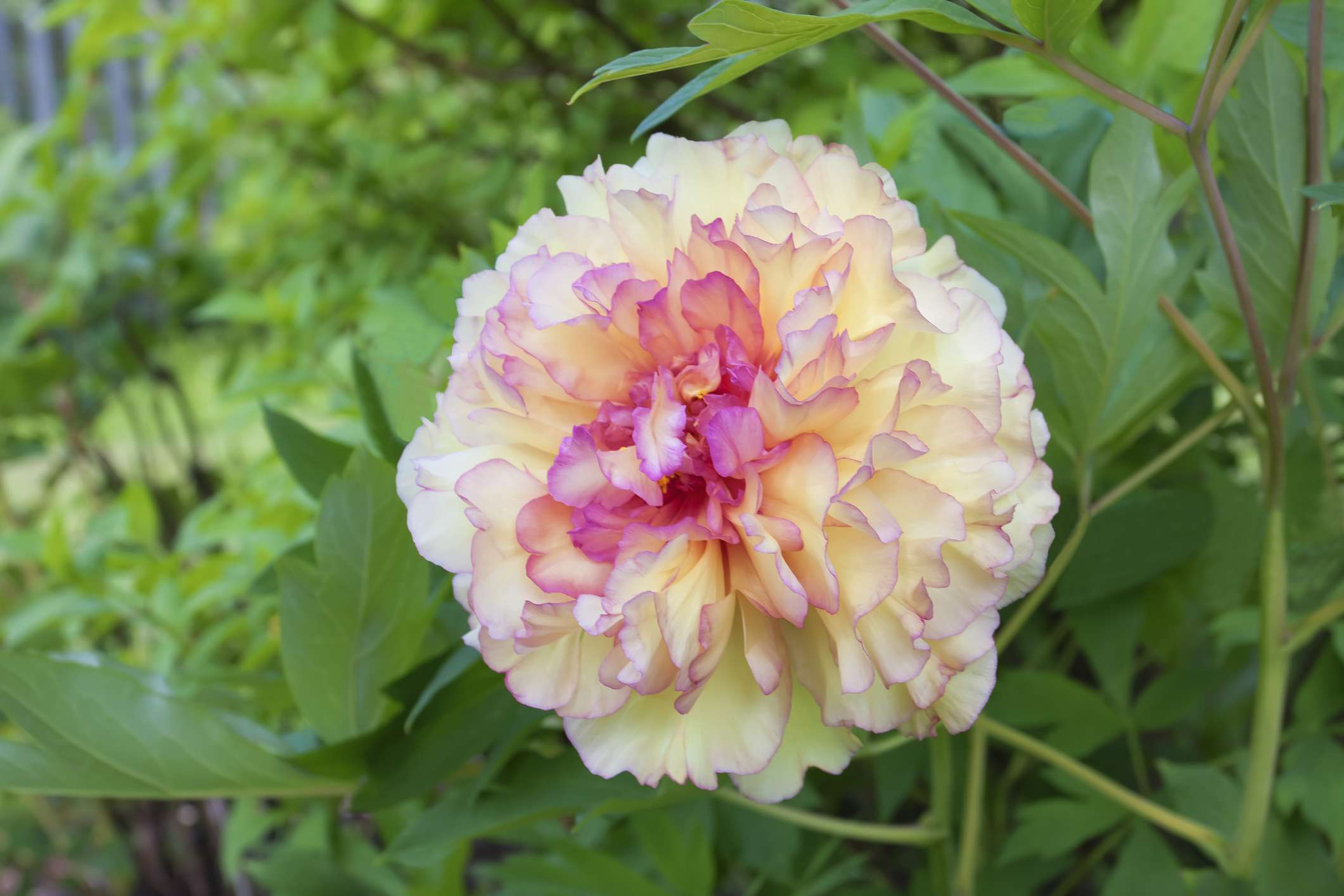
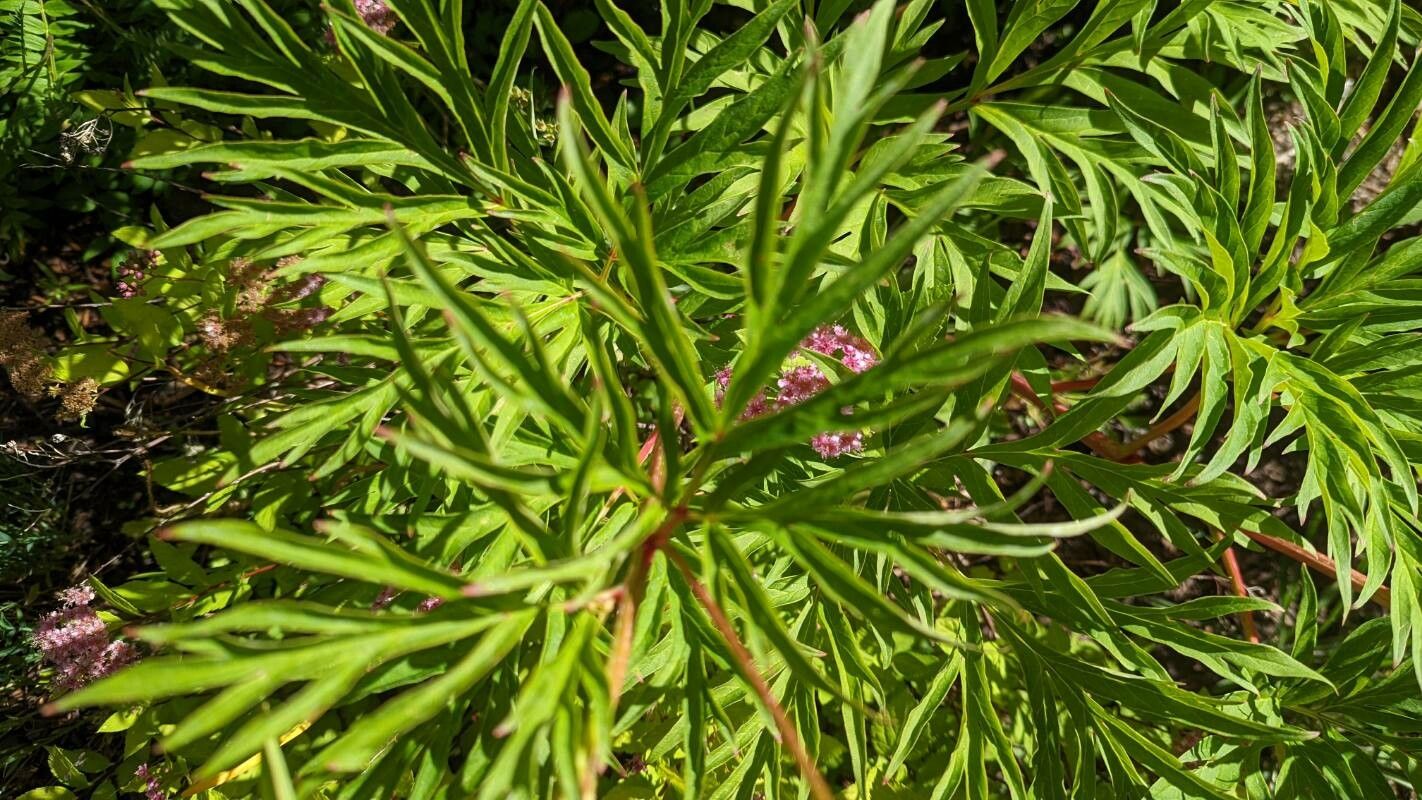
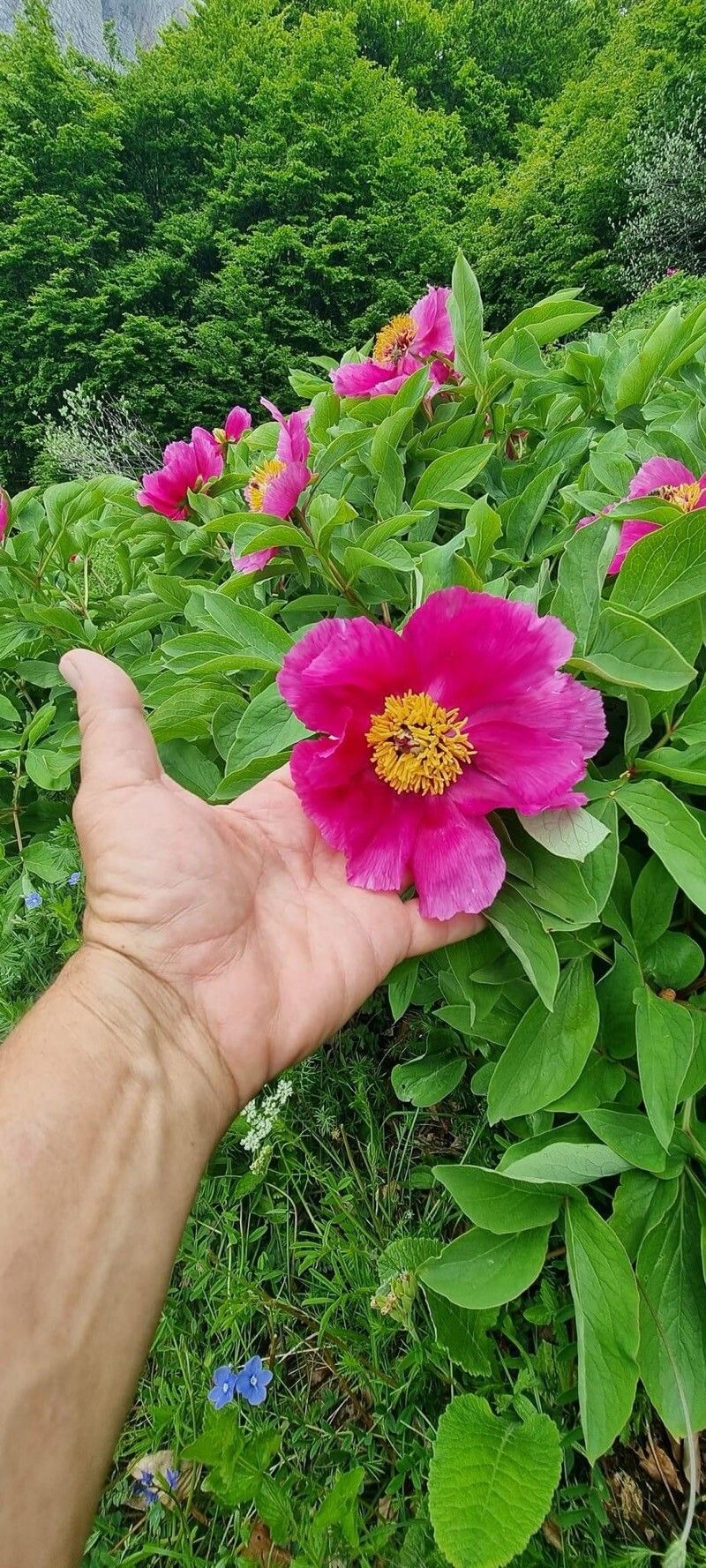
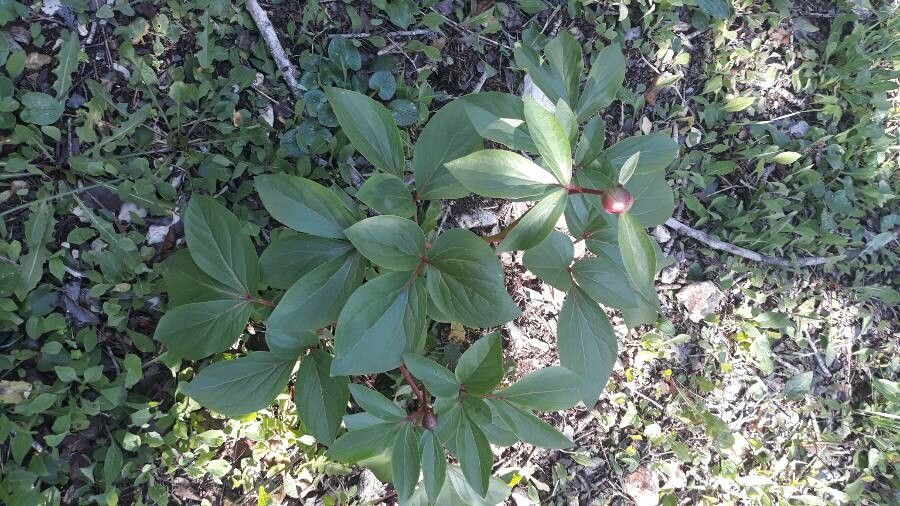
Paeonia brownii, commonly known as Brown's peony, is a flowering plant species within the family Paeoniaceae. Native to western North America, it is particularly found in the Rocky Mountains and surrounding regions. This plant typically reaches a height of up to 1 meter and features large, glossy green leaves. The flowers are large and showy with shades of pink or purple petals encircling a yellow center. Brown's peony blooms in late spring or early summer and thrives in well-drained soil with full sun exposure.
For centuries, Native American tribes have harnessed the medicinal properties of Brown's peony, especially as an analgesic for pain relief. The plant contains compounds like paeoniflorin, which have demonstrated anti-inflammatory properties.
Brown's peony is also a favorite among gardeners for its attractive flowers and foliage. It can be propagated either through division of its root system or seed germination.
Overall, Paeonia brownii holds significant cultural and ecological importance in western North America. Its medicinal properties and its role as a pollinator attractant for bees, butterflies, and hummingbirds underscore its value within local ecosystems.
Brown's peony is fairly disease-resistant and generally does not tend to get sick. Still, it can be affected by pests and diseases found in its environment, though such infections are typically mild. Regarding maintenance, the plant needs a moderate level of care. Regular pruning is necessary to preserve a tidy appearance and healthy growth, and feeding it can help encourage blooming. Brown's peony is well suited to anyone with outdoor space, like a garden or patio, and does not demand extensive gardening experience. It might need extra attention if kept indoors.
How to keep Paeonia Brownii.
Light
Plenty of sunlight is essential for the health and development of brown's peony. From seedling to mature stages, ample light encourages vigorous growth. Originally found thriving in areas with abundant sun, brown's peony may struggle when light is insufficient, resulting in poor plant vigor. However, too much sunlight can also cause damage. Achieving a balance is critical.
Water
Brown's peony is well-suited to arid environments and thrives with very little moisture, showing impressive drought tolerance. It only needs to be watered infrequently, about once a week. The plant efficiently utilizes scarce water resources, which is crucial for its survival and blooming during the growing season, even when rainfall is limited.
Temperature
Brown's peony prospers in its native habitat, where temperatures range from 41 to 95 °F (5 to 35 ℃). To support the plant's health, adjust temperatures with the seasons—lower them in colder months and take advantage of the warm summer months.
Fertilizer
The best time to fertilize a Brown's peony is in early spring, as it comes out of dormancy and begins active growth. Fertilizing supplies essential nutrients needed for healthy development. Although Brown's peony has relatively low fertilizer requirements, applying fertilizer annually can improve its survival and encourage better, longer-lasting blooms.
Pruning
Brown's peony is known for its beautiful foliage and blooms. To keep the plant healthy, prune it in early spring by removing dead stems and reducing overcrowding to improve air circulation. Although minimal intervention is needed, regular pruning helps encourage flowering and reduces the risk of disease.
Pot & Repot
To thrive and avoid root rot, Brown's peony needs excellent drainage when grown in pots.
Botanical profile.
- Plant Type
- Herb
- Life Cycle
- Perennial
- Genus
- Paeonia
- Family
- Paeoniaceae
- Hardiness Zone
- 5-9
- Mature Height
- 20 cm to 52 cm
- Mature Spread
- 76 cm
- Leaf Color
- Dark Green
- Leaf Type
- Deciduous
- Flower Color
- Yellow, Green, Red, Brown
- Flower Size
- 2.03 cm to 3.81 cm
- Bloom Time
- Early spring, Mid spring
- Planting Time
- Spring, Autumn
- Harvest Time
- Late spring, Early summer
Other names.
Reader questions.
How should I water my Brown's peony?
When watering the Brown's peony, it is best to use filtered water at room temperature. Tap water can have harmful particles that may affect the plant's health. The Brown's peony is accustomed to warm environments, so it is important to avoid using cold water, which could be a shock to the plant. Instead of overhead watering, it is recommended to pour the filtered room temperature water directly onto the soil until it is completely soaked. This helps the roots to stay moist and enables them to spread through the soil and absorb necessary nutrients.
What are the sunlight requirements for Brown's peony?
Brown's peony thrives in an environment that ensures it receives copious amounts of sunlight throughout its growth stages, from seedling to maturity. It requires full sun, which means it should be exposed to more than 6 hours of sunlight daily. However, exposure to partial sun, or about 3-6 hours of sunlight, can also be beneficial. Despite its need for ample sunlight, it's crucial to maintain a balance to avoid the detrimental effects of too much exposure. The successful cultivation of Brown's peony depends on selecting garden spots that offer the right mix of light and shade, embodying the plant's natural habitat preferences.
What temperature is best for Brown's peony?
The temperature for Brown's peony depends on the time of year. There are two main seasons to consider: the growing season and the dormancy season. During the growing season, when the peony is sprouting, the best temperature range is between 65~80℉(18~27℃). If it gets colder than 15℉(-10℃), the plant may suffer with browning and wilting leaves. However, if it's only a temporary cold snap, the peony may survive with some assistance. In the warmer parts of the year, it's important to protect the peony from excessive heat as well. The upper limit for temperatures is around 95-105℉ (35-40℃). Anything higher can damage the foliage and blooms, leading to wilting, drooping, and even sunburn. Fortunately, there are quick and easy ways to address this issue.
What should I do if I give too much or too little water to my Brown's peony?
Both overwatering and underwatering can harm the health of your Brown's peony, but overwatering is more common. Overwatering can cause wilting and yellowing of stems and leaves, and can lead to root rot, mold, and mildew, which can be fatal for the plant. Underwatering is less likely for Brown's peony due to its drought tolerance, but it can still happen and result in brittle, brown leaves. It's important to catch overwatering signs early as some issues like root rot may not be reversible if left too long. Reduce watering if you observe early signs of overwatering and check the soil's drainage. Replace poorly draining soil with a loose, well-draining potting mix if necessary. If you notice signs of underwatering, simply water more regularly until the signs improve.
How can artificial lighting be used for indoor Brown's peony plants?
For indoor Brown's peony plants, especially when natural sunlight is lacking, artificial lighting serves as an excellent alternative to promote growth. Effective use of artificial light involves selecting the right type of light, such as LED lights, which can be customized to provide specific wavelengths necessary for the plant. The intensity of light required varies depending on the plant's needs; full sun plants require 30-50W/sq ft, partial sun plants need 20-30W/sq ft, and full shade plants require 10-20W/sq ft of artificial light. Positioning the light source 12-36 inches above the plant and ensuring it mimics natural daylight hours, ideally between 8-12 hours per day, will support optimal growth conditions.
What temperatures do newly planted Brown's peonies need?
If you have just planted a Brown's peony outside for the first time, it may need extra care during the coldest months. Frost can cause more damage to a new plant and hinder its growth in the spring. To protect it, you can either bring it indoors for a month or two or use mulch or fabric barriers to shield it from frost. In the first year or two, it's best to plant the peony in a shadier spot as smaller plants struggle to regulate their temperature in hot weather. Limiting direct sunlight to five hours per day is recommended, especially if the temperature goes above 80℉. To handle the summer heat, use shadecloth and water or mist the plant regularly.
How often should I give water to my Brown's peony?
If your Brown's peony is in a pot, the most precise way to determine if it needs water is to check the moisture of the soil by putting your finger in it. If the top two to three inches of soil are dry, then it is time to water the plant. If you are growing your Brown's peony outdoors in the ground, you can use a similar method to test the soil. Again, if the top few inches of soil are dry, it is time to water. Typically, during spring and early fall, you will need to water this plant about once a week using this method. However, during extremely hot weather, you may need to increase the watering frequency to twice or even more per week. It's worth mentioning that mature, well-established Brown's peonies have a remarkable ability to withstand drought.
What are the symptoms of inadequate or excessive light exposure in Brown's peony?
Brown's peony may exhibit several symptoms when exposed to inadequate or excessive light. Light deficiency can lead to smaller new leaves, leggy or sparse growth, faster leaf drop, slower or no new growth, and lighter-colored new leaves. Excessive sunlight can cause chlorosis, where leaves lose their green color, sunscald, resulting in pale or necrotic areas on plant tissue, leaf curling as a defense mechanism against sunlight, wilting due to increased water loss, and leaf scorching characterized by brown, dry edges on leaves. These symptoms signify the plant's struggle with its light environment, either craving more sunlight or needing protection from too much exposure.
How can I keep Brown's peony safe from very cold or very hot weather?
To protect Brown's peony from cold temperatures during the growing season, there are a few measures you can take. If you have it in a container, simply bring the container indoors where it can receive bright, indirect light until the temperatures rise above 15℉(-10℃) again. If the peony is planted in the ground, you can use mulch or horticultural fabric to create a barrier around the plant, providing insulation from frost and cold wind. On the other hand, if the temperatures get hotter than 80℉(27℃) in the shade during the day, it's important to limit the peony's exposure to sunlight to six hours or less per day, preferably in the morning. You can put up shade cloth or a fine plastic mesh to reduce the amount of direct sunlight it receives during the hottest parts of the day. Additionally, installing a misting system that emits a slow release of cooling mist around the base of the plant can help lower the ground temperatures.
How much water does my Brown's peony plant need?
When watering your Brown's peony, be generous with the amount of water. Make sure the first two to three inches of soil are dry before watering. It's important to thoroughly soak the soil, allowing excess water to flow through the drainage holes in the pot. If you don't see water draining out of the pot, you may be underwatering the plant. However, be careful not to let water accumulate in the soil, as this can harm the plant. If water isn't draining properly, it may indicate poorly draining soils, which should be avoided. If the plant is outside, it will typically only need 1 inch of rain per week.
What solutions can be applied to address light-related issues for Brown's peony?
To address light-related issues in Brown's peony, consider several solutions based on the plant's environment. Indoors, gradually increase sunlight exposure by moving the plant closer to a south-facing window, ensuring it gets at least 6 hours of direct sunlight daily, or use artificial lighting such as desk or ceiling lamps for at least 8 hours daily. For outdoor plants, slowly acclimate them to a sunnier spot each week to prevent sunburn, remembering that parts of the plant affected by insufficient light may not recover, though new growth should be healthy. Minimizing sunlight obstructions involves pruning or transplanting during the plant's dormant period for better sun exposure and growth.
What temperatures should we have for Brown's peony during the dormant season?
Brown's peony requires a certain amount of cold during winter to remain dormant until it's time to sprout. It is important to avoid sprouting too early, as this can be fatal, especially if the plant is already ahead of schedule when the frost hits. Ideally, winter temperatures should remain below 32℉(0℃), but if they reach 40℉(5℃), it is not a problem. However, in more temperate climates such as woodland rainforests, unexpected warm spells can cause Brown's peony to sprout prematurely. If there is still a risk of frost, covering the plant with clear plastic on stakes can help protect it from the cold and prevent damage to the new sprout. This cover can be removed once the danger of frost has passed. While sometimes the peony will sprout at the right time on its own, using this method increases the chance of a successful second sprouting.