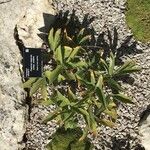
Paeonia mascula
Coral peony · Peony · Wild peony · Božur · Coral Paeonia
Description
Source: leafsnapPaeonia mascula is a species of peony. It is a herbaceous perennial 0.5–1.5 m (1.6–4.9 ft) tall, with leaves that are divided into three segments, and large red flowers in late spring and early summer. Native to Syria, Spain, France, Italy, Croatia, Bosnia and Herzegovina, Serbia, Montenegro, Bulgaria Greece, Turkey, Iraq, Lebanon and Israel, this wild peony has become naturalised on two small islands in the UK.
🌳 Wild peony unexpectedly functions as a bioindicator. Research has found that it can signal the presence of certain metals, like zinc and copper, in the soil. This is because it can accumulate these metals in detectable amounts, so it serves not only as an attractive element in the landscape but also as a tool for environmental monitoring and assessing soil health.
Care Guide
💧 Water Every 1-2 weeks
Wild peony is well-suited to the Mediterranean climate and prefers moderate hydration. Because of this, well-drained soil is essential for its growth. Watering the plant every one to two weeks is adequate. Typically grown outdoors, wild peony thrives on natural rainfall in temperate climates, which supports its growth and reduces the need for additional watering.
How should I water my Wild peony plant?
To effectively water the Wild peony, it's important to use filtered water at room temperature or slightly warmer. Tap water may contain harmful particles, so filtered water is a better choice. This plant is accustomed to a warm environment, so cold water can be a shock to its system. Moreover, it's best to avoid overhead watering to prevent issues with the foliage. Instead, apply filtered room temperature water directly to the soil until it becomes saturated. This helps the plant by providing moisture to the roots and allowing them to spread and absorb necessary nutrients.
What do I do if I give my Wild peony too much water or too little water?
Overwatering your Wild peony can cause its stems and leaves to wilt and turn yellow, leading to diseases like root rot, mold, and mildew. This is a common issue and can be detrimental to the plant's health. On the other hand, underwatering is less common for the Wild peony due to its good drought tolerance. However, it is still possible and may result in brittle and brown leaves. It is important to quickly identify signs of overwatering as some diseases may not be reversible if left untreated for too long. Reduce watering immediately if you notice these signs and consider replacing poorly draining soil with a loose, well-draining potting mix. If your Wild peony is not receiving enough water, simply water more regularly until the signs improve.
How often should I give water to my Wild peony plant?
If your Wild peony is in a pot, you can use a simple method to determine if it needs water. Just stick your finger into the soil and if the top two to three inches feel dry, it's time to water it. The same applies if you are growing your Wild peony outdoors in the ground. When the top few inches of soil are dry, it's a sign to water the plant. Typically, during spring and early fall, watering once a week is sufficient. However, during extremely hot weather, you might need to increase watering to twice or more per week. It's worth noting that mature Wild peonies that are well-established have a remarkable ability to endure dry conditions.
How much water does my Wild peony require?
When watering your Wild peony, don't be hesitant to give it a good amount of water. Make sure the top two to three inches of soil are dry before watering, and then thoroughly soak the soil. You should add enough water so that it flows through the drainage holes at the bottom of the pot. If you don't see excess water draining, you may not have given enough water. However, be careful not to let water accumulate in the soil, as this is harmful to the plant. On the other hand, if water is not draining properly, it could mean that the soil doesn't drain well, which is not good for the plant's health. If the plant is outdoors, about 1 inch of rain per week should be enough.
How do I water my Wild peony at different times as it grows?
The water needs of the Wild peony can vary at different growth stages. When the plant is young or has just been transplanted, it requires more water to support root growth. The roots need extra moisture during these stages to ensure future growth. As the plant matures, it will require less water. Additionally, during the bloom period, the Wild peony may need more water due to the significant amount of moisture required for flower development.
☀️ Light Full sun
Wild peony does best in areas that receive ample sunlight during the day. However, it tolerates places with less or uneven light. Excessive sun can scorch its leaves, while insufficient light can affect its flowering. Its native habitat reflects this preference.
What are the sunlight requirements for Wild Peony?
Wild Peony thrives under varying sunlight conditions. It prefers locations with generous sunlight throughout the day but can also adapt to areas with less sun. For optimal growth, full sun, defined as over 6 hours of sunlight daily, is ideal. However, it can survive in partial sun, receiving about 3-6 hours of sunlight. It’s important to observe the movement of sunlight in your garden to find a spot that offers a good balance of light and shade, ensuring the plant's wellbeing. Excessive sunlight can cause leaf scorch, while insufficient light affects flowering.
How do artificial lights support the growth of Wild Peony indoors?
Indoor Wild Peony plants require adequate lighting, especially when natural sunlight is limited. Artificial lights provide an essential solution, promoting healthier growth. LED lights, preferred for their customizability, should match the specific light wavelengths needed by the plant. Full sun plants need around 30-50W/sq ft, partial sun 20-30W/sq ft, and full shade plants 10-20W/sq ft of artificial light. The light source should be placed 12-36 inches above the plant, mimicking natural sunlight and kept on for 8-12 hours per day, depending on the plant’s needs.
What are common symptoms of inadequate light in Wild Peony?
Symptoms of light deficiency in Wild Peony can include smaller new leaves, leggy or sparse growth due to longer spaces between leaves or stems, early leaf drop as a way to conserve resources, halted or delayed growth as the plant enters survival mode, paler new leaves indicating a lack of chlorophyll, chlorosis or yellowing of the leaves, sunscald from intense exposure, leaf curling as a defense against excess sun, wilting from loss of turgor pressure under strong sunlight, and leaf scorch from excess sun causing dry, crispy leaf edges.
What solutions can remedy light-related issues for Wild Peony?
To address light-related issues for Wild Peony, indoor plants can gradually be moved to sunnier locations to receive at least 6 hours of direct sunlight daily, utilizing south-facing windows and keeping curtains open for maximum exposure. Artificial lights, such as desk lamps or grow lights, can supplement light for large or immobile plants. Outdoors, gradually moving plants to sunnier spots while avoiding sudden light intensity changes can prevent sunburn. Removing obstructions or transplanting to sunnier locations can also help, with the best time for transplanting being late winter or early spring during the plant's dormant period. It's important to note that while parts of the plant that suffered from lack of light may not recover, new growth should be healthy with improved light conditions.
🌡️ Temperature 15–35°C
Wild peony is native to habitats where temperatures range from 59 to 95 °F (15 to 35 °C). This sun-loving plant prefers mild to warm temperatures to flourish. Seasonal temperature adjustments may be necessary to replicate its natural environment.
What is the ideal temperature range for growing Wild peony?
The Wild peony is indigenous to environments where temperatures range from 59 to 95 °F (15 to 35 °C). It thrives in fair to warm temperatures, enjoying full sun exposure. This plant is accustomed to seasonal temperature changes, which mimic its natural habitat. Despite its strong cold resistance, precautions should be taken when winter temperatures are expected to drop below -15°C to ensure the plant's survival and health.
How should Wild peony be protected against frost?
Though Wild peony has a strong resistance to cold temperatures, special frost protection measures should be considered when temperatures are forecasted to fall below -15°C. Protecting the plant can involve covering it with insulating materials such as soil or straw. Additionally, watering the plant abundantly before the first freeze of autumn is recommended. This ensures the soil remains moist and enters a frozen state, helping to prevent the plant from experiencing drought and water scarcity during winter and the early spring period.
What are the symptoms and solutions for Low Temperature exposure in Wild peony?
Wild peony is known for its cold tolerance, best thriving when the temperature remains above 15°C. In winters, keeping it above -10°C is advisable. If temperatures drop below -15°C, there may not be immediate visible signs during winter; however, the plant could show a decrease in sprouting or fail to sprout in spring. The solution for such a situation involves removing any parts of the plant that have failed to sprout in the spring.
How should Wild peony be cared for during high temperature conditions?
During the summer months, it's important to ensure that Wild peony does not experience temperatures above 35°C. Exposing the plant to temperatures exceeding 41°C can lead to lighter leaf colors, curling, susceptibility to sunburn, and in severe cases, wilting and drying out of the entire plant. To mitigate these risks, trim away any sunburned and dried parts of the plant. Also, move the plant to a shaded location or use a shade cloth to protect it from midday and afternoon sun. Keeping the soil moist by watering in the morning and evening is also crucial.
💨 Humidity
🪴 Soil 6-7
🌱 Fertilizer
The best time to fertilize a Wild peony is in early spring, as it comes out of dormancy and begins active growth. Fertilization supplies essential nutrients for healthy development. Although Wild peony has relatively low fertilizer requirements, applying fertilizer once a year can improve its survival and encourage better, longer-lasting flowers.
Why should I put fertilizer on my Wild peony?
Fertilization is important for the Wild peony because it provides essential nutrients that aid its growth above and below the ground. Although Wild peonies have relatively low fertilization needs and can survive without it, annual fertilization can greatly benefit the plant by keeping it healthy and promoting the production of long-lasting flowers. Those who want their Wild peonies to thrive should consider regular fertilization.
When should I fertilize my Wild peony?
The best time to fertilize a Wild peony is in late winter to early spring when it is transitioning from dormancy to active growth. Fertilizing during this time will promote healthy growth for the upcoming season. Fertilizing in the fall is also acceptable, but it is not recommended to feed the plant during summer or winter.
When is not a good time to fertilize my Wild peony plant?
To ensure the proper care of your Wild peony, it is best to fertilize only during the late winter and early spring. This plant has low fertilization needs, so a single annual feeding during this time is sufficient. It is important to avoid fertilizing in spring, summer, and fall as this can lead to overfertilization and complications. However, if you forgot to fertilize in spring, it is acceptable to feed the plant in fall. Additionally, there is no need to fertilize during winter as the Wild peony goes into a dormant growth phase and does not produce new growth during this time.
What kind of plant food does my Wild peony need?
To help your Wild peony thrive, you can use any general-purpose fertilizer that has a balanced amount of the three main plant nutrients. However, some specific nutrient blends can be especially beneficial. For example, a higher amount of phosphorus is believed to strengthen the roots and improve flower growth, making a phosphorus-rich fertilizer a good choice for Wild peonies. Whether you choose a granular or liquid form, make sure the fertilizer is rich in nutrients. In addition to manufactured fertilizers, you can also improve the soil for your Wild peony using organic methods. Compost, manure, and similar materials will greatly contribute to a healthy growing medium for your plant.
How can I give nutrients to my Wild peony plant?
The most common way to fertilize a Wild peony is by applying a granular or pellet fertilizer to the soil around the plant. It's important to remember that the best time to fertilize is when the plant is coming out of winter dormancy and entering a period of active growth. In early spring, wait for the plant to start producing shoots and then apply the fertilizer. Alternatively, some people prefer using a liquid fertilizer, which should be diluted with water before application. Regardless of the type of fertilizer used, it's always recommended to moisten the soil before, during, and after fertilization.
🪴 Pot & Repot
To thrive, wild peonies need pots with excellent drainage. This ensures proper airflow and helps prevent root rot.
✂️ Pruning
Wild peony is a deciduous perennial known for its large, vibrant blooms. To promote healthy growth and abundant flowering, it's best to prune the plant from early to late spring. This helps remove damaged stems and improves air circulation. Be careful not to prune too heavily, as this can reduce the number of blooms. Proper pruning is important for maintaining the plant's vitality.
🌿 Propagating
🐛 Diseases & pets
☠️ Toxicity
Characteristics
- Plant Type
- Herb
- Life Cycle
- Perennial
- Genus
- Paeonia
- Family
- Paeoniaceae
- Hardiness Zone
- 7-10
- Mature Height
- 0.49 m to 1.52 m
- Mature Spread
- 49 cm to 76 cm
- Leaf Color
- Green
- Leaf Type
- Deciduous
- Flower Color
- Red, White, Pink, Purple
- Flower Size
- 6.35 cm to 12.70 cm
- Bloom Time
- Mid spring, Late spring, Early summer
- Planting Time
- Spring
- Harvest Time
- Early summer, Mid summer