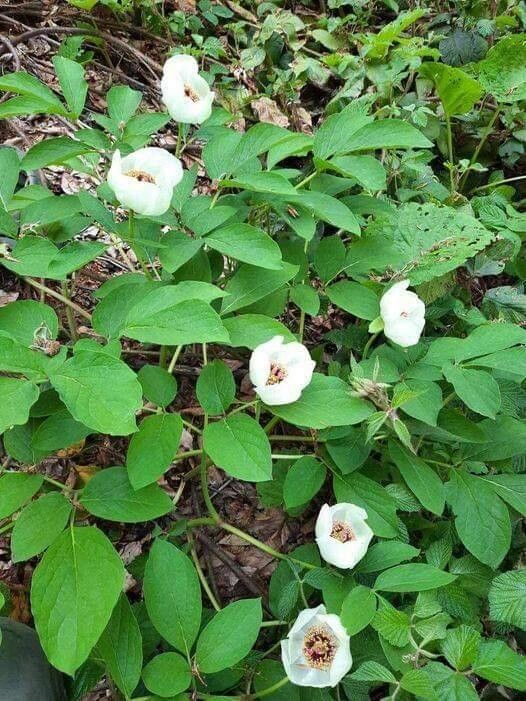
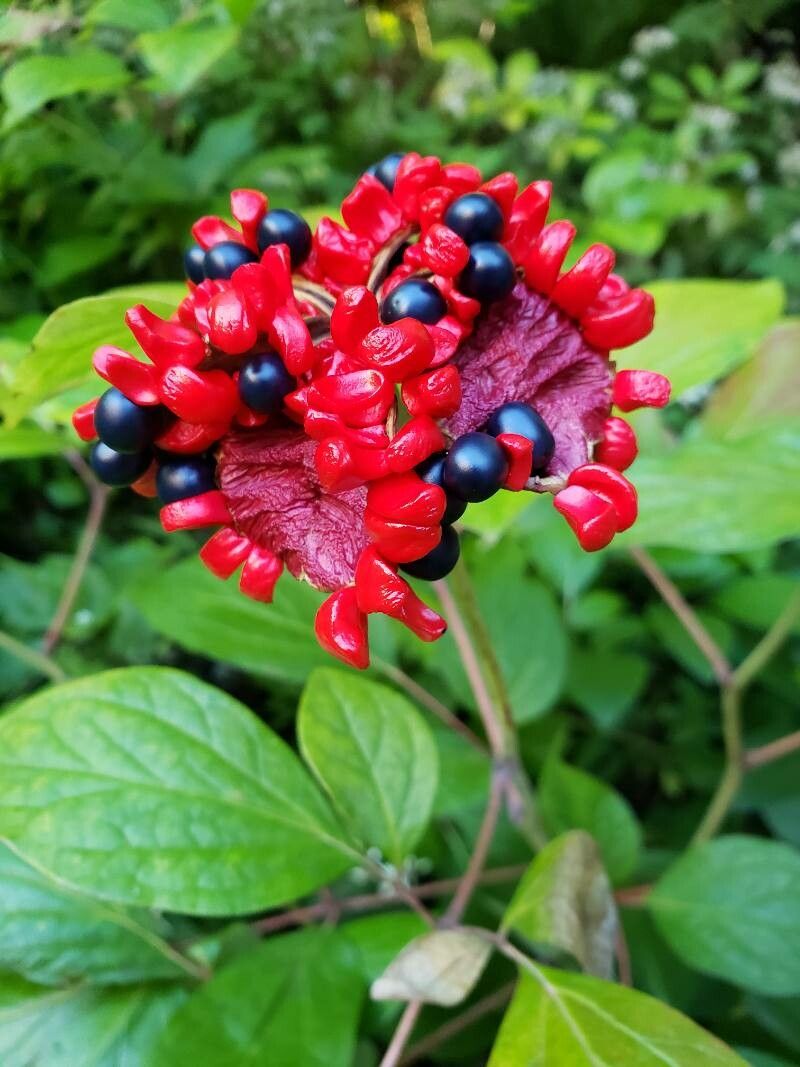
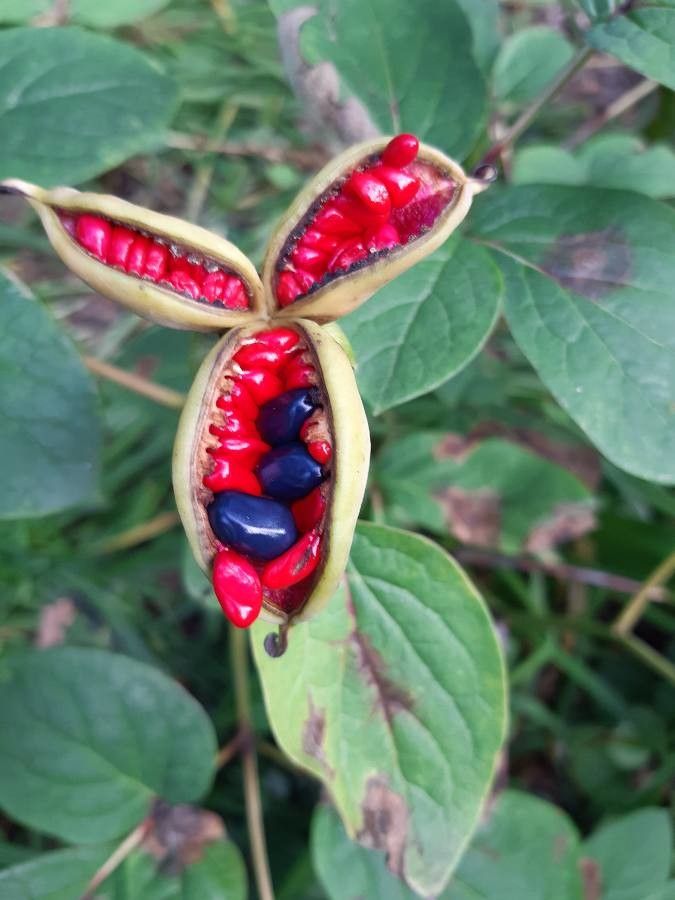
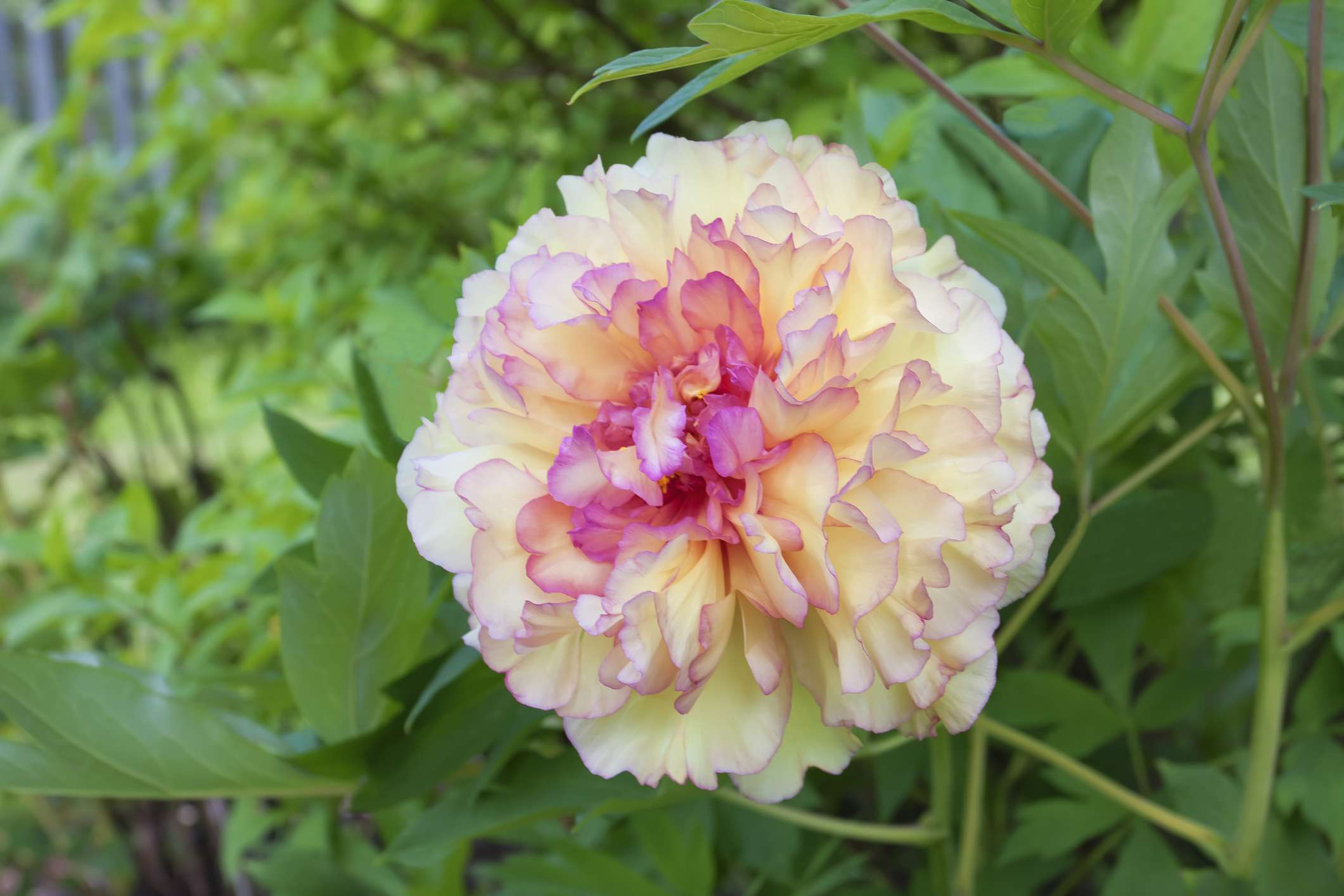
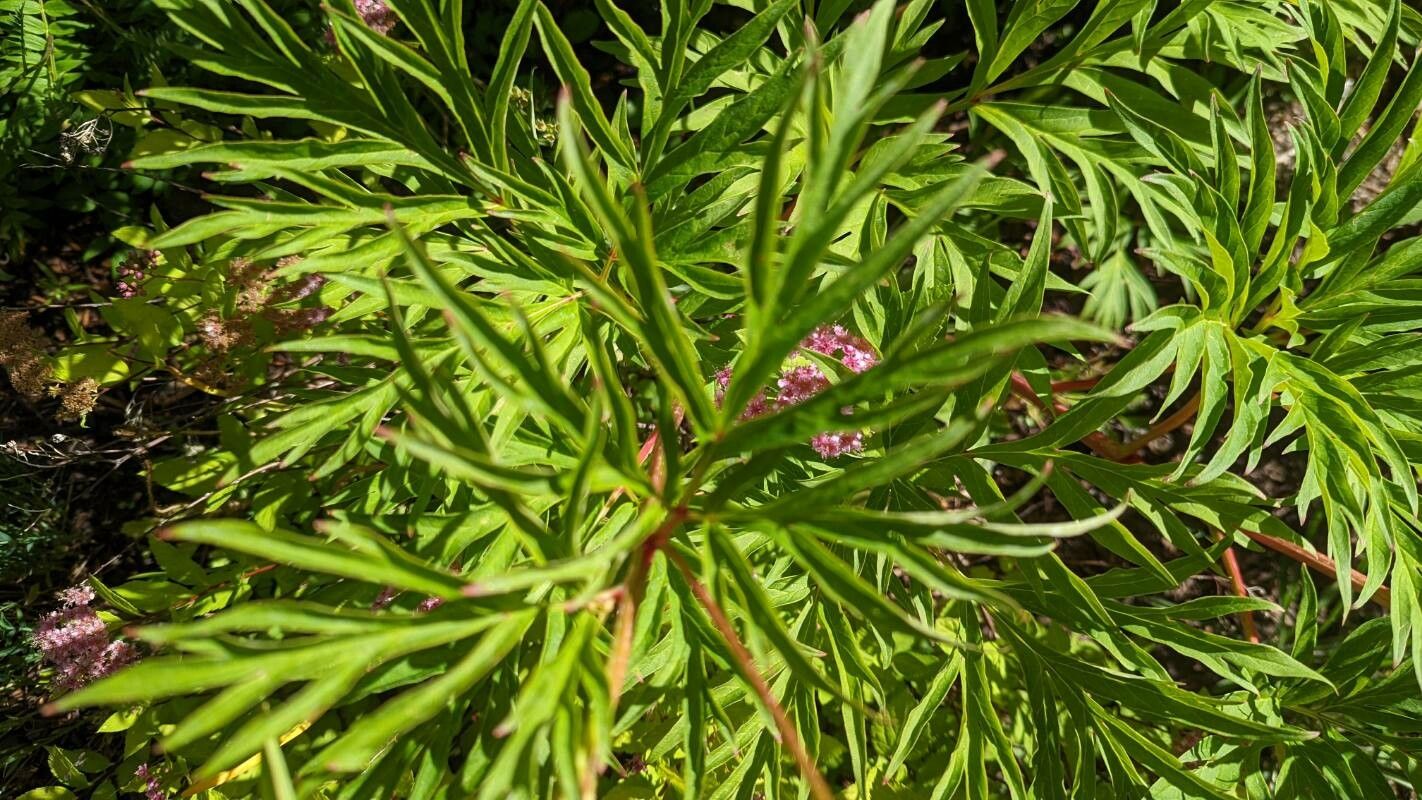
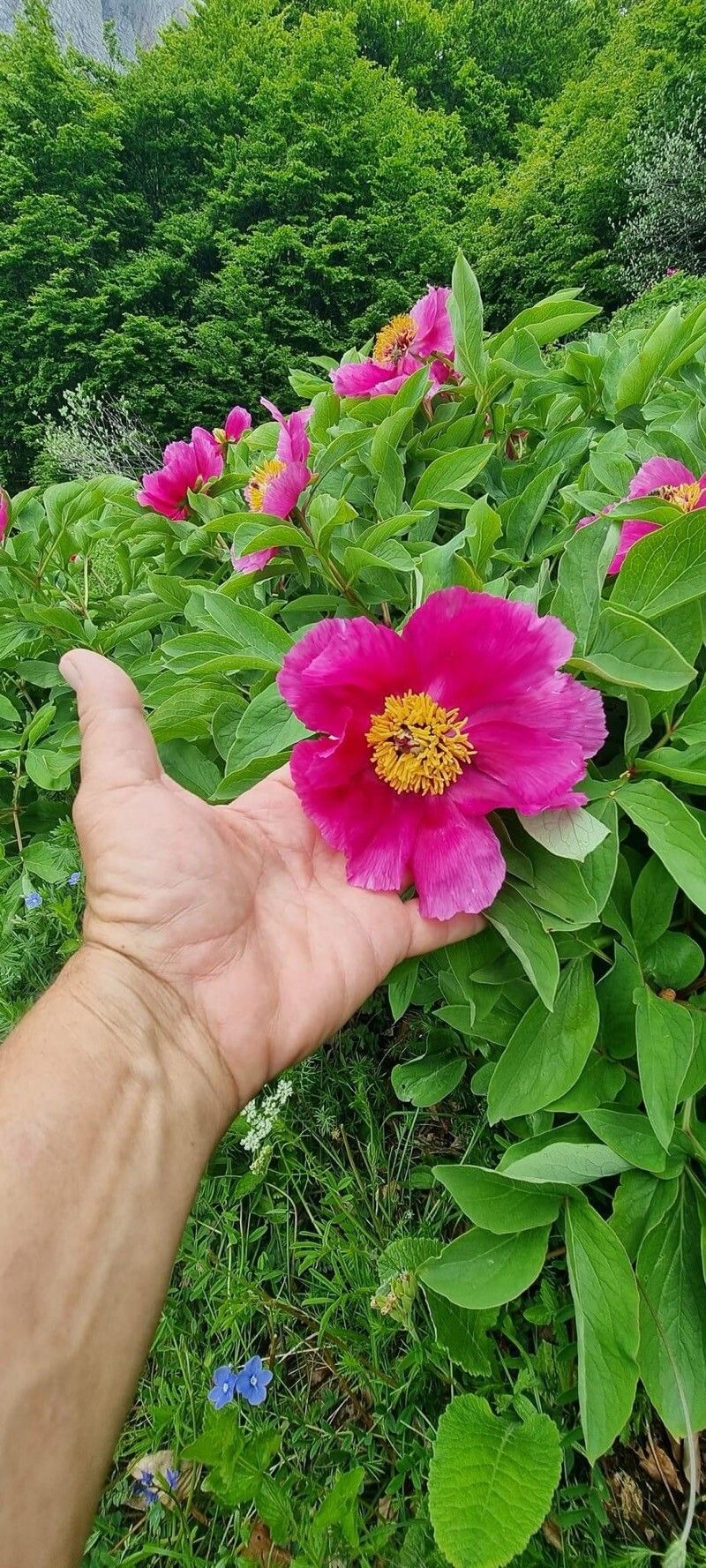
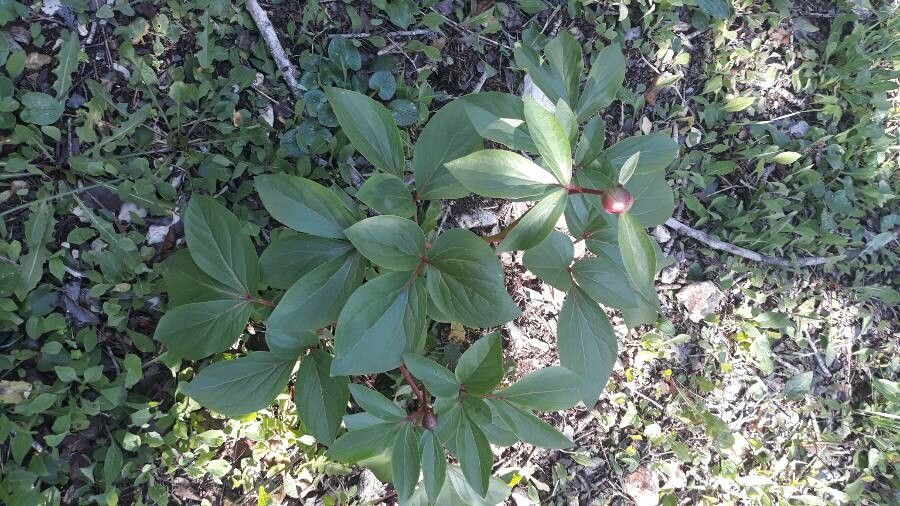
Paeonia obovata, commonly known as the Siberian peony, is a herbaceous perennial plant belonging to the Paeoniaceae family. It is native to Siberia, China, and Japan, and typically inhabits meadows, forests, and riverbanks.
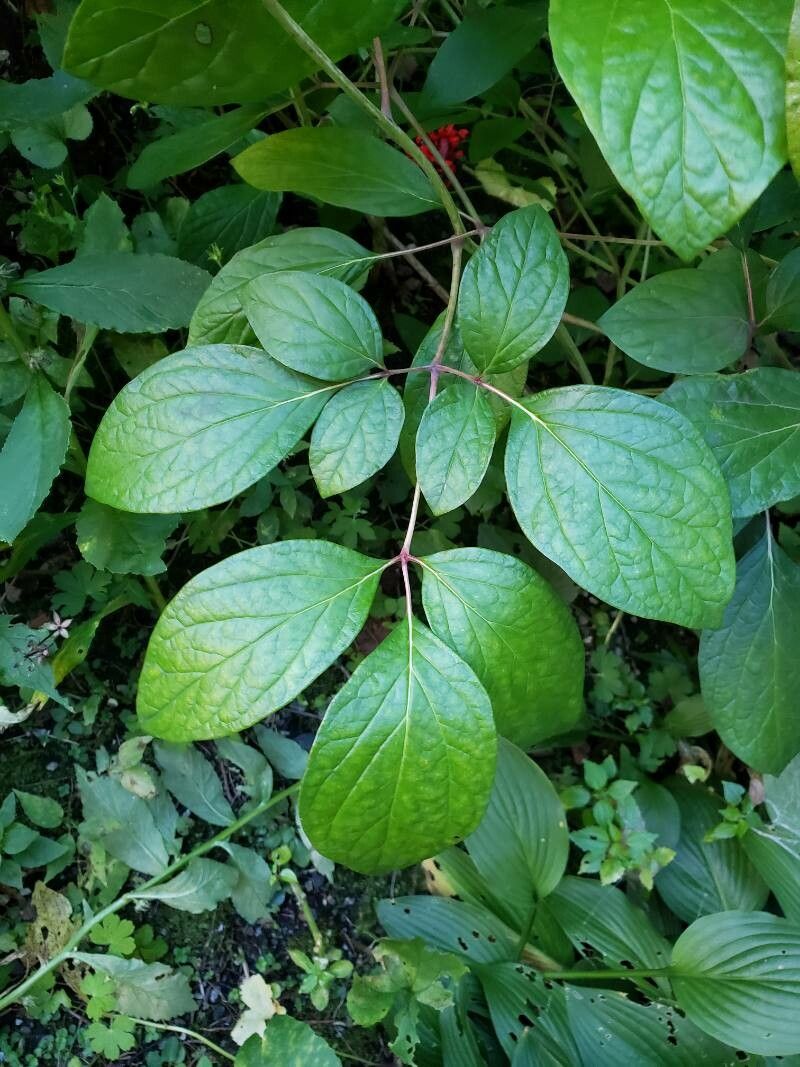
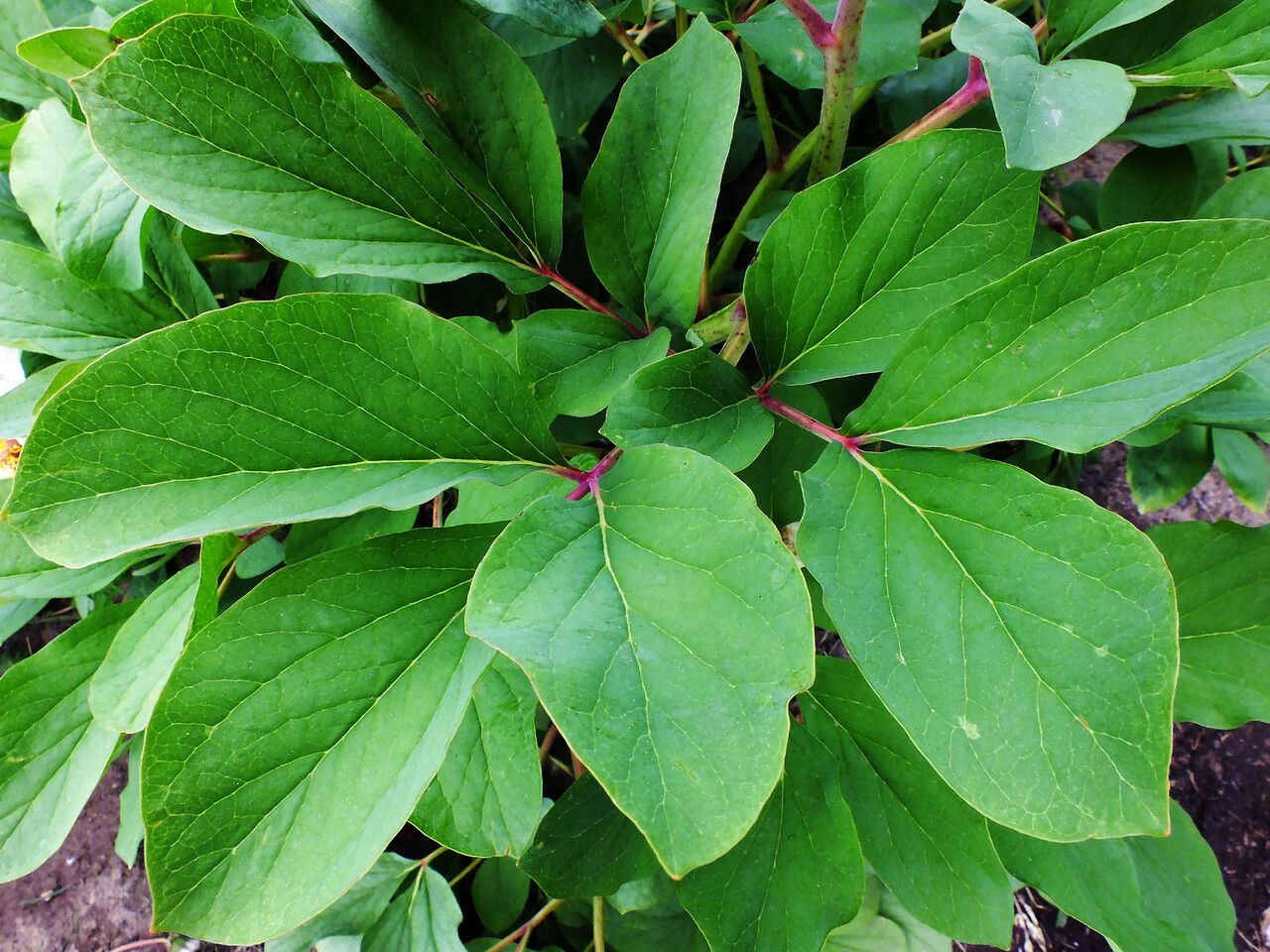
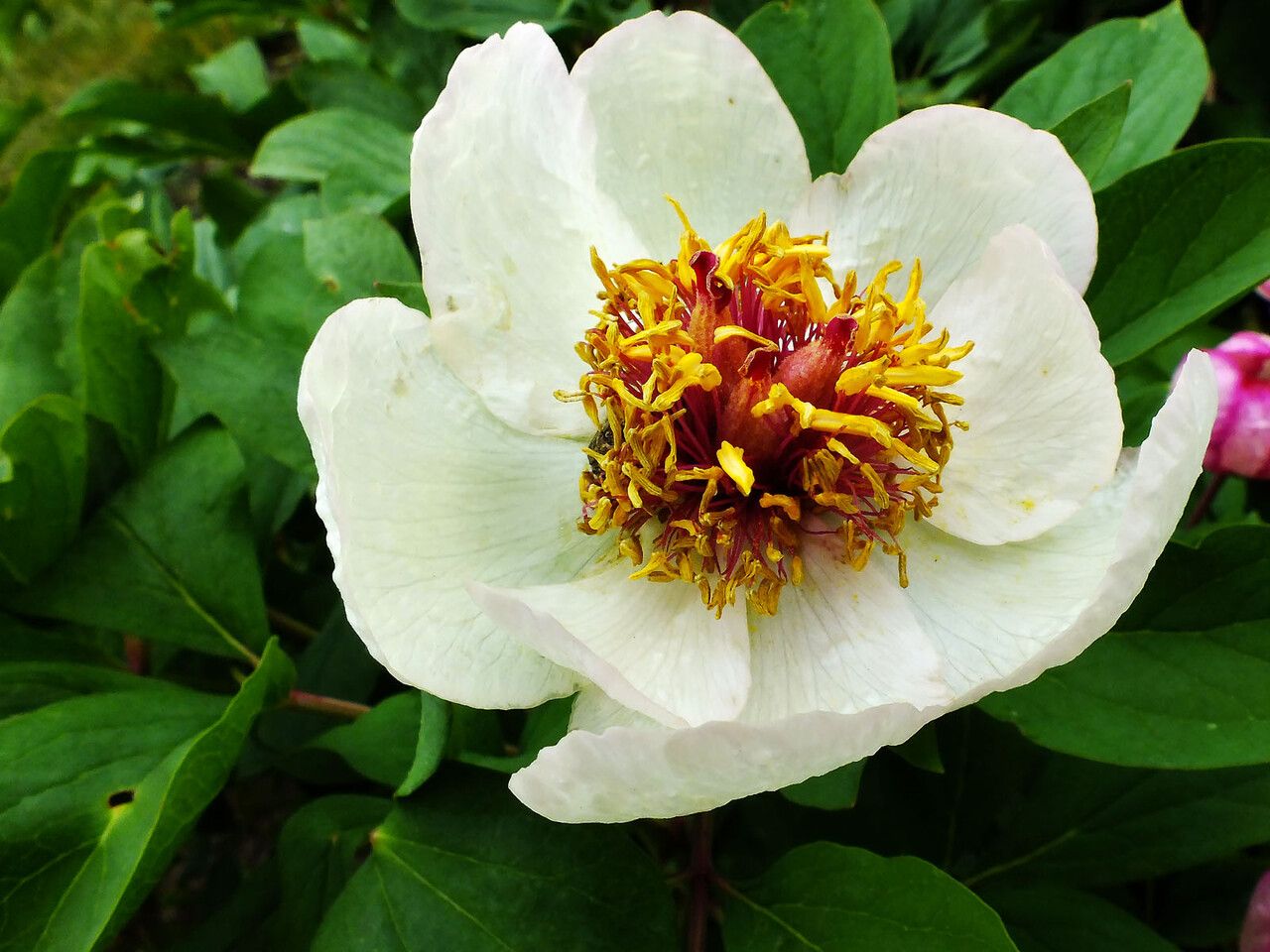
The plant generally reaches a height of up to 60 cm and spreads about 45 cm. Its dark green leaves are deeply lobed with a glossy texture. The flowers are large and showy, consisting of five petals that can range in color from deep red to pink or white.
Paeonia obovata blooms from late spring to early summer, attracting pollinators such as bees and butterflies. It thrives in well-drained soil and does well in full sun or partial shade.
In traditional medicine, Paeonia obovata has been used for its anti-inflammatory properties and for treating menstrual disorders.
Overall, Paeonia obovata is an attractive ornamental plant that adds vibrant color to gardens while also offering medicinal benefits.
The woodland peony is fairly resistant to disease and typically not prone to illness. Still, it can be affected by pests and diseases present nearby, though these issues are usually minor. For care, this plant needs a moderate amount of attention. It should be pruned regularly to preserve a neat appearance and encourage healthy growth. Fertilizing can also help increase flowering. The woodland peony is well suited for anyone with outdoor space, such as a garden or patio, and does not demand extensive gardening experience. When grown indoors it may need more attentive care.
How to keep Paeonia Obovata.
Light
The woodland peony grows best with moderate sun protection and can tolerate somewhat higher sun exposure. Excessive sunlight may harm it, while too little light can restrict its healthy growth. Coming from environments with filtered sunlight, the plant is adapted to do well in those conditions.
Water
The woodland peony flourishes in moist, well-drained woodland soil, where it thrives best with consistent moisture. While it is somewhat drought-tolerant, regular weekly watering mimics its natural habitat and enhances its growth. Providing extra water during the growing season encourages lush foliage and vibrant blooms.
Temperature
The woodland peony is native to temperate environments and prefers temperatures of 59 to 95 °F (15 to 35 ℃). As seasonal temperatures fluctuate, consider offering extra shade during extreme summer heat to help keep the plant within its preferred temperature range.
Fertilizer
For Woodland peony, the primary time to apply fertilizer is in early spring as the flowers are forming. The appropriate fertilizer promotes stronger blooms and helps the Woodland peony produce attractive flowers. Fertilizing in early spring guarantees excellent flowers during the season and supplies energy for the plant’s dormant growth phases.
Pruning
To care for woodland peonies, begin by pruning them from early to late spring. Remove any dead stems and thin out crowded branches to improve air circulation. Also, eliminate any suckers at the base. These steps encourage vigorous growth and better flowering. Make cuts just above a bud to promote new growth.
Pot & Repot
To thrive, woodland peonies need pots with excellent drainage. This ensures proper aeration and moisture control, which are essential for optimal growth.
Botanical profile.
- Plant Type
- Herb
- Life Cycle
- Perennial
- Genus
- Paeonia
- Family
- Paeoniaceae
- Hardiness Zone
- 7-10
- Mature Height
- 30 cm to 61 cm
- Mature Spread
- 49 cm
- Leaf Color
- Green, Blue
- Leaf Type
- Deciduous
- Flower Color
- Pink, White
- Flower Size
- 6.35 cm to 10.16 cm
- Bloom Time
- Mid spring, Late spring
- Planting Time
- Spring, Autumn
- Harvest Time
- Late summer, Early fall, Mid fall
- Native Area
- Russia, Japan, Koppen, South Korea, China
Other names.
Reader questions.
What are the sunlight requirements for Woodland peony?
Woodland peony flourishes best when exposed to moderate sunlight but can tolerate more substantial sun exposure. It requires partial sun, defined as about 3-6 hours of sunlight daily, or full sun, which is more than 6 hours of sunlight daily. The plant originates from habitats with filtered sunlight and has adapted to thrive under similar conditions. However, it's important to observe the movement of sunlight through your garden to choose spots that provide a balance of light and shade, ensuring the plants' happiness and preventing damage from too much or too little sunlight.
What is the preferred temperature range for Woodland peony?
Woodland peony thrives in a temperate climate, preferring temperatures between 59 to 95 °F (15 to 35 °C). To help maintain its preferred temperature range, it's beneficial to provide additional shade during extreme summer heat. The plant also possesses strong cold resistance, making special frost protection measures unnecessary in most cases. However, for winter temperatures expected to drop below -15°C, providing cold protection by covering the plant with soil or straw is advised. Abundant watering before the first freeze in autumn is recommended to ensure the soil remains moist and enters a frozen state, aiding the plant in avoiding drought and water scarcity during winter and early spring.
How do indoor Woodland peonies benefit from artificial lighting?
Indoor Woodland peonies require adequate lighting for optimal growth, especially when natural sunlight is insufficient. Artificial lighting serves as a vital solution in such cases, particularly during winter or in less sunny spaces. LED lights are recommended for their ability to be customized to provide specific wavelengths needed by the plants. For plants needing full sun, 30-50W/sq ft of artificial light is recommended, while partial sun plants need 20-30W/sq ft, and full shade plants need 10-20W/sq ft. The artificial light source should be placed 12-36 inches above the plant to mimic natural sunlight, ensuring the plant receives 8-12 hours of light per day.
What should I do if temperatures fall below the ideal range for Woodland peony?
Woodland peony is cold-tolerant and fares best when temperatures stay above 15°C. It should remain above -10°C during winter. Although the plant may not show immediate changes if temperatures fall below -15°C, there could be a decreased sprouting or no sprouting in the following spring. In such cases, it is recommended to remove any parts of the plant that have failed to sprout in the spring.
What are the symptoms of insufficient light exposure in Woodland peony?
When Woodland peonies are grown indoors with insufficient light, they may display several symptoms indicating light deficiency. These symptoms include small, mature leaves; leggy or sparse growth; faster leaf drop; slower or no new growth; lighter-colored or pale new leaves; symptoms of chlorosis, resulting in the loss of green color and yellowing of leaves; sunscald, characterized by pale, bleached, or necrotic areas; leaf curling as a defense against extreme sunlight; wilting due to transpiration and hydration challenges; and leaf scorching, seen as brown, dry, and crispy edges on leaves from excessive sunlight.
How should I care for Woodland peony during high temperatures?
During the summer, you should ensure that Woodland peony is kept in temperatures below 35°C. Exceeding 41°C can cause the leaves to lighten in color, become prone to curling, susceptible to sunburn, and in severe cases, leading to the wilting and drying out of the entire plant. To mitigate these issues, trim away sunburned and dried-up parts. Relocate the plant to a spot with midday and afternoon shade or use a shade cloth. Additionally, water the plant in the morning and evening to keep the soil moist and support its well-being during high temperatures.
What solutions can address Woodland peony's symptoms of insufficient or excessive light exposure?
To optimize plant growth and address symptoms related to light exposure in Woodland peony, gradual adaptation to light conditions is essential. For indoor plants, gradually shifting them to sunnier spots or using artificial light for at least 8 hours daily can help. Outdoors, it's vital to move plants to a sunnier location gradually to prevent sunburn. Minimize light obstructions by pruning trees or moving smaller plants to sunlit areas with good drainage. Parts of the plant affected by insufficient sunlight may not recover, but new, adequately lit growth will be healthy.