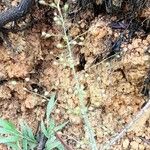
Panicum acuminatum
Woolly Panic Grass · Tapered Rosette Grass · Western panicgrass · Woolly panicum
Care Guide
💧 Water
☀️ Light Full sun
The West Indian marsh grass springs from habitats with plenty of sunlight, like the shallow peripheries of ponds and lakes. It thrives best in full sun, but it can also cope with partial sun.
🌡️ Temperature 15–37.8°C
West Indian marsh grass comes from tropical areas, which are generally hot and damp. Therefore, it is well-suited to thriving in conditions of high heat and moisture. It does not fare well with abrupt changes in temperature and favors a consistent temperature setting, making it vital to prevent temperature inconsistencies indoors. It typically cannot withstand cold temperatures and needs warmer conditions for its development. A substantial dip in the surrounding temperature could potentially halt its growth or even cause death.
💨 Humidity
🪴 Soil
🌱 Fertilizer
🪴 Pot & Repot
✂️ Pruning
🌿 Propagating
🐛 Diseases & pets
☠️ Toxicity
Characteristics
- Plant Type
- Grass
- Life Cycle
- Perennial
- Genus
- Panicum
- Family
- Poaceae
- Hardiness Zone
- 8-11
- Mature Height
- 0.91 m to 2.44 m
- Mature Spread
- 49 cm to 91 cm
- Leaf Color
- Light Green, Dark Green
- Leaf Type
- Semi-evergreen
- Flower Size
- 0.20 cm to 0.25 cm
- Bloom Time
- Summer, Early fall, Mid fall
- Planting Time
- Spring, Summer, Autumn
- Harvest Time
- Late summer, Fall, Early winter
- Native Area
- Sri Lanka, Belize, India, Malaysia, Mexico, Guatemala, Dominican Republic, Australia, Jamaica, Uruguay, Cuba, Paraguay, Indonesia, Haiti, Argentina, Venezuela, Brazil, Suriname, Nepal, Honduras, Peru, Philippines, Panama, China, Colombia, Bolivia, Vietnam, Myanmar, Guyana, El Salvador, Nicaragua, Singapore, Bhutan, Ecuador, Costa Rica, Thailand