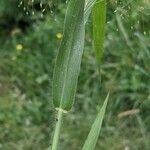
Panicum capillare
Witchgrass · Old-witch grass · Witchgrass panic · Common Panic Grass · Common Panicgrass
Description
Source: leafsnapPanicum capillare, commonly known as witchgrass, is a warm-season annual grass native to North America. It typically grows in disturbed areas such as fields, roadsides, and waste places. The plant can reach up to 3 feet in height and features slender stems with narrow leaves that are either green or purplish. The inflorescence of Panicum capillare consists of small spikelets arranged in loose panicles at the top of the stem. These spikelets contain tiny flowers, each with three stamens and two feathery stigmas. Witchgrass serves as an important food source for wildlife, including birds and small mammals. Additionally, it has been traditionally used by Native Americans for its medicinal properties to treat ailments such as fever, diarrhea, and respiratory infections. However, Panicum capillare can also be considered a weed due to its ability to quickly colonize disturbed areas and outcompete native plants for resources. It is crucial for land managers to monitor witchgrass populations in natural areas, as it may pose a threat to biodiversity conservation efforts.
🌳 Witchgrass is frequently regarded as an invasive weed, but its extensive root system can be used to stabilize soil and prevent erosion. The modest plant’s abilities are a largely unused resource for protecting soils in vulnerable areas, offering a sustainable, low-cost option for land management practices.
🎭 Joy, Desire, Affection
Care Guide
💧 Water Every 7 days
Witchgrass thrives in a variety of moisture conditions and benefits from weekly watering for optimal health. Although it can tolerate occasional drought, regular watering is advantageous. When growing witchgrass outdoors, it's important to consider its growth cycles, as its water needs change at different stages to promote better development and resilience.
How should I water my Witchgrass?
There are several options for watering Witchgrass, including using a garden hose with a spray nozzle, a watering can, or any other common watering tool. Witchgrass is not too particular about the type of water it receives, so rainwater, tap water, or filtered water will suffice. However, it is best to avoid watering this plant from overhead to prevent damage to leaves, flowers, and the risk of disease. One effective method for watering Witchgrass is to use a drip irrigation system, which evenly applies water directly to the soil. For Witchgrass in a container, you can use a cup, watering can, or tap to water it directly at the soil level.
What should I do if I give my Witchgrass too much or too little water?
To remedy underwatering Witchgrass, simply increase the frequency of watering when you notice it lacks moisture. Overwatering, on the other hand, can lead to more severe issues such as diseases that can cause the plant's decline and death. To prevent this, choose a suitable growing location that has adequate sunlight to dry the soil and sufficient drainage to prevent water from pooling. If you overwater Witchgrass in a pot, you may need to switch to a new pot with better drainage. When repotting, use loose soil and a pot that drains effectively.
How often should I give water to my Witchgrass?
To make sure your Witchgrass stays healthy, it's important to water it regularly. In the spring, watering once a week should be enough. But as the season heats up, you may need to increase that to two or three times a week. Just be careful not to overdo it, as too much water can harm the plant. It's also important to keep the soil moist but not overly wet, regardless of how often you water. If you have Witchgrass in a pot, you'll need to water it more frequently than if it's in the ground, as pot soil can dry out faster. Typically, watering a potted Witchgrass a few times a week is needed, compared to just once a week for in-ground plants.
How much water does my Witchgrass plant need?
Determining how much water to give your Witchgrass can be done in a few different ways. Some gardeners prefer to feel the soil for moisture and water until the top six inches are moist. Others use a set measurement, usually around two gallons per week, depending on the temperature and soil dryness. However, following strict guidelines may result in overwatering if your plant needs less water. For Witchgrass grown in containers, you should moisten all dry layers of soil, which can be tested by sticking your finger in the soil or observing excess water draining from the pot's holes.
How do I know if I'm watering my Witchgrass enough?
Avoiding overwatering your Witchgrass can be somewhat difficult because these plants have deep roots that need weekly watering. However, Witchgrass is highly susceptible to root rot and may also turn brown when overwatered. Underwatering is less of a concern as Witchgrass can survive without additional watering for a while. But if you neglect to water it for too long, the plant will likely wilt and have dry leaves.
☀️ Light Full sun
Witchgrass does best in places that receive abundant sunlight throughout the day, though it can also cope with moderate sun exposure. Having originated in areas with plenty of sun, it can endure periods of reduced light. However, insufficient sunlight can slow its growth, while excessive exposure may stress the plant.
What are the sunlight requirements for Witchgrass?
Witchgrass thrives when exposed to full sun, which is defined as receiving more than 6 hours of sunlight daily. However, it can also grow in partial sun conditions, where it receives about 3-6 hours of sunlight. It's crucial to monitor the movement of sunlight through your garden and select spots that ensure an optimal balance of light and shade, catering to the needs of your plants and guaranteeing their well-being.
What essentials should I know about Witchgrass and sunlight?
Witchgrass is a plant that flourishes in areas with generous sunlight throughout the day, but it can also tolerate moderate sun exposure. Originating from environments rich in sunlight, Witchgrass can cope with varying light conditions. Insufficient sunlight might delay its growth, whereas too much direct exposure can cause stress to the plant. For indoor Witchgrass plants not receiving enough natural light, artificial lighting can be a beneficial solution to promote healthier, quicker growth. LED lights are recommended for their ability to simulate specific wavelengths needed by plants. The intensity and duration of artificial lighting should be adjusted based on the plant's natural habitat to mimic the outdoor light as closely as possible.
What symptoms indicate Witchgrass is getting either too much or too little sunlight?
Symptoms of insufficient sunlight in Witchgrass include smaller new leaves, leggy or sparse growth, faster leaf drop, and a delay or halt in new growth. Leaves may also develop lighter colors or show signs of chlorosis, where they lose their green hue and turn yellow. On the other hand, excessive sunlight can cause symptoms like sunscald, resulting in pale or necrotic patches on leaves or stems, leaf curling as a defense mechanism against too much sun, wilting due to excessive water loss, and leaf scorching identified by brown, dry edges on leaves. These symptoms showcase the plant's struggle with inappropriate lighting conditions.
How can I manage sunlight exposure for Witchgrass to address both under and overexposure?
To address underexposure to sunlight, gradually relocate your Witchgrass to sunnier spots, aiming for at least 6 hours of direct sunlight daily. Utilize south-facing windows for indoor plants and keep artificial lights on for at least 8 hours daily if natural light is insufficient. For outdoor plants, avoid sudden light intensity changes to prevent sunburn. Pruning nearby trees can help reduce obstructions and increase sunlight exposure. If moving plants outdoors, do so gradually and during their dormant period for minimal stress. For overexposure, ensure to provide adequate shade and monitor the plant's response to direct sunlight, adjusting its location as needed. Artificial lighting setups should mimic natural daylight conditions as closely as possible to prevent stress.
🌡️ Temperature 5–32.2°C
Witchgrass primarily thrives in environments with regulated temperatures. The optimal temperature range for its growth is between 68 and 95 °F (20 to 35 ℃). During changes in seasons, it's important to maintain temperatures that align with its requirements.
What is the ideal growth temperature range for Witchgrass?
Witchgrass thrives in temperature-regulated environments, with its ideal growth temperature ranging from 68 to 95 °F (20 to 35 °C). It is crucial to adjust the surrounding temperature seasonally to meet the plant's needs, ensuring optimal growth conditions.
How can Witchgrass be protected from extreme cold?
Despite its strong cold resistance, providing cold protection for Witchgrass is important if winter temperatures are expected to drop below -30°C. This can be done by covering the plant with insulating materials such as soil or straw. Additionally, watering the plant abundantly before the first freeze in autumn helps keep the soil moist and prevents drought and water scarcity during the winter and early spring.
What are the symptoms and solutions for Witchgrass exposed to low temperatures?
Witchgrass is cold-tolerant and performs best when temperatures are above 20°C, but should be kept above 0°C during winter. If temperatures fall below -30°C, there may not be noticeable changes immediately, but a decrease in sprouting or a lack of sprouting may occur in spring. The solution for this issue is to remove any parts of the plant that have failed to sprout in the spring.
How does high temperature affect Witchgrass and what are the remedies?
During the summer, it's vital to keep the Witchgrass below 35°C. Exceeding 38°C can cause the leaves to lighten in color, become prone to curling, suffer from sunburn, and in severe cases, the entire plant may wilt and dry up. To mitigate these effects, trim away the sunburned and dried-up parts of the plant, move it to a shaded location or use a shade cloth to protect it from the midday and afternoon sun. Additionally, watering the plant in the morning and evening can help keep the soil adequately moist.
💨 Humidity
🪴 Soil 5-7
🌱 Fertilizer
Witchgrass does well with regular, light applications of fertilizer to encourage healthy leaf development. You should fertilize Witchgrass roughly once a month during the summer. Nitrogen is essential for foliage, and adding nitrogen-rich fertilizers helps Witchgrass thrive.
🪴 Pot & Repot
✂️ Pruning
🌿 Propagating
🐛 Diseases & pets
☠️ Toxicity
Characteristics
- Plant Type
- Herb
- Life Cycle
- Annual, Biennial
- Genus
- Panicum
- Family
- Poaceae
- Hardiness Zone
- 4-8
- Mature Height
- 0.15 m to 1.07 m
- Mature Spread
- 30 cm to 61 cm
- Leaf Color
- Green, Yellow
- Leaf Type
- Deciduous
- Flower Color
- Green, Brown, White, Red
- Flower Size
- 0.20 cm to 0.25 cm
- Bloom Time
- Early summer, Mid summer
- Planting Time
- Spring
- Harvest Time
- Mid summer
- Native Area
- Mexico, Cuba, Jamaica