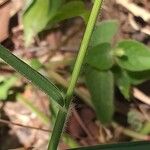
Panicum maximum
Elephant Grass · Gini Grass · Green Panic Grass · Guinea Grass · Bush buffalograss
Description
Source: leafsnapMegathyrsus maximus, known as Guinea grass and green panic grass, is a large perennial bunch grass that is native to Africa and Yemen. It has been introduced in the tropics around the world. It has previously been called Urochloa maxima and Panicum maximum. It was moved to the genus Megathyrsus in 2003.
🌳 Guinea grass is widely recognized for its role in improving soil quality and in controlling erosion. The dense root mat it forms helps bind the soil, thereby reducing runoff and soil loss. As it decomposes, it returns organic matter to the soil, which can improve fertility and soil structure, making it a valuable resource in sustainable agriculture and land reclamation projects.
Care Guide
💧 Water
Thriving in tropical climates, guinea grass prefers environments with high humidity and regular rainfall. It requires consistent moisture and should be watered twice a week to prevent drought stress and maintain proper hydration. Typically grown outdoors, guinea grass flourishes best in conditions that mimic its native habitat, particularly heavy rain periods during its active growing season.
What should I do if I give my Guinea grass too much or too little water?
Proper watering is crucial for the health of this beautiful ornamental grass. In the ground, any watering issues can be resolved. However, in a container, both overwatering and underwatering can quickly kill Guinea grass. When Guinea grass lacks the right amount of water, its growth may be stunted. Overwatering can cause yellow leaves with brown tips, while underwatering can result in drooping leaves, weak seed head production, and browning. If you suspect improper watering, the first step is to determine if it's receiving too much or too little water. If the grass is overwatered, stop watering immediately. Sometimes it takes weeks for heavy soils to dry out, so patience is necessary. Once new growth appears, test the soil for moisture and assess if it requires additional watering. The solution for underwatered Guinea grass is simpler: provide a deep drink and observe for any improvement. It's important to note that a long, deep watering is more beneficial than frequent shallow waterings. This promotes deep root growth, making the grass more resistant to drought and less prone to watering-related issues.
How frequently should I water my Guinea grass?
The watering requirements for Guinea grass vary depending on the planting location. In general, watering once a week is recommended. However, in hot climates during the summer, watering once or twice a week may be necessary. In moderate climates, watering once every seven days or even less may be sufficient. It's important to note that grass in containers typically requires more frequent watering compared to grass planted in the ground. Considering that Guinea grass can thrive in full sun or part shade, the location also plays a role in watering frequency. Grasses in shaded areas can be watered less frequently than those planted in the ground. It is crucial to water Guinea grass only when the soil is dry. Look out for signs such as dry soil when pressing your finger a couple of inches into it. For potted grass, you can also assess the weight of the container to determine if it's light due to lack of water. When the roots of the grass lack sufficient water, the blades may appear folded along their centers and thinner than usual. Although Guinea grass is drought-resistant, regular and deep waterings will result in vibrant color. In its natural habitat, Guinea grass grows in open scrubland exposed to extreme heat, intense sunlight, and sporadic rainfall. While you might assume that this grass never requires water due to its hardiness, it still needs care and attention. Gardeners agree that consistent watering is beneficial for Guinea grass, despite its ability to withstand harsh and dry conditions. After planting, Guinea grass will require more frequent watering until it establishes deep roots. In pots, the soil tends to dry out quickly, particularly if the container is exposed to hot, direct sunlight for long periods of time. It's recommended to test the soil every 3 to 4 days and water only when it feels dry. Guinea grass planted in the ground generally requires less watering, but this depends on the type of soil it's grown in. Heavy clay soil retains water for extended periods, so it may feel dry at the surface while still retaining enough moisture below ground. On the other hand, sandy soils that drain quickly will need to be watered more often.
What do I need to keep in mind when watering my Guinea grass in different seasons, climates, or during different growing stages?
Checking the rate of growth of your grasses can help determine if you are watering properly. Guinea grass, for example, tends to double in size during the hottest months. If the weather is hot but the grass isn't growing vigorously, it may be necessary to adjust your watering schedule. In winter, you might be able to water only once a month, but it's still important to test the soil for moisture. The grass will require more water during a growth cycle in the warmest months, while the need for water decreases significantly in winter and cooler months. Remember to always let the soil dry out completely before watering Guinea grass.
☀️ Light Full sun
Guinea grass flourishes well under plenty of sunlight and can manage in locations with limited sunlight. The plant's growth is improved by sunlight, however, too much exposure may cause it to dry out and its leaves to turn brown. Its preference for sunlight is evident in its natural habitat. A lack of sufficient sunlight can result in impaired growth.
What are the sunlight requirements for Guinea grass?
Guinea grass requires full sun to thrive, meaning it should receive above 6 hours of sunlight daily. However, it can also grow in partial sun, with about 3-6 hours of sunlight. It's important to watch how sunlight moves through your garden and choose spots that provide a balance of light and shade for your plants, ensuring their well-being. In its natural habitat, Guinea grass demonstrates a fondness for sunlight, which is crucial for its healthy growth. Nonetheless, excessive sun exposure might cause dehydration and browning of the leaves, while insufficient sunlight can lead to growth deficits.
How can artificial lighting supplement sunlight for indoor Guinea grass plants?
Indoor Guinea grass plants require adequate lighting for optimal growth, especially when natural sunlight is insufficient, like in winter or in less sunny spaces. Artificial lights, such as LED lights, can be customized to provide the specific wavelengths of light that plants need, offering a vital solution for their growth. Full sun plants need 30-50W/sq ft of artificial light, partial sun plants need 20-30W/sq ft, and full shade plants need 10-20W/sq ft. The light source should be placed 12-36 inches above the plant to mimic natural sunlight and most plants need 8-12 hours of light per day to mimic the length of natural daylight hours.
What are the symptoms of inadequate sunlight in Guinea grass?
Symptoms of inadequate sunlight in Guinea grass include smaller new leaves compared to mature ones, leggy or sparse growth, faster leaf drop, slower or no new growth, lighter-colored new leaves, and symptoms of too much sunlight like chlorosis, sunscald, leaf curling, wilting, and leaf scorching. These symptoms indicate that the plant is not receiving the ideal amount of sunlight, whether it's too little, leading to growth and health issues, or too much, causing damage and stress to the plant.
What solutions are available for addressing sunlight-related issues in indoor and outdoor Guinea grass?
To address sunlight-related issues, for indoor Guinea grass, gradually moving the plants to a sunnier location each week until they receive at least 6 hours of direct sunlight daily is recommended. Using a south-facing window and keeping curtains open during the day maximizes sunlight exposure. If the plant is large or not easily movable, consider using artificial light, keeping a lamp on for at least 8 hours daily or investing in professional plant grow lights. For outdoor Guinea grass, it's crucial to move your plants gradually to the best spot for sunlight to avoid sunburn. If sunlight is obstructed, consider pruning obstructions or transplanting smaller plants during their dormant period to a location with ample sunlight and good drainage. Both approaches aim to provide the plant with sufficient sunlight for healthy growth.
🌡️ Temperature 20–37.8°C
The indigenous habitat of Guinea grass features temperatures between 68 to 100 °F (20 to 38 ℃). The grass has a preference for hotter climates and might require a change in temperature during cooler seasons.
What is the native environment and temperature preference for Guinea grass?
Guinea grass, scientifically known as Panicum maximum, thrives in environments where the temperature ranges from 68 to 100 °F (20 to 38 °C). It is a heat-loving plant that prefers warmer climates and may require adjustments to colder conditions to maintain optimal growth. During colder seasons, especially in the autumn, it is recommended to move Guinea grass grown outdoors indoors to a location near a bright window, while ensuring it is kept at a safe distance from heaters to avoid damage. It's crucial to maintain temperatures above 20°C during winter for the plant's benefit, as temperatures nearing 5°C can be detrimental.
What are the effects of low temperatures on Guinea grass and how can they be mitigated?
Guinea grass does not tolerate low temperatures well, requiring a warm environment to thrive, ideally above 20°C. Exposure to temperatures below 1°C can result in leaves lightening in color, which, after frost damage, can turn brown or black as the plant exhibits wilting and drooping symptoms. To mitigate frost damage, trim the damaged parts and move the plant to a warm indoor environment for protection against cold. Placing the plant near a south-facing window can ensure ample sunlight, and it's important to avoid placing it near heaters or air conditioning vents to prevent excessive air dryness.
How does Guinea grass respond to high temperatures, and what measures should be taken?
During summer, it's crucial to keep Guinea grass' temperature below 38°C to prevent heat stress. If temperatures exceed 43°C, the plant's leaves may lighten in color and become more susceptible to sunburn. To address sunburn damage, trim away the affected dry parts and relocate the plant to a shaded area, particularly away from midday and afternoon sun. Additionally, watering the plant in the morning and evening helps keep the soil moist and supports the plant's health in high temperatures.
💨 Humidity
🪴 Soil 5-7
🌱 Fertilizer
For healthy new growth, Guinea grass necessitates extra nutrients. During the spring season, applying compost to the plant's base can efficiently supply the critical nutrition it requires. Fertilization assists in endorsing robust growth and equips the plant to resist diseases and pests.
Why is it necessary to put fertilizer on my Guinea grass?
Fertilizing Guinea grass is necessary for a few reasons. Firstly, the plant requires extra nutrients in order to promote healthy new growth. In addition, these added nutrients also contribute to the well-being of the existing growth and assist in protecting the plant against diseases and pests.
When should I put fertilizer on my Guinea grass?
To ensure the survival of Guinea grass in your garden, it is important to know when to fertilize it. Guinea grass is not a heavy feeder and does not need additional nutrients when it is dying back. So, it is not advisable to apply diluted fertilizer at the beginning of the growing season. Instead, it is better to use mulch or compost around the base of the plant.
When is it not a good idea to fertilize my Guinea grass?
If you're not using packaged fertilizers, you don't need to be concerned about when to stop feeding Guinea grass. Simply adding a layer of compost or mulch in the spring will suffice to keep the grass healthy all year long. It's unnecessary to mulch or compost during the winter when the plant is dormant, so no need to worry about that.
What kind of fertilizer does my Guinea grass need?
Instead of rushing to the garden center for fertilizer, you can skip it because guinea grass doesn't require additional nutrients. Instead, in the spring, laying down compost will provide the necessary nutrients. Additionally, if you mulch your garden every year, the bark will contribute to keeping your plant well-nourished and content.
How can I put fertilizer on my Guinea grass?
The steps for using mulch or compost with Guinea grass are the same. First, lay down a layer of the material, ensuring it covers the base of the plant. If using both mulch and compost, use less compost. Additionally, adding mulch serves two purposes: retaining soil moisture and providing nutrients for the plant.
🪴 Pot & Repot
✂️ Pruning
Guinea grass grows rapidly in dense clumps and benefits from pruning early in the spring. Important techniques for managing this grass include cutting back dead stems and thinning it out to improve airflow. It's crucial to maintain your tools properly to prevent infections, and regular pruning supports healthy growth and helps prevent disease.
🌿 Propagating
🐛 Diseases & pets
☠️ Toxicity
Characteristics
- Plant Type
- Grass
- Life Cycle
- Perennial, Annual, Biennial
- Genus
- Panicum
- Family
- Poaceae
- Hardiness Zone
- 10-12
- Mature Height
- 0.91 m to 3.05 m
- Mature Spread
- 30 cm
- Leaf Color
- Green, Dark Green
- Leaf Type
- Evergreen
- Flower Color
- Tan
- Flower Size
- 0.20 cm to 0.25 cm
- Bloom Time
- Late spring, Summer
- Planting Time
- Summer, Autumn
- Harvest Time
- Mid summer, Late summer, Early fall