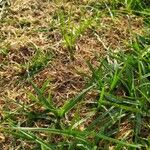
Panicum repens
Couch panicum · Torpedo grass · Victoria grass · Creeping panicgrass · Creeping witchgrass
Description
Source: leafsnapPanicum repens is a species of grass known by many common names, including torpedograss, creeping panic, panic rampant, couch panicum, wainaku grass, quack grass, dog-tooth grass, and bullet grass. Its exact native range is obscure. Sources suggest that the grass is native to "Africa and/or Asia", "Europe or Australia", "Eurasia", "Australia", "Europe, Asia, and Africa", or other specific regions, including the Mediterranean, Israel, and Argentina. It is present in many places as an introduced species and often a noxious weed. It has been called "one of the world's worst weeds."
Care Guide
💧 Water Twice per week
Quack grass flourishes in consistently moist conditions and typically needs to be watered twice a week. While it is moderately drought-tolerant, regular rainfall during the growing season helps it maintain its vibrant growth, highlighting its adaptation to wetland habitats.
What do I need to do if I give my Quack grass too much or too little water?
If your grass is turning yellow or pale green, it may be because it is being overwatered. Quack grass is generally tolerant of different soil types but it does not do well in soil that does not drain well. Avoid planting this grass in marshy areas or where the ground feels spongy. If you need to water your lawn, it is better to give it less water rather than too much. This is because Quack grass thrives when it is allowed to dry out before being watered again. Excessively wet soil can lead to the growth of fungus and create a favorable environment for insects and weeds. Although heavy rainfall is unlikely to cause problems for Quack grass, long-term overwatering can cause the plant to suffer and even die off. On the other hand, Quack grass has the advantage of being able to survive with little water due to its ability to conserve water. It has a deep root system which allows it to use groundwater if it has not been watered for a while. During drought conditions, the grass may turn yellow and become crispy, but it can recover once the dry spell is over. This ability to bounce back from various conditions is one of the reasons why Quack grass is popular among many people.
How should I water Quack grass?
In most places where grass is used in landscaping, there is usually enough rainfall to maintain its appearance without additional watering. However, if you live in a very dry climate or experience a long drought, Quack grass may die out without sufficient watering. During winter, the grass goes dormant and may appear dead, but it still needs some moisture to avoid becoming completely dehydrated. In the spring, it will regrow as the weather warms up. For Quack grass, a general guideline is to water it with about an inch of water every week. It is better to give the grass a thorough drenching in a short amount of time rather than a slow and steady drip. This helps promote a stronger and deeper root system. When first planting the grass, it has more specific watering requirements. For the first 3 to 4 weeks, the young grass needs to be kept moist to establish itself. Late spring to early summer is the best time to plant Quack grass as there tends to be ample rainfall. However, if your area experiences a dry spell shortly after planting, it is recommended to cover the grass to prevent water evaporation or to water the lawn to keep the soil moist.
What things should I think about when I water my Quack grass?
How often Quack grass needs to be watered is determined by factors such as environmental conditions, soil type, and drainage. If your lawn has sandy soil that doesn't hold much moisture, regular irrigation may be necessary to maintain the grass's appearance. On the other hand, clay soils, which have slow drainage and retain more water, generally require less additional watering. However, excessive moisture can be detrimental to Quack grass, as it is sensitive to an abundance of water around its roots.
☀️ Light Full sun
Quack grass prefers abundant sunlight but can tolerate conditions where the light is partly filtered. Its original habitat was strongly lit, which encouraged healthy growth. However, too much or too little light can harm the plant's health.
What are the sunlight requirements for Quack grass?
Quack grass requires generous amounts of sunlight to flourish, thriving in environments that offer full sun exposure of more than 6 hours of sunlight daily or partial sun with about 3-6 hours of sunlight. It's important to watch how sunlight moves through your garden and choose planting spots that ensure the right balance of light and shade, accommodating the plant's needs and promoting its health.
How does artificial lighting affect Quack grass growth indoors?
Artificial lighting can significantly benefit Quack grass growth indoors, especially when natural sunlight is insufficient. Indoor plants require adequate lighting for optimal growth, with LED lights being a popular and efficient choice because they provide the specific wavelengths needed by plants. Full sun plants need 30-50W/sq ft, partial sun plants require 20-30W/sq ft, and full shade plants should have 10-20W/sq ft of artificial light. The light source should be placed 12-36 inches above the plant and kept on for 8-12 hours per day to mimic natural daylight hours.
What symptoms indicate Quack grass is getting too little or too much sunlight?
Symptoms of insufficient sunlight in Quack grass include smaller new leaves, leggy or sparse growth, accelerated leaf drop, halted new growth, and paler new leaves. Conversely, too much sunlight can lead to chlorosis (yellowing leaves), sunscald, leaf curling, wilting, and leaf scorching. These symptoms reflect the plant’s struggle to adapt to its light conditions, either conserving resources in low light or suffering damage from excessive exposure.
What solutions can help Quack grass adapt to lighting conditions?
To help Quack grass adapt to optimal lighting conditions, gradually move indoor plants to a sunnier spot to receive at least 6 hours of direct sunlight, utilizing south-facing windows and artificial lights if necessary. For outdoor plants, introducing them to sunnier spots gradually prevents sunburn, emphasizing the importance of avoiding sudden changes in light intensity. If your garden has obstructions like trees blocking sunlight, consider pruning to allow more light through or transplanting smaller plants during their dormant period to brighter locations with good drainage.
🌡️ Temperature 15–37.8°C
Quack grass is native to temperate regions and grows best at temperatures between 59 and 100.4 °F (15 to 38 ℃). It prefers warmer seasons and can be sensitive to temperatures below this range. Care should be taken to bring the plant indoors during colder months.
What climate conditions are ideal for Quack grass?
Quack grass is naturally suited to regions with a temperate climate, thriving in temperatures ranging from 59 to 100.4 °F (15 to 38 °C). This grass prefers warmer seasons and exhibits some degree of cold tolerance. It generally does well without any special care when the temperature is above -5°C but requires protection when temperatures drop below this. Careful attention should be given to move Quack grass indoors or to protect it during the colder months to ensure its survival and health.
How does Quack grass react to low temperatures?
Quack grass has a moderate tolerance to low temperatures, performing best when the mercury stays above 15°C. During the colder winter months, it's crucial to ensure the temperature remains above -5°C. If temperatures plunge below -10°C, you might notice the grass's leaves beginning to droop. While mild effects can see the grass recover, more severe cold snaps can cause the leaves to wilt and eventually drop off. To mitigate frost damage, it's advisable to trim off frost-damaged parts and wrap the plant in materials like non-woven fabric or cloth, besides setting up a wind barrier for added protection against cold winds.
What should be done if Quack grass is exposed to high temperatures?
In the summer, keeping Quack grass below 38°C is essential to prevent stress from high temperatures. Exposure to temperatures exceeding 43°C can result in discoloration, with leaves turning lighter, experiencing dryness at the tips, curling, and becoming more prone to sunburn. If such symptoms occur, it's beneficial to trim away the sunburned and dried-up parts immediately. Moving the plant to an area with shade during the midday and afternoon sun or utilizing a shade cloth can provide much-needed relief. Additionally, to maintain optimal moisture levels in the soil, it's recommended to water the plant during the cooler morning and evening hours.
💨 Humidity
🪴 Soil 6-7
🌱 Fertilizer
Quack grass is a warm-season grass that grows vigorously in summer and goes dormant in winter. Fertilizing is essential for thick growth, a bright green color, and tolerance to stresses like heat, drought, and cold. Lawns left without care become weak and thin, and are open to invasion by unwanted grasses, weeds, insects, and diseases.
Why should I put fertilizer on my Quack grass?
Fertilizing Quack grass is important because it promotes strong and thick growth. A well-nourished lawn that is healthy and thriving can maintain density, vibrant green color, and recover well from damage caused by pests or machinery. It is also better equipped to handle seasonal stressors such as heat, drought, and cold temperatures. On the other hand, if a lawn is under-fertilized and unhealthy, it will gradually lose density and become thin, which allows unwanted grasses and weeds to take over. Moreover, malnourished lawns are more susceptible to insect and disease issues.
When should I fertilize my Quack grass for the best results?
Quack grass is a warm-season grass that primarily grows during the hottest part of summer and becomes dormant in the cooler winter season. To best support its growth, it is recommended to fertilize quack grass immediately after it comes out of dormancy and continue fertilizing throughout the growing season until just before it goes dormant again in the fall.
When is the best time to not fertilize my Quack grass?
Fertilizer can sometimes harm Quack grass instead of helping it, especially if the plant is already stressed. If the grass is struggling with diseases like leaf spot, pythium, large patch, brown patch, or fairy rings, or insect problems like grubs, chinch bugs, or armyworms, it's best to avoid fertilizing. This is because fertilizer can weaken the grass's defenses, making it more susceptible to further pest or disease issues. Additionally, avoid fertilizing Quack grass when it's dormant in the winter; wait until it's actively growing. In the summer, try not to fertilize during the hottest part of the day to prevent fertilizer burn. After a rainstorm, allow the soil to dry out for a day or two before applying fertilizer to minimize runoff and potential water contamination.
What kind of fertilizer should I use for my Quack grass?
To properly fertilize Quack grass, it is best to use designated lawn or turf fertilizers instead of all-purpose garden fertilizers like a 12-12-12 blend. Turf blends typically have higher levels of nitrogen and lower levels of phosphorus and potassium. This nutrient ratio is beneficial for the lawn as it provides what it needs without causing harm. Lawn fertilizers usually have nutrients that are slowly released, ensuring a steady and long-lasting feeding for the grass. Among the nutrients, nitrogen is particularly important for established lawns as it promotes overall growth and vibrant green color. On the other hand, Quack grass requires phosphorus and potassium for robust stem and root development, resistance to drought, tolerance to extreme temperatures, and natural defense against pests and diseases.
How do I make my Quack grass grow better?
To maintain a healthy lawn, start by fertilizing it in early spring when it wakes up from winter dormancy and regains its green color. Depending on your local climate, this usually occurs during the early part of spring. Throughout the spring, summer, and early fall, continue to apply fertilizer every four to eight weeks. However, as the Quack grass begins to go dormant in the fall, around four weeks before the first autumn frost, it is important to stop fertilizing. When applying fertilizers, always follow the directions on the label for the recommended rates or consider applying based on soil test recommendations. Lastly, make sure to water the product well into the soil after fertilizing.
🪴 Pot & Repot
✂️ Pruning
Quack grass is an invasive plant that spreads rapidly, so it's important to prune it in early spring to encourage healthier regrowth and control its spread. Pruning later in the season helps manage overcrowding, improves air circulation, and maintains a balanced garden ecosystem. Regular maintenance is crucial for ensuring optimal growth and balance.
🌿 Propagating
🐛 Diseases & pets
☠️ Toxicity
Characteristics
- Plant Type
- Grass
- Life Cycle
- Perennial
- Genus
- Panicum
- Family
- Poaceae
- Hardiness Zone
- 8-11
- Mature Height
- 1.22 m
- Mature Spread
- 30 cm to 61 cm
- Leaf Color
- Green, Blue
- Leaf Type
- Semi-evergreen
- Flower Color
- White, Yellow, Green, Brown
- Flower Size
- 12.70 cm to 15.24 cm
- Bloom Time
- Summer, Early fall, Mid fall
- Planting Time
- Spring, Summer, Autumn
- Harvest Time
- Late summer, Fall, Early winter
- Native Area
- Sri Lanka, Libya, Egypt, Turkey, Malaysia, India, Angola, Namibia, Madagascar, Rwanda, Pakistan, Montenegro, Nigeria, Morocco, Yemen, Kenya, Uganda, Tanzania, Zimbabwe, Niger, Mali, Guinea-Bissau, Benin, Iraq, Sierra Leone, Indonesia, Equatorial Guinea, Cameroon, Liberia, Burundi, Ghana, Ethiopia, Botswana, Portugal, Nepal, Saudi Arabia, France, Congo, Central African Republic, Tunisia, South Africa, Sudan, Philippines, Mauritania, Cyprus, Greece, Guinea, Lebanon, China, Syria, Italy, Spain, Myanmar, Japan, Togo, Senegal, Eswatini, Singapore, Côte d'Ivoire, Algeria, Albania, Congo (DRC), Gabon