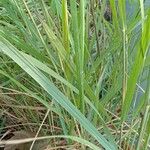
Panicum virgatum
Blackwell Switchgrass · Blackwell switch grass · Switch grass · Old Switch Panic Grass · Old Switch Panicgrass
Description
Source: leafsnapPanicum virgatum, commonly known as switchgrass, is a warm-season perennial grass native to North America. This versatile plant can grow up to 8 feet tall and features a deep root system, making it drought-tolerant and resilient in harsh weather conditions. Switchgrass is widely used for forage, erosion control, and as a biofuel crop, thanks to its high biomass production. Additionally, it provides valuable habitat for wildlife such as birds and small mammals. Research has shown that switchgrass holds promise in phytoremediation because of its ability to absorb heavy metals from contaminated soil. Overall, Panicum virgatum is a significant plant species with numerous applications in agriculture and environmental conservation efforts.
🌳 Besides enhancing the appearance of prairies, switchgrass is important for renewable energy. As a leading biofuel crop, it produces large quantities of biomass essential for biofuel production. This "energy grass" reduces reliance on fossil fuels by transforming part of our everyday waste into sustainable energy.
Care Guide
💧 Water Every 7 days
Switchgrass flourishes in prairie habitats, demonstrating excellent drought tolerance and moderate watering needs. It thrives best with watering twice a week and gains additional benefits from rainwater. During the growing season, it can handle the occasional missed watering. For optimal growth, it prefers well-drained conditions.
What should I do if I give my Switchgrass too much water or not enough water?
Proper watering is crucial for the optimal performance of this beautiful ornamental grass. If grown in the ground, watering issues can be resolved. However, when grown in a container, excessive or insufficient water can quickly kill Switchgrass. When Switchgrass does not receive the right amount of water, growth may be stunted. Overwatering may cause yellow leaves with brown tips, while underwatering can result in drooping leaves, weak seed head production, and browned leaves. If you suspect improper watering, the first step is to determine if there is too much or too little water. If there is excessive water, stop watering immediately. It may take several weeks for wet soils to dry out, so patience is necessary. Once new growth is observed, test the soil for moisture and decide if additional watering is needed. On the other hand, if there is insufficient water, simply give the grass a deep drink and observe if it improves. Remember that long, deep watering is better than frequent shallow watering. This encourages Switchgrass to develop deep roots, making it more resistant to drought and less susceptible to watering-related issues.
How often do I need to water my Switchgrass?
Switchgrass watering needs depend on its location. Generally, watering once a week is recommended. In hot climates, watering once or twice a week in summer may be necessary. In moderate climates, watering once every seven days or more may suffice. Grass in containers typically requires more frequent watering than grass in the ground. However, the specific location of Switchgrass, which can tolerate full sun or part shade, also affects watering frequency. Shaded grasses need less frequent watering than grasses in the ground. Only water Switchgrass when the soil is dry. Key signs to determine when to water include pressing your finger a couple of inches into the soil or weighing potted grass to check for lightness. Insufficient water may cause the blades to appear folded and thin. Despite its drought tolerance, regular, deep waterings enhance the grass's color. While Switchgrass can handle extreme heat and intermittent rain in its natural habitat of open scrubland, it still requires care. Consistent watering is beneficial even for this hardy grass. Initially, Switchgrass needs more frequent watering to establish deep roots. Soil in pots dries out quickly, especially when exposed to hot, direct sun. Test the soil every 3 to 4 days and water only when it feels dry. In-ground Switchgrass generally requires less watering, depending on the type of soil. Clay soil can retain moisture even if it feels dry at the surface, while sandy soil drains quickly and needs more frequent watering.
What things should I watch out for when watering my Switchgrass in different seasons, climates, or during different stages of growth
To determine if you are watering your grass enough, pay attention to how quickly it grows. Switchgrass, for example, can double in size in just one year, particularly during the hottest months. If you notice that the grass isn't growing vigorously despite the hot weather, your watering schedule may need adjusting. During winter, you can potentially water just once a month, but it's still important to check the soil for moisture. During the warmest months, when the grass is in a growth cycle, it will require more water than usual. However, during winter and cooler months, the water needs will be significantly reduced. Remember that it's crucial for the soil to completely dry out before adding water when dealing with Switchgrass.
☀️ Light Full sun
Switchgrass does best with abundant sunlight and can also tolerate less sunny conditions, reflecting its origin in open fields. Ample sunlight is necessary for healthy growth, although too much can hinder development. The level of sun exposure it needs remains the same across its different growth stages.
What are the sunlight requirements for growing switchgrass?
Switchgrass requires full sun, meaning it needs above 6 hours of sunlight daily, but it can also tolerate partial sun conditions, receiving about 3-6 hours of sunlight. It's important to monitor the movement of sunlight through your garden to find the ideal spot for your plants that provides a balance of light and shade. Proper sun exposure is crucial for the health and proliferation of switchgrass, which originates from open fields. However, excessive sunlight can impede its growth. Throughout different growth stages, the sun exposure required by switchgrass remains constant.
How can artificial lighting support indoor switchgrass growth?
Indoor plants, including switchgrass, require adequate lighting for optimal growth, especially when natural sunlight is insufficient, such as in winter or in less sunny spaces. Artificial lights, like LED lights which can be customized to provide specific wavelengths, offer a vital solution. For plants needing full sun, 30-50W/sq ft of artificial light is recommended, while partial sun plants need 20-30W/sq ft, and full shade plants require 10-20W/sq ft. The artificial light source should be placed 12-36 inches above the plant, mimicking natural sunlight conditions, and most plants benefit from 8-12 hours of light per day.
What are the symptoms of inadequate sunlight exposure in switchgrass?
Symptoms of insufficient sunlight in switchgrass include smaller new leaves, leggy or sparse growth, faster leaf drop, slower or no new growth, lighter-colored new leaves, chlorosis (leaves turning yellow), sunscald (damaged leaves or stems from intense sunlight), leaf curling as a defense mechanism against excessive sunlight, wilting due to excessive water loss, and leaf scorching characterized by brown, dry edges on leaves. These symptoms indicate that the switchgrass is not receiving the optimal sunlight needed for healthy growth.
What solutions can help switchgrass get enough sunlight?
For outdoor switchgrass, gradually moving the plants to sunnier locations each week is recommended to avoid sunburn, allowing them to adapt to changes in light intensity. Insufficiently sunlit parts may not recover, but new growth will be healthy with increased light exposure. Indoor plants can be moved to a south-facing window for at least 6 hours daily or supplemented with artificial light for 8 hours daily. If obstructions like trees block sunlight, pruning can help. Transplanting smaller plants to a sunnier location with good drainage during their dormant period is also effective. The overarching goal is to ensure that switchgrass has access to ample sunlight, whether through natural or artificial means.
🌡️ Temperature 5–35°C
Switchgrass is a perennial crop that performs well across a broad spectrum of temperatures. Its native range extends from subtropical to temperate zones, with optimal temperatures between 41 and 95 ℉ (5 to 35 ℃). During the growing season, conditions of 68 to 77 ℉ (20 to 25 ℃) are most favorable. In winter, switchgrass can withstand temperatures down to 23 to 28 ℉ (-5 to -2 ℃) and continue to grow. It is advised to modify temperatures during this time to avoid frost damage.
What is Switchgrass and where does it thrive?
Switchgrass, botanically known as Panicum virgatum, is a perennial crop recognized for its versatility and resilience across a broad spectrum of climatic conditions. Native to environments that range from subtropical to temperate, it flourishes in temperatures between 41 to 95 °F (5 to 35 °C). The plant's optimal growth temperatures during the season are from 68 to 77 °F (20 to 25 °C). Notably, switchgrass demonstrates significant cold resistance, effectively tolerating winter temperatures down to 23 to 28 °F (-5 to -2 °C) without the cessation of growth. This resilience allows switchgrass to maintain its vigor without the need for special frost protection measures, even though additional precautions may be warranted if temperatures are anticipated to plummet below -25°C.
How should I protect Switchgrass during very cold winters?
In regions where winter temperatures are expected to fall below -25°C, it's crucial to implement measures to safeguard switchgrass against the cold. An effective strategy involves covering the plant with insulating materials such as soil or straw to provide thermal protection. To further enhance its cold defense, it's recommended to water the plant abundantly before the initial freeze in autumn, ensuring the soil remains moist and enters a frozen state. This practice helps to mitigate drought and water scarcity for the plant during winter and the onset of spring, thereby supporting its health and vitality.
What are the key symptoms of temperature stress in Switchgrass?
Switchgrass exhibits distinct symptoms when exposed to temperature extremes beyond its tolerance thresholds. During the winter, if the temperature drops below -25°C, the plant may not show immediate signs of distress; however, this can lead to a reduction or absence of sprouting in spring. Such conditions necessitate the removal of parts that failed to sprout. In contrast, summer temperatures exceeding 35°C can cause the leaves to lighten in color, curl, experience sunburn, or in extreme cases, lead to the entire plant wilting and drying. Addressing these symptoms involves trimming sunburned and dried parts, relocating the plant to a shaded area or utilizing shade cloth to protect it from midday and afternoon sun, and ensuring the soil remains moist through morning and evening watering sessions.
💨 Humidity
🪴 Soil 5-7
🌱 Fertilizer
Switchgrass needs extra nutrients to encourage healthy new growth. In spring, putting some compost around the plant’s base can effectively supply the nutrients it requires. Fertilizing helps support vigorous growth and boosts the plant’s ability to resist diseases and pests.
Why is it important to add fertilizer to my Switchgrass?
Fertilizing Switchgrass is important for several reasons. Firstly, it provides your plant with the necessary nutrients for healthy new growth. Secondly, the additional nutrients also support the well-being of the older growth, and they can even aid in the plant's defense against diseases and pests.
When should I put fertilizer on my Switchgrass?
To ensure the survival of Switchgrass in the garden, it is important to know when to fertilize. Unlike heavy feeders, Switchgrass does not need extra nutrients when it is dying back. While diluted fertilizer can be applied at the beginning of the growing season, it is not advisable. Instead, it is recommended to lay down mulch or compost around the base of the plant.
When is it not a good idea to add fertilizer to my Switchgrass?
If you're not using packaged fertilizers, there's no need to be concerned about when to stop feeding Switchgrass. Simply adding a layer of compost or mulch in the spring will be sufficient to keep Switchgrass healthy all year round. During the plant's dormant winter period, there's no need to worry about mulching or composting.
Which fertilizer is best for my Switchgrass?
Instead of buying fertilizer for switchgrass, you can simply put down compost in the spring to give it the necessary nutrients. Additionally, if you mulch your garden yearly, the bark will also help feed and keep your plant happy. So there's no need to rush out to the garden center.
How should I put fertilizer on my Switchgrass?
When working with Switchgrass, the steps for using mulch or compost are the same. First, carefully apply a layer of either material to cover the base of the plant. If you choose to use both, remember to decrease the amount of compost. Adding mulch has dual benefits - it helps the soil retain moisture and provides nourishment to the plant.
🪴 Pot & Repot
✂️ Pruning
It is advisable to prune the leaves extensively in late winter or early spring to promote healthy new growth.
🌿 Propagating
🐛 Diseases & pets
☠️ Toxicity
Switchgrass is a good place for cattle to graze, but horses, sheep, and goats should not eat it because it contains chemicals called saponins that are bad for them. These chemicals induce photosensitivity as well as damage to the liver in the aforementioned species.
Characteristics
- Plant Type
- Grass
- Life Cycle
- Perennial
- Genus
- Panicum
- Family
- Poaceae
- Hardiness Zone
- 5-9
- Mature Height
- 0.91 m to 2.44 m
- Mature Spread
- 61 cm to 91 cm
- Leaf Color
- Green, Blue, Yellow, Brown, Red, Purple
- Leaf Type
- Deciduous
- Flower Color
- Pink, Green, Purple, Brown, Yellow
- Flower Size
- 2.54 cm
- Bloom Time
- Early summer, Mid summer
- Planting Time
- Spring, Summer
- Harvest Time
- Mid summer, Late summer, Early fall
- Native Area
- Cuba, Honduras, Mexico, El Salvador, Nicaragua, Costa Rica