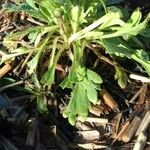
Papaver alpinum
Austrian poppy · Alpine poppy · Rhaetian poppy · Dwarf poppy · Alpine Papaver
Description
Source: leafsnapPapaver alpinum, commonly known as the Alpine poppy, is a perennial flowering plant that belongs to the Papaveraceae family. Native to the mountainous regions of Europe and Asia, it thrives in rocky areas, meadows, and alpine slopes. The plant typically grows up to 30 cm in height and features a basal rosette of lobed leaves that are hairy on both sides. The flowers of Papaver alpinum are striking, with four petals that vary in color from white to pink or purple. They bloom from late spring through early summer, attracting pollinators such as bees and butterflies. Papaver alpinum prefers well-drained soil and full sun exposure but can tolerate partial shade. While it is drought-tolerant once established, it does require regular watering during its growing season. Historically, the plant has been used for its medicinal properties, particularly for pain relief. However, caution is advised, as it contains alkaloids that can be toxic if ingested in large quantities. Overall, Papaver alpinum is a beautiful addition to any garden or landscape, thanks to its attractive flowers and low maintenance needs.
Care Guide
💧 Water
☀️ Light Full sun
🌡️ Temperature 0–35°C
💨 Humidity
🪴 Soil 6-7
🌱 Fertilizer
🪴 Pot & Repot
✂️ Pruning
🌿 Propagating
🐛 Diseases & pets
☠️ Toxicity
Characteristics
- Plant Type
- Herb
- Life Cycle
- Perennial, Annual, Biennial
- Genus
- Papaver
- Family
- Papaveraceae
- Hardiness Zone
- 3-9
- Mature Height
- 5 cm to 20 cm
- Mature Spread
- 0 cm to 10 cm
- Leaf Color
- Green, Blue
- Leaf Type
- Deciduous
- Flower Color
- White, Yellow, Red, Orange
- Flower Size
- 5.08 cm
- Bloom Time
- Late spring, Early summer, Mid summer
- Planting Time
- Autumn
- Harvest Time
- Mid summer, Late summer