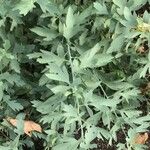
Papaver atlanticum
Moroccan poppy · Atlas poppy · Atlantic poppy · Spanish poppy
Description
Source: leafsnapPapaver atlanticum, commonly known as Atlantic poppy, is a perennial flowering plant belonging to the Papaveraceae family. It is native to the Atlas Mountains of Morocco and Algeria in North Africa. This plant typically grows up to 30 cm in height and features a basal rosette of lobed, gray-green leaves. The flowers of Papaver atlanticum are large and striking, with four petals that can range from pale pink to deep red-orange. Each flower has a prominent black spot at the center, surrounded by yellow stamens. These vibrant blooms appear from late spring through early summer. Papaver atlanticum thrives in well-drained soil and full sun, though it can tolerate partial shade. While it is drought-tolerant once established, it requires regular watering during its growing season. Indigenous people have used this plant for medicinal purposes for centuries due to its analgesic properties, which can help alleviate pain from various ailments, such as headaches or toothaches. Overall, Papaver atlanticum is an attractive perennial with showy flowers that add color and interest to any garden or landscape. Additionally, it has potential medicinal benefits, making it a worthwhile addition to both ornamental and functional plantings.
Care Guide
💧 Water Every 7 days
The Atlas poppy is well-adapted to arid regions and is highly drought-tolerant. For optimal growth, it needs to be watered weekly. During dry spells, the plant conserves water by shedding its leaves, showcasing its natural resilience.
☀️ Light Full sun
Atlas poppy is a perennial herbaceous plant that loves sunlight and comes from open habitats, often doing well in meadows and grasslands. It prefers full sun but can tolerate partial sun.
🌡️ Temperature 5–35°C
Atlas poppy can tolerate a wide range of temperatures, although its range may still be constrained by different combinations of moisture and heat. It performs best in warm summer climates with sufficient rainfall or watering. Extended periods of cloudy, rainy weather or sustained high temperatures can raise the chance of the Atlas poppy dying. In winter, protecting it from cold can increase the plant's survival.
💨 Humidity
🪴 Soil 6-7
🌱 Fertilizer
The best time to fertilize an Atlas poppy is in early spring, as it comes out of dormancy and begins active growth. Fertilization supplies essential nutrients for healthy growth. Although the Atlas poppy has relatively low fertilizer needs, giving it fertilizer annually can improve its survival and encourage better, longer-lasting flowers.
🪴 Pot & Repot
To thrive, the Atlas poppy needs pots with excellent drainage. This prevents the roots from becoming waterlogged, which can lead to rot.
✂️ Pruning
The Atlas poppy is a perennial plant known for its delicate, crepe-paper-like flowers. To maintain its health and encourage vibrant blooms, prune the plant from early to late spring. Focus on removing spent blooms and damaged stems. This practice enhances air circulation, reduces the risk of disease, and supports the plant's growth cycle.
🌿 Propagating
🐛 Diseases & pets
☠️ Toxicity
Characteristics
- Plant Type
- Herb
- Life Cycle
- Perennial
- Genus
- Papaver
- Family
- Papaveraceae
- Hardiness Zone
- 5-9
- Mature Height
- 46 cm
- Mature Spread
- 46 cm
- Leaf Color
- Green, Gray, Silver
- Leaf Type
- Deciduous
- Flower Color
- Orange
- Flower Size
- 5.08 cm to 6.35 cm
- Bloom Time
- Mid spring, Late spring, Summer, Fall
- Planting Time
- Spring, Summer, Autumn
- Harvest Time
- Summer, Fall, Early winter