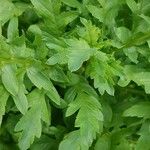
Papaver cambricum
Welsh Poppy · Poppy
Description
Source: leafsnapPapaver cambricum, synonym Meconopsis cambrica, the Welsh poppy, is a perennial flowering plant in the poppy family Papaveraceae. It has yellow to orange flowers and is widely grown as a garden plant. It is a native of damp, rocky sites in upland areas of Western Europe from the British Isles to the Iberian Peninsula. It has been used since 2006 as the basis for the logo of the political party Plaid Cymru.
🌳 The Welsh poppy is an intriguing perennial plant, known for its cup-shaped flowers in shades of yellow or orange, which have a silky texture. It is a popular choice for gardens, particularly well-suited for beds, borders, cottage gardens, and meadows. This plant is resistant to most pests and diseases, with slugs being its only significant threat. Like many wild poppies, the Welsh poppy self-seeds easily and can spread beyond the garden. To prevent it from becoming invasive, it's recommended to deadhead the flowers regularly.
Care Guide
💧 Water
The Welsh poppy thrives in moist, shady environments and requires regular weekly watering to support its growth. Although it prefers consistent moisture, it can tolerate short dry spells. Providing sufficient water during the growing season is crucial for optimal flowering and maintaining overall health.
How should I water my Welsh poppy?
To properly water the Welsh poppy, it is recommended to use filtered water at room temperature. Tap water should be avoided as it may contain harmful particles. Since the Welsh poppy originates from warm environments, it is sensitive to cold water. Therefore, it is best to use water that is at room temperature or slightly warm. Additionally, overhead watering should be avoided as it can lead to issues with the foliage. Instead, it is preferable to directly apply the filtered room temperature water to the soil until it is fully saturated. This method benefits the plant by moistening the roots and facilitating their spread in the soil to absorb the necessary nutrients.
What do I do if I give my Welsh poppy too much water or not enough water?
Overwatering and underwatering can harm your Welsh poppy, but overwatering is more common. When the plant gets too much water, the stems and leaves may wilt and turn yellow. Overwatering for a long time can cause diseases like root rot, mold, and mildew, which can kill the plant. Underwatering is less likely with the Welsh poppy because it tolerates drought well. However, it can still happen, causing brittle and brown leaves. It's important to detect overwatering signs early and take action to prevent irreversible damage like root rot. If you notice early signs, reduce watering immediately and check the soil quality. Replace poorly draining soil with a loose, well-draining potting mix. If you see signs of underwatering, simply water more regularly until the signs go away.
How many times do I need to water my Welsh poppy?
If your Welsh poppy is in a pot, you can determine if it needs water by checking the moisture level of the soil. Stick your finger into the soil and if the top two to three inches are dry, it's time to water it. For Welsh poppies grown outdoors in the ground, you can use a similar method to test the soil. When the first few inches of soil have dried out, it's time to water. Typically, during spring and early fall, you'll need to water this plant about once a week using this method. However, in extremely hot weather, you may need to water it twice or more per week. It's worth noting that mature, well-established Welsh poppies have a remarkable ability to withstand drought.
How much water does my Welsh poppy require?
To properly water your Welsh poppy, it's important to be generous with the amount of water you give. If the first two to three inches of soil are dry, it's best to thoroughly soak the soil. Make sure to provide enough water so that it flows through the drainage holes at the bottom of the pot. If you don't see excess water draining, it means you haven't watered enough. However, be careful not to let water accumulate in the soil, as this can harm the plant. On the other hand, if water doesn't drain through the pot, it could be a sign of poorly draining soil, which is not good for the plant. If the plant is outside, around 1 inch of rain per week should be sufficient.
How do I water my Welsh poppy as it grows?
The water needs of the Welsh poppy can vary depending on its growth stages. When the plant is young or has just been transplanted, it requires more water. This is because during these stages, the Welsh poppy focuses its energy on developing new roots that will support future growth. These newly forming roots need extra moisture to thrive. As the plant matures, it will require less water. However, during the bloom period, the Welsh poppy might need additional water as the flower development requires a significant amount of moisture.
☀️ Light Partial sun
Reflecting the conditions of its native habitat, the Welsh poppy requires moderate sunlight to maintain healthy growth. Excessive sun exposure can cause wilting, while insufficient light may prevent flowering and impede overall development. At every stage of growth the plant consistently needs and thrives in ambient light conditions rather than harsh sunlight.
What are the sunlight requirements for Welsh poppy?
Welsh poppy thrives with moderate exposure to sunlight, requiring about 3-6 hours of sunlight daily to promote healthy growth and flowering. It's important to observe the movement of sunlight through your garden to find spots that offer a balance of light and shade, suitable for the plant's needs. Excessive sunlight can lead to wilting, whereas inadequate sunlight might prevent the plant from blooming and growing properly. The Welsh poppy flourishes in ambient light conditions, avoiding the extremities of harsh sunlight.
How do artificial lighting conditions affect the growth of indoor Welsh poppies?
When natural sunlight is insufficient for indoor Welsh poppies, especially during winter or in less sunny spaces, artificial lighting becomes a crucial alternative to ensure optimal growth. The right type of artificial light, such as LED lights, should be chosen because they can be customized to provide specific wavelengths needed by plants. Full sun plants require 30-50W/sq ft of artificial light, partial sun plants need 20-30W/sq ft, and full shade plants need 10-20W/sq ft. The artificial light should be placed 12-36 inches above the plant to mimic natural sunlight and be left on for 8-12 hours per day to simulate natural daylight hours.
What are common symptoms of insufficient light in Welsh poppies, and how can they be addressed?
Welsh poppies may show several symptoms when exposed to insufficient light, including smaller new leaves, leggy or sparse growth, faster leaf drop, slower or halted growth, lighter-colored new leaves, chlorosis, sunscald, leaf curling, wilting, and leaf scorching. To address these issues indoors, gradually shift the plants to sunnier spots or use artificial light, ensuring they receive 3-6 hours of direct sunlight daily or at least 8 hours of artificial light. Outdoors, plants should be moved gradually to receive adequate sunlight, avoiding sudden changes that may cause sunburn. Additionally, identifying and reducing obstructions that block sunlight, such as pruning trees, or transplanting smaller plants to sunnier locations can improve light exposure.
🌡️ Temperature 0–35°C
Welsh poppy originates from habitats where temperatures range from 32 to 95 °F (0 to 35 ℃). It handles these conditions naturally, but if grown in areas outside this preferred temperature range it may need mitigation during extreme seasonal shifts.
What is the native temperature range for Welsh poppy?
The Welsh poppy is native to environments where temperatures fluctuate between 32 to 95°F (0 to 35°C). It copes well within these temperature limits naturally but may need mitigation during extreme seasonal changes if planted in regions outside of this preferred temperature range. The plant has strong cold resistance, meaning special frost protection measures are typically not necessary. However, in extremely cold winters where temperatures are expected to drop below -35°C, it is important to provide cold protection using materials such as soil or straw.
What are the symptoms and solutions for Welsh poppy under low temperatures?
Welsh poppy is cold-tolerant and thrives best when temperatures stay above 0°C. During winter, it's crucial to keep the temperature above -30°C to prevent damage. If temperatures fall below -35°C, the plant may not show noticeable changes during winter, but there could be a decrease in sprouting or even no sprouting at all in the spring. To mitigate this, any parts of the plant that failed to sprout in the spring should be removed.
How does Welsh poppy react to high temperatures, and what are the solutions?
In the summer, it's vital to ensure Welsh poppy stays below 35°C. Temperatures exceeding 38°C can cause leaves to become lighter in color, prone to curling, susceptible to sunburn, and in severe cases, the plant may wilt and become dry. Solutions include trimming away any sunburned and dried-up parts, moving the plant to a location with shade during midday and afternoon sun, or creating shade with a cloth. Additionally, watering the plant in the morning and evening to maintain soil moisture is beneficial.
💨 Humidity
🪴 Soil 6-7
🌱 Fertilizer
The best time to fertilize a Welsh poppy is in early spring, as it comes out of dormancy and begins active growth. Fertilizing supplies essential nutrients needed for healthy development. Although the Welsh poppy has relatively low fertilizer requirements, applying fertilizer annually can improve its survival and encourage better, longer-lasting blooms.
🪴 Pot & Repot
To encourage healthy growth and prevent root rot, plant Welsh poppies in pots with excellent drainage.
✂️ Pruning
The Welsh poppy is known for its delicate blooms and fern-like leaves. To promote growth and extend the flowering period, it is best to prune the plant from early to late spring. This involves removing old foliage and faded flowers. Regular deadheading—removing spent blooms—also helps prevent the plant from self-seeding. Additionally, pruning improves air circulation, which reduces the risk of disease and supports healthier blooms, contributing to a vibrant garden.
🌿 Propagating
🐛 Diseases & pets
☠️ Toxicity
Characteristics
- Plant Type
- Herb
- Life Cycle
- Perennial
- Genus
- Papaver
- Family
- Papaveraceae
- Hardiness Zone
- 3-9
- Mature Height
- 30 cm to 61 cm
- Mature Spread
- 30 cm to 46 cm
- Leaf Color
- Green
- Leaf Type
- Deciduous
- Flower Color
- Yellow, Orange
- Flower Size
- 5.08 cm
- Bloom Time
- Late spring, Early summer, Mid summer
- Planting Time
- Autumn, Winter
- Harvest Time
- Early summer, Mid summer
- Native Area
- Spain, Ireland, United Kingdom, France