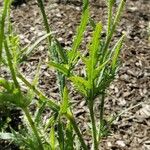
Papaver nudicaule
Arctic poppy · Icelandic poppy · Iceland Poppy
Description
Source: leafsnapPapaver nudicaule, commonly known as the Iceland poppy, is a flowering plant in the Papaveraceae family. Native to subarctic regions of North America, Europe, and Asia, this plant grows up to 30 cm tall and boasts large, showy flowers in a variety of colors, including white, yellow, orange, and pink. The Iceland poppy is a hardy perennial that thrives in most well-drained soil types. It prefers full sun but can tolerate partial shade. Blooming from late spring through summer, the plant requires regular watering during this period. Gardeners are drawn to the vibrant colors and delicate appearance of Papaver nudicaule's flowers. These blooms are often used in cut flower arrangements or planted in large groups for a striking visual display. Beyond its ornamental appeal, the Iceland poppy has a history of medicinal use in various cultures. Its seeds contain alkaloids that have been shown to possess pain-relieving properties. Overall, Papaver nudicaule is a captivating flowering plant with both aesthetic and medicinal value, easily cultivated in most garden settings with proper care.
🌳 Iceland poppy grows well in disturbed soils, and its occurrence often reflects particular soil conditions, so it acts as an ecological indicator of soil health and composition that is useful for agricultural planning.
🎭 Fecundity, Beloved slumber
Care Guide
💧 Water Every 7 days
The Iceland poppy, native to subpolar regions, thrives in cooler climates with moderate moisture. It prefers well-drained soil and benefits from consistent weekly watering. Typically grown outdoors, this plant enters dormancy under harsh conditions, significantly reducing its need for water.
How should I water my Iceland poppy?
To properly water the Iceland poppy, it is recommended to use filtered water at room temperature. Tap water may contain harmful particles that can negatively affect the plant's health. It is important to use water that is not too cold, as the Iceland poppy is native to warm environments and cold water can be potentially harmful. It is best to avoid watering the plant from above, as this can lead to issues with the foliage. Instead, water the plant by applying filtered room temperature water directly to the soil until it is thoroughly soaked. This method helps to moisten the roots and promotes their spread through the soil, ensuring they can collect the necessary nutrients.
What should I do if I give my Iceland poppy too much or too little water?
Overwatering is a common issue for Iceland poppies and can lead to wilting, yellowing leaves, and potentially deadly diseases such as root rot, mold, and mildew. Underwatering is less common but can cause brittle, brown leaves. It's important to catch signs of overwatering early and reduce watering immediately. If the soil doesn't drain well, replace it with a loose, well-draining mix. If signs of underwatering appear, increase watering until the plant recovers.
How often do I need to water my Iceland poppy plants?
If your Iceland poppy is in a pot, the most precise way to determine if it needs water is by checking the soil. Insert your finger into the soil and if you find that the top two to three inches are dry, it's time to water it. If you have your Iceland poppy planted outdoors in the ground, you can use the same method to test the soil. Once again, if the top few inches of soil have become dry, it needs water. In the spring and early fall, you'll typically need to water this plant about once a week using this method. However, during extremely hot weather, you may need to increase waterings to about twice a week or more. It's worth noting that mature, well-established Iceland poppies can tolerate drought fairly well.
How much water does my Iceland poppy require?
To properly water your Iceland poppy, don't be afraid to give it a generous amount of water. When the top two to three inches of soil are dry, it's time for a thorough watering. Make sure to water enough to saturate the entire soil. You should see excess water flowing out of the drainage holes at the bottom of the pot. If there is no excess water draining, it means you haven't given enough water. However, be cautious not to let water accumulate in the soil, as this can harm the plant. On the other hand, if water isn't draining through the pot, it could be due to poorly draining soil, which is harmful to the plant's health. Avoid this situation. If the plant is outside, one inch of rain per week will be sufficient.
How do I water my Iceland poppy when it is growing at different stages?
The water needs of the Iceland poppy can vary depending on the growth stages. When the poppy is young or has just been transplanted, it requires more water. During these stages, the poppy uses a lot of energy to develop new roots, which need extra moisture to support future growth. As the poppy matures, it will require less water. Additionally, the bloom period is another stage where the poppy may need more water due to the significant moisture requirement for flower development.
☀️ Light Full sun
The iceland poppy thrives when it gets plenty of sunlight throughout the day, though it can tolerate some shade. Originating in environments with substantial sun exposure, the iceland poppy's health and growth prosper under those conditions. However, too little or too much sun can inhibit its growth and cause its bright colors to fade or scorch.
What are the sunlight requirements for Iceland poppy?
The Iceland poppy thrives under full sun conditions, benefiting from more than 6 hours of sunlight per day. It also performs moderately well in partial sun, where it receives about 3-6 hours of sunlight. Given its origin in sunlight-rich environments, the plant's health and growth are optimized with substantial daily sun exposure. However, both insufficient sunlight and excessive exposure can hinder its growth and cause discoloration. To maintain the plant's vibrancy, it's important to find locations in your garden that offer a perfect balance of light and shade, ensuring the plant's well-being.
How do artificial lights support indoor growth of Iceland poppy?
For indoor Iceland poppies, artificial lighting is essential to substitute for natural sunlight, especially in winter or less sunny spaces. LED lights are recommended for their ability to be customized to specific plant needs, providing necessary wavelengths of light. The intensity of light needed varies with the type of plant: full sun plants require 30-50W/sq ft, partial sun plants need 20-30W/sq ft, and full shade plants require 10-20W/sq ft of artificial light. The artificial light should be placed 12-36 inches above the plant for 8-12 hours per day to mimic natural sunlight conditions, promoting healthier and faster growth.
What are the symptoms of inadequate lighting for Iceland poppy?
When Iceland poppy receives inadequate lighting, several symptoms can occur: new leaves may grow smaller, and the plant might exhibit leggy or sparse growth due to elongated spaces between leaves or stems. Early leaf drop can occur as the plant sheds older leaves to conserve resources, leading to slower or halted growth. Insufficient light causes new leaves to appear lighter in color or pale, indicating a lack of chlorophyll. Excessive sunlight, on the other hand, can cause symptoms such as chlorosis, sunscald, leaf curling, wilting, and leaf scorching, harming the plant's health and appearance.
What solutions can address the light needs of an Iceland poppy?
To ensure optimal growth, gradually acclimate the Iceland poppy to increased sunlight by moving it to sunnier spots each week until it receives at least 6 hours of direct sunlight daily. For indoor plants, this might mean using a south-facing window or artificial lighting solutions like a desk lamp or grow lights for at least 8 hours a day. Outdoors, carefully transition the plant to avoid sunburn. If sunlight is obstructed by objects like trees, consider pruning to improve sun exposure. For ground-planted poppies, transplanting them during the dormant period in late winter or early spring to more sunlit locations with good drainage can be beneficial. Note that parts of the plant damaged by insufficient sunlight may not recover, but new growth will be healthy after adjusting the light exposure.
🌡️ Temperature 0–35°C
Iceland poppy naturally thrives in climates with temperatures ranging from 68 to 95 °F (20 to 35 ℃). It favors cooler conditions over intense heat. To achieve optimal growth, adjust the surrounding temperature according to the season.
What are the ideal temperature conditions for Iceland poppy?
Iceland poppy thrives best in climates where temperatures range between 68 to 95 °F (20 to 35 °C), favoring cooler conditions over extreme heat for optimal growth. The plant possesses strong cold resistance, typically not requiring special frost protection measures during winter. However, if temperatures are expected to drop below the tolerance limit (specific limit not provided), cold protection should be implemented by covering the plant with soil or straw. Additionally, watering the plant abundantly before the first freeze in autumn is recommended to ensure the soil remains moist and enters a frozen state, helping prevent drought and water scarcity during winter and early spring.
How does Iceland poppy react to low temperatures?
Iceland poppy is cold-tolerant, ideally kept above a certain minimum tolerable temperature (specific minimum not provided) during winter. If winter temperatures fall below the growth limit temperature (specific limit not provided), there might not be noticeable changes during winter, but there could be a decrease in sprouting or possibly no sprouting during springtime. The solution for this issue is to remove any parts of the plant that have failed to sprout in the spring.
How should I care for Iceland poppy in high temperatures?
During summer, it's crucial to keep the Iceland poppy below a specific maximum suitable growth temperature (specific maximum not provided). Exceeding this temperature can cause the leaves to lighten in color, become prone to curling, and become susceptible to sunburn, and in severe cases, the plant may wilt and dry up. To care for the plant in high temperatures, trim away sunburned and dried-up parts, move the plant to a shaded location away from midday and afternoon sun, or use a shade cloth. Watering the plant in the morning and evening to keep the soil moist is also recommended.
💨 Humidity normal (40-60%)
This plant will thrive in moderate humidity, which is probably the level in your home. However, misting it a few times a week can be very beneficial. Make sure the room has good ventilation.
🪴 Soil 6-7
🌱 Fertilizer
The best time to fertilize an Iceland poppy is in early spring, when it is coming out of dormancy and beginning active growth. Fertilizing supplies essential nutrients for healthy growth. Although Iceland poppies require relatively little fertilizer, feeding them annually can improve their survival and encourage better, longer-lasting flowers.
Why do I have to put fertilizer on my Iceland poppy?
Fertilization plays a crucial role in the growth of Iceland poppies and other plants. It provides important nutrients that aid in both above and below-ground growth. Although Iceland poppies require relatively low levels of fertilization, annual fertilization can greatly benefit the plant. It ensures the plant's survival and promotes the development of more vibrant and long-lasting flowers. Therefore, those who want their Iceland poppies to thrive should prioritize annual fertilization.
When should I put fertilizer on my Iceland poppy?
The best time to fertilize an Iceland poppy is in late winter to early spring when the plant is transitioning from dormancy to active growth. Fertilizing during this time promotes healthy growth and sets the plant up for a successful season. While early spring is the most beneficial, fertilizing in the fall is also acceptable. However, it is not recommended to fertilize during summer or winter.
When is it better not to fertilize my Iceland poppy plant?
To properly care for your Iceland poppy, it is best to fertilize only in late winter and early spring. This plant has low fertilization needs, so one feeding per year is enough. Overfertilization can occur if you continue to fertilize during spring, summer, and fall. However, if you didn't fertilize in spring, it is acceptable to feed the plant in fall. During the winter, the Iceland poppy is in a dormant growth phase and does not require fertilizer.
What kind of plant food does my Iceland poppy need?
To ensure healthy growth for your Iceland poppy, it is recommended to use a general-purpose fertilizer with a balanced amount of the three main plant nutrients. However, there are specific nutrient blends that can provide even greater benefits. Many gardeners believe that higher levels of phosphorus promote stronger roots and better flowers, making it ideal for a flowering plant like the Iceland poppy. Granular or liquid forms of fertilizer are both suitable as long as they contain ample nutrients. In addition to manufactured fertilizers, organic methods such as compost and manure can greatly improve the soil quality for your Iceland poppy.
How should I feed my Iceland poppy?
To fertilize an Iceland poppy, the most common method is to use granular or pellet fertilizer on the soil surrounding the plant. It is important to fertilize the plant as it transitions from its winter dormant phase to active growth. In early spring, wait for the plant to start sprouting shoots before applying fertilizer. Alternatively, some people may prefer using liquid fertilizer, which should be diluted with water before use. Regardless of the fertilizer type, it is recommended to moisten the soil before, during, and after application.
🪴 Pot & Repot 2-3 years
When repotting Iceland poppy, choose a pot 1-2 inches (2.5–5.1 cm) larger with ample drainage. Use a well-draining potting mix. Repot in spring or fall, making sure the root ball sits slightly lower than the rim of the flower pot. Water thoroughly after repotting and place the pot in a warm spot with indirect sunlight.
✂️ Pruning
The Iceland poppy showcases vibrant blooms and delicate stems. To encourage growth and remove spent flowers, prune the plant from early to late spring, cutting back to healthy buds without being overly aggressive. Deadheading can extend the flowering period, while regular pruning helps maintain the plant's health and appearance. For the best results, use sharp, sterilized tools.
🌿 Propagating
🐛 Diseases & pets
☠️ Toxicity
All parts of the Iceland poppy are considered poisonous. The plant contains toxic alkaloids, specifically chelidonine, which can elicit severe symptoms. Poisoning may be severe enough to cause depression, coma, and even death.
Characteristics
- Plant Type
- Herb
- Life Cycle
- Perennial, Annual
- Genus
- Papaver
- Family
- Papaveraceae
- Hardiness Zone
- 3-9
- Mature Height
- 20 cm to 61 cm
- Mature Spread
- 15 cm
- Leaf Color
- Green, Blue, Gray, Silver
- Leaf Type
- Deciduous
- Flower Color
- White, Yellow, Red, Orange, Pink, Cream
- Flower Size
- 1.52 cm to 3.05 cm
- Bloom Time
- Mid spring, Late spring, Early summer
- Planting Time
- Spring
- Harvest Time
- Late spring, Early summer, Mid summer
- Native Area
- Subarctic regions of North America, Canada, Europe, and Asia