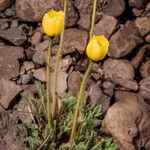
Papaver radicatum
Arctic poppy · Rooted poppy · Icelandic-Scandinavian poppy
Description
Source: leafsnapPapaver radicatum is a species of poppy known by the common names Arctic poppy, rooted poppy, and yellow poppy. It is a flowering plant in the family Papaveraceae.
Care Guide
💧 Water 1 to 2 times a week
The Arctic poppy originates from the Arctic regions, where it thrives in low-moisture conditions and is notably drought-tolerant. To maintain its vigor, it should be watered weekly, but be careful not to overwater. This resilient plant can withstand extreme temperatures, making it an excellent choice for rock gardens and similar outdoor settings. It can endure long periods without rain.
☀️ Light Full sun
The Arctic poppy is a sun-loving, perennial herbaceous plant native to open habitats, commonly thriving in meadows and grasslands. It prefers full sun but can tolerate partial sun.
What are the sunlight requirements for Arctic poppy?
Arctic poppy, or Papaver radicatum, is a sun-loving perennial herbaceous plant that thrives best in full sun, requiring above 6 hours of sunlight daily. However, it can also tolerate partial sun conditions, which means about 3-6 hours of sunlight. It's important for gardeners to watch how sunlight moves through their garden to ensure that plants like the Arctic poppy are planted in spots that provide the right balance of light and shade, aiming for their optimal growth and happiness.
Can Arctic poppy grow under artificial lighting and what are the requirements?
Yes, Arctic poppy can grow under artificial lighting, especially when natural sunlight is insufficient, like in winter or less sunny spaces. Key considerations for using artificial lighting include choosing the right type of light, with LED lights being a popular and effective choice. The requirements vary based on light intensity needs: full sun plants require 30-50W/sq ft, partial sun plants need 20-30W/sq ft, and full shade plants 10-20W/sq ft of artificial light. The light source should be placed 12-36 inches above the plant to mimic natural sunlight, and most plants will benefit from 8-12 hours of light per day.
What are the signs of insufficient light for Arctic poppy?
Signs of insufficient light in Arctic poppy include the appearance of small leaves, leggy or sparse growth, faster leaf drop, slower or no new growth, and lighter-colored new leaves. These symptoms indicate the plant's struggle with inadequate lighting conditions. In contrast, symptoms of excessive sunlight include chlorosis (leaves turning yellow), sunscald, leaf curling, wilting, and leaf scorching, all of which can severely affect the plant's health.
What are some solutions for light-related issues in Arctic poppy?
To address light-related issues in Arctic poppy, gradual adjustments are key. For indoor plants lacking sunlight, gradually move them to a sunnier location each week until they receive at least 6 hours of sunlight daily, or use artificial light like lamps or professional grow lights for at least 8 hours a day. For outdoor plants, similar gradual relocation to sunnier spots can help them adapt without getting sunburned. Minimizing obstructions like pruning trees can increase sunlight exposure. Remember, parts of the plant that have already been damaged by insufficient light may not recover, but new growth should be healthy with improved light conditions.
🌡️ Temperature 0–32.2°C
Arctic poppy is hardy in USDA growing zones 2 through 6. These blooms are usually cultivated as cool weather annuals and don’t respond well to warm temperatures. The poppies are frost-hardy in temperatures down to 23 degrees Fahrenheit (-5 degrees Celsius)
💨 Humidity
🪴 Soil 6-7
🌱 Fertilizer
For Arctic poppy, the best time to apply fertilizer is in early spring as the flowers start to form. Using an appropriate fertilizer promotes better blooms and helps the Arctic poppy produce attractive flowers. Fertilizing in early spring ensures good flowers throughout the season and provides energy for dormant periods.
🪴 Pot & Repot
For an Arctic poppy to thrive in a pot, it needs excellent drainage. Make sure the potting mix is well-aerated and allows water to drain easily to prevent root rot.
✂️ Pruning
The arctic poppy thrives in harsh conditions and produces vibrant flowers. To promote growth and extend the blooming period, prune it in early to mid-spring. Remove any dead stems and spent flowers using clean, sharp tools to prevent damage. This also helps improve airflow and reduces the risk of disease.
🌿 Propagating
🐛 Diseases & pets
☠️ Toxicity
Arctic poppy is considered toxic due to the alkaloids. Ingesting any parts of the plant may cause low to mild toxicity symptoms in both people and pets. Ensure that you keep these blooms out of easy reach to prevent harm.
Characteristics
- Plant Type
- Herb
- Life Cycle
- Perennial
- Genus
- Papaver
- Family
- Papaveraceae
- Hardiness Zone
- 2-7
- Mature Height
- 15 cm
- Mature Spread
- 10 cm
- Leaf Color
- Green, Dark Green
- Leaf Type
- Deciduous
- Flower Size
- 3.05 cm to 5.08 cm
- Bloom Time
- Late spring, Early summer
- Planting Time
- Spring, Summer
- Harvest Time
- Mid summer, Late summer