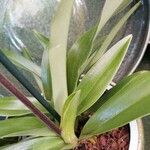
Paphiopedilum insigne
Splendid Paphiopedilum · Slipper Orchid
Description
Source: leafsnapPaphiopedilum insigne, commonly known as the "Lady Slipper Orchid," is an orchid species native to Southeast Asia. This terrestrial orchid thrives in the understory of tropical forests, typically found at elevations between 500 and 1,500 meters. The plant is easily recognizable by its large, showy flowers that resemble slippers or pouches. The leaves of Paphiopedilum insigne are thick and leathery with prominent veins. The flowers, usually yellow-green with maroon or brown markings on the petals and sepals, bloom from late winter to early spring and can last for several weeks. Paphiopedilum insigne is an easy-to-grow orchid that prefers bright but indirect light and well-draining soil. It can be grown both indoors and outdoors in warm climates. For centuries, indigenous people in Southeast Asia have used this plant for its medicinal properties, particularly for its anti-inflammatory effects. However, it is important to note that consuming any part of the plant can be toxic if ingested in large quantities. Overall, Paphiopedilum insigne is an attractive ornamental plant, prized by collectors for its unique appearance and ease of cultivation, whether grown indoors or outdoors.
Care Guide
💧 Water Every 7 days
The splendid paphiopedilum thrives in the humid understories of tropical forests. It requires consistent moisture and balanced hydration to flourish. To mimic its natural habitat, water it weekly. Higher humidity levels support its lush foliage and vibrant blooms, especially during the active growing season.
How should I water my Splendid paphiopedilum?
The way you water your Splendid paphiopedilum depends on whether it's actively growing or not. During an active growth phase, you should water the soil and occasionally spray water over the leaves if it's warm out. In contrast, during winter or cool and wet weather, stick to watering the soil directly. If the roots and leaves of your plant look dry or discolored, it needs more water. Overwatered plants will appear mushy and limp. Make sure to use a well-draining potting mix when growing your Splendid paphiopedilum and water it multiple times per week during the growing season. However, each watering should drain quickly to avoid standing water. The amount of water needed depends on the pot size, with larger pots requiring less frequent watering. Rainwater and distilled water are recommended, and using water temperature similar to the air is ideal.
What should I do if I give too much or too little water to my Splendid paphiopedilum?
To keep your Splendid paphiopedilum healthy, it's important to avoid keeping it in overly moist soil. While these plants require frequent watering when actively growing, they also need a well-draining growing medium. Otherwise, overwatering can lead to a mushy texture and root rot. If you notice any rotting roots, it's necessary to carefully remove them with sterile pruning shears. Once done, repot the plant using a container with adequate drainage and a fast-draining potting mix. However, keep in mind that excessive repotting may not be beneficial for Splendid paphiopedilum, so finding the right watering rate is crucial. If you notice that the plant is becoming shriveled and dry to the touch, it's likely underwatered and the soil is drying out too quickly. In that case, increase the frequency of watering.
How frequently should I water my Splendid paphiopedilum?
During the active growth stage in spring and summer, water your Splendid paphiopedilum once or twice per week. In hot and dry weather, increase watering to three times per week or more. In winter, water your Splendid paphiopedilum, but not as much. Two to three times per month should suffice. If kept indoors during winter, note that soil may dry quickly, so consider increasing the number of monthly waterings. Use fall to gradually reduce watering frequency from multiple times per week to the reduced winter schedule.
What do I need to think about when watering my Splendid paphiopedilum in different seasons and when it's growing?
When planning the watering schedule for your Splendid paphiopedilum, there are two important growth phases to consider. The first is the active growth period, which occurs in spring and summer and requires watering multiple times per week. The second important growth period is the rest period, which lasts about two to three months in winter. During this time, your plant needs less water and fertilization. Watering once or twice per month is sufficient. In the fall, start gradually reducing the frequency of watering from multiple times per week to once or twice per month to match the appropriate rate for winter.
If I grow my Splendid paphiopedilum indoors, how should I water it differently?
The Splendid paphiopedilum plant needs a relatively humid environment to thrive. However, most indoor spaces lack the necessary amount of moisture for this plant. As a result, the plant and its soil can dry out faster than if grown outside. To address this issue, it is recommended to use a humidifier in the room where you grow the Splendid paphiopedilum. You may also need to water it more frequently. It is important to note that while this plant requires humidity, it also needs proper air circulation to avoid excessive moisture and potential diseases. To ensure sufficient air flow, consider placing a fan in the room where you grow the plant.
☀️ Light Partial sun
The splendid paphiopedilum grows best in moderate light and benefits greatly from filtered sunlight. While it can tolerate fairly strong light, prolonged direct sun can stress the plant. Native to woodland environments, its growth is affected by varying light levels. Too much or too little sun can hinder its development and compromise overall plant health.
What are the sunlight requirements for Splendid Paphiopedilum?
Splendid Paphiopedilum requires moderate sunlight, benefiting greatly from filtered sun exposure. While it can withstand a good amount of sun, full exposure may stress the plant. Originating from a woodland habitat, it responds well to varied lighting conditions. Both excessive or minimal sunlight can hinder its growth and affect its health. It's essential to observe how sunlight moves through your garden to find the perfect balance of light and shade for these plants.
How can artificial lighting be utilized for indoor plants?
Indoor plants, including Splendid Paphiopedilum, require adequate lighting for optimal growth, especially when natural sunlight is insufficient. Artificial lights, particularly LED lights, are effective as they can be customized to provide specific wavelengths needed by plants. The requirements vary based on the plant's sunlight needs: 30-50W/sq ft for full sun plants, 20-30W/sq ft for partial sun plants, and 10-20W/sq ft for full shade plants. It's crucial to place the light source 12-36 inches above the plant and ensure it receives 8-12 hours of light per day to mimic natural daylight hours.
What are the symptoms of inadequate sunlight in Splendid Paphiopedilum?
Symptoms of inadequate sunlight in Splendid Paphiopedilum include new leaves growing smaller in size, leggy or sparse growth, faster leaf drop, slower or no new growth, lighter-colored new leaves, chlorosis, sunscald, leaf curling, wilting, and leaf scorching. These symptoms indicate the plant is either receiving too little or too much sunlight, impacting its overall health and ability to photosynthesize properly.
What solutions can address light-related issues in Splendid Paphiopedilum?
To address light-related issues in Splendid Paphiopedilum, consider gradually moving your plants to sunnier spots each week, enabling them to adapt to the changing light conditions. Indoors, if the plant is large or not easily movable, use artificial light such as desk or ceiling lamps for at least 8 hours daily, or invest in professional grow lights. Outdoors, ensure they are moved gradually to avoid sunburn. Reducing obstructions, like pruning branches that block sunlight, or transplanting smaller plants to more sunlit areas can also help. Note that parts of the plant affected by inadequate sunlight may not recover, but new growth will be healthy with improved light exposure.
🌡️ Temperature 20–37.8°C
Splendid paphiopedilum originates from habitats where temperatures range from 68 to 100 °F (20 to 38 ℃). It prefers warmer conditions in spring and summer, and benefits from a modest drop in temperature during autumn and winter.
What are the essential care tips for Splendid paphiopedilum?
Splendid paphiopedilum thrives in temperatures ranging from 68 to 100 °F (20 to 38 °C), favoring warmth in spring and summer and a cooler environment in autumn and winter. It's crucial to maintain indoor temperatures above 20°C, especially during winter, to avoid temperatures dropping below 5°C. Positioning the plant near a south-facing window ensures ample sunlight. To maintain the ideal humidity levels, regularly mist the plant or use a humidifier. For outdoor overwintering, ensure the plant is sheltered and receives sunlight. If needed, consider setting up a temporary greenhouse or wrapping the plant with plastic film or fabric during colder temperatures.
How do I address low temperature problems with Splendid paphiopedilum?
Splendid paphiopedilum is sensitive to cold and thrives above 20°C. If winter temperatures drop below 5°C, bring the plant indoors to avoid damage. Exposure to temperatures below 1°C can cause water-soaked necrosis, wilting, and drooping of the leaves. To address frostbite, trim off the affected areas and move the plant to a warm location near a south-facing window for sunlight, being careful to avoid placing it near heaters or air conditioning vents which can overly dry the air.
What should I do if my Splendid paphiopedilum is exposed to high temperatures?
During the summer, it's essential to keep Splendid paphiopedilum below 38°C to prevent growth halt and wilting. Temperatures above 43°C increase susceptibility to root rot and can cause sunburn. To mitigate high temperature damage, trim away any sunburned or dried parts of the plant. Relocate the plant to a shaded area, especially from the midday and afternoon sun, and water it in the morning and evening to maintain moisture levels for both the plant and its environment.
💨 Humidity high (>60%)
This plant needs special care because it loves high humidity levels of 60-80% or more. The best way to achieve this is by placing a humidifier near the plant. Daily misting is also essential! Make sure the room has good ventilation.
🪴 Soil 6-7
🌱 Fertilizer Every 30 days
Proper fertilization is essential for Splendid paphiopedilum's health and appearance. Fertilize Splendid paphiopedilum in summer, repeating the application monthly throughout the season. Nutrients fuel growth and maintain the plant's components. Fertilization improves Splendid paphiopedilum's flower display, ensuring the best blooms.
Why should I put fertilizer on my Splendid paphiopedilum?
Fertilizer and soil nutrients are like fuel for your Splendid paphiopedilum, helping it grow and stay healthy. Plants rely on these nutrients to create new plant material and maintain their existing components. Specifically, the Splendid paphiopedilum needs fertilization to produce beautiful flowers, which are the main attraction of this plant. Gardeners often prioritize fertilization to ensure their paphiopedilum blooms are at their best.
When should I fertilize my Splendid paphiopedilum?
The Splendid paphiopedilum plant goes through two main phases each year - the dormant phase and the active growth phase. During the dormant phase in winter, the plant's new growth is minimal. On the other hand, the active growth phase occurs in spring and fall, and this is the time when the plant needs fertilization the most. To give your Splendid paphiopedilum the best care, it is recommended to start fertilizing in the spring and continue once a month throughout spring and most of summer. As fall approaches, you can gradually decrease the frequency of fertilization.
When is the best time to not fertilize my Splendid paphiopedilum?
When supporting the growth of Splendid paphiopedilum, it is important to avoid causing root burn. In the spring and summer, when the plant is actively growing, it requires extra nutrients. However, during the fall and winter, when the plant enters its dormancy stage, it is best to stop fertilizing.
What kind of fertilizer does my Splendid paphiopedilum plant need?
For optimal growth of a Splendid paphiopedilum, it is recommended to use a fertilizer with a balanced mix of the three main plant nutrients, slightly higher in phosphorus. Another option is to enhance the soil by adding organic materials like compost, worm castings, and manure. There are various forms of fertilizers available, and most will work well for your Splendid paphiopedilum. However, liquid and powdered forms are considered some of the best options. Regardless of the type you choose, remember to dilute the fertilizer and apply it while watering your Splendid paphiopedilum.
How can I feed my Splendid paphiopedilum?
Once you have found the right fertilizer and learned the best schedule for fertilizing your Splendid paphiopedilum, the next step is to understand how to apply the fertilizer. A reliable method is to mix your liquid fertilizer with water before applying it to the soil. Different fertilizers may have specific instructions, so it's advisable to follow the guidance provided by the manufacturer. These instructions should also mention the proper dilution to avoid overfertilization. Mixing the fertilizer with water is a simple process, and once done, you can pour the mixture into the soil where your Splendid paphiopedilum is planted.
🪴 Pot & Repot
When repotting Splendid paphiopedilum, select a slightly larger pot with good drainage, preferably a clear orchid pot. Use an orchid-specific, well-draining mix that includes bark or moss. Carefully clean the roots and trim any that are dead or rotting. Repot after the plant has finished flowering, usually in spring or fall, water thoroughly, and place it in bright, indirect light. Avoid disturbing the roots once it has been repotted.
✂️ Pruning
The splendid Paphiopedilum plant boasts vibrant flowers and robust foliage, requiring only minimal pruning. The best times to prune are early spring and late winter. Make sure to remove any dead leaves to promote healthy growth and prevent pests. However, be careful not to cut the central spike. Pruning improves air circulation and reduces the risk of disease.
🌿 Propagating
🐛 Diseases & pets
☠️ Toxicity
Characteristics
- Plant Type
- Herb
- Life Cycle
- Perennial
- Genus
- Paphiopedilum
- Family
- Orchidaceae
- Hardiness Zone
- 10-11
- Mature Height
- 30 cm
- Mature Spread
- 30 cm
- Leaf Color
- Green
- Leaf Type
- Evergreen
- Flower Color
- Purple
- Flower Size
- 6.35 cm to 10.16 cm
- Bloom Time
- Winter, Early spring
- Planting Time
- Spring, Summer, Autumn
- Harvest Time
- Spring, Early summer
- Native Area
- Nepal, Myanmar, India, China