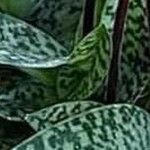
Paphiopedilum wardii
Ward's Paphiopedilum
Description
Source: leafsnapPaphiopedilum wardii is a species of orchid found from southwestern Yunnan to Myanmar.
🌳 Although it is not commonly noted for uses beyond its looks, ward's paphiopedilum is much valued in horticulture. Its distinctive, eye-catching form — with mottled leaves and a characteristic pouch-like lip — makes it highly sought after by orchid enthusiasts. Even though it is not used for essential oils or other commercial products, the cultural importance of collecting orchids can be substantial, driving conservation efforts and encouraging appreciation of biodiversity.
Care Guide
💧 Water Every week
Ward's paphiopedilum thrives in conditions with consistent moisture and high humidity, typical of the tropical understories where it naturally grows. It prefers evenly moist soil and needs to be watered weekly. This plant is often cultivated indoors to better control humidity levels. As an epiphyte, Ward's paphiopedilum has roots that are highly efficient at absorbing water from rainfall and the surrounding air.
☀️ Light Partial sun
Ward's paphiopedilum does best in spots protected from the sun's intense rays, effectively receiving moderate light. In the wild it grows beneath the canopy of larger plants, utilizing the filtered light they provide. Excessive light can burn the leaves, while insufficient light will prevent proper growth and flowering.
What are the sunlight requirements for Ward's paphiopedilum?
Ward's paphiopedilum requires partial sun, amounting to about 3-6 hours of sunlight daily. It's essential to watch how sunlight moves through your garden to find spots that provide a balance of light and shade, ensuring the plant's happiness. This species thrives in areas shielded from the intense rays of the sun, benefiting from moderate light similar to what it would receive under the canopy of larger plants in its natural habitat. Both overexposure and underexposure to sunlight can adversely affect the plant's health, leading to issues like leaf burns or inhibited growth and blooming.
How does artificial lighting support Ward's paphiopedilum growth?
Indoor plants, including Ward's paphiopedilum, require adequate lighting to grow optimally, especially when natural sunlight is insufficient. Artificial lights, like LED lights, are a vital solution as they can be customized to provide specific wavelengths of light that the plants need. The recommended artificial light intensity varies depending on the type of plant, with full sun plants requiring 30-50W/sq ft, partial sun plants 20-30W/sq ft, and full shade plants 10-20W/sq ft. The artificial light source should be placed 12-36 inches above the plant to mimic natural sunlight and be kept on for 8-12 hours per day to emulate natural daylight hours.
What are the symptoms of improper lighting in Ward's paphiopedilum?
Symptoms of improper lighting in Ward's paphiopedilum include new leaves growing smaller than previous ones, leggy or sparse growth, faster leaf drop, and no new growth, indicating the plant is in survival mode due to poor light conditions. Leaves may also develop irregular color patterns, appear pale due to a lack of chlorophyll, or experience chlorosis where they turn yellow. Sunscald can damage the plant's tissue when overexposed to sunlight, and leaf curling may occur as a defense mechanism. Additionally, wilting from increased water loss and leaf scorching with brown, dry edges can happen due to excessive sunlight.
What solutions can help manage light conditions for Ward's paphiopedilum?
To optimize growth for indoor plants, steadily move them to sunnier spots each week to gradually increase sunlight exposure to 3-6 hours daily. If moving the plant is not feasible, consider using desk or ceiling lamps for at least 8 hours a day, or invest in grow lights. For outdoor plants, carefully move them to sunnier locations weekly to avoid sunburn from sudden light intensity changes. If sunlight obstruction is an issue, prune obstructive branches or transplant smaller plants during their dormant period into areas with more sunlight and good drainage. Note that parts of the plant damaged from insufficient sunlight may not recover, but new, healthy growth should appear once light exposure improves.
🌡️ Temperature 20–37.8°C
Ward's paphiopedilum is native to temperate regions where temperatures range from 68 to 100 °F (20 to 38 °C). It can adapt to similar conditions but may need added warmth during winter. In summer, avoid subjecting it to excessive heat.
What is the ideal climate for Ward's paphiopedilum?
Ward's paphiopedilum flourishes in temperate climates, thriving in temperatures ranging from 68 to 100 °F (20 to 38 °C). It can adapt to similar environments but may require additional warmth during winter. If the temperature falls below 10°C in winter, it is advisable to move Ward's paphiopedilum indoors to maintain its growth. Keeping the indoor temperature above 20°C and situating the plant near a south-facing window for sufficient sunlight are good practices. It's also important to maintain humidity levels by misting the plant or using a humidifier. For those kept outdoors during colder months, ensure they are in a sheltered, sunny spot and consider using a temporary greenhouse or covering them with plastic film or fabric for protection.
How should you care for Ward's paphiopedilum in low temperatures?
Ward's paphiopedilum requires warmth to thrive and should not be exposed to temperatures below 20°C. In winter, ensure temperatures remain above 10°C to prevent distress. Exposure to temperatures below 5°C can cause the leaves to suffer from water-soaked necrosis, wilting, and drooping. If frost damage occurs, trim the affected areas and move the plant to a warmer indoor environment. Placing the plant near a south-facing window ensures it receives adequate sunlight. It is also advisable to avoid placing the plant near heaters or air conditioning vents to prevent the air from becoming too dry.
What are the precautions for Ward's paphiopedilum during high temperatures?
In the summer, it's crucial to keep Ward's paphiopedilum in conditions below 38°C, as temperatures above 43°C halt growth and cause wilting. The plant is prone to root rot and sunburn under intense sunlight. To mitigate these issues, remove sunburned or dried parts of the plant, and reposition it to a shaded area during peak sunlight hours. Watering the plant in the morning and evening helps maintain moisture for both the plant and its surrounding environment, promoting a healthy growth despite high temperatures.
💨 Humidity high (>60%)
This plant needs special care because it loves high humidity levels of 60-80% or more. The best way to achieve this is by placing a humidifier near the plant. Daily misting is also essential! Make sure the room has good ventilation.
🪴 Soil 5-6
🌱 Fertilizer Every 30 days
Appropriate fertilization is essential for Ward's paphiopedilum's health and appearance. Apply fertilizer in summer, repeating the treatment monthly throughout the season. Nutrients fuel growth and sustain the plant's tissues. Fertilization improves Ward's paphiopedilum's floral display, helping it achieve the best blooms.
🪴 Pot & Repot
When repotting Ward's paphiopedilum, pick a pot that is only a bit larger and has good drainage, ideally a clear orchid pot. Use a well-draining mix made for orchids that includes bark or moss. Carefully clean the roots and cut away any that are dead or rotting. Repot after the plant has finished flowering, typically in spring or fall, water thoroughly afterward, and set it in bright, indirect light. Do not disturb the roots after repotting.
✂️ Pruning
Ward's paphiopedilum is known for its striking, slipper-shaped flowers and benefits from light pruning. To care for this plant, use sterilized tools to remove any dead leaves between late winter and early spring. Be sure to avoid heavy pruning in order to preserve its natural shape. Light pruning improves airflow, reduces pests, and encourages blooming. For best results, follow guidelines from reliable sources.
🌿 Propagating
🐛 Diseases & pets
☠️ Toxicity
Characteristics
- Plant Type
- Herb
- Life Cycle
- Perennial
- Genus
- Paphiopedilum
- Family
- Orchidaceae
- Hardiness Zone
- 11
- Mature Height
- 5 cm to 40 cm
- Mature Spread
- 10 cm
- Leaf Color
- Dark Green, Forest Green
- Leaf Type
- Evergreen
- Flower Color
- Yellow, Green, Purple, Red, Brown
- Flower Size
- 10.16 cm
- Bloom Time
- Spring
- Planting Time
- Spring, Summer, Autumn
- Harvest Time
- Spring
- Native Area
- Myanmar, India, China