Pappea capensis
Judgement tree · Indaba tree · Jacket plum · Mini litchi · Indaba
Description
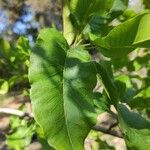
Source: leafsnapPappea capensis, commonly known as the jacket plum or doppruim in Afrikaans, is a small to medium-sized tree native to southern Africa. This tree, a member of the family Anacardiaceae, can grow up to 10 meters tall and features a dense crown of dark green, glossy, and leathery leaves. From August to October, the jacket plum produces small, fragrant white flowers. These flowers give way to round or oval-shaped fruits that measure about 2-3 cm in diameter and possess a tough outer skin. The fruit contains an edible pulp that is sweet, juicy, and slightly tart. The bark of the Pappea capensis tree has been used for medicinal purposes by indigenous people for centuries. It contains compounds with anti-inflammatory properties that serve as an analgesic for treating conditions such as rheumatism, arthritis, and other inflammatory ailments. Beyond its medicinal benefits, the jacket plum tree also provides sustenance for wildlife, including birds and monkeys, that feed on its fruit. The wood of the tree is durable, making it suitable for construction tasks such as crafting furniture or building fence posts. Overall, Pappea capensis serves important ecological roles by providing food and shelter and offers significant medicinal benefits, underscoring its importance to southern Africa's biodiversity.
Care Guide
💧 Water Every 7 days
The jacket plum, which is native to Southern Africa, thrives in dry conditions thanks to its drought tolerance. It typically requires watering every 2-3 weeks. This plant prefers outdoor environments where it can benefit from natural weather patterns. Being deciduous, the jacket plum requires less water during its dormant period, as cooler temperatures and reduced daylight decrease its water needs.
How should I water my Jacket plum plant in the best way?
To ensure excellent root development, it is recommended to place a garden hose at the base of the plant. Avoid spraying water directly on the leaves, as this can be harmful. If the plant is outdoors and exposed to direct sunlight, the leaves may require more watering. To moisten the roots, bubblers can be used on each plant. Soaker hoses are also a good option, as they can cover the entire garden or bed and allow for deep root watering when adding or removing plants. After watering, make sure to drain any excess water and allow the soil to dry before watering again. To prevent diseases, water at ground level instead of spraying water on the foliage. On a sunny day, it may be beneficial to spray the whole bush with water. Whether the plant is in a pot or in the ground, keep in mind that Jacket plum prefers deep watering rather than light sprinkling.
What should I do if I give the Jacket plum too much or too little water?
An overwatered Jacket plum can show signs of distress such as yellowing, wilting, and dropping leaves. The plant may also look unhealthy with mushy stems. When these signs appear, it's best to adjust your watering schedule if possible. Wilting can also be a sign of under watering, characterized by crispy and dry leaves. In such cases, check the soil's dryness and give the plant a thorough watering when necessary. Sufficient water will help the Jacket plum recover, although it may still have dry, yellow leaves due to a damaged root system. Once the plant returns to normal, the yellowing leaves will stop. When cultivating the Jacket plum indoors, always check the moisture levels in the pot to avoid overwatering. Watch out for black spots, and if present, allow the soil to dry out for a few days before watering again. Overwatering can lead to root rot, so transferring the plant to a different pot is recommended if discolored and slimy roots are observed. Preventing root rot by avoiding overly soggy soil is crucial. When planting the Jacket plum outdoors, ensure the soil is adequately moist and not too dry. If the soil feels too dry when checking with your fingers, it may indicate underwatering. In such instances, provide sufficient water to aid the plant's recovery.
How many times should I water my Jacket plum?
The Jacket plum prefers deep and infrequent watering. If planted in pots, make sure to soak them with a gallon of water each time since the limited water storage in pots causes the soil to dry out quickly. In cold regions, water every 3 to 5 days, preferably in the morning when the soil is dry. To know when it's time to water, check the top 2-3 inches of soil; if it's dry, give the plant a full watering. In hot weather, check the moisture daily as the soil in pots can dry out fast. For garden plants in hot climates, water once a week when the top 2 to 3 inches of soil are too dry. Don't water if there's sufficient rainfall to avoid root rot. During spring and fall, Jacket plum generally grows outdoors, so add mulch about 3 to 4 inches deep to retain water. Sandy soil requires more frequent watering, while clay soil allows for longer intervals between watering. To keep track, mark the watering dates on a calendar and watch for drooping leaves as a sign that watering might be needed.
How much water does my Jacket plum need?
The Jacket plum generally needs about a gallon of water each time it is scheduled for watering. For potted plants, water them deeply until the water starts dripping from the bottom of the pot. Then, wait for the soil to dry before watering again. To determine the amount of water given to the plant in a week, you can use a water calculator or a moisture meter. During the flowering period, provide plenty of water but let the moisture evaporate afterwards to avoid root rot. If the Jacket plum is planted outdoors and receives adequate rainfall, it may not need additional watering. However, when the Jacket plum is young or newly planted, ensure it gets 1-2 inches of rain per week. As the Jacket plum grows, it can survive solely on rainfall. Only in very hot weather or when there is no rainfall for 2-3 weeks should you consider giving the Jacket plum a full watering during cooler times of the day to prevent damage from high heat. Additional watering will be necessary during extended dry periods.
Do I need to change how often I water my Jacket plum tree based on the season or weather?
To care for a Jacket plum tree, it is important to provide the right amount of water depending on the season. In the spring and fall, keep the soil moist but not waterlogged. The tree will grow well with alternating dry and moist conditions. During summer, you may need to water more frequently due to hot weather and evaporation. In the winter, the tree requires less water as it goes dormant. Use well-draining soil and terracotta pots to help with water evaporation. Once the tree starts leafing out in spring, you can stop watering and rely on rain. Create good drainage for the tree, especially in winter. When growing in pots, ensure adequate watering and drainage, especially in summer. Water deeply once or twice a week, avoiding shallow sprinkles that don't reach the roots. Don't let the tree dry out completely, even during dormancy. Avoid excessive water accumulation as it can harm the tree, especially in winter. Mulching is recommended to reduce stress and conserve water for healthy blooms.
☀️ Light Full sun
Jacket plum comes from open habitats, like sunny meadows and forest edges, that provide plenty of light. It performs best in Full Sun but can tolerate Partial Sun, showing good adaptability to different light levels.
What are the sunlight requirements for plants?
Plants generally require different amounts of sunlight to thrive. Full sun plants need more than 6 hours of direct sunlight daily, while partial sun plants do well with about 3-6 hours. Observing how sunlight moves through your garden helps in selecting the right spots that offer a balance of light and shade, crucial for the plants’ wellness.
How does the Jacket plum adapt to sunlight conditions?
The Jacket plum, originating from sunny meadows and forest edges, is adept at thriving in various sunlight conditions. It can grow well in full sun, benefiting from more than 6 hours of direct sunlight, but it can also adjust and do well in partial sun. This adaptability allows it to flourish in different lighting conditions, matching its natural habitat's diversity.
What are artificial lighting requirements for indoor plants?
Indoor plants sometimes need artificial lighting to grow optimally, especially when natural sunlight is scarce. LED lights are preferred for being able to provide specific light wavelengths. Full sun plants require 30-50W/sq ft, partial sun plants 20-30W/sq ft, and full shade plants 10-20W/sq ft of artificial light. The light should be placed 12-36 inches above the plants for 8-12 hours a day to mimic natural sunlight.
What are some symptoms of light deficiency in Jacket plum?
Jacket plum may show several symptoms when light is insufficient, such as small or pale new leaves, leggy growth, or an overall sparse and weaker appearance. It might also experience faster leaf drop, halt in growth, chlorosis, sunscald, leaf curling, wilting, and leaf scorching. These symptoms can indicate a need to adjust the plant's exposure to light.
What solutions exist for Jacket plum's light-related problems?
To address light-related issues in Jacket plum, gradually increase its sunlight exposure to at least 6 hours daily. This can be done by moving the plant closer to a south-facing window, or using artificial lighting for indoor plants that are large or hard to move. For outdoor plants, it's important to transition them to brighter spots gradually to prevent sunburn. Ensuring the plants are in areas with minimal obstruction and considering transplanting for better sunlight exposure also helps. Note that parts of the plant that have suffered due to low light may not recover, but new growth can be healthy with improved light conditions.
🌡️ Temperature 20–37.8°C
Jacket plum is quite adaptable to heat, able to withstand higher temperatures and broader temperature fluctuations. In hot weather, attention should be paid to watering and providing suitable shade to avoid sunburn. On the other hand, Jacket plum has fairly low cold tolerance. It can tolerate some chill, but very cold conditions may cause frost damage.
💨 Humidity
🪴 Soil 6-7
🌱 Fertilizer
The Jacket plum plant needs adequate nutrients for best fruit production. Fertilize in early spring to promote new growth and flowering. Regular feeding keeps the plant healthy, encourages tastier fruit, and prevents nutrient-deficiency problems such as yellowing leaves and weak fruit yields.
🪴 Pot & Repot
✂️ Pruning
For best results, prune jacket plum plants in early spring. Focus on removing dead branches and thinning out dense areas to improve air circulation and shape the plant. Proper pruning encourages healthier growth and fruit production. Be careful not to over-prune, as this can cause stress to the plant. Regular, moderate pruning will help maintain a strong and attractive plant form.
🌿 Propagating
🐛 Diseases & pets
☠️ Toxicity
Characteristics
- Plant Type
- Tree
- Life Cycle
- Perennial
- Genus
- Pappea
- Family
- Sapindaceae
- Hardiness Zone
- 9-11
- Mature Height
- 7.01 m to 13.11 m
- Mature Spread
- 3.96 m to 7.92 m
- Leaf Color
- Dark Green, Olive Drab
- Leaf Type
- Deciduous
- Flower Color
- Yellow, Green
- Flower Size
- 15.24 cm
- Bloom Time
- Mid fall, Late fall
- Planting Time
- Summer, Autumn
- Harvest Time
- Mid winter, Late winter, Early spring
- Native Area
- Malawi, Somalia, Angola, Namibia, South Africa, Zambia, Rwanda, Eritrea, Sudan, Kenya, Uganda, Tanzania, Zimbabwe, Burundi, Mozambique, Eswatini, Ethiopia, Congo (DRC), Botswana