Paraserianthes lophantha
Australian albizia · Cape Leeuwin wattle · Cape-wattle · Plume Albizia · Crested-wattle
Description
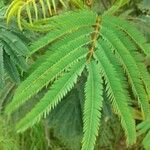
Source: leafsnapParaserianthes lophantha, also known as Albizia lophantha or plume albizia, is a fast-growing tree species within the Fabaceae family. Native to Australia, it is widely cultivated across the globe for its ornamental value and its ability to fix nitrogen in the soil. This tree can grow up to 15 meters tall and features a spreading canopy of bipinnate, feathery leaves that can reach up to 30 cm in length. The leaves are greenish-blue and composed of small leaflets arranged along each branchlet. The flowers are small, white or cream-colored, and form clusters at the ends of branches. Paraserianthes lophantha is often used as an ornamental plant in landscaping due to its attractive foliage and striking flowers. Additionally, it can be utilized for erosion control on steep slopes or serve as a shade tree in livestock grazing areas. The plant prefers well-drained soils but can withstand some degree of drought once established. It grows best in full sunlight but can tolerate partial shade. Overall, Paraserianthes lophantha is an appealing, fast-growing species that offers multiple benefits, such as nitrogen fixation, erosion control, and shade provision, while enhancing the aesthetic value of homes and public spaces.
Care Guide
💧 Water Every 7 days
The Cape Leeuwin wattle is well-adapted to areas with variable rainfall and demonstrates moderate drought tolerance. This plant thrives when the soil remains consistently moist, so it typically requires watering every 1-2 weeks. It prefers environments with moderate humidity and well-draining soil, making it ideal for outdoor cultivation. During its active growing season, it is important to water the Cape Leeuwin wattle carefully to promote robust growth.
How should I water my Cape leeuwin wattle plant to make it healthy?
Your Cape leeuwin wattle can be watered in various ways - watering cans, hoses, and even cups will work just fine. Make sure to apply the water directly to the soil, ensuring equal moisture throughout. It's preferable to use filtered water and water at or slightly above room temperature. Avoid using extremely cold or hot water as it may shock the plant. However, the Cape leeuwin wattle usually responds well to any water given.
What should I do if I give my Cape leeuwin wattle plant too much or too little water?
For outdoor plants, especially newly planted ones or seedlings, lack of watering can be a problem. It's important to remember to water them enough for a few months when they are small or just planted. Once the roots are established, Cape leeuwin wattle plants can rely on rain most of the time. When Cape leeuwin wattle is planted in pots, overwatering is more likely. If you accidentally overwater your Cape leeuwin wattle, there are steps you can take to fix the situation. First, stop watering the plant immediately to minimize the effect of overwatering. Then, remove the plant from its pot to check the roots. If you don't find any roots with root rot, you can return the plant to its container. If you do find signs of root rot, trim away the affected roots and consider applying a fungicide to prevent further damage. Finally, repot the Cape leeuwin wattle in well-draining soil. In the case of an underwatered Cape leeuwin wattle, simply water the plant more frequently. Underwatering is usually an easy fix. When a plant is underwatered, its leaves may droop, dry out, and fall off. However, the leaves will quickly regain their fullness after sufficient watering. It's important to correct your watering frequency as soon as you notice underwatering.
How many times should I water my Cape leeuwin wattle?
If your area doesn't get enough rainfall, you should water your outdoor plants every 2 weeks in spring and fall, and more frequently in summer. In winter, you can water less or even not at all. Young or newly planted Cape leeuwin wattle should be watered more often to help them establish, while mature plants are more drought tolerant. For potted plants, you can either set a regular watering schedule or water based on the moisture level of the soil. During summer, when water needs are highest, a set schedule may not be enough. Instead, wait for the top few inches of soil to dry out completely before watering again.
How much water does my Cape leeuwin wattle plant need?
To water your Cape leeuwin wattle effectively, you don't always need to give it a lot of water. If only a few inches of soil have dried since your last watering, you can provide about five to ten ounces of water each time. You can also determine the amount based on the moisture of the soil. Take note of how many inches of soil have dried between waterings. To ensure the plant receives enough moisture, water it until all the dry soil layers are moist again. If more than half of the soil is dry, consider giving more water and continue until excess water drains from the pot. If your Cape leeuwin wattle is planted in a rainy area, it might not require additional watering. When it is young or newly planted, provide 1-2 inches of rain per week. As it grows and establishes, it can rely on rainwater, but in hot weather with no rainfall for 2-3 weeks, give it a full watering to prevent stress.
How can I know if I am giving enough water to my Cape Leeuwin Wattle?
The Cape leeuwin wattle is often overwatered, which can lead to several noticeable signs. When overwatered, the leaves of the plant may turn yellow and some may even fall off. Additionally, the overall structure of the plant may shrink and root rot can occur. On the other hand, if the plant is underwatered, it will start to wilt and the leaves may become brown or brittle. Regardless of whether you see signs of overwatering or underwatering, it is important to take action and restore the plant's health.
☀️ Light Full sun
Cape Leeuwin wattle does best in locations that receive abundant light throughout the day. In the wild it grows where the sun is unobstructed. However, it does not require that level of illumination; it has no distinct sunlight needs at different growth stages. Too little or too much light will not greatly affect it.
What are the sunlight requirements for Cape Leeuwin Wattle?
Cape Leeuwin Wattle requires full sun, meaning it should receive above 6 hours of sunlight daily. Observing how sunlight moves through your garden is crucial for choosing spots that provide an ideal balance of light and shade, ensuring the plants' well-being. Although it thrives in areas with plentiful light, it doesn't have specific sunlight needs for different growth stages; neither too little nor too much light will severely impact its growth.
How can artificial lighting support plant growth indoors?
Indoor plants, including those that naturally prefer full sun, may require artificial lighting to ensure optimal growth, especially in winter or less sunny spaces. LED lights are recommended because they can be customized to provide specific wavelengths needed by plants. The amount of artificial light needed varies by plant type: full sun plants need 30-50W/sq ft, partial sun plants need 20-30W/sq ft, and full shade plants need 10-20W/sq ft. The light source should be placed 12-36 inches above the plant, mimicking natural sunlight, and plants generally need 8-12 hours of light per day.
What symptoms indicate Cape Leeuwin Wattle is receiving insufficient light?
Symptoms of light deficiency in Cape Leeuwin Wattle include smaller new leaves, leggy or sparse growth, early leaf drop to conserve resources, delayed or halted growth, pale new leaves indicating a lack of chlorophyll, chlorosis (yellowing leaves), sunscald damage from intense sunlight, curled or twisted leaves as a defense against sun exposure, wilting from excessive water loss, and leaf scorching characterized by brown, dry edges or patches.
How can you address light deficiency issues for Cape Leeuwin Wattle both indoors and outdoors?
To combat light deficiency in Cape Leeuwin Wattle, gradually move your plants to a sunnier location each week until they receive at least 6 hours of direct sunlight daily. For indoor plants that are large or not easily movable, consider using artificial light, keeping a lamp on for at least 8 hours daily or investing in professional grow lights. Outdoors, it's crucial to avoid sudden changes in light intensity, which may cause sunburn. If natural sunlight is blocked, prune trees or move smaller plants to sunnier locations, ensuring they have ample light and good drainage.
🌡️ Temperature 15–37.8°C
Cape leeuwin wattle naturally grows in regions with mild to warm temperatures. It prefers 59 to 100.4 °F (15 to 38 ℃) and can tolerate seasonal variations within that span. For best growth, maintain temperatures within its preferred range.
What is the native environment of Cape leeuwin wattle?
Cape leeuwin wattle is native to moderate to warm temperature environments. It thrives in temperatures ranging from 59 to 100.4°F (15 to 38°C) and can adapt well to seasonal changes within this temperature range. The plant prefers conditions that align with its native climate for optimal growth.
Does Cape leeuwin wattle have any cold tolerance?
Yes, Cape leeuwin wattle has some cold tolerance and generally does not require any special measures when temperatures are above -5°C. However, if temperatures are expected to drop below -5°C, it is necessary to take temporary measures for cold protection. This includes wrapping the plant with materials such as plastic film, fabric, or other protective coverings to shield it from the cold. These measures should be removed once temperatures rise again to avoid any potential damage to the plant.
How should you care for Cape leeuwin wattle in low temperatures?
Cape leeuwin wattle has moderate tolerance to low temperatures, thriving best above 15°C and should be kept above -5°C during the winter. If the temperature falls below -10°C, the leaves may droop and, in severe cases, wilt and fall off. To care for the plant in low temperatures, trim off any frost-damaged parts. Before encountering low temperatures again, wrap the plant with insulation materials like non-woven fabric or cloth and construct a wind barrier to protect it from cold winds.
How does high temperature affect Cape leeuwin wattle, and what are the solutions?
During summer, it's important to keep Cape leeuwin wattle below 38°C. Exceeding 43°C can cause the leaves to lighten in color, leaf tips might become dry and withered, leaves may curl, and the plant may become more prone to sunburn. Solutions include trimming away any sunburned or dried parts of the plant. Relocating the plant to a shaded area during the peak sun hours or using a shade cloth can protect it. Additionally, ensure to water the plant in the morning and evening to maintain soil moisture.
What is the botanical name of Cape leeuwin wattle?
The botanical name of Cape leeuwin wattle is Paraserianthes lophantha. It's essential to know the botanical name for accurate identification and to obtain the correct care information for the plant.
💨 Humidity
🪴 Soil 6-7
🌱 Fertilizer
Timing is important when fertilizing Cape Leeuwin wattle. Apply fertilizer in early spring and continue monthly until early summer. The fertilizer promotes attractive blooms and supplies energy during both dormant and active growth periods.
Why is it necessary to put fertilizer on my Cape leeuwin wattle plant?
To ensure your Cape leeuwin wattle plant thrives, it is important to fertilize it regularly regardless of the type you own. This consistent supply of nutrients will promote robust growth and enhance its ability to withstand challenging conditions and ward off diseases and pests. Since the foliage of your Cape leeuwin wattle is attractive, it is crucial to maintain its health. This can be achieved by following a fertilization schedule tailored to your specific plant, resulting in vibrant leaves with a rich color and lush appearance.
When should I fertilize my Cape leeuwin wattle plant?
To properly fertilize your Cape leeuwin wattle, it is best to do so in late winter or early spring. This timing provides the necessary nutrients for healthy growth when the weather warms up. If you live in a warm climate, it is recommended to also fertilize your Cape leeuwin wattle in early fall. This not only adds nutrients for the following growing season, but also helps the plant withstand winter cold without damaging the foliage. Fertilizing earlier in the season ensures that new branches have enough time to grow and withstand the cold winter.
When is the best time to not fertilize my Cape leeuwin wattle?
There are a few times during the year when it is best not to fertilize your Cape leeuwin wattle. The first time is in the early and mid-winter months when the plant is dormant and does not require feeding. Additionally, it is not recommended to fertilize this plant in late spring and during the summer. These seasons are typically hotter and drier, which can negatively impact the plant's response to fertilization. To avoid any problems, it is advisable to stick to a fertilization schedule that only involves feeding in early spring and early fall.
Which fertilizer should I use for my Cape leeuwin wattle plant?
The most important nutrient for a Cape leeuwin wattle is usually nitrogen, but phosphorus and potassium are still important. A balanced fertilizer like 10-10-10 can be effective because it provides all three nutrients. However, a more specific ratio of nutrients, like 10-6-4, may promote optimal growth for this plant. When fertilizing, you can choose between granular or liquid-based options.
How can I help nourish my Cape leeuwin wattle plant?
To fertilize your Cape leeuwin wattle, you have two options: using granular fertilizer or liquid fertilizer. If you choose to use granular fertilizer, simply sprinkle it on the soil at the right time. This type of fertilizer releases nutrients slowly over time. It's recommended to lightly water your Cape leeuwin wattle before applying the granular fertilizer. The other option is to use liquid fertilizer, although this is less common. To use liquid fertilizer, mix it with water and then pour the mixture onto the soil around the base of your plant. Sometimes, it's helpful to conduct a soil test before fertilizing to determine if the pH needs to be adjusted.
🪴 Pot & Repot 2-3 years
When repotting Cape leeuwin wattle, select a pot 1-2 inches (2.5–5.1 cm) larger that has ample drainage. Use a well-draining potting mix. Repot in spring or fall, making sure the root ball sits slightly lower than the rim of the flower pot. Water thoroughly after repotting and place it in a warm spot with indirect sunlight.
✂️ Pruning
The Cape Leeuwin wattle is known for its feathery foliage and rapid growth. To maintain its shape and health, prune the plant from early to late winter, trimming up to one-third of its size. Be sure to remove dead branches and thin out crowded areas to improve air circulation. Regular pruning enhances the plant's structure and promotes blooming, but avoid over-pruning as it grows vigorously.
🌿 Propagating
🐛 Diseases & pets
☠️ Toxicity
Characteristics
- Plant Type
- Tree, Shrub
- Life Cycle
- Perennial
- Genus
- Paraserianthes
- Family
- Leguminosae
- Hardiness Zone
- 8-11
- Mature Height
- 4.88 m
- Mature Spread
- 3.96 m
- Leaf Color
- Green
- Leaf Type
- Evergreen, Deciduous
- Flower Color
- Yellow, Green, Cream
- Flower Size
- 0.51 cm to 0.76 cm
- Bloom Time
- Winter, Spring
- Planting Time
- Spring, Autumn
- Harvest Time
- Spring, Early summer, Mid summer