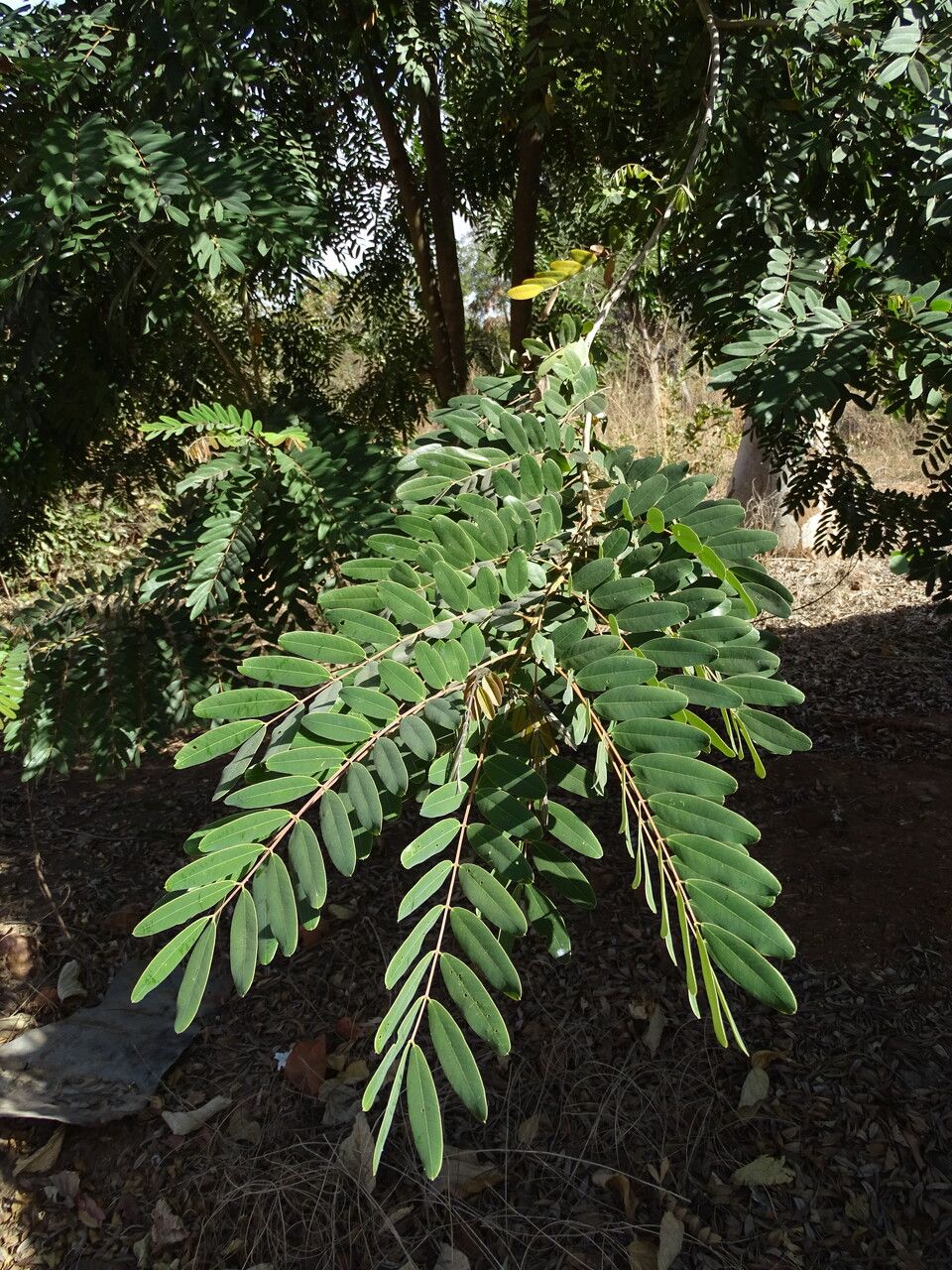
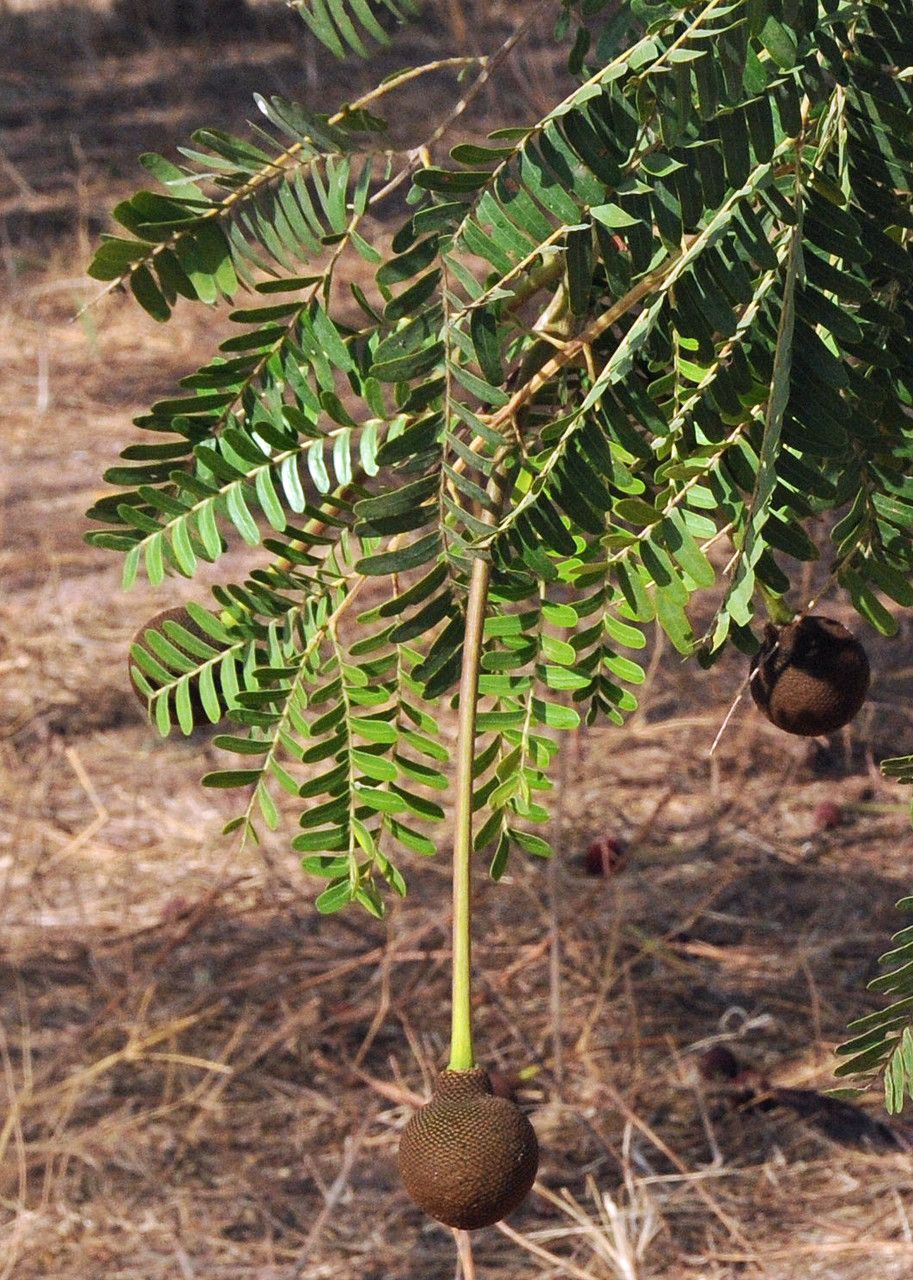
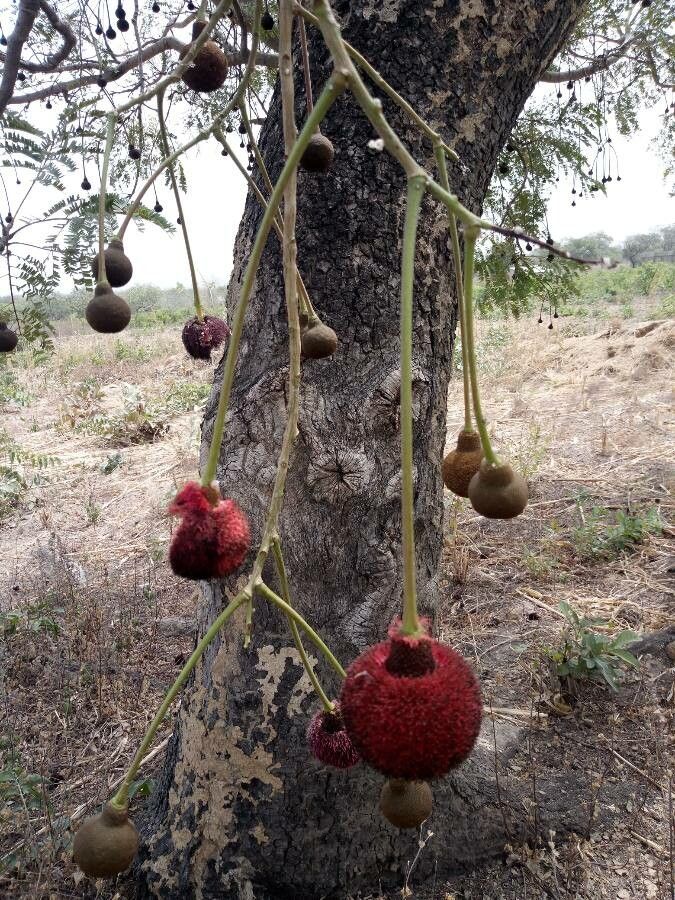
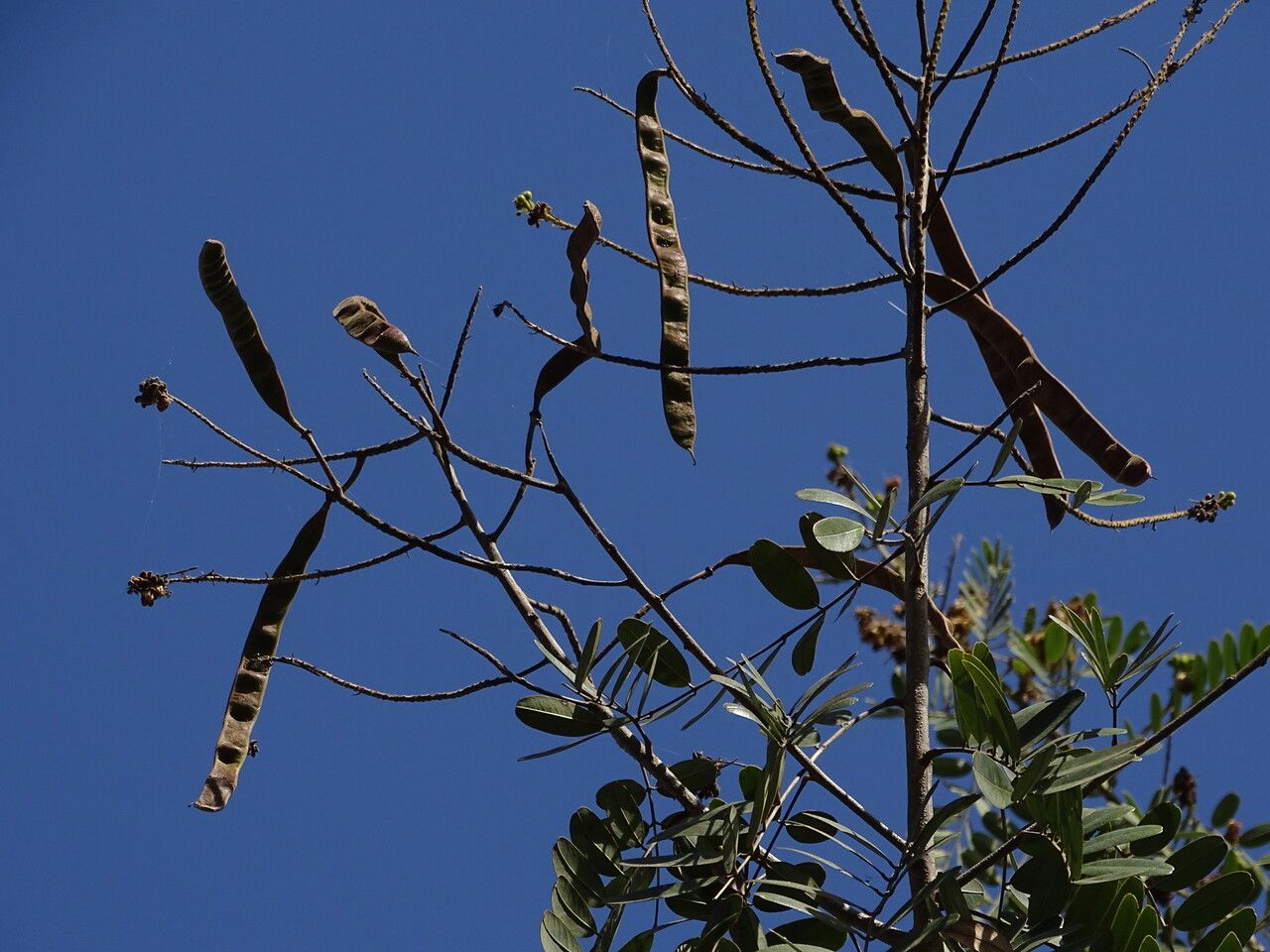
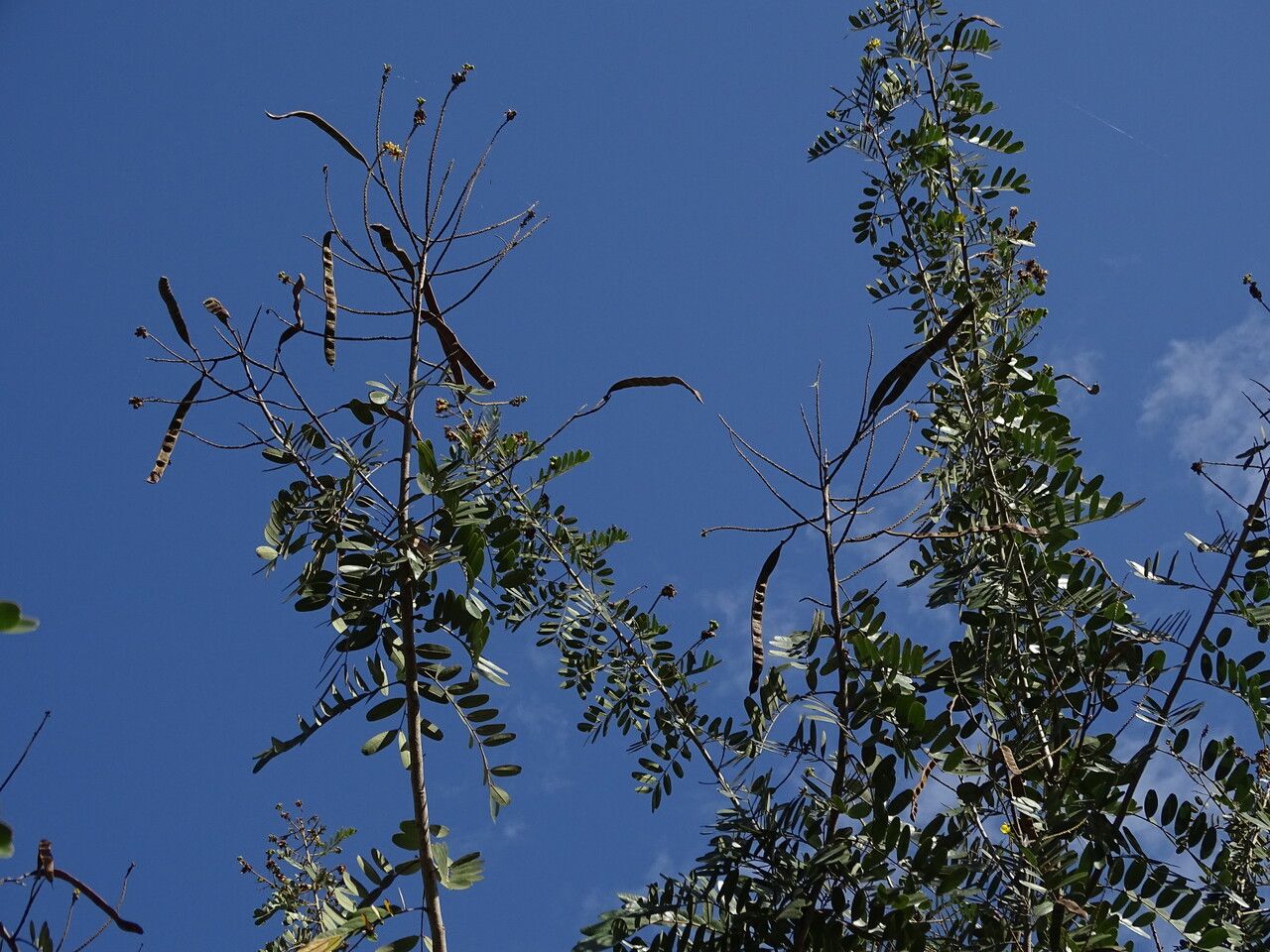
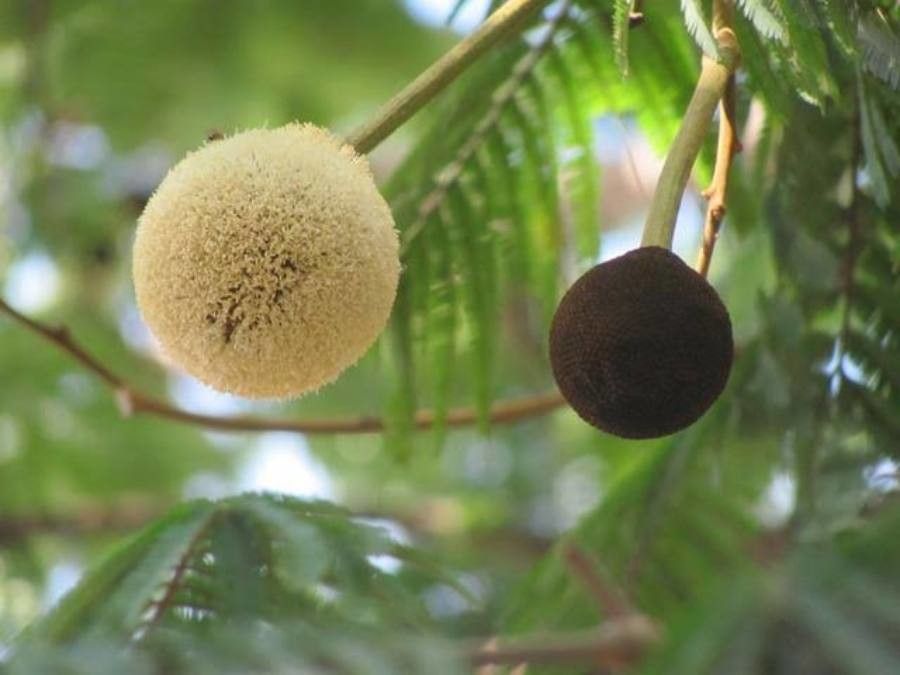
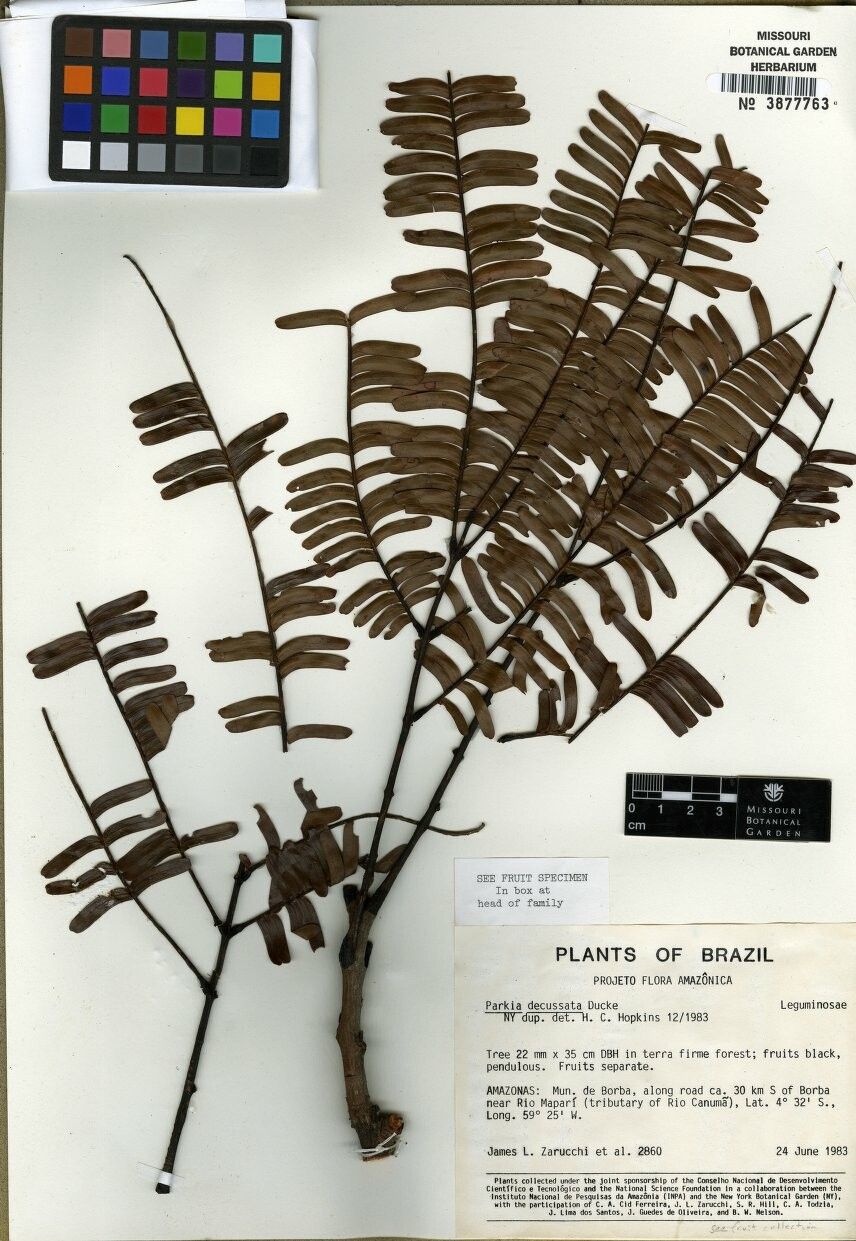
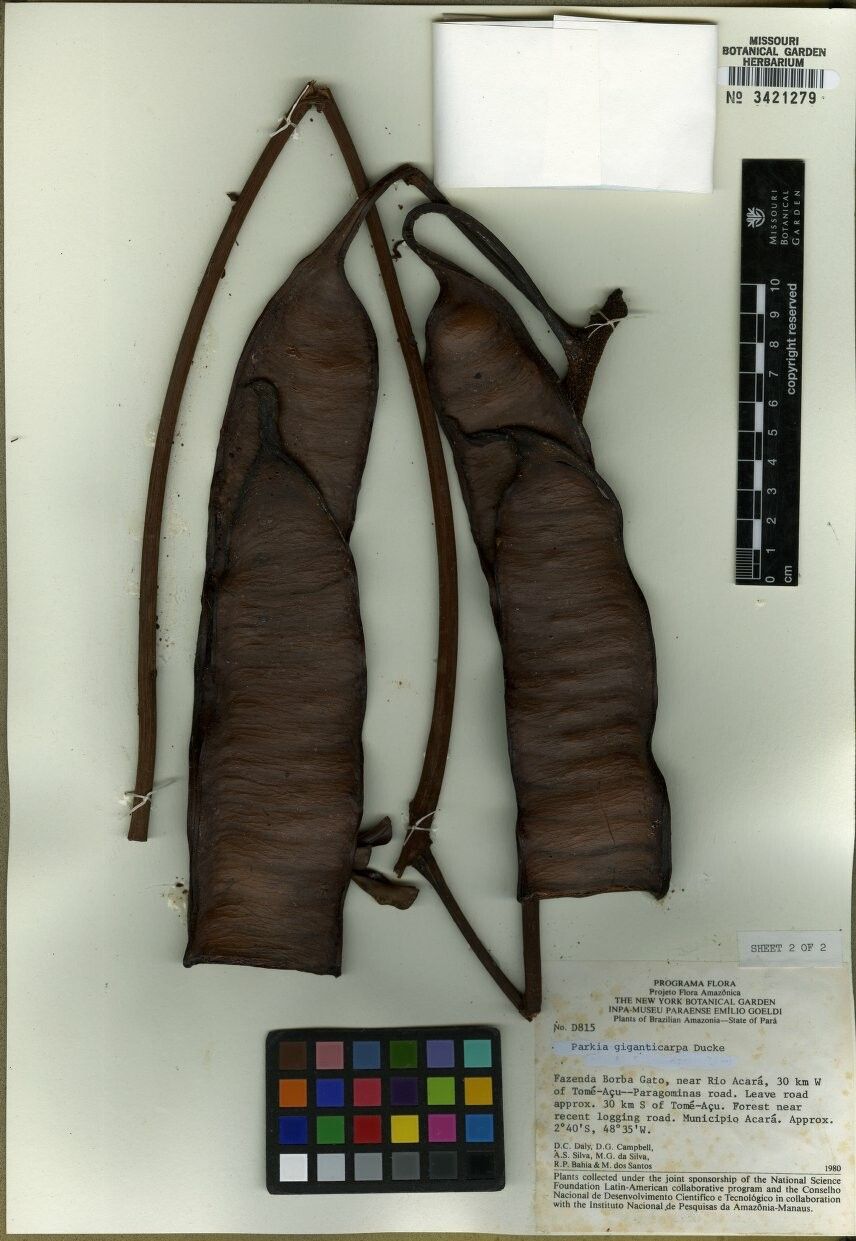
Parkia biglobosa, known in English as the African locust bean, is a perennial deciduous tree in the family Fabaceae. It is found in a wide range of environments in Africa and is primarily grown for its pods that contain both a sweet pulp and valuable seeds. Where the tree is grown, the crushing and fermenting of these seeds constitutes an important economic activity. Various parts of the locust bean tree are used for medicinal and food purposes. As a standing tree, locust bean may have a positive effect on the yield of other nearby crops.
The African locust bean is disease-resistant and generally not prone to illnesses. As for care, this plant is fairly low-maintenance. When grown outdoors it needs only minimal watering, and larger specimens usually do not require pruning. Smaller plants, however, should be pruned after they finish blooming. The African locust bean is suitable for anyone with outdoor space, such as a garden or deck, and does not require much gardening experience.
How to keep Parkia Biglobosa.
Light
The African locust bean performs best where it gets abundant sunlight, which supports its growth and vitality. In its native setting it is exposed to full-day sun. Excessive or insufficient sunlight can lead to suboptimal development. Different growth stages may tolerate varying amounts of solar exposure.
Water
The African locust bean is well-suited for arid environments, needing watering only every 2-3 weeks to support its deep root system. This makes it an excellent choice for xeriscaping, as it thrives in dry soil. Due to its size and growth pattern, it is typically cultivated outdoors, where its remarkable drought tolerance is on full display.
Temperature
The African locust bean favors warm conditions, growing best in a temperature range of 68 to 100 °F (20 to 38 °C). Avoid cold conditions to achieve optimal growth for this plant.
Fertilizer
For best development, African locust bean needs three fertilizer applications: before planting, one month after the seedlings emerge, and a final application 1 to 1.5 months after the second. Some varieties of African locust bean also benefit from additional fertilizer at planting to promote rapid growth.
Botanical profile.
- Plant Type
- Tree
- Life Cycle
- Perennial
- Genus
- Parkia
- Family
- Fabaceae
- Hardiness Zone
- 10-12
- Mature Height
- 20.12 m to 29.87 m
- Mature Spread
- 14.94 m to 20.12 m
- Leaf Color
- Dark Green
- Leaf Type
- Deciduous
- Flower Color
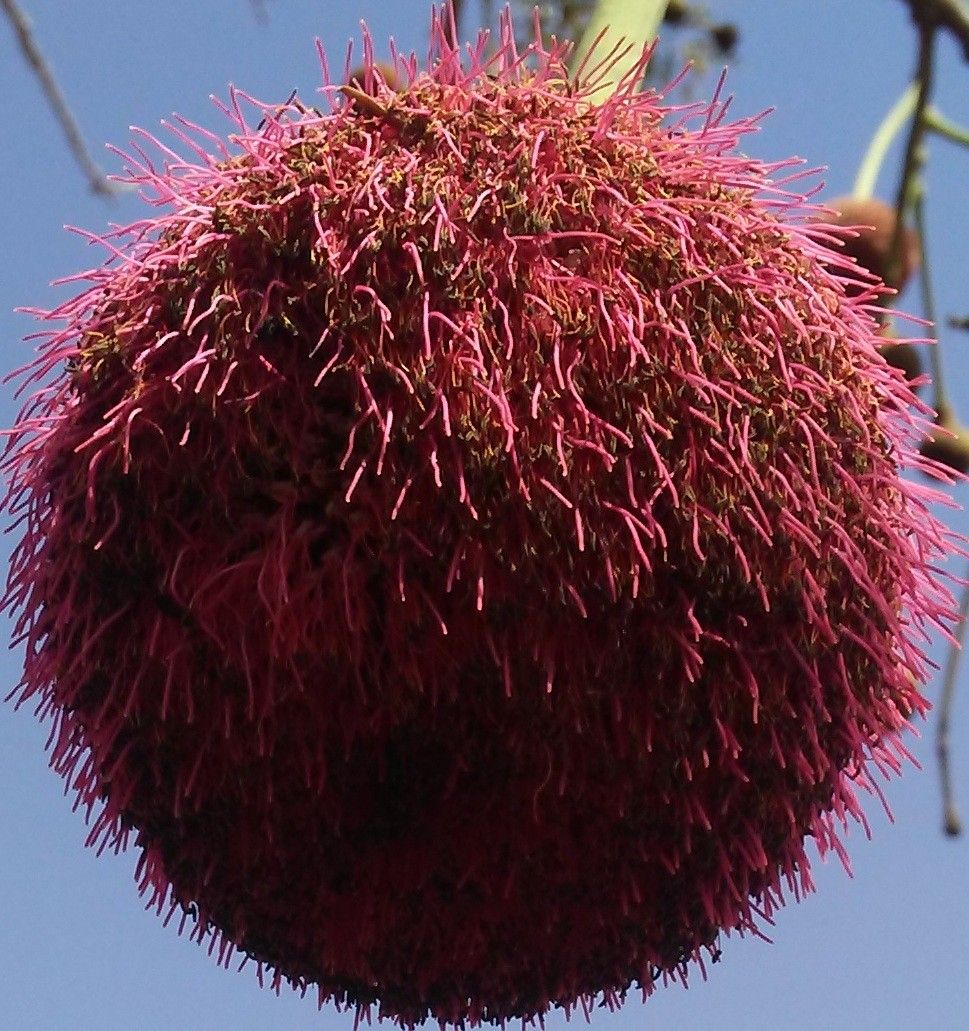
- Pink, White
- Flower Size
- 2.03 cm to 3.05 cm
- Bloom Time
- Late winter, Early spring, Mid spring
- Planting Time
- Spring, Summer, Autumn
- Harvest Time
- Late spring, Early summer, Mid summer
- Native Area
- Burkina Faso, Nigeria, Guinea-Bissau, Uganda, Niger, Benin, Mali, Sierra Leone, Equatorial Guinea, Cameroon, Ghana, Central African Republic, Sudan, Guinea, Chad, Togo, Senegal, Côte d'Ivoire, Gambia, Congo (DRC)
Other names.