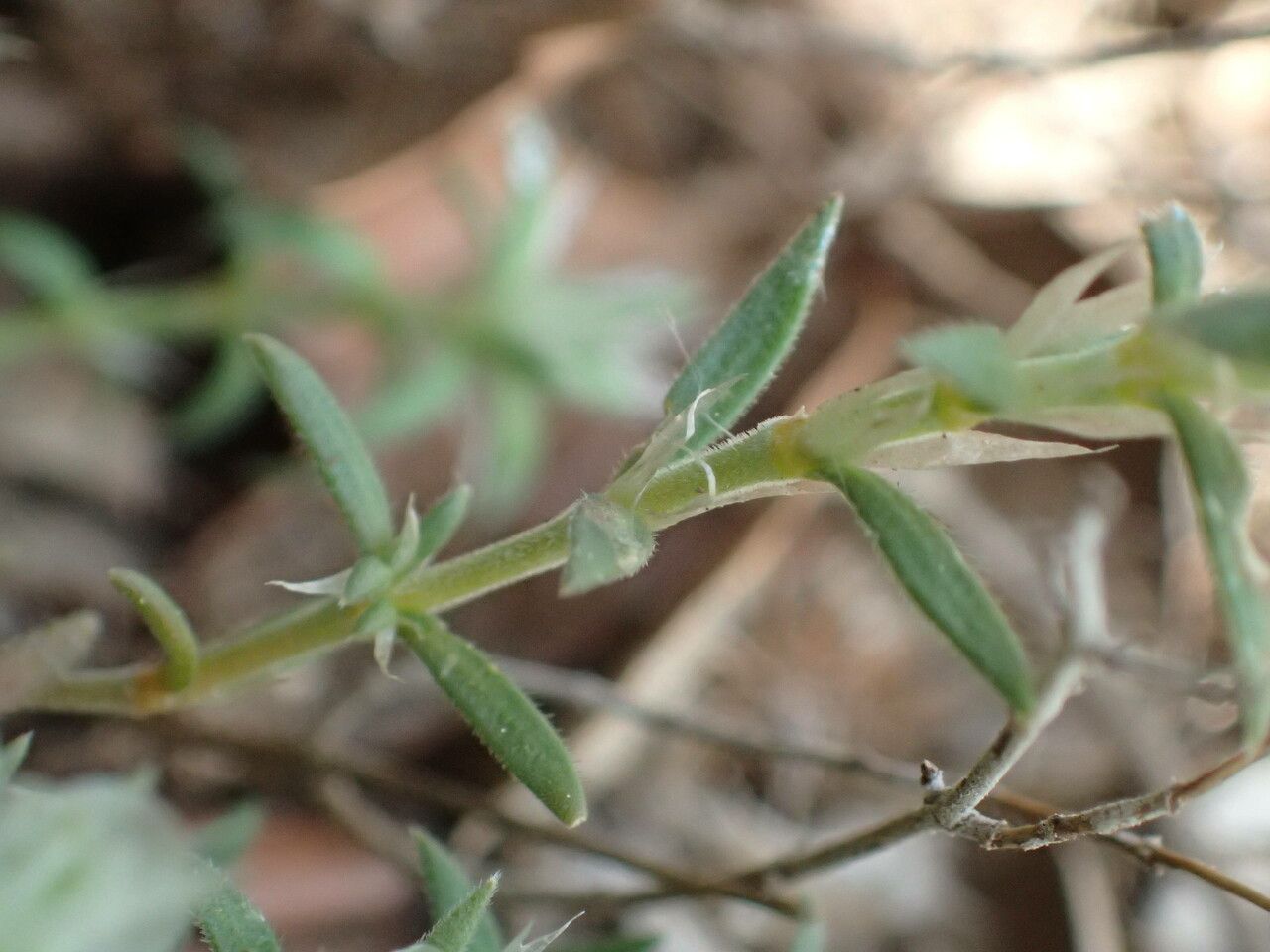
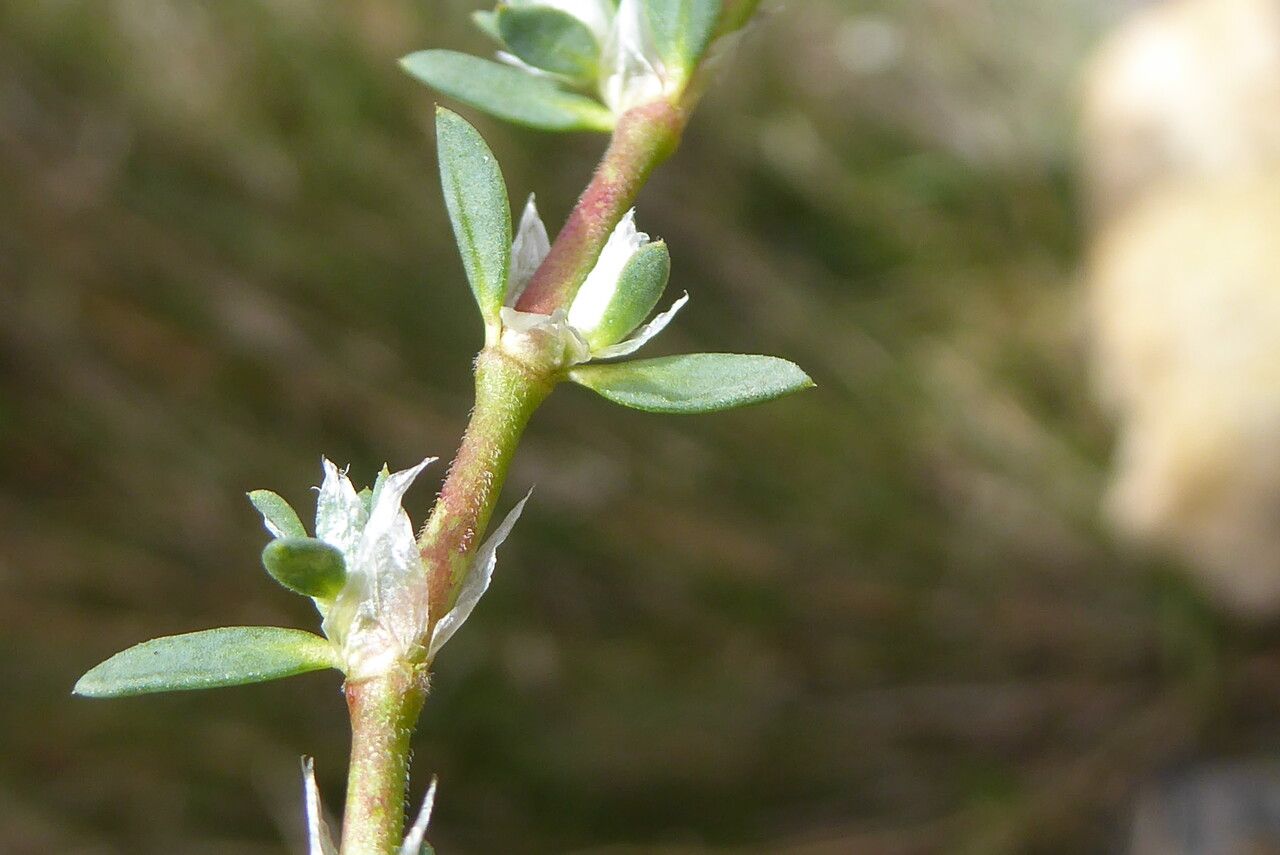
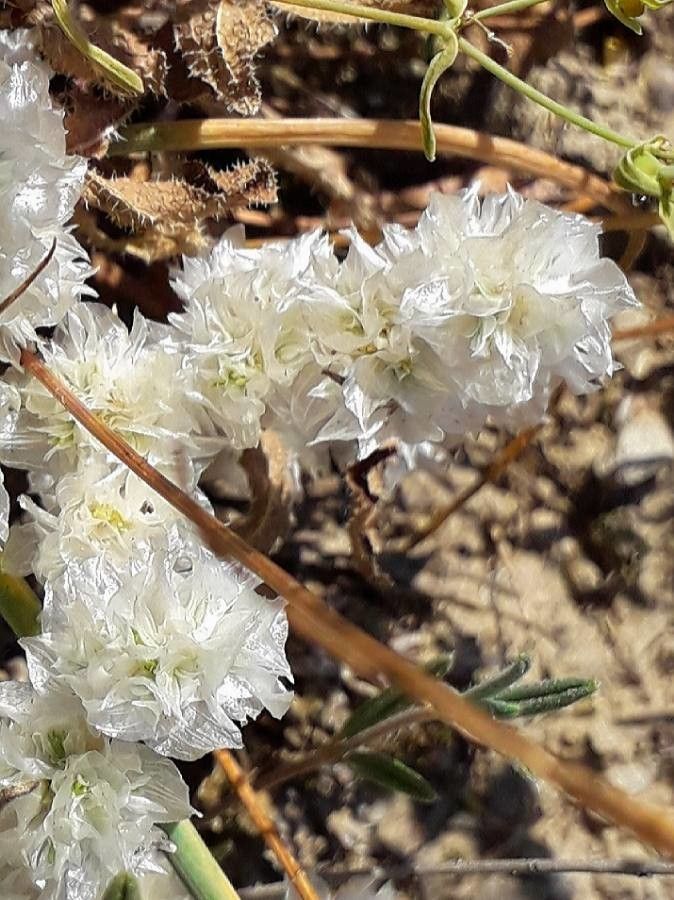
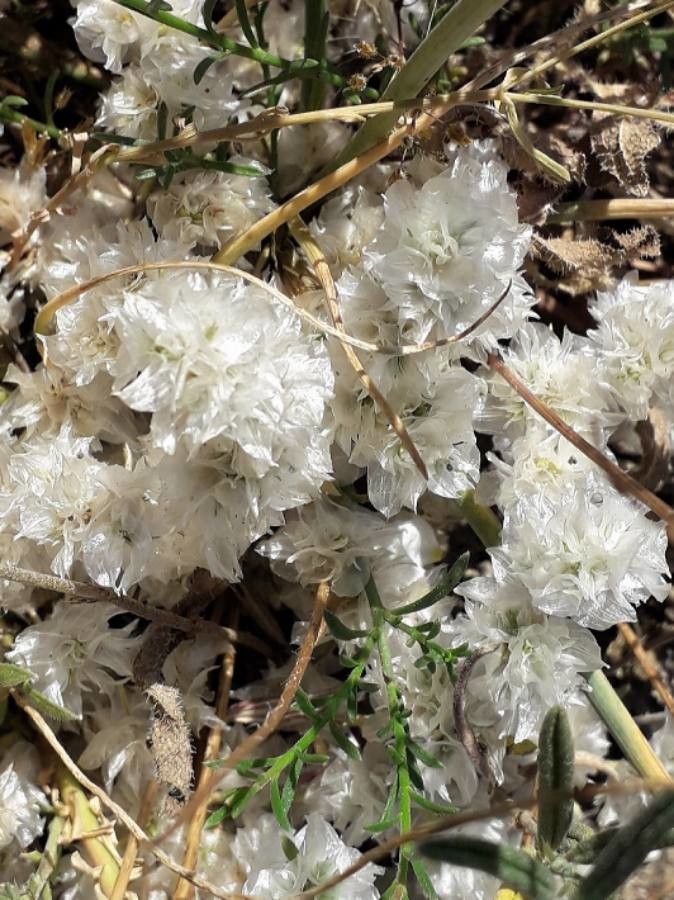
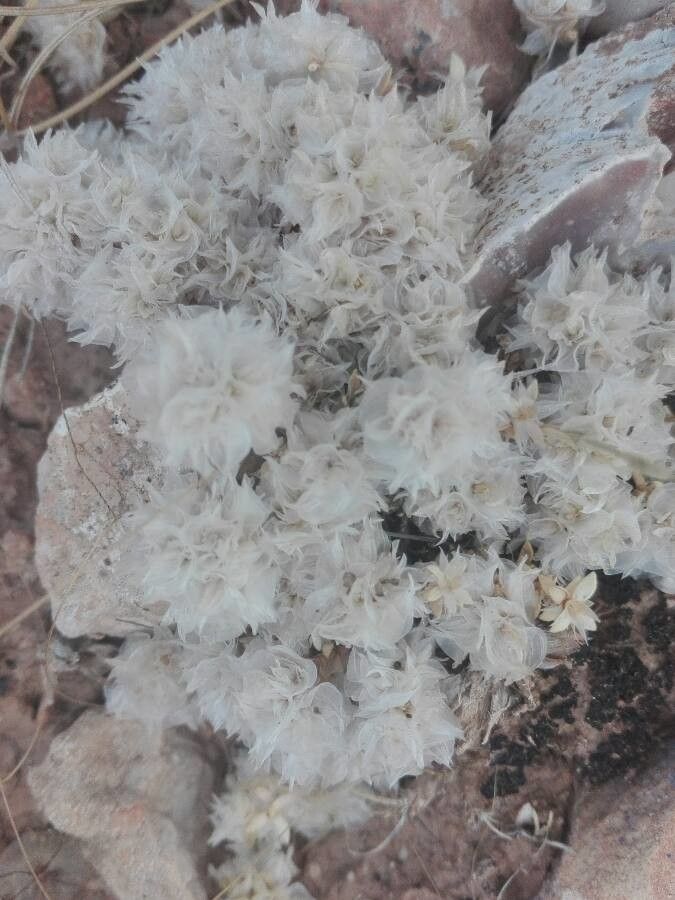
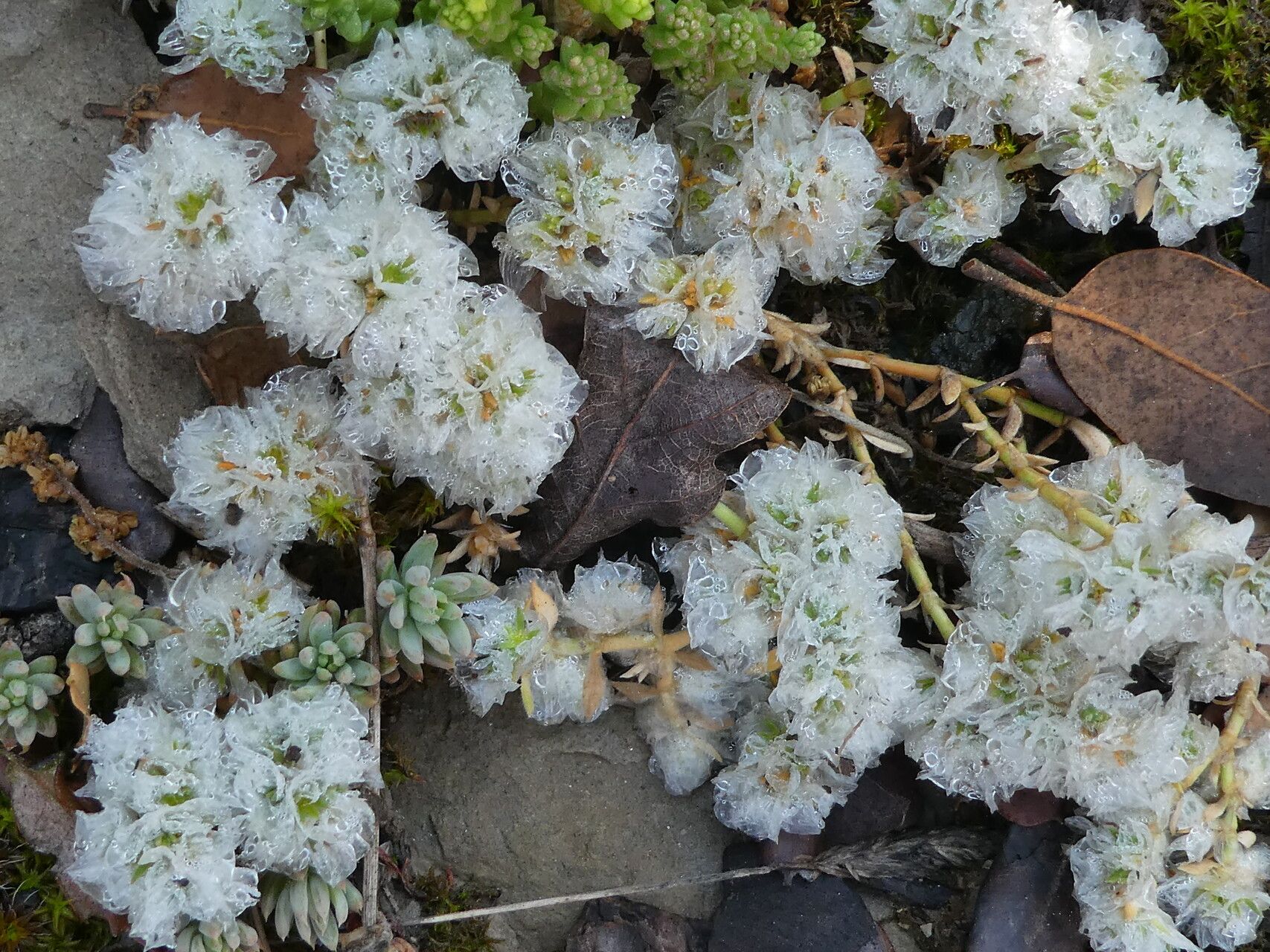
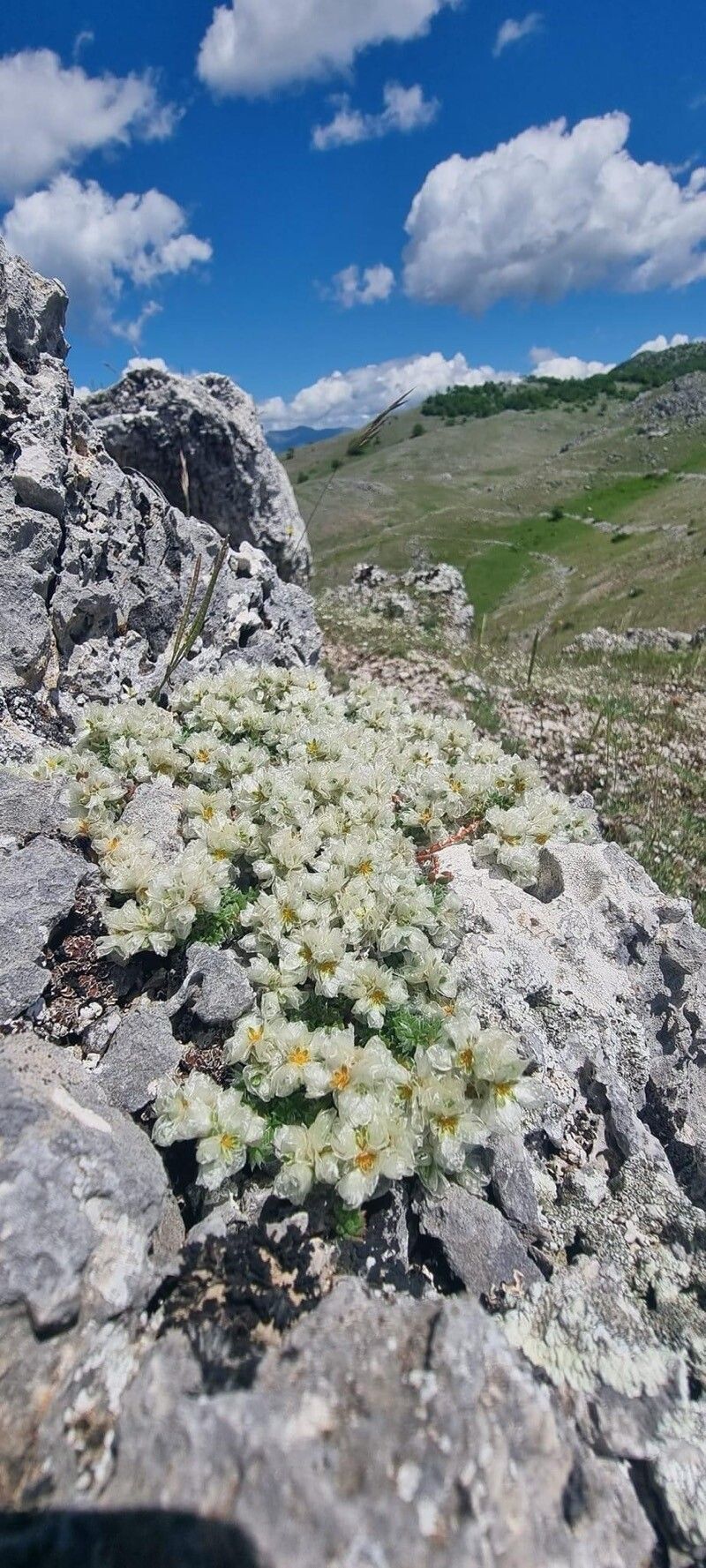
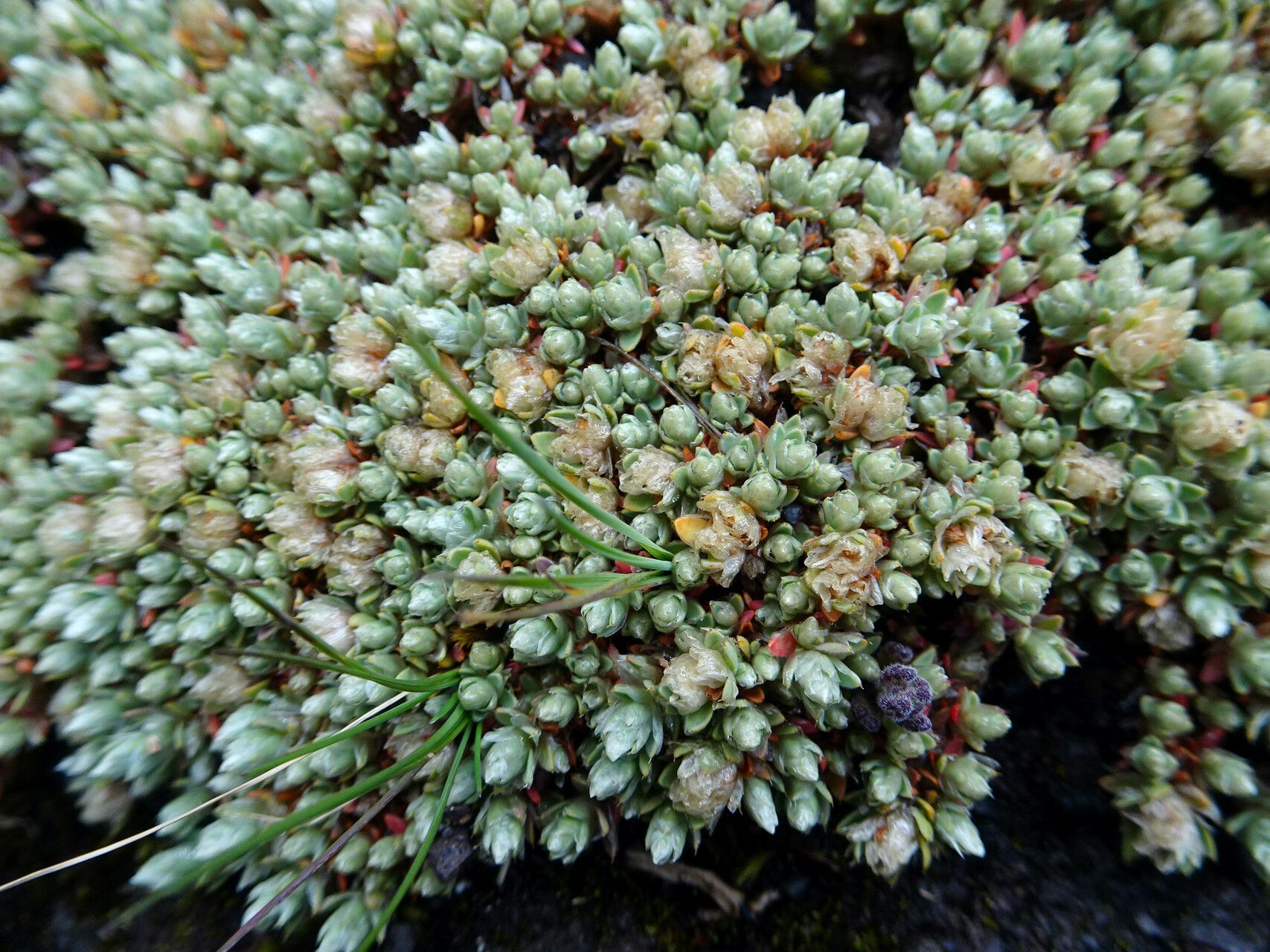
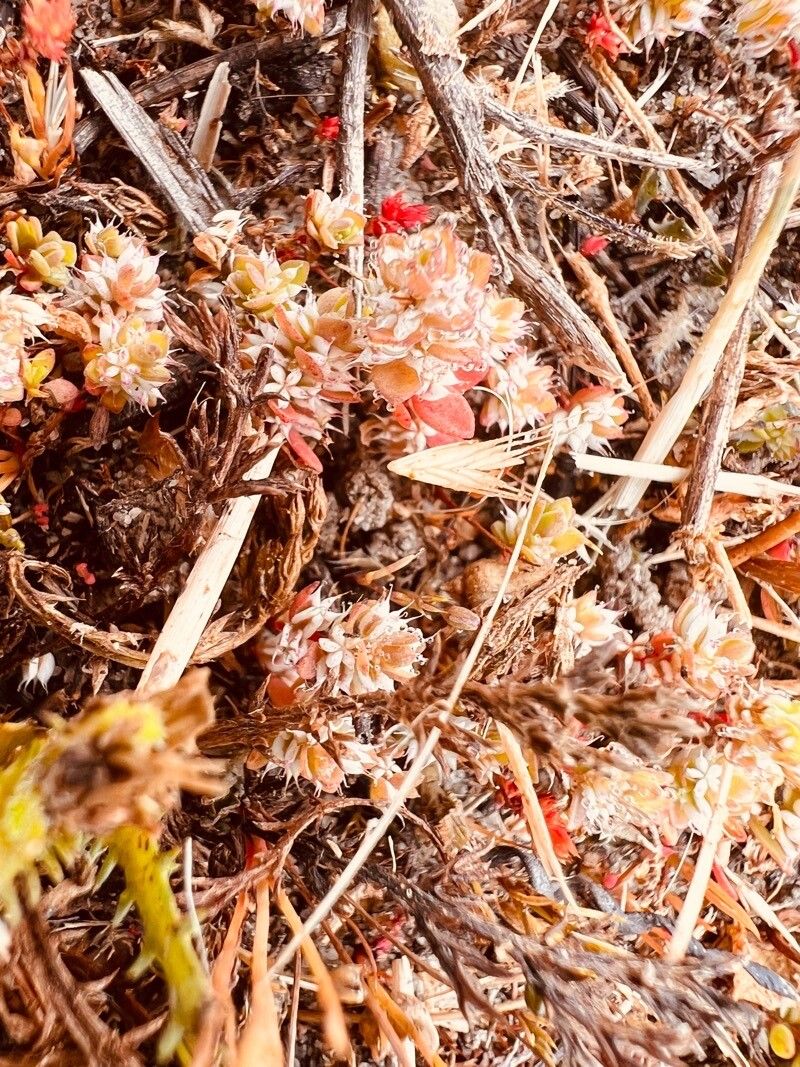
Paronychia capitata is fairly resistant to disease and is generally not easily affected by illnesses. However, it can be vulnerable to pests and diseases present in its surroundings. These infections are generally mild. As for care, the plant requires moderate maintenance. It should be pruned regularly to keep a tidy appearance and support healthy growth. Fertilizing can also aid in encouraging flowering. Paronychia capitata is appropriate for people with outdoor spaces like a garden or patio and does not demand extensive care experience. It may need more attention if grown indoors.
How to keep Paronychia Capitata.
Light
Paronychia capitata comes from bright, open habitats and performs best in full sun. It can endure partial shade but favors direct sunlight for optimal growth. This species, which may be annual or biennial, is recognized for its preference for sunny conditions.
Temperature
Paronychia capitata can tolerate a wide range of temperatures, but its distribution may still be restricted by different combinations of moisture and heat. It performs best in warm summer climates with adequate rainfall or irrigation. Extended periods of cloudy, rainy weather or prolonged high temperatures can raise the chance of Paronychia capitata dying. In winter, protecting it from cold can increase its survival rate.
Fertilizer
Paronychia capitata benefits from regular, dilute fertilizer applications to encourage healthy leaf growth. You should fertilize Paronychia capitata about once a month during the summer months. Nitrogen is essential for foliage, and supplementing with nitrogen-rich sources helps Paronychia capitata thrive.
Pruning
Paronychia capitata exhibits a dense, mat-forming growth pattern. To promote new growth, improve air circulation, and reduce the risk of disease, it is best to prune the plant from early to late spring. Be careful not to over-prune, as this can affect its natural shape and health. To extend the blooming period, regularly remove any spent flowers.
Botanical profile.
- Plant Type
- Herb
- Life Cycle
- Annual
- Genus
- Paronychia
- Family
- Caryophyllaceae
- Hardiness Zone
- 5-9
- Mature Height
- 5 cm to 15 cm
- Mature Spread
- 10 cm to 30 cm
- Leaf Color
- Silver, Light Gray
- Leaf Type
- Semi-evergreen
- Flower Size
- 0.20 cm to 0.51 cm
- Bloom Time
- Late spring, Early summer, Mid summer
- Planting Time
- Spring, Summer, Autumn
- Harvest Time
- Mid summer, Late summer, Early fall