Parrotia persica
Persian ironwood · Persian parrotia
Description
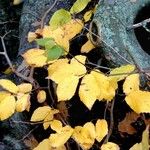
Source: leafsnapParrotia persica, commonly known as Persian ironwood, is a deciduous tree native to Iran. Belonging to the family Hamamelidaceae, this tree can reach heights of up to 20 meters. It features a rounded crown and smooth, grayish-brown bark. The oval-shaped leaves have serrated edges and display vibrant shades of orange, red, and purple in the fall. In late winter or early spring, before the leaves emerge, Parrotia persica produces small red flowers. These blooms are followed by small fruit capsules containing seeds that are dispersed by the wind. This tree thrives in well-drained soil with moderate moisture levels, though it can tolerate drought once established. It grows best in full sun or partial shade. Parrotia persica is valued for its ornamental qualities, including its striking bark coloration, vivid fall foliage, and early spring flowers, making it an excellent choice for landscaping. Additionally, the bark extract has been used for medicinal purposes, such as treating fever due to its anti-inflammatory properties. Overall, Parrotia persica is an attractive ornamental plant that offers year-round interest with minimal maintenance, making it an excellent addition to gardens and parks alike.
Care Guide
💧 Water Every 7 days
Persian ironwood is well-suited for arid conditions and displays excellent drought tolerance. It needs watering only once every one to two weeks. As a deciduous tree, it sheds its leaves during dry seasons to conserve water, demonstrating its adaptation to low-humidity environments.
☀️ Light Full sun
Persian ironwood is native to open settings, like sunny meadows and forest edges, which provide abundant light. It flourishes in Full Sun but can also endure Partial Sun, adapting readily to a range of sunlight conditions.
🌡️ Temperature 5–32.2°C
Persian ironwood does best in a climate similar to its native habitat, requiring temperatures of 41 to 89.6°F (5 to 32℃). Seasonal measures may include frost protection if temperatures drop below this range.
💨 Humidity
🪴 Soil 6-8
🌱 Fertilizer
Timing is important when fertilizing Persian ironwood. Apply fertilizer in early spring and continue once a month until early summer. Fertilizer encourages attractive blooms and provides energy during both dormant and active growth periods.
🪴 Pot & Repot
✂️ Pruning
The Persian ironwood is a deciduous tree known for its vibrant fall colors and distinctive bark. To keep the tree healthy, prune it in early spring by removing any dead or damaged branches. Regular, light pruning can improve air circulation and strengthen the tree's structure, promoting resilience and longevity.
🌿 Propagating
🐛 Diseases & pets
☠️ Toxicity
Characteristics
- Plant Type
- Tree
- Life Cycle
- Perennial
- Genus
- Parrotia
- Family
- Hamamelidaceae
- Hardiness Zone
- 5-8
- Mature Height
- 6.1 m to 12.19 m
- Mature Spread
- 4.57 m to 9.14 m
- Leaf Color
- Red, Purple, Green, Orange, Bronze
- Leaf Type
- Deciduous
- Flower Color
- Red
- Flower Size
- 2.54 cm
- Bloom Time
- Late winter, Early spring
- Planting Time
- Spring, Autumn
- Harvest Time
- Mid summer, Late summer, Early fall
- Native Area
- Uzbekistan, Iran, Azerbaijan