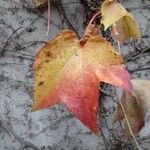
Parthenocissus tricuspidata
Σβάιτς · Παρθενόκισσος τρίλοβος · Boston ivy · Japanese-creeper · Japanese-ivy
Description
Source: leafsnapParthenocissus tricuspidata, commonly known as Boston ivy or Japanese creeper, is a deciduous vine native to eastern Asia. This plant is popular for its attractive foliage and its ability to climb walls and other structures. The large, three-lobed leaves turn a bright red in the fall, creating a stunning visual display. In the summer, the plant produces small, greenish-white flowers that are followed by blue-black berries in the fall. Boston ivy is easy to grow and can tolerate a wide range of soil types and growing conditions. It can be used as ground cover or trained to climb walls, trellises, or fences, offering an impressive display of foliage color throughout the growing season.
🌳 Boston ivy, not just an ornamental vine on walls, also plays an important role in tracking urban pollution. It acts as a bioindicator by absorbing lead from sources like deteriorating paint. Measuring the lead levels in its leaves gives insight into airborne pollutant concentrations, effectively making it a covert environmental monitor.
🎭 Faithfulness, Marital Love, Affection
Care Guide
💧 Water Every 7 days
Boston ivy, originally from East Asia, thrives in humid temperate regions. While it prefers consistent moisture, it is moderately drought-tolerant once established. For optimal growth, water it weekly, as rainwater can enhance its hydration. This helps support its vigorous climbing habit during the growing season.
What is the most effective way to give water to my Boston ivy plant?
To ensure excellent root development, consider using a garden hose at the base of your plants. Avoid spraying the leaves directly, especially if they are outdoors and exposed to direct sunlight. You can use bubblers to moisten the roots of each plant or soaker hoses to cover the entire garden or bed. When adding or removing plants, make sure to water deeply to promote deep root growth. Remember to drain any excess water and allow the soil to dry before watering again. Watering at ground level can help prevent diseases. If it's a sunny day, it may be beneficial to spray the entire bush with water. Whether your Boston ivy is potted or in the ground, keep in mind that it prefers deep watering rather than light sprinkling.
What should I do if I give the Boston ivy too much or too little water?
An overwatered Boston ivy will show signs of yellowing leaves, leaf dropping, and wilting. The plant may appear dull and unhealthy, with mushy stems. Adjust your watering schedule when you notice these signs. Wilting can also be a sign of under watering, which will cause crispy and dry leaves. If the soil is dry and watering alone is not enough, give the plant a thorough watering. However, even with enough water, the damaged root system may result in yellow and dry leaves for a few more days. Once the plant returns to normal, the yellowing of leaves will stop. When keeping Boston ivy indoors, always check moisture levels and avoid overwatering. Look out for black spots, and if present, let the soil dry out for a few days before watering again. Overwatering can cause root rot, so transfer the plant to a different pot if you notice discolored and slimy roots. Prevent root rot by avoiding overly soggy soil. When planting Boston ivy outdoors, make sure to check the moisture level of the soil. If it is too dry, it could mean underwatering, so ensure adequate watering to aid in plant recovery.
How many times should I water my Boston ivy?
The Boston ivy prefers deep and infrequent watering, especially when planted in pots. Potted plants have limited water storage and the soil dries out faster. In cold regions, water every 3 to 5 days, preferably in the morning when the soil is dry. Check the soil's moisture level by touching the top 2-3 inches. If it's dry, it's time to give the plant a full watering. Hot days may require daily moisture checks, as the pot soil dries out quickly. If you have a garden, water once a week in hot climates when the soil is 2-3 inches dry. Be mindful of rainfall to avoid overwatering and root rot. When Boston ivy is grown outdoors, add a 3-4 inch layer of mulch to conserve water. Sandy soil drains faster, so water more frequently in sandy soil. Clay soil, on the other hand, needs less frequent watering to avoid root rot; wait 2-3 days between waterings. Keep track of watering dates on a calendar and pay attention to drooping leaves, which may indicate the need for watering.
How much water should I give my Boston ivy?
The Boston ivy generally needs about a gallon of water on a regular schedule. For potted plants, water them deeply until you see water dripping from the bottom of the pot, then wait for the soil to dry before watering again. Use a water calculator or moisture meter to determine how much water you've given your plant in a week. During the flowering period, provide plenty of water but let the moisture evaporate to prevent root rot. If the Boston ivy is planted outside and has sufficient rainfall, it may not need extra watering. However, when it's young or newly planted, make sure it receives 1-2 inches of rain per week. As it grows, it can rely solely on rainfall. Only water it fully during cool moments of the day when the weather is too hot or when there has been no rain for 2-3 weeks to prevent heat damage. Additional watering is necessary during extended dry periods.
Should I water my Boston ivy more or less depending on the time of year or the weather?
The Boston ivy needs rain when it is outdoors, but you only need to water it if the weather is consistently dry. In the spring and fall, the soil should be moist but not soggy, and alternating dry and moist soil conditions are best for the plant's growth. In the summer, hot weather can cause water to evaporate quickly, so you may need to water more frequently if there is a lack of rainfall. In winter, the Boston ivy needs less water because it drops its leaves and goes dormant. Use well-draining soil with moisture retention, like terracotta, to help with water evaporation. Once the Boston ivy starts to leaf out in spring, you can skip watering altogether, as it will rely on fall and winter rains during its dormant period. During this time, ensure good drainage to prevent ponding. If the plant is in a pot, it has limited root growth, so keep it well-watered, especially in summer. Avoid cold and wet roots by providing adequate drainage. It's best to water the entire root system deeply once or twice a week, depending on the weather, rather than using shallow sprinkles that reach the leaves. Even during fall or winter dormancy, do not let the Boston ivy dry out completely. Avoid over-watering to prevent the plant from sitting in water for too long, as this can cause it to die, especially in winter. Applying mulch can help reduce stress, conserve water, and promote healthy blooms.
☀️ Light Full sun
Boston ivy grows best in full sun but is notably tolerant of lower light levels and even shaded areas. Excessive shade, however, can reduce its vivid coloration. In its native environment it grew under varying sunlight, demonstrating its adaptable tolerance for different light exposures.
What are the sun requirements for Boston ivy?
Boston ivy requires full sun, meaning it thrives with more than 6 hours of direct sunlight daily. It can also tolerate partial sun or full shade, which constitutes about 3-6 hours of sunlight. It's essential to observe how sunlight moves through your garden to identify spots that offer the optimal balance of light and shade, ensuring the plant's health and happiness. In its native ecosystems, Boston ivy is accustomed to variable sunlight, indicating its flexibility in adapting to different light conditions. Excessive shade, however, might hinder its vibrant color display.
How does artificial lighting affect the growth of Boston ivy indoors?
When natural sunlight is insufficient, especially during winter or in less sunny spaces, artificial lighting provides a crucial alternative to support optimal growth in Boston ivy. Indoor plants benefit significantly from the right type of artificial light, such as LED lights, as they can be tailored to the specific wavelengths needed by the plants. For full sun plants, 30-50W/sq ft of artificial light is recommended, while partial sun plants should receive 20-30W/sq ft, and full shade plants need 10-20W/sq ft. The artificial light source should be placed 12-36 inches above the plant to imitate natural sunlight conditions. The duration of exposure should mimic the plant's natural daylight hours, typically 8-12 hours per day.
What are the symptoms of inadequate light in Boston ivy, and how can they be addressed?
Boston ivy may show various symptoms indicating light deficiency, such as smaller new leaves, leggy or sparse growth, faster leaf drop, slower or halted new growth, lighter-colored new leaves, chlorosis, sunscald, leaf curling, wilting, and leaf scorching. To remedy these issues, gradually increase the plant's exposure to sunlight by relocating it to a sunnier spot each week, ensuring at least 6 hours of direct sunlight daily, or use artificial lighting if natural light is insufficient. For outdoor plants, avoid drastic changes in light exposure to prevent sunburn. Removing obstructions that block sunlight and transplanting smaller plants to sunnier locations during their dormant period can also improve light availability.
🌡️ Temperature 5–35°C
In its native growth environment, boston ivy favors temperatures from 41 to 95 ℉ (5 to 35 ℃). In winter, however, it can withstand temperatures down to -30 ℉ (-34 ℃) if given adequate insulation and protection. In summer, it does best in partial shade in hot climates, where temperatures may reach up to 90 ℉ (32 ℃).
What are the ideal temperature conditions for Boston ivy?
Boston ivy thrives in temperatures ranging from 41°F to 95°F (5°C to 35°C) in its native growth environment. It can tolerate the winter chill down to -30°F (-34°C) with proper insulation. During winter, it usually doesn't require special frost protection thanks to its strong cold resistance, but in extremely cold temperatures below its tolerance threshold, protective measures like wrapping the trunk and branches in non-woven fabric are advisable. Adequate watering before the first freeze in autumn is also crucial to ensure the soil remains moist, which aids the plant during winter and early spring.
How does Boston ivy react to seasonal temperature changes?
In the cold months, Boston ivy shows a remarkable tolerance, generally thriving as long as temperatures are above its critical low threshold. If temperatures dip below this point, the plant may not show immediate damage during winter, but come spring, the branches could turn brittle and dry with a noticeable absence of new shoots. Through the heat of summer, it's essential to keep the plant below its maximum tolerable temperature. Exceeding this can cause the leaves to lighten, tips to wither, and increase susceptibility to sunburn. Strategic pruning of dead or sunburned sections and ensuring the plant has partial shade or is watered consistently during cooler parts of the day can mitigate these issues.
💨 Humidity
🪴 Soil 6-7
🌱 Fertilizer
Fertilize your Boston ivy in early spring to encourage healthy growth. Regular feeding boosts overall health, leading to vigorous growth, better hardiness in difficult conditions, and increased resistance to pests and diseases. Follow a set fertilization routine for your Boston ivy to keep the foliage vibrant with deep color and a lush appearance.
Why should I add fertilizer to my Boston ivy?
No matter what type of Boston ivy you have, regular fertilization is key for maintaining its overall health. Providing the right nutrients will result in stronger growth and enhanced resilience to challenging conditions, as well as improved ability to combat diseases and pests. Preserving the foliage of your Boston ivy is crucial as it is one of its most appealing features. To achieve this, you need to establish and stick to a fertilization schedule tailored to your specific type of Boston ivy. By doing so, you can expect vibrant leaves with rich color and a lush appearance.
When should I fertilize my Boston ivy?
To keep your Boston ivy healthy and promote growth, fertilize it twice a year: the first time in late winter or early spring, and the second time in early fall if you live in a warm climate. Fertilizing in late winter/early spring provides essential nutrients for healthy growth when the temperature increases. Fall fertilization adds nutrients for the following growing season and helps the ivy withstand the winter cold without damage. This will also give the new branches enough time to grow strong before winter arrives.
When is it better to not fertilize my Boston ivy?
There are a few times of the year when you shouldn't fertilize your Boston ivy. First, in the early and mid-winter months when the plant is dormant and doesn't require feeding. It's also not recommended to fertilize during late spring and summer when the weather is typically hotter and drier. Fertilizing during these times can have a negative effect on the plant. To prevent any issues, stick to a fertilization schedule that includes feeding only in early spring and early fall.
Which fertilizer is best for my Boston ivy?
Boston ivy needs nitrogen, phosphorus, and potassium for optimal growth. While nitrogen is the most important nutrient, phosphorus and potassium are still necessary. Using a balanced fertilizer like a 10-10-10 can be beneficial. However, a ratio with slightly higher nitrogen, such as 10-6-4, often leads to better growth. Fertilizers can be granular or liquid-based.
How do I make my Boston ivy grow better?
To fertilize your Boston ivy, you have two options. The first is to use a granular fertilizer, which you will sprinkle on the soil at the appropriate time. This type of fertilizer releases nutrients slowly over time. It's recommended to lightly water your Boston ivy before applying the fertilizer. Alternatively, you can use a liquid fertilizer, although this is less common. To do so, mix the fertilizer with water and pour it around the base of your Boston ivy. It may be a good idea to perform a soil test before fertilizing to determine if any pH adjustments are necessary.
🪴 Pot & Repot Every 12 months
✂️ Pruning
Boston ivy is a fast-growing, self-clinging vine that requires regular pruning, ideally in early spring. Pruning helps to remove dead branches, improve airflow, and reduce the risk of disease. Trimming the vine back to its main stems promotes a tidy appearance and encourages healthy, dense foliage for robust growth throughout the season.
🌿 Propagating
🐛 Diseases & pets
☠️ Toxicity
Characteristics
- Plant Type
- Vine
- Life Cycle
- Perennial
- Genus
- Parthenocissus
- Family
- Vitaceae
- Hardiness Zone
- 4-10
- Mature Height
- 29.87 m
- Mature Spread
- 0.91 m to 3.05 m
- Leaf Color
- Green, Red, Purple
- Leaf Type
- Deciduous
- Flower Color
- Green
- Flower Size
- 2.54 cm
- Bloom Time
- Early summer, Mid summer
- Planting Time
- Spring, Autumn
- Harvest Time
- Mid summer
- Native Area
- Russia, Vietnam, Japan, Koppen, South Korea, China