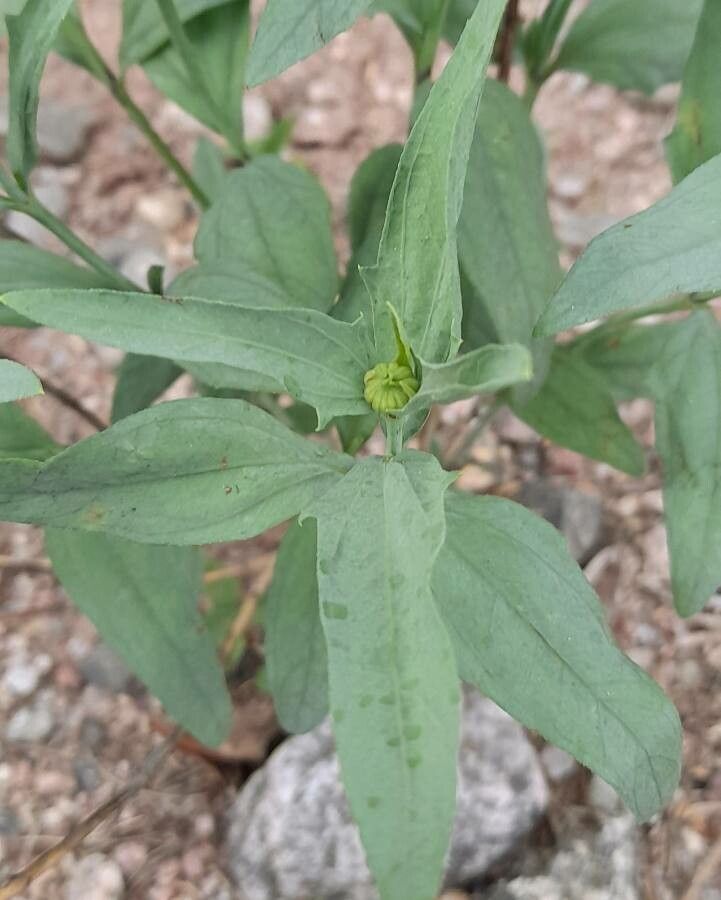
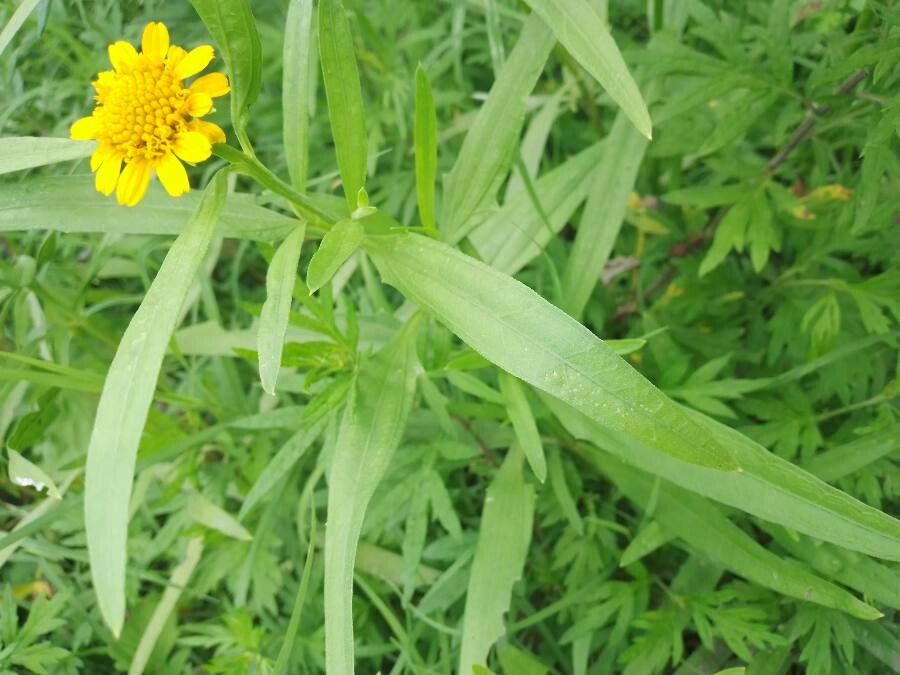
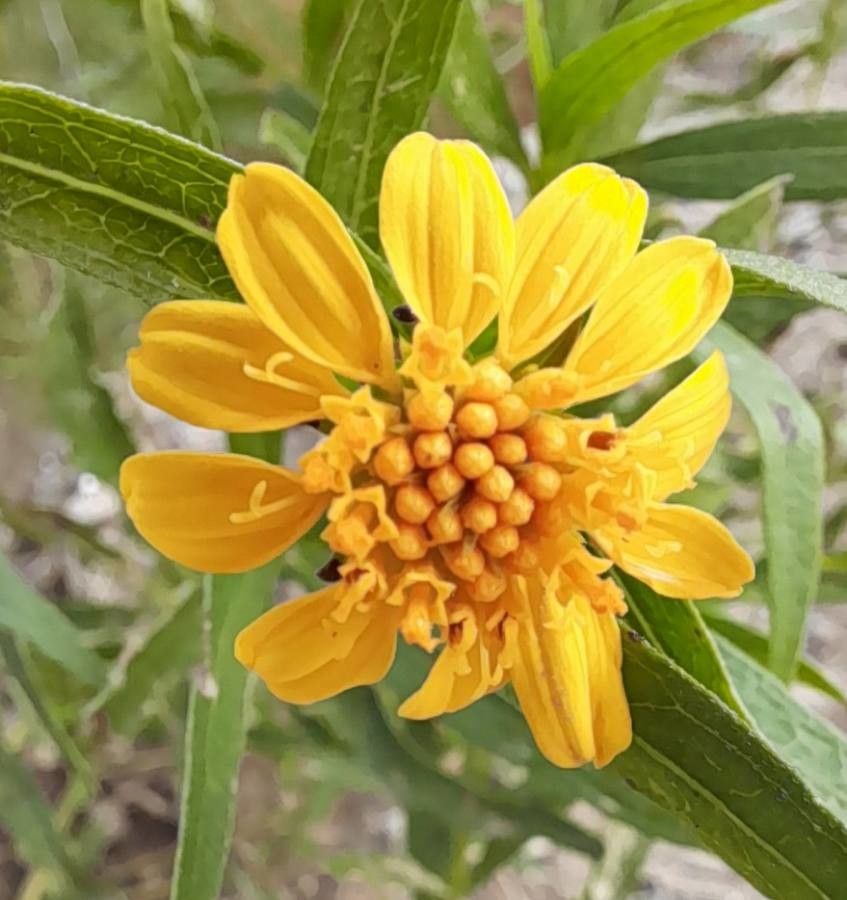
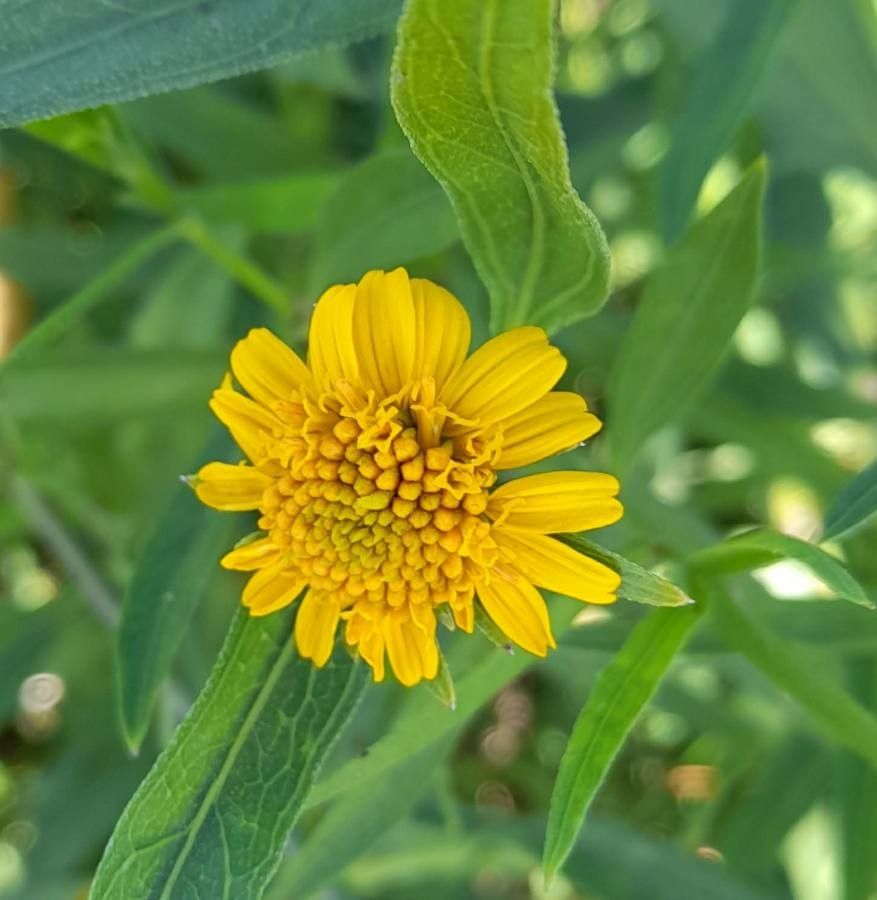
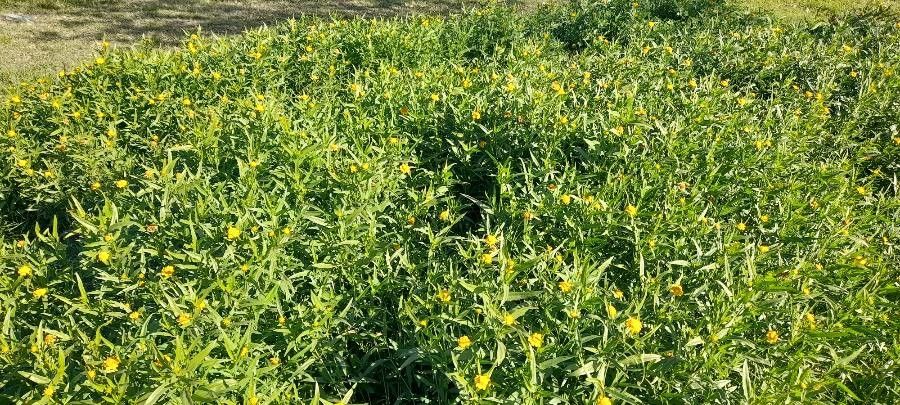
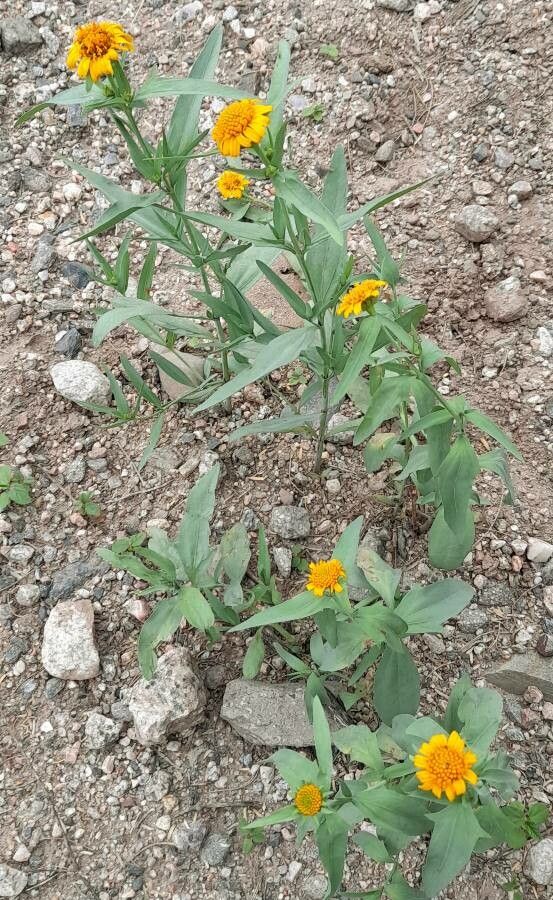
Beach creeping oxeye has strong disease resistance and is generally not prone to illnesses. However, it can be vulnerable to pests and diseases present in its environment. These issues are typically not severe. Regarding care, this plant requires moderate maintenance. It should be pruned regularly to keep a good appearance and support healthy growth. Fertilizing can also help encourage flowering. Beach creeping oxeye is suitable for anyone with an outdoor area, such as a garden or patio, and does not demand much experience in plant care. It may need more attention when cultivated indoors.
How to keep Pascalia Glauca.
Light
Beach creeping oxeye is a sun-loving, perennial herbaceous plant native to open habitats, often thriving in meadows and grasslands. It prefers full sun but can also tolerate partial sun conditions.
Water
The beach creeping oxeye thrives in coastal environments, preferring areas with consistent moisture but capable of enduring short periods of drought. For optimal health, it should be watered weekly. This plant is notably salt-tolerant, making it well-suited for sandy soils where the availability of freshwater can fluctuate.
Temperature
Beach creeping oxeye is fairly adaptable to temperature, able to endure high heat and wide temperature swings. In hot weather, attention should be given to watering and providing appropriate shade to prevent sunburn. However, Beach creeping oxeye has relatively low tolerance for cold; while it can handle some chill, very cold conditions can cause frost damage.
Fertilizer
The best time to fertilize a Beach creeping oxeye is in early spring, as it comes out of dormancy and begins active growth. Fertilizing supplies essential nutrients for healthy development. Although the Beach creeping oxeye has relatively low fertilizer requirements, applying fertilizer once a year can improve its survival and encourage better, longer-lasting flowers.
Pruning
Beach creeping oxeye is a low-growing plant known for its vibrant flowers. To keep it in optimal condition, it's important to prune it from early to late spring. This process helps remove dead stems, promotes better airflow, and maintains its shape. Regular pruning encourages growth, enhances blooming, and aids in pest management, ensuring that your beach creeping oxeye stays healthy and attractive throughout the season.
Botanical profile.
- Plant Type
- Herb
- Life Cycle
- Perennial
- Genus
- Pascalia
- Family
- Asteraceae
- Hardiness Zone
- 9-11
- Mature Height
- 30 cm to 61 cm
- Mature Spread
- 30 cm to 46 cm
- Leaf Color
- Green, Dark Green
- Leaf Type
- Deciduous
- Flower Color
- Yellow
- Flower Size
- 3.05 cm to 5.08 cm
- Bloom Time
- Summer, Fall
- Planting Time
- Spring, Summer, Autumn
- Harvest Time
- Late summer, Fall, Early winter
- Native Area
- Bolivia
Other names.