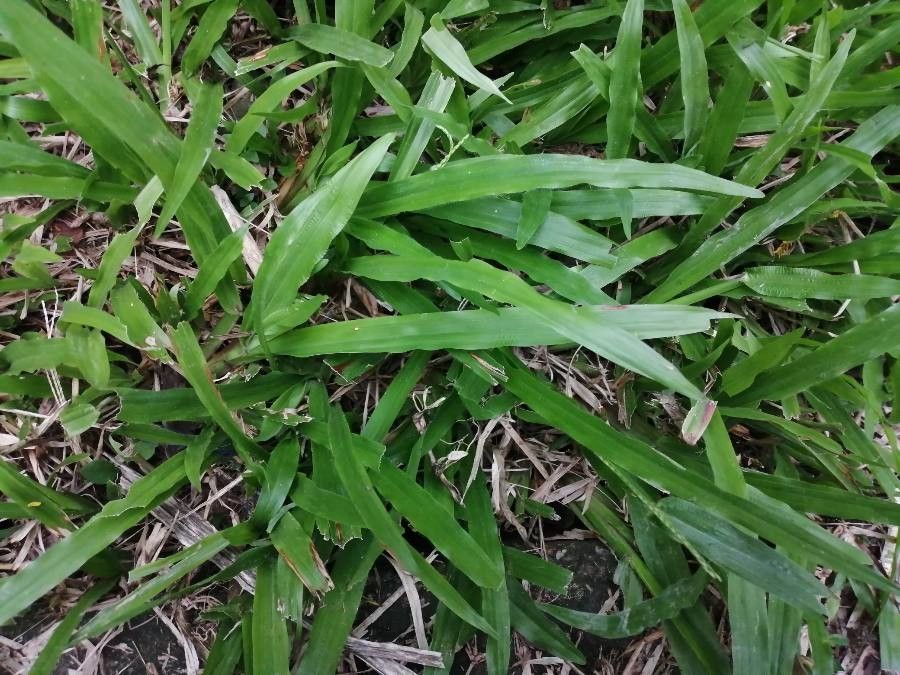
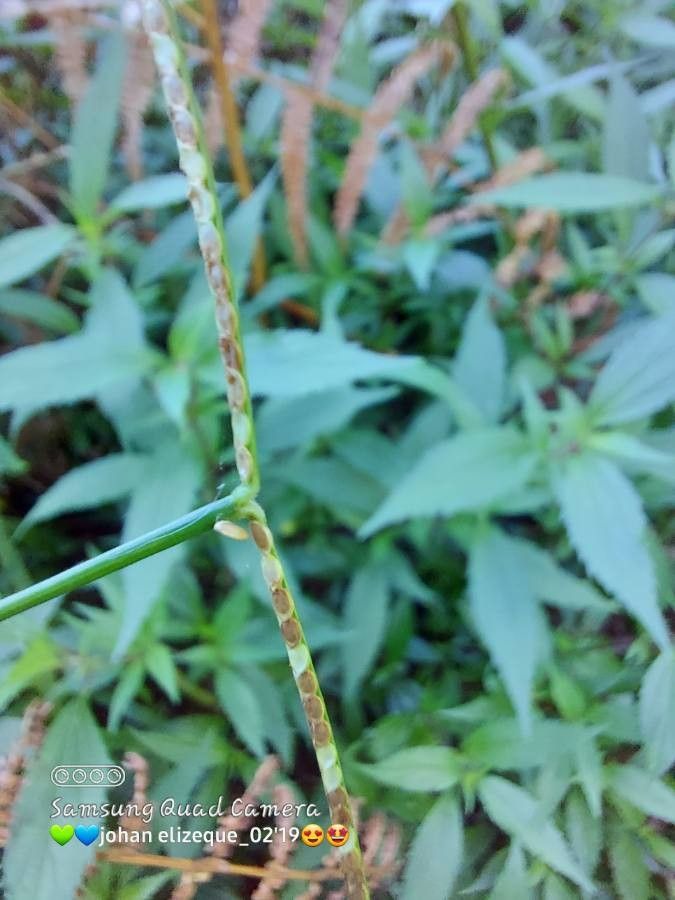
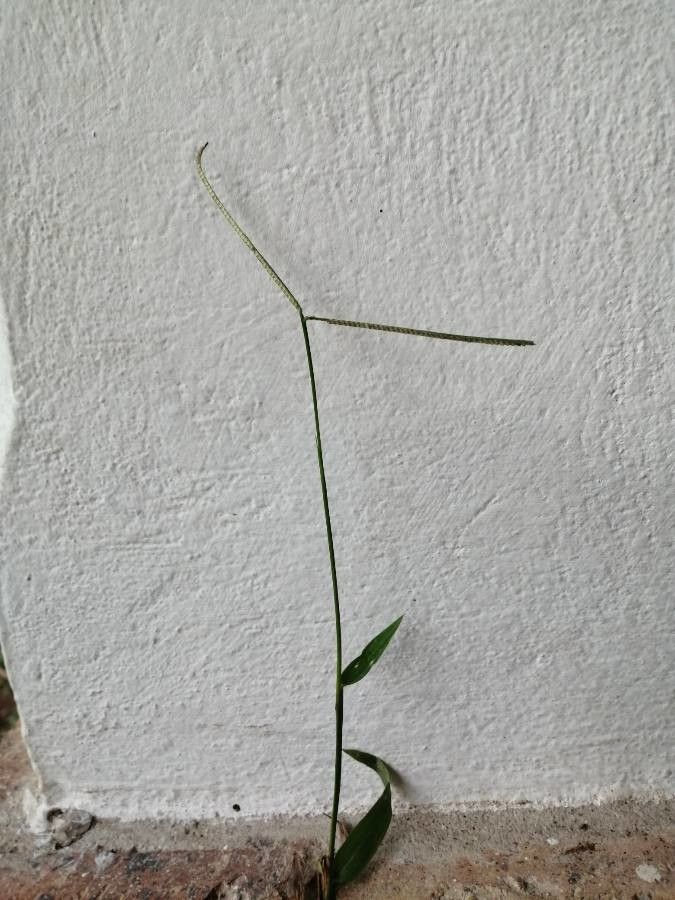
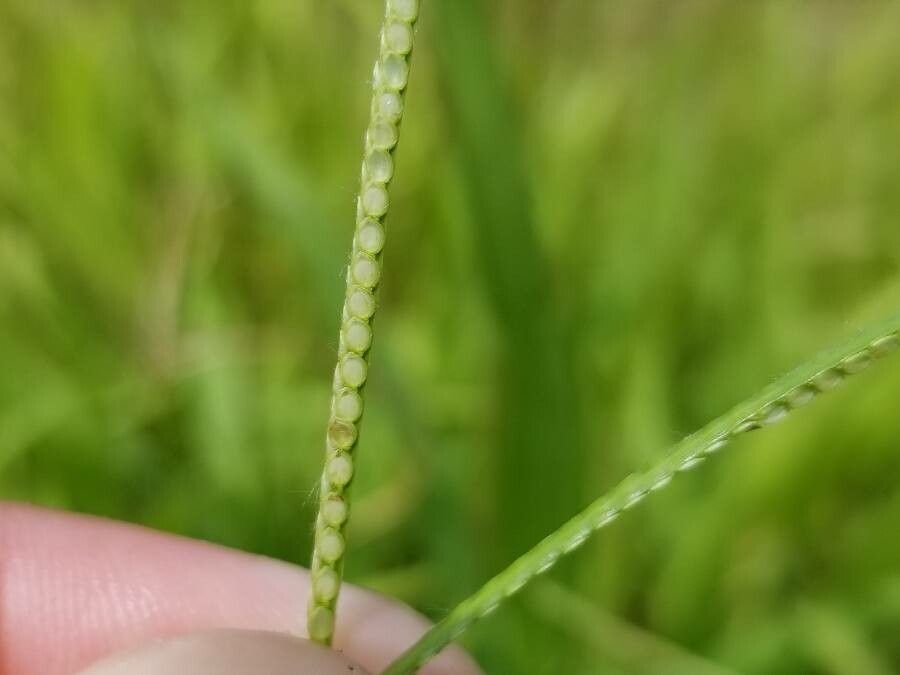
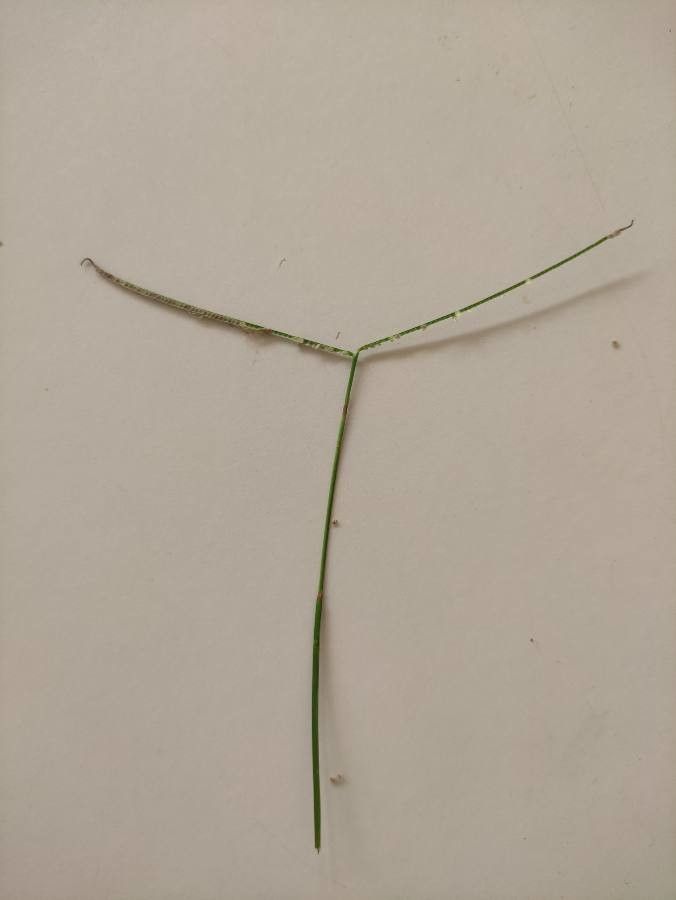
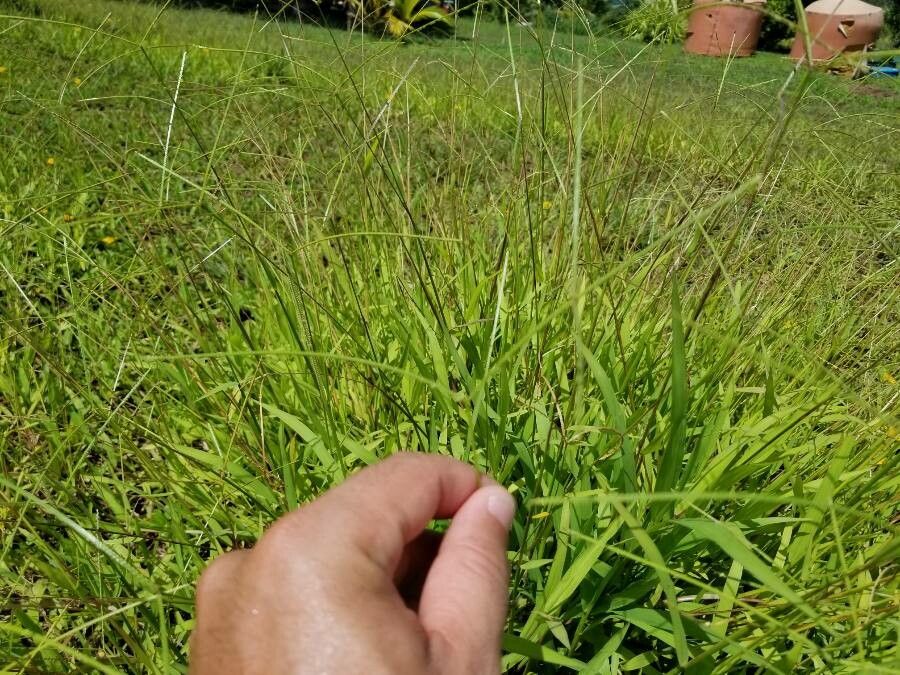
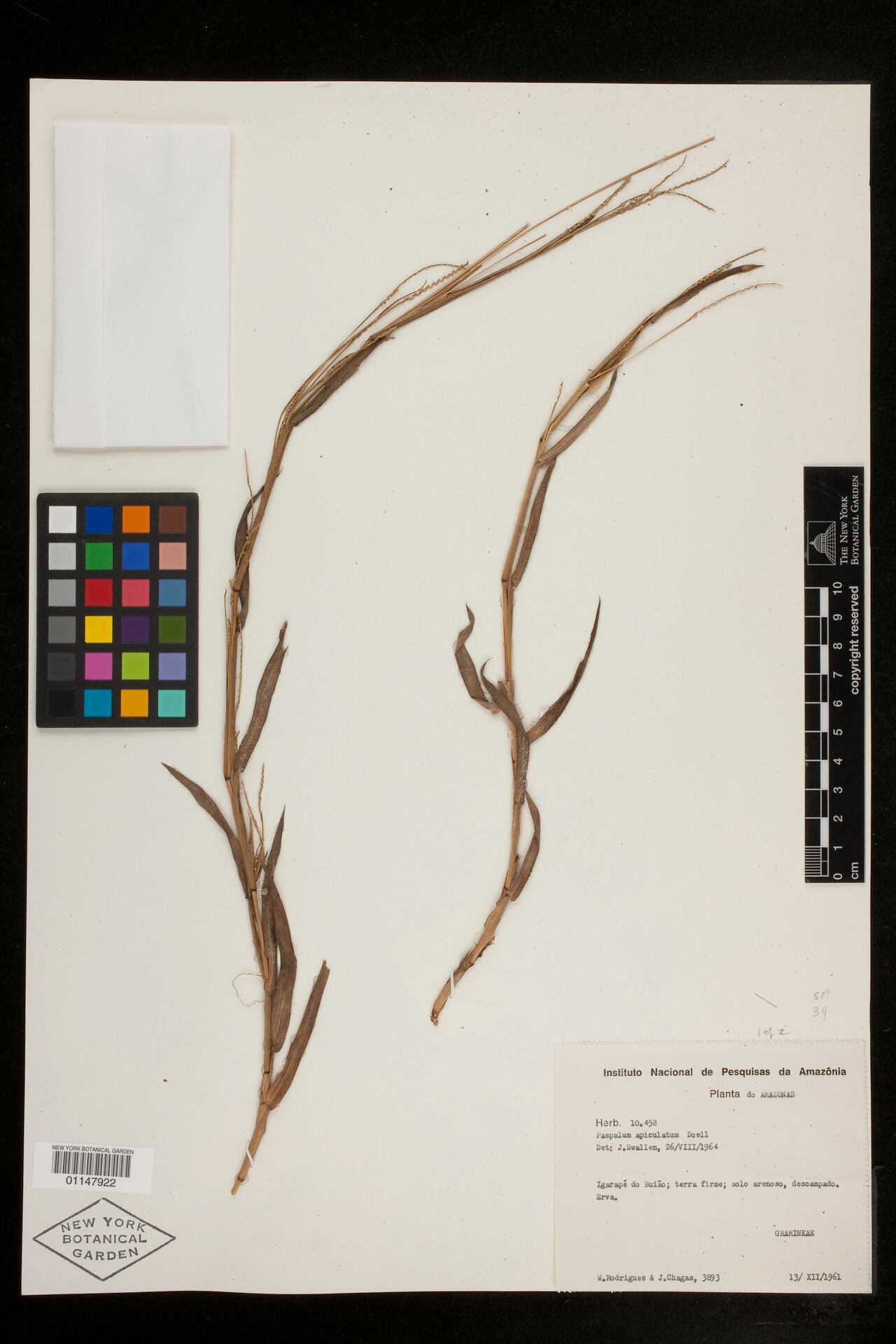
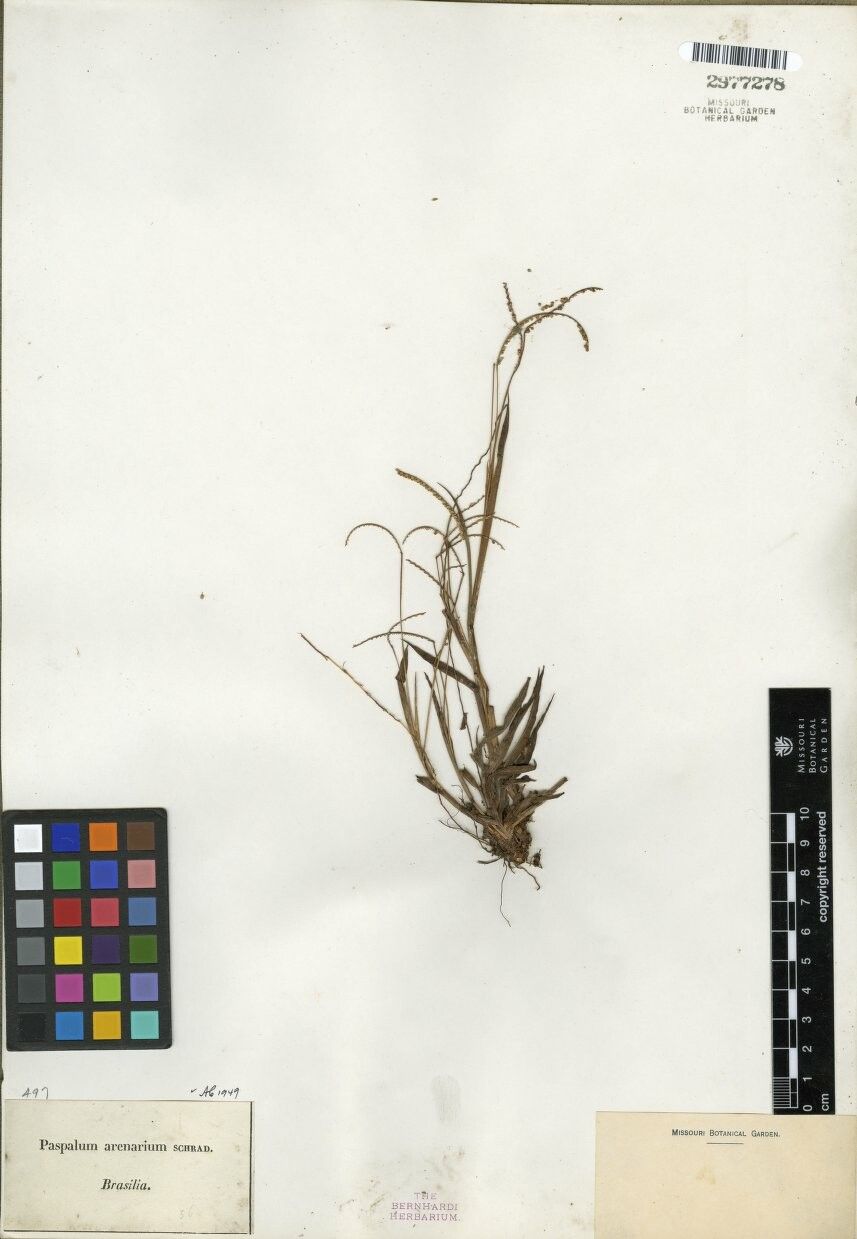
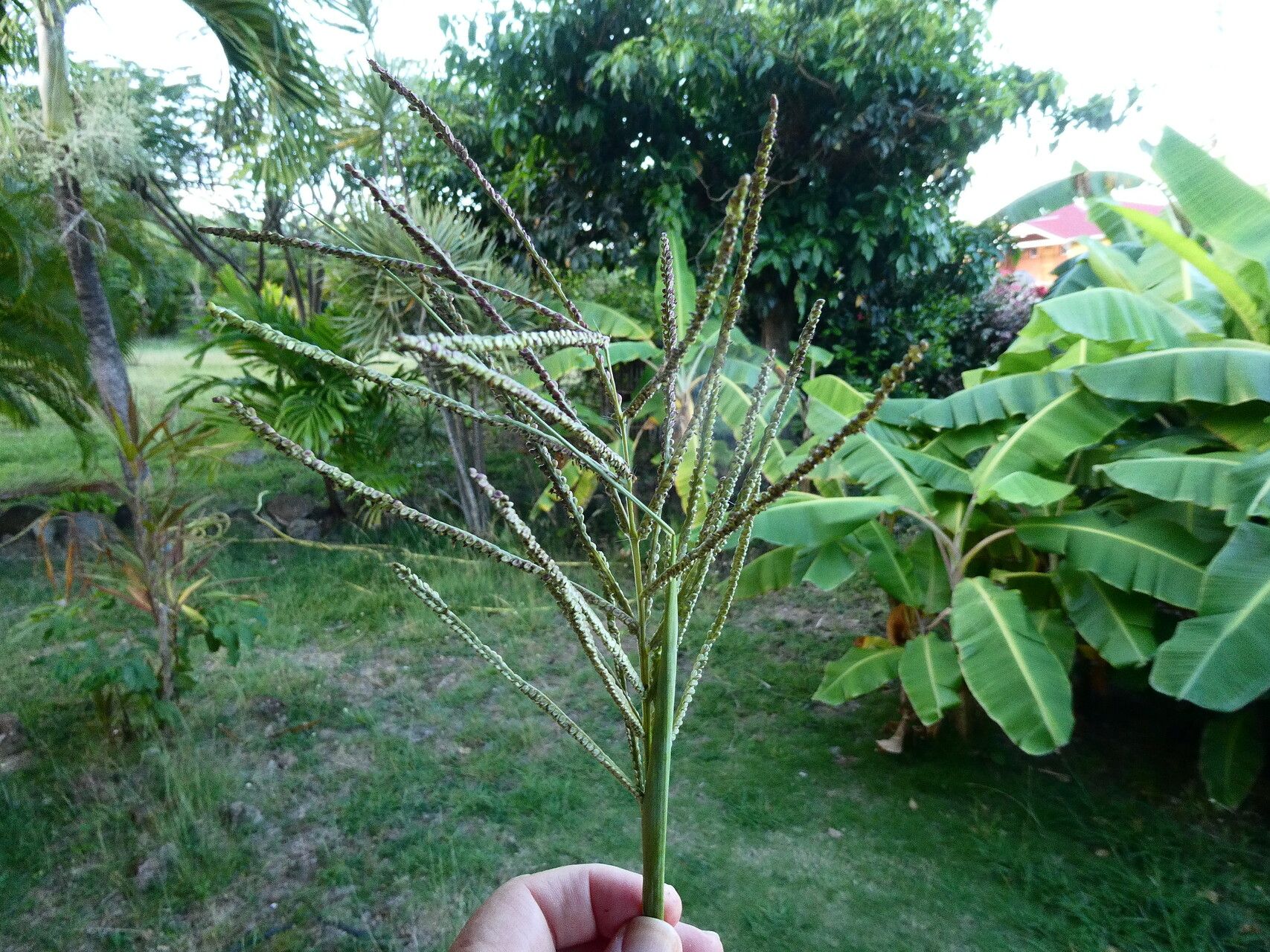
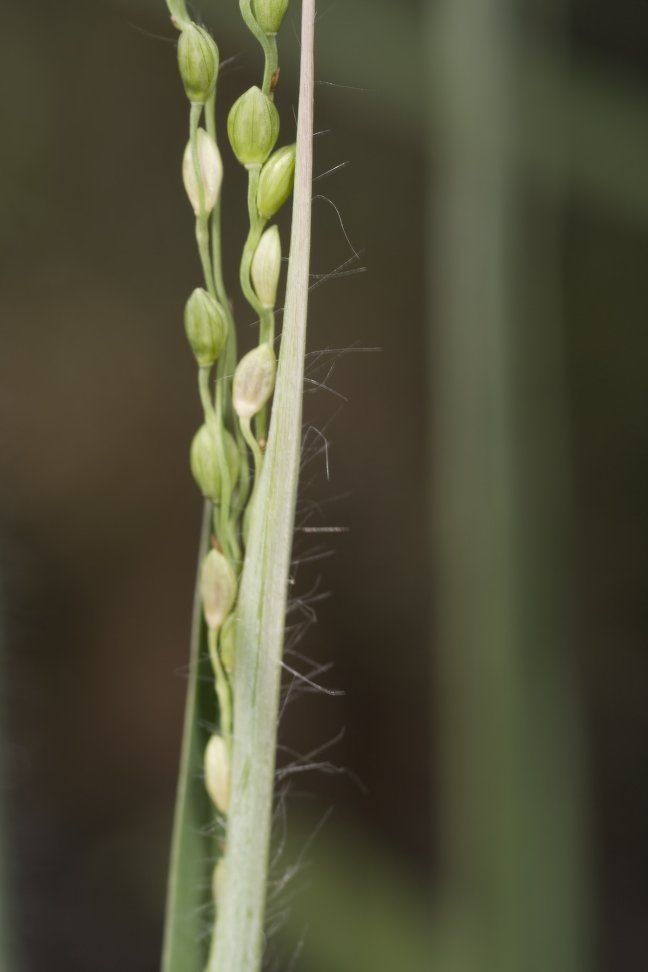
Paspalum conjugatum, commonly known as carabao grass or hilo grass, is a tropical to subtropical perennial grass. It is originally from the American tropics, but has been naturalized widely in tropical Southeast Asia and Pacific Islands. It has also spread to Northern Africa and Northern and Eastern Australia. It is also known as sour paspalum, T-grass (after the shape of their panicle), or more confusingly, as "buffalo grass" or "sour grass".
T-grass is disease-resistant and generally not prone to illnesses. In terms of care, this plant is fairly low-maintenance. Planted outdoors, it needs only minimal watering, and larger plants typically do not require pruning. Smaller plants, however, should be pruned after flowering. T-grass is suitable for anyone with an outdoor area, such as a garden or deck, and does not require extensive care experience.
How to keep Paspalum Conjugatum.
Light
T-grass does best with plentiful sunlight for most of its life cycle. Although it can withstand lower-light situations, strong growth needs a substantial amount of sun. Native to areas with abundant sunlight, it can suffer if light is inadequate. Both excessive shade and too much sun can potentially disrupt its growth cycle and overall health.
Water
T-grass flourishes in tropical climates where there is consistent moisture and high humidity. While it has moderate drought tolerance, regular weekly watering helps maintain its lush growth. As an evergreen plant, t-grass requires steady moisture throughout the year, making it ideal for both indoor and outdoor cultivation in appropriate climates.
Temperature
T-grass comes from tropical areas, where the weather is generally warm and humid. Consequently, it is adapted to high temperatures and humidity. It dislikes abrupt temperature changes and prefers a constant temperature, so avoiding temperature fluctuations indoors is important. It normally cannot tolerate cold and needs warmer conditions for growth. If the ambient temperature falls too low, the plant may stop growing or even die.
Fertilizer
T-grass needs additional nutrients to encourage healthy new growth. In spring, putting compost around the base of the plant can effectively supply the nutrition it requires. Fertilizing helps support vigorous growth and enables the plant to resist diseases and pests.
Pruning
T-grass thrives when it receives pruning in early spring, which helps manage its growth and improve its overall health. To enhance its appearance, trim away any dead or damaged areas and thin out dense spots to improve air circulation. Regular pruning can prevent diseases and maintain an attractive landscape. For specific techniques suited to your area, consult local horticultural experts or resources.
Botanical profile.
- Plant Type
- Grass
- Life Cycle
- Perennial
- Genus
- Paspalum
- Family
- Poaceae
- Hardiness Zone
- 8-11
- Mature Height
- 30 cm to 61 cm
- Mature Spread
- 49 cm to 91 cm
- Leaf Color
- Light Green, Forest Green
- Leaf Type
- Semi-evergreen
- Flower Color
- Yellow
- Flower Size
- 6.35 cm to 11.43 cm
- Bloom Time
- All year round
- Planting Time
- Spring, Summer, Autumn
- Harvest Time
- All year round
- Native Area
- Sri Lanka, Burkina Faso, Belize, Angola, Mexico, Guatemala, Rwanda, Dominican Republic, Nigeria, Uganda, Tanzania, Jamaica, Benin, Cuba, Paraguay, Sierra Leone, Indonesia, Cambodia, Haiti, Liberia, Equatorial Guinea, Venezuela, Cameroon, Brazil, Argentina, Ghana, Suriname, Congo, Nepal, Central African Republic, Honduras, Peru, Bangladesh, Laos, Guinea, Panama, Colombia, Bahamas, Bolivia, Japan, Togo, El Salvador, Nicaragua, Guyana, Côte d'Ivoire, Bhutan, Costa Rica, Congo (DRC), Thailand, Gabon
Other names.
Reader questions.
What are the sunlight requirements for T-grass?
T-grass thrives in conditions of full sunlight, needing more than 6 hours of sunlight a day for optimal growth, although it can also tolerate partial sun, about 3-6 hours of sunlight. It's essential to monitor how sunlight moves throughout your garden to ensure plants receive the appropriate balance of light and shade, considering that T-grass originates from habitats with ample sunlight. Insufficient light can lead to a decline in health, while too much direct exposure without balance can also be detrimental.
How can artificial lighting be utilized for T-grass growth indoors?
For T-grass and other indoor plants requiring substantial sunlight, artificial lighting becomes crucial, especially in scenarios where natural sunlight is scarce, like during winter or in less sunlit spaces. LED lights are recommended due to their ability to be customized for specific wavelengths needed by plants. Depending on the plant's sunlight needs, the artificial light should be 30-50W/sq ft for full sun plants, 20-30W/sq ft for partial sun plants, and 10-20W/sq ft for full shade plants. The light source should be placed 12-36 inches above the plant to imitate natural sunlight, and it's suggested to provide 8-12 hours of light per day to mimic the natural daylight hours specific to the plant species.
What are the common symptoms of inappropriate sunlight exposure in T-grass?
T-grass shows several symptoms when it suffers from inappropriate sunlight exposure. In low light, it may exhibit smaller new leaves, leggy or sparse growth, faster leaf drop, and a halt or slowdown in new growth. The leaves might show irregular color patterns, paleness indicating a lack of chlorophyll, or even chlorosis, where leaves lose their green color. Excessive sunlight can cause sunscald, leaf curling as a defense mechanism against sun exposure, wilting due to increased water loss, and leaf scorching characterized by brown, dry edges on the leaves. These symptoms highlight the importance of providing T-grass with its ideal sunlight conditions.
What solutions can be applied to counteract inappropriate sunlight exposure for T-grass?
To counteract inappropriate sunlight exposure for T-grass, gradual acclimatization to ideal sunlight conditions is key. For indoor T-grass, gradually moving the plant to sunnier spots until it receives at least 6 hours of direct sunlight daily is recommended. Using artificial light for at least 8 hours daily can supplement sunlight. For outdoor plants, avoid sudden changes in light intensity to prevent sunburn, and adapt the plant gradually to sunnier locations each week. If sunlight is blocked by obstructions, identify and minimize these (such as pruning obstructive tree branches). For smaller plants considering a location change, transplant them during their dormant period to a place with ample sunlight and good drainage. Note that parts of T-grass affected by poor lighting might not recover, but new growth after adjusting light exposure will be healthy.