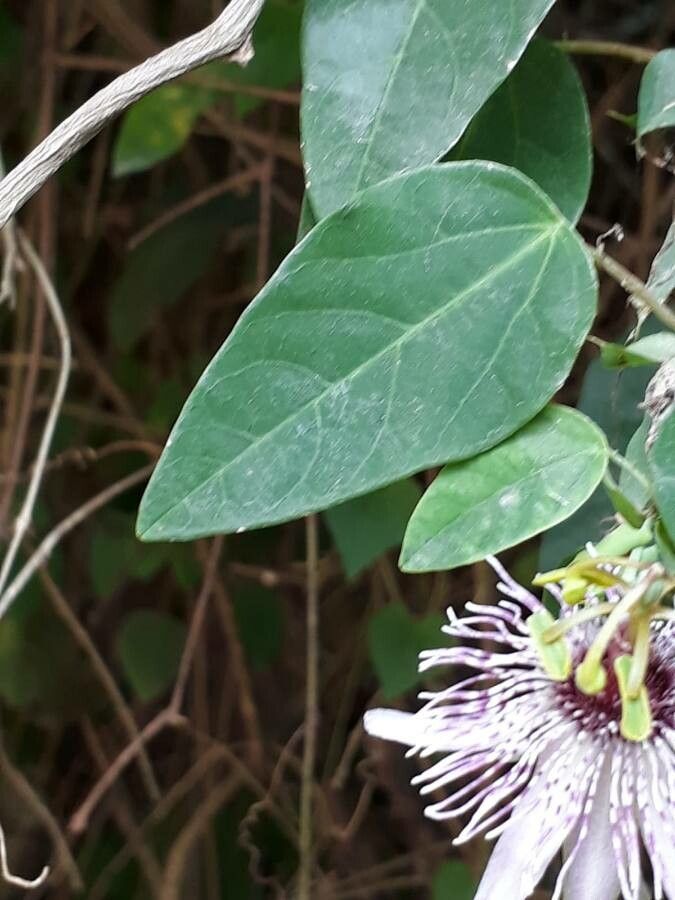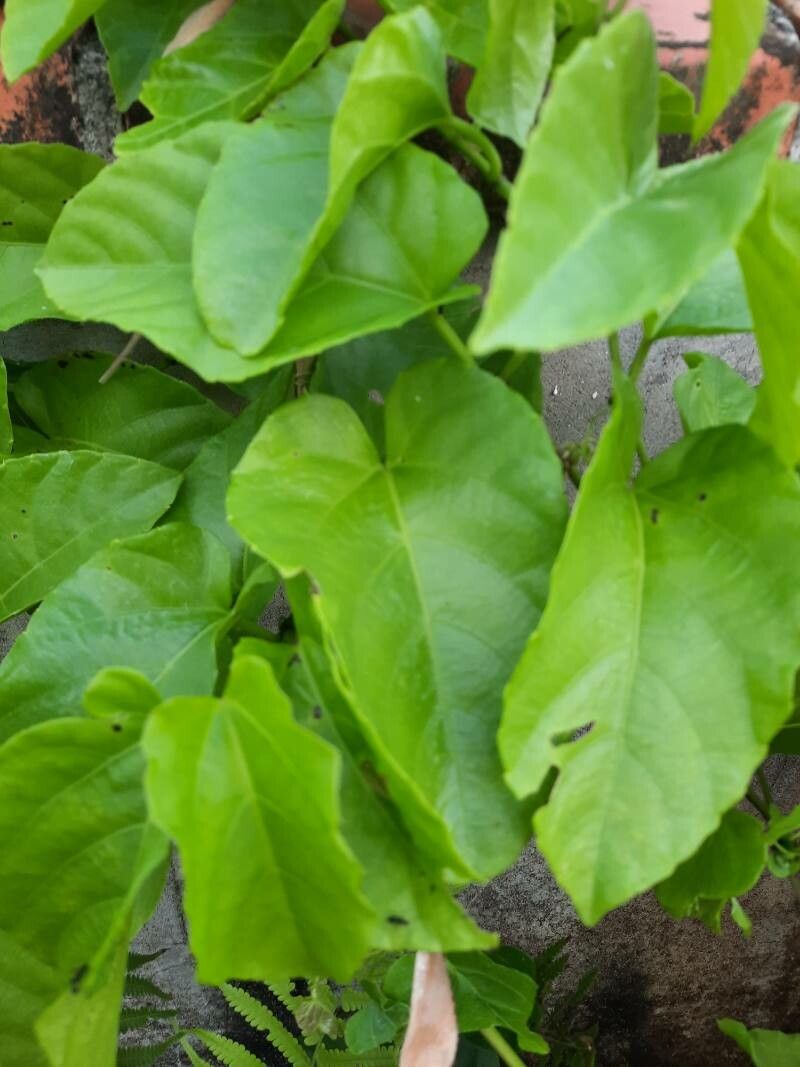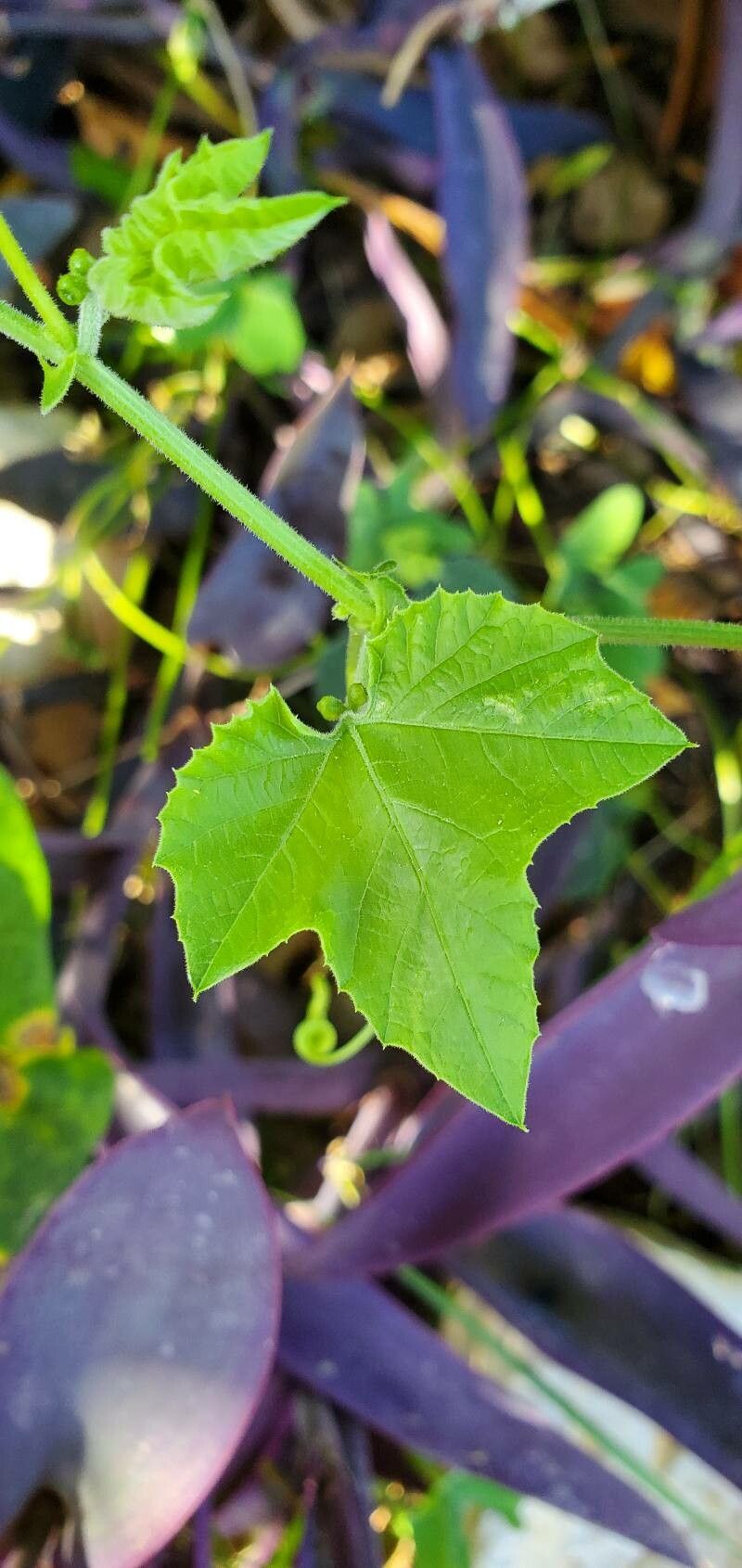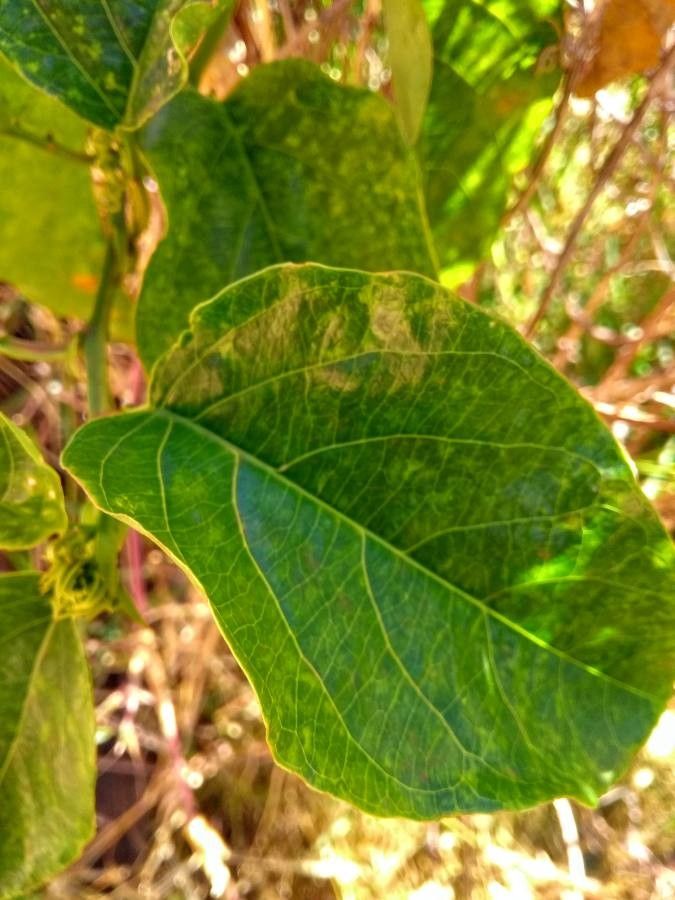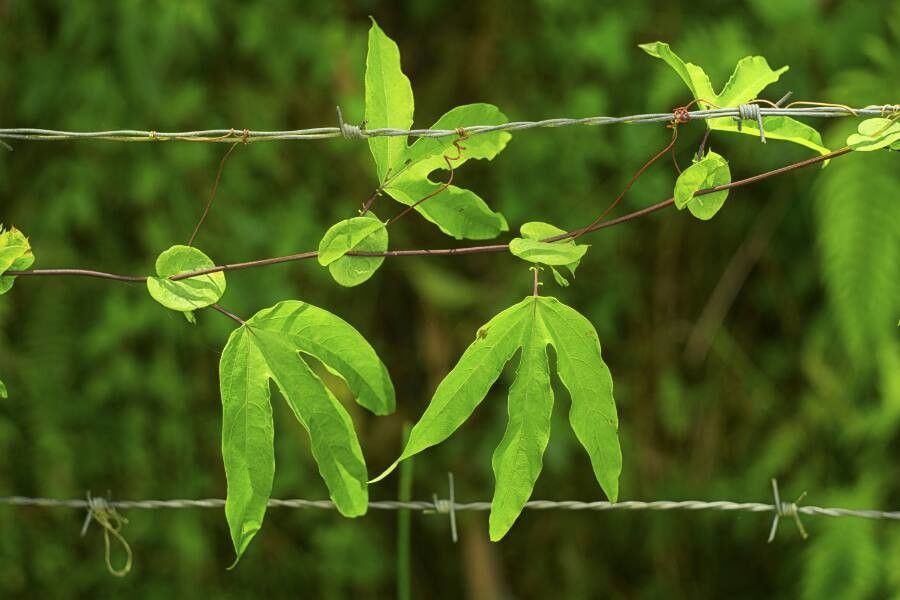
Passiflora affinis, the bracted passionflower, is a species of flowering perennial vine of Texas and northeast Mexico. The vine has three-lobed leaves and a small yellow-green bloom with delicate filaments arranged in a starburst. It is a larval host plant for several butterfly species.
Bracted passionflower has strong resistance to disease and is generally not prone to illnesses. Regarding care, the plant is fairly low-maintenance. When grown outdoors it needs little watering, and larger specimens typically do not require pruning. Smaller plants, however, should be pruned after they finish blooming. Bracted passionflower is suitable for anyone who has an outdoor space, such as a garden or deck, and it does not demand much gardening experience.
How to keep Passiflora Affinis.
Light
Bracted passionflower occurs naturally in habitats such as forest understories or rocky areas, where it grows in natural shade. It prefers partial sun but can tolerate full sun or full shade, showing its versatile and hardy nature.
Water
The bracted passionflower needs consistently moist soil during germination. Once the plant is mature, water it twice a week if it receives less than 1.5 inches (3.8 cm) of rain weekly. Be careful not to overwater, as excess moisture can lead to root problems. Keep in mind that soil in containers dries out faster, so it may require more frequent watering.
Temperature
Bracted passionflower is fairly adaptable to temperature, able to tolerate higher heat and broader temperature fluctuations. In hot weather, it is important to monitor watering and provide adequate shade to prevent sunburn. Conversely, bracted passionflower is not very tolerant of low temperatures. It can endure a certain amount of cold, but excessively cold conditions can cause frost damage.
Fertilizer
The timing of fertilizing a Bracted passionflower is important. Fertilize in early spring and continue once a month until early summer. Fertilizer encourages attractive blooms and provides energy during both dormant periods and active growth.
Pruning
Prune the bracted passionflower in early spring to encourage healthy growth. Focus on removing dead stems and thinning dense areas to improve air circulation. This process helps control the plant's size, promotes flowering, and reduces pest issues. Be sure to use clean tools to prevent the spread of disease.
Botanical profile.
- Plant Type
- Vine
- Life Cycle
- Perennial
- Genus
- Passiflora
- Family
- Passifloraceae
- Hardiness Zone
- 8-11
- Mature Height
- 0.91 m to 1.83 m
- Mature Spread
- 2.13 m to 3.96 m
- Leaf Color
- Green, Dark Green
- Leaf Type
- Deciduous
- Flower Color
- White, Lavender
- Flower Size
- 5.08 cm to 7.62 cm
- Bloom Time
- Summer, Early fall, Mid fall
- Planting Time
- Spring, Summer, Autumn
- Harvest Time
- Late summer, Fall, Early winter
- Native Area
- Mexico
Other names.
Reader questions.
What are the sunlight requirements for a Bracted Passionflower (Passiflora affinis)?
The Bracted Passionflower (Passiflora affinis) thrives in various sunlight conditions. For full sun exposure, the plant requires above 6 hours of sunlight per day. In partial sun conditions, it should receive about 3-6 hours of sunlight daily. It's essential to observe how sunlight moves through your garden to ensure that you choose a location that provides a perfect balance of light and shade, which is crucial for the plant's happiness and health.