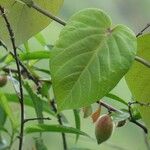
Passiflora ligularis
Sweet granadilla · Granadilla · Grenadia · Yellow Passionfruit
Description
Source: leafsnapPassiflora ligularis, commonly known as sweet granadilla or grenadia, is a tropical vine belonging to the Passifloraceae family. Native to the Andean region of South America, it is widely cultivated for its sweet and juicy fruit. The plant grows rapidly and can extend up to 10 meters in length. The leaves of Passiflora ligularis are dark green, glossy, and deeply lobed, featuring three or five lobes. The flowers are large, reaching up to 10 cm in diameter, and are showy and fragrant, with white petals surrounding a central crown of filaments. The fruit produced by this plant is oval-shaped and turns yellow-orange when ripe. It contains juicy pulp filled with small, edible black seeds that are slightly crunchy. Passiflora ligularis thrives in warm temperatures ranging from 20-30°C (68-86°F) but can tolerate cooler temperatures down to 5°C (41°F). It requires well-draining soil rich in organic matter and needs regular watering during the growing season. In traditional medicine, various parts of this plant have been used for their medicinal properties, such as treating anxiety disorders and insomnia due to its sedative effects on the central nervous system. Overall, Passiflora ligularis is an attractive ornamental vine that produces delicious fruits and offers potential medicinal benefits. It is an excellent addition for any garden enthusiast seeking both beauty and functionality from their plants.
Care Guide
💧 Water Every 7 days
Sweet granadilla flourishes in mountainous areas, where it requires minimal watering—only every three weeks—thanks to its drought tolerance and preference for moderate humidity. As an evergreen plant, it relies on consistent soil moisture to maintain its foliage year-round, especially when grown outdoors.
What is the best way to water my Sweet granadilla?
To promote excellent root development, it is recommended to place a garden hose at the base of the plant. Be cautious not to directly spray the leaves. If the leaves are exposed to direct sunlight outdoors, they will require more watering. To moisten the roots, you can use bubblers for each plant or soaker hoses that cover the entire garden or bed. It is important to drain any excess water and wait for the soil to dry before watering again. Watering at ground level can help prevent diseases. On a sunny day, it may be beneficial to spray the entire bush with water. Whether the plant is potted or in the ground, deep watering is preferred over light sprinkling for Sweet granadilla.
What should I do if I give too much/not enough water to Sweet granadilla?
An overwatered Sweet granadilla will show signs such as yellowing leaves, leaf drop, and wilting. The plant may also look unhealthy, with mushy stems. Adjusting the watering schedule is advisable when these signs appear. Wilting can also occur due to under watering, which causes crispy and dry leaves. In such cases, check the soil moisture level and give a thorough watering if needed. However, even with enough water, the damaged root system may cause the plant to appear dry with yellow leaves after a few days. Once the plant recovers, the yellowing of leaves will stop. When keeping Sweet granadilla indoors, always check for moisture and avoid overwatering. Look for signs of black spots, and if present, allow the soil to dry out for a few days before watering again. Overwatering can lead to root rot, so if you observe discolored and slimy roots, consider transferring the plant to a different pot. Prevent root rot by avoiding excessively soggy soil. When planting Sweet granadilla outdoors, ensure the soil is adequately hydrated. If the soil feels too dry, it may indicate under watering, and proper watering is essential for the plant's recovery.
How often should I give water to my Sweet granadilla plant?
The Sweet granadilla thrives with deep and infrequent watering. Especially when grown in pots, it's best to soak them in a gallon of water each time, as the limited water storage in pots causes the soil to dry out quickly. In colder regions, water is needed every 3 to 5 days, preferably in the morning when the soil is dry. To determine if watering is needed, check the top 2-3 inches of soil - if it's dry, it's time to water. In hot weather, check the moisture daily as the heat can quickly dry out the soil in pots. If you have a garden, irrigation is also necessary. In hot climates, watering once a week is recommended, but only water when about 2-3 inches of soil becomes dry. Take into account rainfall and avoid overwatering to prevent root rot. Sweet granadilla plants typically grow in spring and fall. For outdoor plants, adding 3 to 4 inches of mulch helps conserve water. Sandy soil requires more frequent watering, while clay soil requires less. You can mark the watering dates on a calendar and watch for drooping leaves as a sign that watering is needed.
How much water does my Sweet granadilla need?
To properly water your Sweet granadilla plants, it is generally recommended to provide them with about a gallon of water on a regular schedule. For potted plants, you should water them deeply until you see water dripping from the bottom of the pot. After that, allow the soil to dry before watering again. To determine the amount of water your plant has received in a week, you can use a water calculator or a moisture meter. During the flowering period, it's important to provide plenty of water, but make sure the moisture evaporates to prevent root rot. If your Sweet granadilla is planted outdoors and receives adequate rainfall, additional watering may not be necessary. However, when the plant is young or newly planted, it should receive 1-2 inches of rain per week. As the Sweet granadilla grows, it can rely solely on rainfall. Only when the weather is very hot or there is no rainfall for 2-3 weeks, you should consider giving the plant a thorough watering during the cooler part of the day to prevent damage from excessive heat. Additional watering may be required during extended dry periods.
Should I water my Sweet granadilla plant more or less depending on the time of year or weather conditions?
The Sweet granadilla plant thrives in outdoor conditions with regular rainfall, although it can tolerate persistent dry weather without needing additional watering. During the spring and fall growing seasons, it is important to keep the soil consistently moist but not overly saturated. Alternating between dry and moist soil conditions is beneficial for the plant's growth. In the summer, hot weather can cause water to evaporate quickly, so regular watering may be necessary to keep the plant sufficiently moist if there is a lack of rainfall. Severe watering is generally not required during the winter when the plant drops its leaves and goes dormant. Using a well-draining soil mixture like terracotta can help the water evaporate faster during this dormant period. Once the plant starts leafing out and becoming active in the spring, it can rely on natural rainfall for its water needs. Good drainage is crucial throughout the year, including winter, to avoid waterlogging that can harm the plant when it flowers. When the plant is in a pot, it has limited root growth, so it is important to keep it well-watered, particularly in the summer. However, be cautious as cold and wet roots are not ideal, so ensuring proper drainage is essential. Watering the Sweet granadilla's entire root system deeply at least once or twice a week, depending on the weather, is recommended. Avoid watering the plant with shallow sprinkles that only reach the leaves, as this can promote fungal growth and may not adequately reach the roots. Even during the fall and winter dormant period, it's crucial to avoid letting the plant dry out completely. While the plant dislikes sitting in water for prolonged periods, it can suffer if the soil does not drain properly during winter. Applying mulch can help reduce stress, conserve water, and promote healthy blooming.
☀️ Light Full sun
Sweet granadilla thrives beneath a broad expanse of open sky. For best growth and vigor, it prefers plentiful sunlight like that of its native habitat. It can, however, tolerate intervals of only partial sun. Excessive shade or too little light can impede its growth and overall health.
What are the sunlight requirements for Sweet Granadilla?
Sweet Granadilla requires full sun, defined as more than 6 hours of sunlight daily, for optimal growth. However, it can also tolerate partial sun conditions, about 3-6 hours of sunlight. Observing how sunlight moves through your garden helps in choosing the perfect spots that provide a balance of light and shade, ensuring the plant's health and happiness.
What are the essentials for growing Sweet Granadilla successfully?
To flourish, Sweet Granadilla needs a vast expanse of sky and appreciates an ample amount of solar energy, matching its native habitat conditions. It can endure partial sun exposure but may suffer in growth and health if shaded excessively or if solar exposure is insufficient. In conditions where natural sunlight is lacking, especially during winter or in less sunny spaces, artificial lighting can offer a solution. LED lights are recommended, providing specific wavelengths needed for the plant, with varying wattages based on the plant's sunlight needs: 30-50W/sq ft for full sun plants, 20-30W/sq ft for partial sun plants, and 10-20W/sq ft for full shade plants. The artificial light source should be placed 12-36 inches above the plant, mimicking the length of natural daylight hours, typically 8-12 hours per day.
What are common symptoms of inadequate light exposure in Sweet Granadilla?
When Sweet Granadilla doesn't receive enough light, it may show several symptoms: smaller new leaves, leggy or sparse growth, faster leaf drop, slower or halted new growth, lighter-colored new leaves, chlorosis (loss of leaf greenness), sunscald, leaf curling, wilting, and leaf scorching. These signs indicate either a deficiency in sunlight or damage from excessive exposure, impacting the plant's photosynthesis process and overall health.
How can I address light-related issues for Sweet Granadilla plants, both indoors and outdoors?
To address light-related issues in Sweet Granadilla, gradually increase the plant's exposure to sunlight by moving it to a sunnier location over a period, ensuring it receives at least 6 hours of direct sunlight daily. For indoor plants not easily moved, consider using artificial light, keeping a lamp on for at least 8 hours daily, or investing in professional plant grow lights. Outdoors, avoid sudden changes in light intensity to prevent sunburn. Reducing obstructions such as branches that block sunlight and transplanting smaller plants during their dormant period can improve light access. Note that parts of the plant already affected by light deficiency may not recover, but new growth will be healthy with better light exposure.
🌡️ Temperature 20–37.8°C
Sweet granadilla comes from tropical areas, where the climate is generally warm and humid. Consequently, it is well suited to high heat and humidity. It does not tolerate abrupt temperature changes and prefers a steady temperature environment, so avoiding temperature fluctuations indoors is important. It typically cannot withstand cold and needs warmer temperatures for growth. If the surrounding temperature falls too low, the plant may stop growing or even die.
💨 Humidity high (>60%)
This plant needs special care because it loves high humidity levels of 60-80% or more. The best way to achieve this is by placing a humidifier near the plant. Daily misting is also essential! Make sure the room has good ventilation.
🪴 Soil 6-7
🌱 Fertilizer
Use organic fertilizers (e.g., fish emulsion, compost) rather than chemical fertilizers for Sweet granadilla. Give young plants higher nitrogen and phosphorus during spring. Incorporate compost or fertilizer before or after planting. For mature plants, supplement in spring with a balanced fertilizer or one specific to any deficiencies. Nutrient deficiency causes small leaves, short branches, yellow or bronze leaves, acidic fruits, premature fruit fall, and splitting.
🪴 Pot & Repot Every 12 months
✂️ Pruning
For optimal growth and increased fruit yield, prune sweet granadilla in early spring. Start by removing any dead wood and thinning out overcrowded areas. Then, trim back the lateral branches to maintain the desired shape and size. Be sure to use clean, sharp tools to prevent infections and boost the plant’s resistance to disease.
🌿 Propagating
🐛 Diseases & pets
☠️ Toxicity
Characteristics
- Plant Type
- Vine
- Life Cycle
- Perennial
- Genus
- Passiflora
- Family
- Passifloraceae
- Hardiness Zone
- 10-11
- Mature Height
- 9.14 m
- Mature Spread
- 91 cm
- Leaf Color
- Green
- Leaf Type
- Semi-evergreen
- Flower Color
- White, Green, Purple, Blue
- Flower Size
- 7.62 cm to 10.16 cm
- Bloom Time
- Summer, Early fall, Mid fall
- Planting Time
- Spring, Autumn
- Harvest Time
- Late summer, Fall, Early winter
- Native Area
- Colombia, Honduras, Mexico, Guatemala, Bolivia, Venezuela, Peru, El Salvador, Costa Rica, Panama