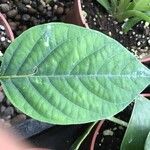
Passiflora quadrangularis
Grenadine · Giant granadilla · Badea · Barbadine · Common Granadilla
Description
Source: leafsnapPassiflora quadrangularis, commonly known as the Giant Granadilla or Barbadine, is a tropical vine in the Passifloraceae family. Native to South America, it is found in countries like Brazil, Peru, and Venezuela. The plant features large, deeply lobed leaves that can grow up to 30 cm in length. The Giant Granadilla produces sizable fruit, each weighing up to 2 kg. The fruit boasts a thick, greenish-yellow rind when ripe. Inside the rind, numerous seeds are encased in juicy pulp with a sweet flavor. While the plant is primarily cultivated for its fruit, it also possesses medicinal properties. It is rich in antioxidants and vitamins A and C, which contribute to boosting immunity, improving digestion, reducing inflammation, and promoting healthy skin, among other health benefits. Passiflora quadrangularis thrives in warm temperatures between 20-30°C (68-86°F) and requires high humidity levels of around 80%. It prefers well-drained soil enriched with organic matter but can also grow well in sandy soils. In conclusion, Passiflora quadrangularis is a fascinating tropical vine known for its large, health-beneficial fruits. This makes it an important crop, especially among indigenous communities where it naturally grows.
Care Guide
💧 Water Every 7 days
The giant granadilla thrives in humid environments that resemble its tropical origins, showing moderate tolerance to drought conditions. You should water it every three weeks, making sure the soil dries out slightly between each watering. As an evergreen plant, it needs consistent soil moisture to support year-round growth, which is especially important for outdoor cultivation to help it reach its full potential.
How should I water my Giant granadilla plant?
To ensure excellent root development, place a garden hose at the base of your plants. Avoid spraying the leaves directly, especially if they are outdoors and in direct sunlight, as they will need more water. Consider using bubblers or soaker hoses to moisten the roots, ensuring the entire garden or bed is covered when adding or removing plants. After watering, drain any excess water and wait for the soil to dry before watering again. Water at ground level to prevent diseases. On sunny days, you can spray the entire bush with water. Whether your plant is potted or in-ground, remember that Giant granadilla prefers deep watering rather than light sprinkling.
If I give too much or too little water to a Giant granadilla plant, what should I do?
An overwatered Giant granadilla can show signs such as yellowing, dropping leaves and wilting. The plant may also look unhealthy and dull, with mushy stems. It's best to adjust your watering schedule when you see these signs. Conversely, wilting can also indicate under watering, with crispy and dry leaves. When the soil is dry and watering alone is not enough, give the plant a thorough watering. However, even with enough water, the damaged root system may cause the plant to appear dry with yellow leaves a few days later. Once it returns to normal, the yellowing leaves will stop. When caring for an indoor Giant granadilla, always check the moisture levels and avoid overwatering. Look for black spots as a sign of overwatering and allow the soil to dry out for a few days. Overwatering can lead to root rot, so transfer the plant to a different pot if you see discolored and slimy roots. It's important to prevent root rot and avoid excessively soggy soil. When planting your Giant granadilla outdoors, ensure the soil is adequately watered by checking for dryness. If the soil is too dry, it may indicate underwatering, and the plant will require sufficient watering for recovery.
How frequently should I water my Giant granadilla plant?
The Giant granadilla prefers deep and infrequent watering, especially when planted in pots. Soak them in a gallon of water each time to account for the limited water storage in the pots. In colder regions, water every 3 to 5 days and do so in the early morning when the soil is dry. You can check if watering is needed by examining the soil. If the top 2-3 inches are dry, give the plant a full watering. During hot days, check the soil moisture daily as the heat can quickly dry out the pot. In gardens, irrigation is required as well. In hot climates, water once a week when about 2 to 3 inches of soil has become too dry. Consider the amount of rainfall and avoid over-watering to prevent root rot. If there is ample rainfall, additional watering may not be necessary. Giant granadilla typically grows during spring and fall. When planted outdoors, add 3 to 4 inches of mulch to conserve water. In sandy soil, water more frequently as it drains faster. In clay soil, water less frequently to allow the plant to dry out for 2-3 days and avoid root rot. Keep track of watering dates and pay attention to drooping leaves as an indication of potential delay in watering.
How much water does my Giant granadilla plant need?
To care for the Giant granadilla, it is recommended to water it about once a week with a gallon of water. When watering potted plants, make sure to water deeply until the water drips from the bottom of the pot. Then, wait for the soil to dry before watering again. You can use a water calculator or moisture meter to determine the amount of water you have given to your plant in a week. During the flowering period, provide plenty of water, but allow the moisture to evaporate afterwards to prevent root rot. If the Giant granadilla is planted outdoors with adequate rainfall, it may not need additional watering. However, when it is young or newly planted, make sure it receives 1-2 inches of rain per week. As it continues to grow, it can rely on rainfall for its water needs. Only under extremely hot weather or when there is no rainfall for 2-3 weeks, consider giving it a thorough watering during the cooler part of the day to prevent heat damage. It may also require additional watering during prolonged dry spells.
Should I change how often I water my Giant granadilla plant based on the time of year or the weather conditions?
The Giant granadilla prefers to be outdoors and relies on rain for watering, unless there is a persistent dry spell. During spring and fall, the soil should be kept moist but not overly wet to promote growth. In the summer, hot weather can cause water to evaporate quickly, so watering may be needed more frequently to keep the soil moist. During winter, the Giant granadilla needs less water as it becomes dormant. A well-drained soil mixture can help with water evaporation. Once the plant starts to leaf out in spring, watering can be skipped as it can rely on rainfall. Good drainage is important throughout the year. In pots, the plant has limited root growth and should be well-watered in summer but with adequate drainage to avoid cold and wet roots. Deep watering once or twice a week, avoiding shallow sprinkles, is recommended. Avoid letting the plant dry out completely in fall or winter. Excessive water and poor drainage should be avoided to prevent plant death. Mulching can help reduce stress, save water, and promote healthy blooms.
☀️ Light Full sun
Giant granadilla prefers spots with plenty of sunlight throughout the day, but it can also tolerate locations where it only gets sun for part of the day. Its health and growth can be harmed by too little light or by excessive exposure.
What are the sunlight requirements for Giant Granadilla?
Giant Granadilla (Passiflora quadrangularis) needs a significant amount of sunlight to thrive. It is ideal for it to be in full sun, which means it should receive more than 6 hours of direct sunlight daily. However, it can also grow well in partial sun locations where sunlight is available for about 3 to 6 hours. Observing how sunlight moves through your garden will help you choose the best spots, ensuring a good balance of light and shade that satisfies your plants' needs.
How does insufficient sunlight affect the growth of Giant Granadilla?
Insufficient sunlight can adversely affect the growth and health of Giant Granadilla. This plant prefers abundant sunlight but can tolerate some shade. When it doesn't get enough light, it may suffer from growth issues. For indoor plants or in less sunny spaces, using artificial lighting such as LED lights, which can be customized to specific wavelengths, can provide a solution. Proper artificial lighting requires considering the type of light, distance from the plant, and the duration of exposure, with most plants needing between 8-12 hours of light per day.
What are some symptoms of insufficient or excessive sunlight in Giant Granadilla?
Symptoms of inadequate light in Giant Granadilla include smaller new leaves, leggy or sparse growth, faster leaf drop, slowed or stopped growth, and lighter-colored or irregularly patterned new leaves. Excessive sunlight can cause chlorosis, where leaves lose their green color and turn yellow, sunscald characterized by pale or necrotic spots, leaf curling as a defense against water loss, wilting due to increased water loss, and leaf scorching which appears as crispy edges on leaves. These issues highlight the importance of monitoring and adjusting sunlight exposure for optimal plant health.
How can you manage sunlight exposure for Giant Granadilla to ensure its health?
Managing sunlight exposure for Giant Granadilla involves gradually moving the plant to sunnier spots, especially if it is not receiving enough light, until it achieves at least 6 hours of direct sunlight daily. For indoor plants, consider using a south-facing window or artificial lights if the plant is large or not easily movable, ensuring it gets enough light. Outdoors, avoid sudden changes in light exposure to prevent sunburn. If obstructions like trees block sunlight, pruning may help. For smaller plants, transplanting during the dormant period to a location with better sunlight and drainage might be necessary. Remember, parts of the plant affected by insufficient sunlight may not recover, but new growth should be healthy with better light conditions.
🌡️ Temperature 20–37.8°C
Giant granadilla originates from tropical regions where temperatures range from 68 to 100 °F (20 to 38 ℃). It favors warmer conditions and performs best in heat. As seasons change, set indoor thermometers to mimic these conditions for optimal growth.
What is the native environment for Giant granadilla?
Giant granadilla, scientifically known as Passiflora quadrangularis, originates from tropical climates where it thrives in temperatures ranging between 68°F (20°C) and 100°F (38°C). These conditions highlight the plant's preference for warmer environments, making it essential to replicate such temperatures, especially during varying seasons, to ensure its optimal growth.
How should temperatures be managed for Giant granadilla during winter?
In the colder months, it's beneficial to maintain temperatures above 20°C for Giant granadilla to foster healthy plant growth. The minimum temperature should always be above freezing to avoid damage. If external temperatures drop towards -5°C (25°F), it is advisable to move the plant indoors or protect it through measures like a temporary greenhouse or by wrapping it in plastic film or fabric to shield it from the cold.
What happens to Giant granadilla in low temperatures?
Giant granadilla shows a moderate tolerance to low temperatures, flourishing best when the mercury is between 20°C and 38°C. It is vital to keep it above 5°C during winter. Exposure to temperatures below 1°C may cause the leaves to darken, leading to water-soaked necrosis, wilting, and eventually a brown discoloration of the leaves. Immediate actions such as trimming frost-damaged parts, moving the plant indoors, or constructing a makeshift greenhouse, can help mitigate cold damage. Positioning the plant near a south-facing window can also ensure it receives enough sunlight, complemented by artificial lighting if necessary.
How does high temperature affect Giant granadilla and what are the solutions?
In the summer months, it's crucial to keep the Giant granadilla's environment below 38°C to prevent stress on the plant. Exposure to temperatures above 43°C decelerates its growth, leads to lighter leaf coloration, and increases the risk of sunburn. To protect the plant under these conditions, trim any sunburned or dry sections, relocate it to a shaded area, especially during the peak afternoon sun, and ensure the soil remains moist through watering in the morning and evening.
💨 Humidity
🪴 Soil 6-7
🌱 Fertilizer
Use organic fertilizers (e.g., fish emulsion or compost) instead of chemical fertilizers for Giant granadilla. Provide higher amounts of nitrogen and phosphorus to young plants in spring. Incorporate compost or fertilizer into the soil before or after planting. For mature plants, supplement in spring with a balanced fertilizer or one targeted to the specific deficiency. Nutrient deficiency causes small leaves, short branches, yellow or bronze leaves, acidic fruits, premature fruit drop, and fruit splitting.
Why should I add fertilizer to my Giant granadilla plant?
When growing Giant granadilla for its fruit, it is important to supplement the soil with nutrients to ensure a bountiful harvest. Each macronutrient serves a different purpose for plants. Phosphorus specifically supports the production of flowers and fruit. Additionally, a healthy root system and leaves are essential for proper sunlight absorption and the overall health of the plant. Insufficient macronutrients can lead to slow growth, wilting, and a lack of vitality in plants. Since flowering and fruiting require significant energy, deficiencies in these essential components will result in fruits that reflect the plant's nutrient deficiencies.
When should I fertilize my Giant granadilla plant?
To successfully grow giant granadilla, it is important to follow a few steps. First, plant it in the spring to ensure fruit production during the summer months. Before planting, prepare the soil by mixing in a 2-inch layer of compost or well-rotted manure. These additions will provide essential nutrients and improve soil drainage. When it comes to fertilization, transplants can be fertilized right after planting, while seedlings should reach a height of 2 to 4 inches before their first fertilization. For established plants, feed them every 3 to 4 weeks throughout the growing season until the first frost or when fruit production stops. Be sure to choose the correct fertilizer type and consider the specific variety of giant granadilla you are growing to tailor the fertilization schedule to your needs. If unsure, it's better to err on the side of caution and fertilize less.
When is the best time to not add fertilizer to my Giant granadilla?
To ensure healthy growth and fruit production for Giant granadilla plants, it is important to be cautious with the use of nitrogen-rich fertilizers. These types of fertilizers may promote excessive leaf growth but hinder the development of blooms and fruits. Instead, consider using fertilizers with a lower nitrogen content in comparison to other essential nutrients. Additionally, it is advisable to avoid fertilizing Giant granadilla plants during periods of high temperatures or dry conditions. This is because the fertilizer may simply wash away through the soil without being absorbed, and hot weather reduces the ability of plants to absorb nutrients. Consequently, the fertilizer may linger in the soil, preventing the plants from taking up sufficient water. This situation can be particularly detrimental during droughts or heatwaves.
What kind of fertilizer does my Giant granadilla need?
To determine the right fertilizer for your Giant granadilla, start by assessing your soil's composition and any deficiencies it may have. Using a soil test is the most effective way to do this, although some people are successful without it through trial and error. While you can find specialized fertilizers for various Giant granadilla varieties, it's not necessary to buy a separate one for each vegetable you grow. By understanding the basic needs of your plants and what nutrients your soil already provides, you can use the same fertilizer for multiple plants. Many growers prefer high-phosphorus fertilizers as they support flower and fruit production. These fertilizers have a higher middle number in the NPK ratio, such as 8-32-16 or 10-30-10. However, some people opt for a balanced fertilizer like 10-10-10 for all their garden plants for simplicity.
How can I make my Giant granadilla plant grow better?
When using different types of fertilizer, it is important to follow the specific instructions for each type. Some may need to be diluted or measured carefully. It is recommended to do some research to prevent over fertilizing your garden. If you have planted Giant granadilla in a row, you can use the side-dressing method to ensure the fertilizer reaches the roots without touching the plant itself. This method involves mixing the fertilizer into the soil along the rows on either side, about 3 to 4 inches away from the base of the plant. The nutrients are then washed into the soil and down to the roots by watering. If side-dressing is not suitable for your garden's layout, you can apply the fertilizer to the soil around the plant, again staying about 3 to 4 inches away. Granular fertilizers can be scattered onto the soil and lightly mixed in, ensuring they are incorporated where desired. After applying dry fertilizers, remember to water thoroughly. Liquid fertilizers can be mixed into a watering can and used to water and fertilize plants simultaneously. Alternatively, foliar feeding involves spraying the leaves with a specialized fertilizer mix instead of applying nutrients to the soil.
🪴 Pot & Repot
✂️ Pruning
The giant granadilla is a vine that can thrive without pruning, but trimming it in late winter or early spring encourages a fuller appearance. There's no need to deadhead the flowers; just remove any dead parts and trim for shape as needed. Always use clean, sharp tools and disinfect them to prevent the spread of disease.
🌿 Propagating
🐛 Diseases & pets
☠️ Toxicity
Characteristics
- Plant Type
- Vine
- Life Cycle
- Perennial
- Genus
- Passiflora
- Family
- Passifloraceae
- Hardiness Zone
- 10-12
- Mature Height
- 10.06 m to 45.72 m
- Mature Spread
- 9.14 m
- Leaf Color
- Green
- Leaf Type
- Evergreen
- Flower Color
- Purple, White, Red
- Flower Size
- 12.70 cm to 30.48 cm
- Bloom Time
- Summer, Early fall, Mid fall
- Planting Time
- Spring, Summer, Autumn
- Harvest Time
- Late summer, Fall, Early winter
- Native Area
- Colombia, Venezuela, Peru, Brazil, Nicaragua, Costa Rica, Panama