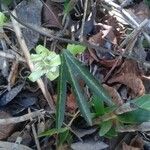
Passiflora spp.
Description
Source: leafsnapNative to North and South America, Passiflora spp. comes in many types, from shrubs to perennials to annuals and even trees. Primarily known as passionflower or passion vine, these plants are prized for their exotic appearance and delicate vines. The passionflower features about 5-10 petals in a flat circle surrounding a broad, flat petal base. These unique flowers bloom in the summer and come in a wide range of colors, like red, white, pink, purple, and blue. These flowering vines climb up trellises, fences, or any vertical support, making for a stunning addition to any garden or home. You can even grow your passionflower plants in pots and easily move them indoors for the winter.
Care Guide
💧 Water 1 to 2 times a week
Water your plants about once or twice a week throughout their growing season. Passionflowers are not drought-resistant so ensure that they have at least 1 to 1.5 inches of water during weekly watering.
☀️ Light
🌡️ Temperature
Passionflower plants are considered warm-weather plants and thrive in moderate to high humidity levels. If you live in colder regions, you will need to bring them indoors or provide some winter protection. Passionflowers can be easily injured to keep them away from the path of strong winds or drafts that will burn their leaves and damage their stems.
💨 Humidity normal (40-60%)
This plant will thrive in moderate humidity, which is probably the level in your home. However, misting it a few times a week can be very beneficial. Make sure the room has good ventilation.
🪴 Soil
🌱 Fertilizer
These vines are heavy feeders and grow best with regular feedings. Use a balanced, all-purpose fertilizer applied in the early spring before new growth sprouts. Do this every 4-6 weeks until early fall.
🪴 Pot & Repot
✂️ Pruning
Passionflower does not require pruning to encourage growth; however, light maintenance can keep this fast-growing vine in check. Prune at the start of its growing season in the early spring. Avoid cutting main stems; remove only the gangly or twining stems to stimulate healthy branching.
🌿 Propagating
🐛 Diseases & pets
☠️ Toxicity
Passionflowers are toxic to humans and pets. The foliage and roots of these vines contain substances that break down and create cyanide. It can cause an upset stomach or other severe adverse effects if ingested.
Characteristics
- Plant Type
- Most are perennial vines; some are annuals or woody shrubs/trees
- Genus
- Passiflora
- Family
- Passifloraceae
- Hardiness Zone
- 5 to 12, USDA (depends on species)
- Bloom Time
- Summer
- Native Area
- Mostly Central and South America; also North America, Southeast Asia, Oceania