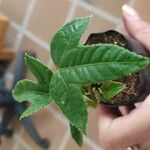
Passiflora tripartita
Banana poka · Banana passion fruit · Banana poker · Banana passionfruit
Description
Source: leafsnapPassiflora tripartita, commonly known as the banana passionfruit, is a species of passionfruit native to South America. This vigorous vine can grow up to 10 meters in length and produces large, yellow-orange fruits that resemble bananas in both shape and size. The fruit has a sweet and tangy flavor, with edible seeds inside. The plant features three-lobed leaves with serrated edges and fragrant flowers that are white or pale pink. These flowers eventually give way to green fruits that ripen to a yellow-orange hue when mature. Passiflora tripartita is often cultivated for its edible fruit but also has ornamental value due to its attractive foliage and flowers. It prefers well-drained soil and regular watering, though it can tolerate some drought conditions once established. The plant contains various phytochemicals such as flavonoids, alkaloids, and phenolic acids, which have antioxidant properties. It is also rich in vitamin C, making it an excellent source of nutrition. Overall, Passiflora tripartita is a fascinating plant species that offers both ornamental beauty and nutritional benefits through its delicious, vitamin- and antioxidant-rich fruits.
Care Guide
💧 Water Every 7 days
The banana passionflower comes from the Andean valleys and thrives in environments with high humidity and consistent moisture. To care for it, water the plant every three weeks to prevent waterlogging, and mist it regularly when kept indoors to replicate tropical conditions. The plant's water requirements are closely tied to its growth cycle, which helps it maintain lush foliage all year round.
What is the most effective way to water my Banana passionflower?
To promote excellent root development in your plants, place a garden hose at the base while avoiding spraying the leaves directly. If your plants are outdoors and in direct sunlight, the leaves will need more watering. For watering the roots, you can use bubblers or soaker hoses. When adding or removing plants, use soaker hoses that cover the entire garden or bed to ensure deep root watering. After watering, drain any excess water and wait for the soil to dry before watering again. To prevent diseases, water at ground level instead of watering the leaves. On a sunny day, consider spraying the entire bush with water. Whether your plants are potted or in the ground, remember that Banana passionflower prefers deep watering rather than light sprinkling.
What should I do if I give too much/not enough water to the Banana passionflower?
If you overwater the Banana passionflower, its leaves may turn yellow, drop off, and wilt. The plant will look dull, with mushy stems. When you notice these signs, try adjusting your watering schedule. Wilting can also indicate under watering, with leaves becoming crispy and dry. If the soil is dry and simply watering is not enough, give the plant a thorough watering. This will help the Banana passionflower recover, but the plant may still have dry and yellow leaves due to root damage. Once it returns to normal, the yellowing will stop. When growing the Banana passionflower indoors, regularly check the moisture levels in the pot and avoid overwatering. Look for black spots, as they indicate excess moisture. If present, allow the soil to dry out by withholding watering for a few days. Overwatering can lead to root rot, so if you see discolored and slimy roots, consider transferring the plant to a different pot. Preventing root rot should be a priority, so avoid keeping the soil too soggy. When planting the Banana passionflower outdoors, dig a little deeper and check the soil's moisture level. If it is too dry, it may mean underwatering, so ensure that the plant receives adequate watering to aid its recovery.
How frequently should I give water to my Banana passionflower?
The Banana passionflower prefers deep and infrequent watering, especially when planted in pots. Since pots have limited water storage, the soil dries out faster. In cold regions, watering is needed every 3 to 5 days, ideally in the morning when the soil is dry. You can also check the soil inside the pot to determine if watering is necessary - if the top 2-3 inches are dry, it's time to water. During hot days, check the moisture daily as the heat can quickly dry out the soil. For garden plants in hot climates, watering once a week is sufficient. Only water when 2 to 3 inches of soil are too dry, considering the amount of rainfall to prevent root rot. Outdoor plants benefit from adding mulch to conserve water. In sandy soil, water more frequently as it drains faster. In clay soil, water less frequently to avoid root rot - allowing the plant to dry for 2-3 days between watering. To track watering, mark the calendar and pay attention to drooping leaves, which may indicate a need for timely watering.
How often should I water my Banana passionflower plant?
The Banana passionflower generally requires about a gallon of water on a regular basis. For potted plants, water them deeply until you see water dripping from the bottom of the pot. Let the soil dry before watering again. To determine the amount of water given each week, use a water calculator or moisture meter. During the flowering period, provide plenty of water but allow the moisture to evaporate to prevent root rot. If planted outdoors with sufficient rainfall, additional watering may not be necessary. Young or newly planted Banana passionflower should receive 1-2 inches of rain per week. As the plant grows, it can rely on rainfall alone. Only water during extremely hot weather or prolonged periods without rain. Water in the cooler part of the day to prevent heat damage. Additional watering is needed during extended dry spells.
Should I water my Banana passionflower more or less depending on the time of year or the weather?
The Banana passionflower primarily relies on rainwater for its outdoor growth, but if there is prolonged dry weather, it may require additional watering. During the spring and fall, it is important to maintain moist soil without making it overly saturated. Alternating between dry and moist conditions is beneficial for the plant's growth. In the summer, hot weather and lack of rain can cause rapid evaporation, necessitating more frequent watering to keep the soil moist. However, in winter, the need for water decreases as the plant becomes dormant and drops its leaves. Using well-draining but moisture-retentive soil, such as terracotta, can help evaporate excess water. Once the Banana passionflower begins to leaf out in the spring, watering can be skipped as it can rely on rainfall during the dormant period. When the temperature rises, you can encourage the plant's growth and blooming. Good drainage is essential throughout the year to prevent issues like ponding and drought when flowering. In pots, the plant's root growth is limited, so they should be kept well-watered, especially in the summer. Adequate drainage is necessary to prevent cold and wet roots, particularly when the plant is still actively growing. It is recommended to water the entire root system deeply at least once or twice a week, depending on weather conditions, rather than shallow sprinkling that only reaches the leaves and encourages fungal growth. Even during dormancy in the fall and winter, the plant should not be allowed to dry out completely. Avoid over-watering, as sitting in water for too long can be detrimental, especially during winter. Adding mulch can help reduce stress, conserve water, and promote healthy blooming.
☀️ Light Full sun
Banana passionflower has a strong preference for abundant sunlight, although it can tolerate somewhat filtered light. Native to areas with plentiful sun exposure, it prospers in those conditions. Irregular solar exposure can negatively affect its vigor, stunting growth or causing leaf burn.
What type of sunlight does the Banana passionflower require?
The Banana passionflower thrives best in full sun conditions, requiring more than 6 hours of direct sunlight daily. However, it can also tolerate partial sunlight conditions, where it receives about 3 to 6 hours of sunlight. This plant originates from environments with plentiful sun exposure and is happiest when it can enjoy the full sun, though it can cope with slightly filtered light.
What should I do if my indoor Banana passionflower does not receive enough natural light?
For indoor Banana passionflowers that lack natural light, especially in winter or less sunny spaces, artificial lighting can be a great solution. Ensure to choose the right type of light - LED lights are recommended due to their efficiency and the ability to provide specific wavelengths needed for plant growth. The light intensity should be adjusted based on the plant's needs: 30-50W per square foot for full sun plants, 20-30W per square foot for partial sun plants, and 10-20W for full shade plants. Place the light 12-36 inches above the plant to mimic natural sunlight and keep it on for 8-12 hours a day to compensate for the lack of natural sunlight.
What are the signs of insufficient light for a Banana passionflower?
Insufficient light can lead to several noticeable symptoms in Banana passionflowers. These include smaller new leaves, leggy or sparse growth, faster leaf drop, slower or completely halted new growth, and paler new leaves. Additionally, chlorosis, or the yellowing of leaves due to a breakdown of chlorophyll, can occur, along with sunscald, which leads to damaged areas on leaves or stems. Extreme sunlight conditions might cause leaf curling, wilting, and leaf scorching, indicating the plant is under stress from inadequate sunlight exposure.
How do I address lighting issues for an outdoor Banana passionflower?
To address lighting issues for outdoor Banana passionflowers, gradually acclimate your plant to more sunlight by moving it to sunnier locations each week until it achieves at least 6 hours of direct sunlight. Be mindful of avoiding sudden changes in light intensity to prevent sunburn. If trees or other obstructions shade your plant, consider pruning to let more sunlight through. For smaller plants, you may opt for transplanting during their dormant period (late winter or early spring) to a location with better sunlight and drainage.
What are some solutions for indoor Banana passionflowers lacking sufficient sunlight?
Indoor Banana passionflowers lacking sufficient sunlight can benefit from being gradually moved to sunnier spots, ideally near a south-facing window, to ensure at least 6 hours of direct sunlight daily. If moving the plant isn't feasible, supplementing with artificial light, such as desk, ceiling, or professional grow lights for at least 8 hours a day, can effectively support plant growth. This gradual increase in exposure helps the plant adjust without stress, and while damaged parts may not recover, new growth will be healthy under improved lighting conditions.
🌡️ Temperature 20–37.8°C
Banana passionflower originates from environments where temperatures range from 68 to 100 °F (20 to 38 ℃). Because it favors warm climates, seasonal adjustments may be needed in temperate regions to maintain optimal growth.
What is the native climate for Banana passionflower?
Banana passionflower, or Passiflora tripartita, thrives in warm climates, with its native environment having temperature ranges from 68 to 100°F (20 to 38°C). It highly prefers warm temperatures and requires seasonal adjustments in temperate regions to ensure optimal growth. Especially heat-loving, Banana passionflower needs protection from cold temperatures, with recommendations to bring outdoor plants indoors during autumn to a spot near a bright window, keeping them away from heaters and maintaining temperatures above 20°C during winter for beneficial growth. Temperatures nearing 5°C are considered harmful to the plant.
How does low temperature affect Banana passionflower and what are the solutions?
Low temperatures greatly affect Banana passionflower, as it flourishes best in temperatures above 20°C and should remain above 5°C during winter. Exposure to temperatures below 1°C can cause the leaves to lighten in color, and after frost damage, they may turn brown or black, leading to wilting and drooping. To counteract frost damage, it's advised to trim off the frost-damaged parts and move the plant to a warm indoor environment. Placing it near a south-facing window ensures adequate sunlight, but it is important to avoid placing it near heaters or air conditioning vents to prevent air from becoming excessively dry.
What should be done if Banana passionflower is exposed to high temperature?
Banana passionflower should ideally be kept below 38°C during the summer months. Exposure to temperatures above 43°C can lead to lighter leaf coloration and increased vulnerability to sunburn. To manage this, trimming away sunburned and dried parts is recommended, alongside moving the plant to a partially shaded location, particularly from the midday and afternoon sun. Ensuring the soil remains moist by watering in the morning and evenings is critical to helping the plant cope with high temperature stress.
💨 Humidity
🪴 Soil 6-7
🌱 Fertilizer
Select organic fertilizers (for instance, compost, fish emulsion) instead of synthetic ones for Banana passionflower. Young plants need more nitrogen and phosphorus during the spring season. You should mix compost or fertilizer before or after the planting process. Established plants require a balanced or specific fertilizer addressing deficiencies in springtime. Not receiving enough nutrients can lead to symptoms like undersized leaves, abbreviated branches, yellow or bronze leaves, fruits with high acidity, early fruit drop-off, and splitting of fruits.
🪴 Pot & Repot
✂️ Pruning
The banana passionflower is a vine that grows well without the need for pruning. However, pruning it in late winter or early spring can encourage a fuller growth. There's no need to deadhead the plant, but removing dead parts and shaping it is helpful. Make sure to use clean, sharp pruners and disinfect your tools to prevent the spread of disease.
🌿 Propagating
🐛 Diseases & pets
☠️ Toxicity
Characteristics
- Plant Type
- Vine
- Life Cycle
- Perennial
- Genus
- Passiflora
- Family
- Passifloraceae
- Hardiness Zone
- 10-12
- Mature Height
- 4.88 m
- Mature Spread
- 49 cm
- Leaf Color
- Green, Dark Green
- Leaf Type
- Semi-evergreen
- Flower Color
- Pink
- Flower Size
- 6.35 cm
- Bloom Time
- All year round
- Planting Time
- Spring, Summer, Autumn
- Harvest Time
- All year round
- Native Area
- Colombia, Bolivia, Venezuela, Peru, Ecuador, Panama