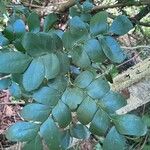
Paubrasilia echinata
Peachwood · Prickly brazilwood · St Martha's-wood · Indian savin tree · Brazil red wood
Description
Source: wikipedia (CC BY-SA)Paubrasilia echinata is a species of flowering plant in the legume family, Fabaceae, that is endemic to the Atlantic Forest of Brazil. It is a Brazilian timber tree commonly known as brazilwood and is the national tree of Brazil. This plant has a dense, orange-red heartwood that takes a high shine, and it is the premier wood used for making bows for stringed instruments. The wood also yields a historically important red dye called brazilin, which oxidizes to brazilein.
Care Guide
💧 Water
Brazilwood thrives in tropical climates, where it needs consistent moisture and high humidity. To support its growth, weekly watering is recommended, although the plant can tolerate brief dry spells. It grows best outdoors, where seasonal rains supplement its water needs during active growth periods.
☀️ Light Full sun
Brazilwood comes from open habitats, like sunlit meadows and forest margins, that offer plentiful light. It does best in Full Sun but can handle Partial Sun, adapting well to different light conditions.
What are the sunlight requirements for Brazilwood?
Brazilwood, known botanically as Paubrasilia echinata, thrives under specific sunlight conditions. It requires 'Full sun' exposure, which means the plant should receive above 6 hours of sunlight daily. For those areas that cannot provide full sun, 'Partial sun' exposure, about 3-6 hours of sunlight, is also suitable. It's important to observe the way sunlight moves through your garden, selecting locations that offer an ideal balance of light and shade. This careful consideration ensures your Brazilwood's health and happiness.
🌡️ Temperature 20–37.8°C
Brazilwood comes from tropical areas where the climate is usually warm and humid. Consequently, it is suited to high temperatures and humidity. It does not like abrupt temperature changes and prefers a consistent temperature, so avoiding indoor temperature fluctuations is important. It generally cannot tolerate cold conditions and needs relatively high temperatures to grow. If the surrounding temperature becomes too low, the plant may stop growing or even die.
What is Brazilwood?
Brazilwood, known botanically as Paubrasilia echinata, is a plant species. Unfortunately, the provided information does not include details about its essentials or symptoms associated with it, if any.
💨 Humidity dry (<40%)
This plant prefers dry conditions, so don't mist it. However, watering it less often can also thrive in higher humidity.
🪴 Soil 6-7
🌱 Fertilizer
The best time to fertilize a Brazilwood is in early spring as it breaks dormancy. This encourages overall growth and flower development. Fertilizing improves foliage, stems, and branches and encourages large, vivid, long-lasting flowers. It also helps transport nutrients from the roots to the blooms and enhances the plant's health and resistance to disease.
🪴 Pot & Repot Every 12 months
✂️ Pruning
To maintain the health and appearance of your brazilwood, it is best to prune during early to late winter. Focus on removing dead or crossing branches to improve air circulation, which fosters a strong structure and encourages flowering. Always sterilize your tools before pruning to prevent the spread of disease. Conducting pruning during the plant's dormant period helps to reduce stress and enhances growth in the spring.
🌿 Propagating
🐛 Diseases & pets
☠️ Toxicity
Characteristics
- Plant Type
- Tree
- Life Cycle
- Perennial
- Genus
- Paubrasilia
- Family
- Fabaceae
- Hardiness Zone
- 10-11
- Mature Height
- 12 m
- Mature Spread
- 6.1 m to 7.92 m
- Leaf Color
- Dark Green
- Leaf Type
- Evergreen
- Flower Color
- Red
- Flower Size
- 1.02 cm to 1.52 cm
- Bloom Time
- Late spring, Early summer, Mid summer
- Planting Time
- Spring, Summer, Autumn
- Harvest Time
- Mid summer, Late summer, Early fall