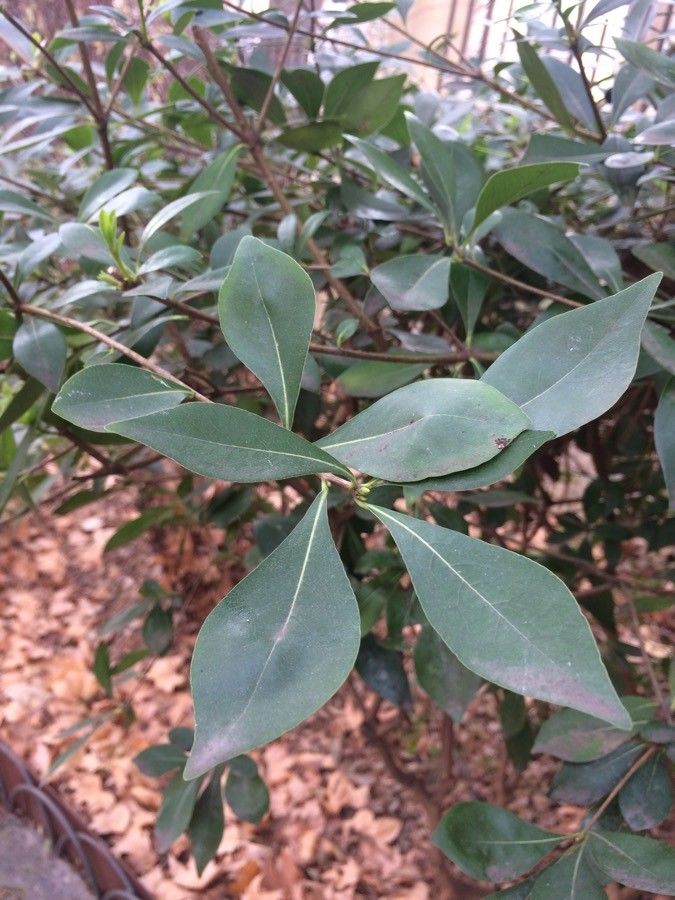
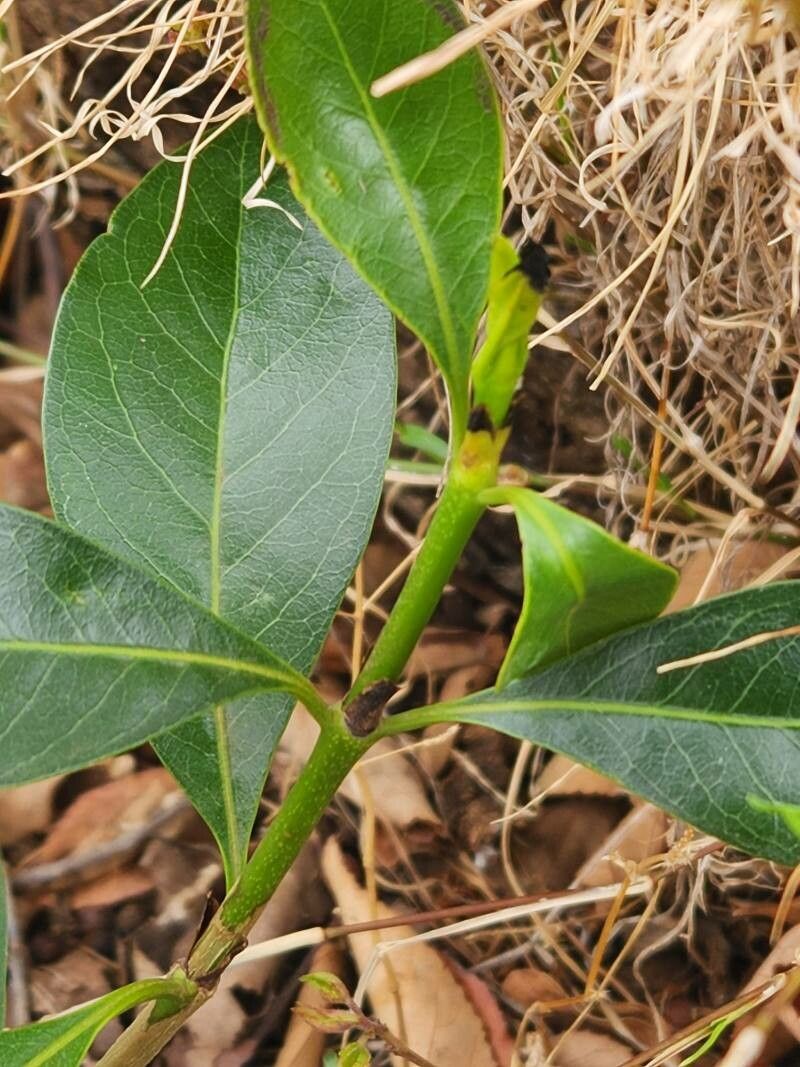
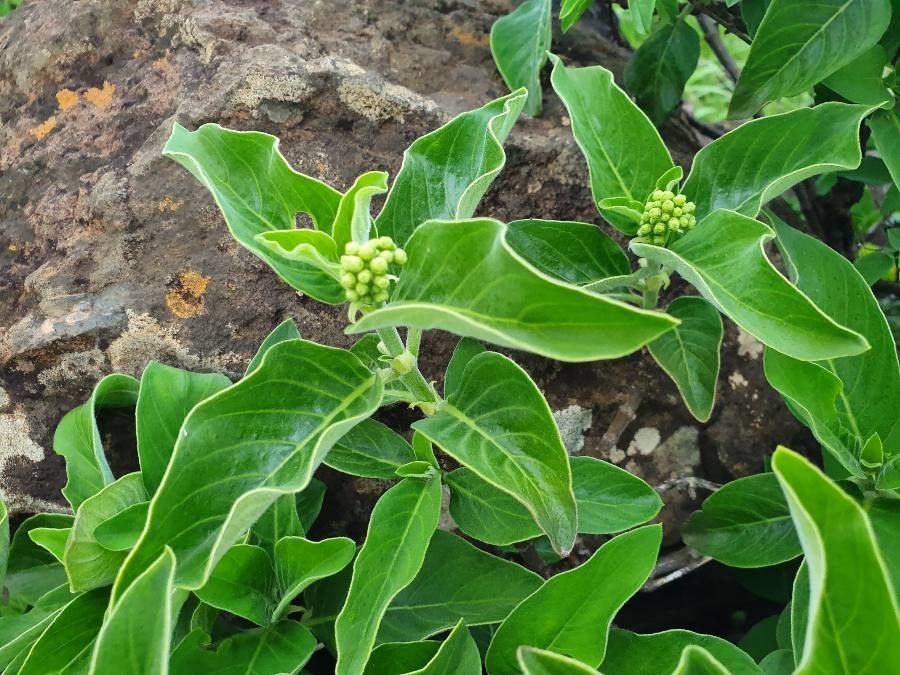
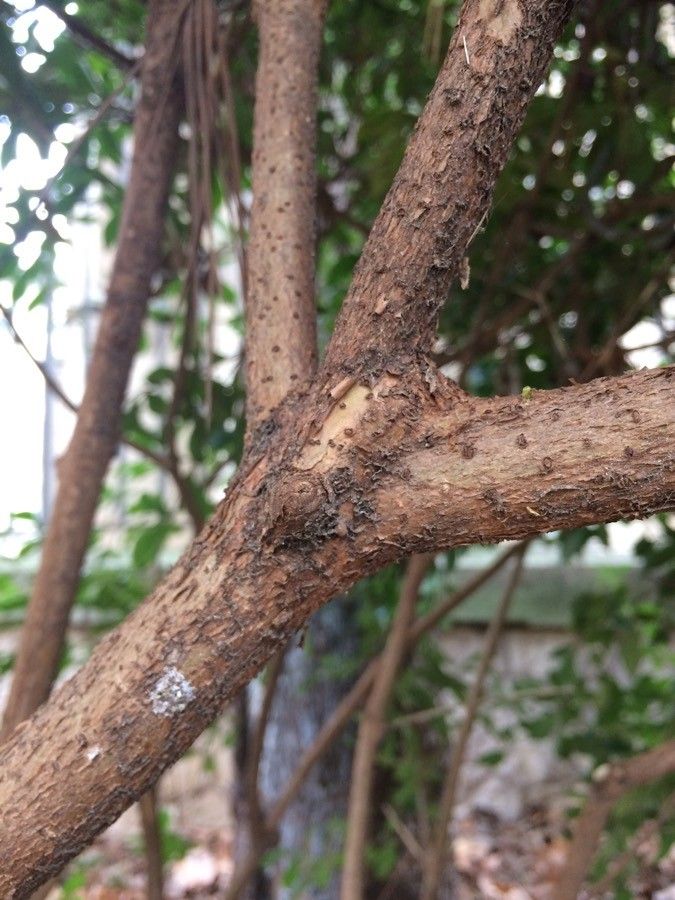
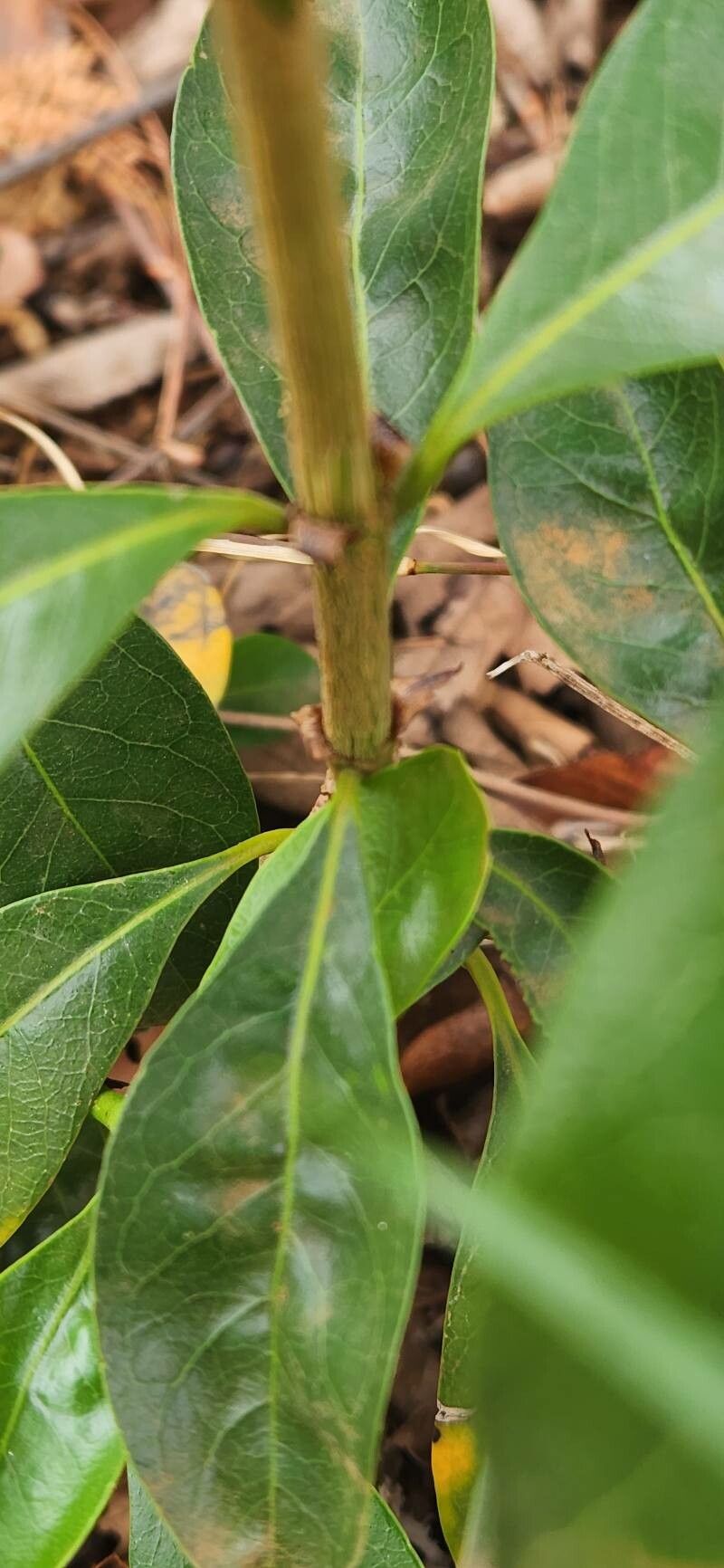
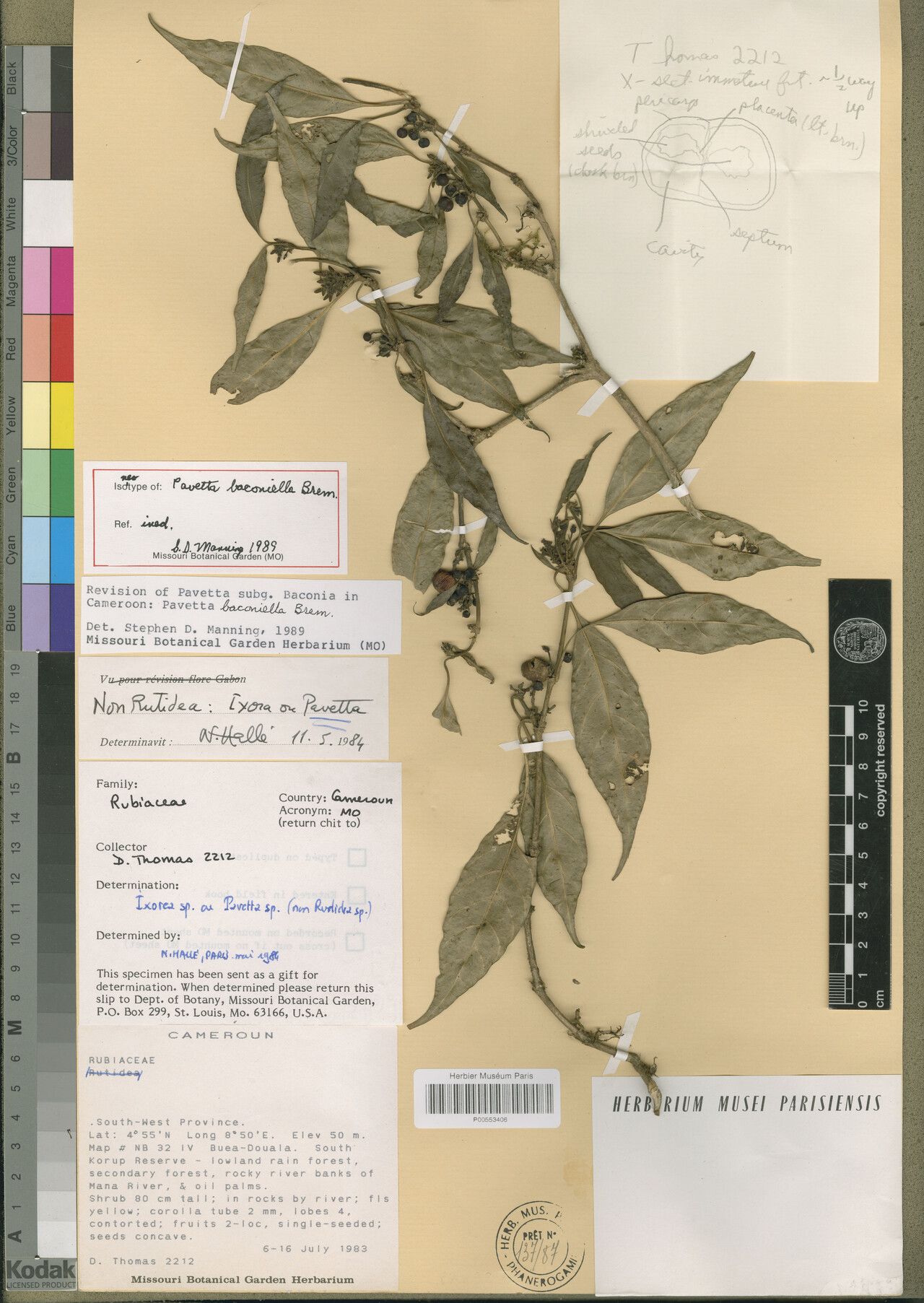
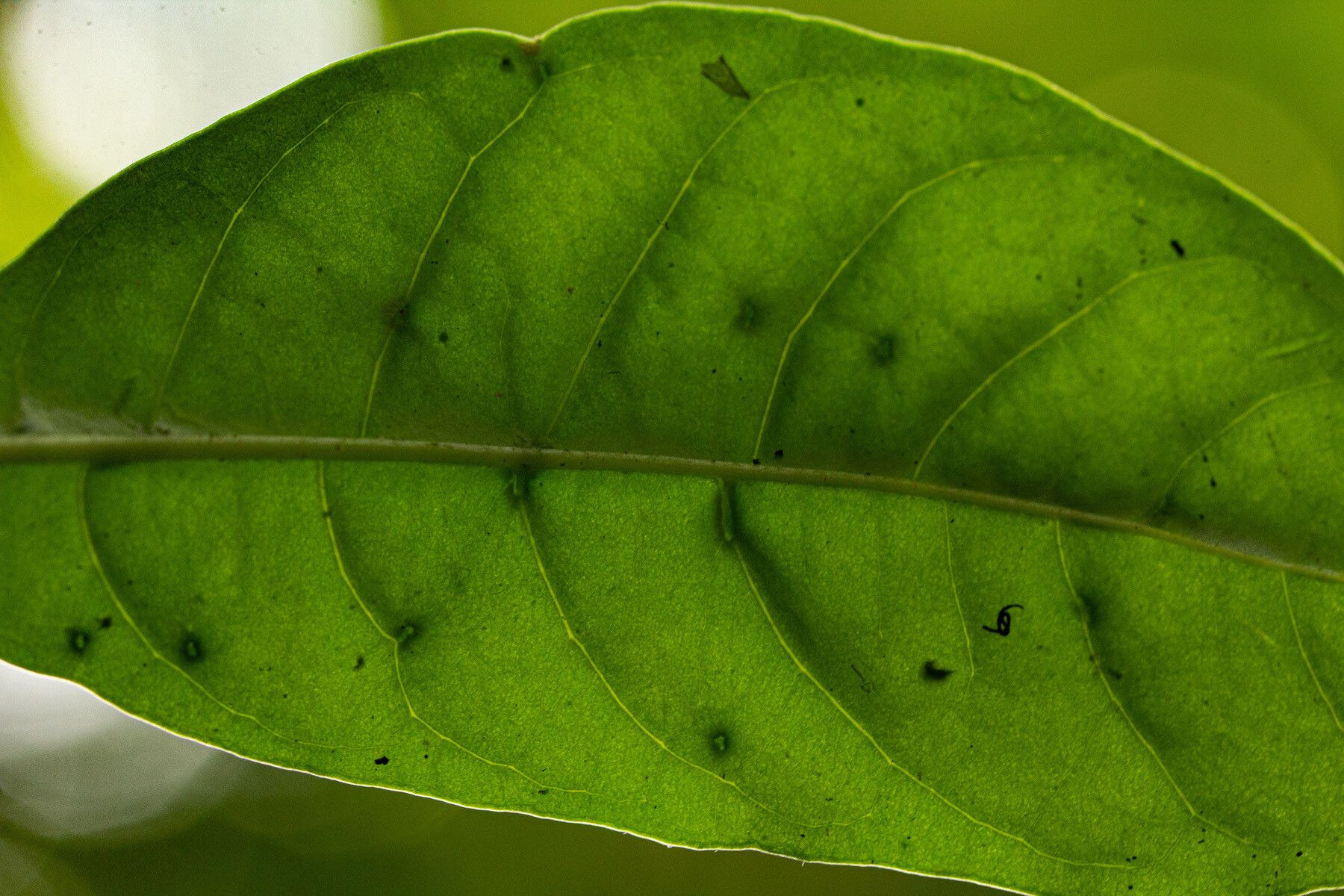
Pavetta gardeniifolia, commonly known as the African gardenia or Cape jasmine, is a flowering plant species in the Rubiaceae family. Native to tropical and subtropical regions of Africa, this plant typically grows up to 2 meters in height. It features glossy, dark green leaves arranged in opposite pairs along its stem.
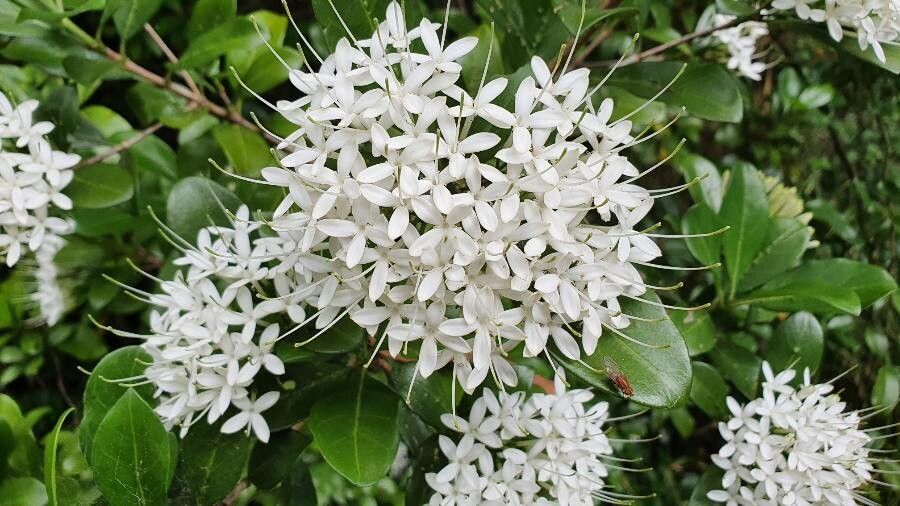
The African gardenia produces fragrant white flowers that bloom in clusters from late spring through summer. These tubular flowers, with five petals each, emit a sweet scent reminiscent of jasmine or gardenia, which explains its common name.
Pavetta gardeniifolia prefers well-drained soil with moderate moisture levels and can tolerate both partial shade and full sun. It can be propagated through stem cuttings or seeds.
In traditional medicine, various parts of Pavetta gardeniifolia have been used to treat conditions such as fever, malaria, stomach ailments, and skin infections.
Overall, Pavetta gardeniifolia is an attractive ornamental plant with beautiful, fragrant flowers that enhance any landscape design while also offering medicinal benefits in traditional practices.
The Christmas bride bush has strong disease resistance and is generally unlikely to develop illnesses. Care is fairly simple: when grown outdoors it needs only minimal watering, and larger plants typically do not require pruning. Smaller plants, however, should be pruned after they finish blooming. The Christmas bride bush is suitable for anyone with outdoor space, like a garden or deck, and does not demand extensive care experience.
How to keep Pavetta Gardeniifolia.
Light
The Christmas bride's bush requires constant exposure to strong sunlight for best growth. Its needs change very little over its lifespan. Native to areas soaked in direct sun, it does well in comparable settings. Excessive sun is seldom an issue, but insufficient light can weaken the plant and lessen the vibrancy of its blooms.
Humidity
This plant will thrive in moderate humidity, which is probably the level in your home. However, misting it a few times a week can be very beneficial. Make sure the room has good ventilation.
Temperature
Christmas bride's bush is native to temperate regions and thrives within a broad temperature range of 59 to 100.4 °F (15 to 38 ℃). To mirror its natural habitat, vary temperatures with the seasons, lowering them in winter when needed.
Fertilizer
The best time to fertilize a Christmas bride bush is in early spring, as it breaks dormancy. This encourages overall growth and the development of flowers. Fertilizing improves the foliage, stems, and branches, and helps produce flowers that are larger, more vibrant, and longer-lasting. It assists in moving nutrients from the roots to the blooms and enhances the plant's health and resistance to disease.
Botanical profile.
- Plant Type
- Tree, Shrub
- Life Cycle
- Perennial
- Genus
- Pavetta
- Family
- Rubiaceae
- Hardiness Zone
- 8-11
- Mature Height
- 2.13 m to 3.96 m
- Mature Spread
- 2.13 m
- Leaf Color
- Dark Green, Forest Green
- Leaf Type
- Evergreen
- Flower Color
- White
- Flower Size
- 1.02 cm to 1.52 cm
- Bloom Time
- Late spring, Early summer, Mid summer
- Planting Time
- Spring, Summer, Autumn
- Harvest Time
- Late summer, Early fall, Mid fall
- Native Area
- Malawi, Somalia, Angola, Namibia, South Africa, Zambia, Rwanda, Eritrea, Sudan, Nigeria, Kenya, Uganda, Tanzania, Zimbabwe, Benin, Mali, Chad, Cameroon, Burundi, Mozambique, Togo, Côte d'Ivoire, Ethiopia, Congo (DRC), Botswana, Central African Republic
Other names.