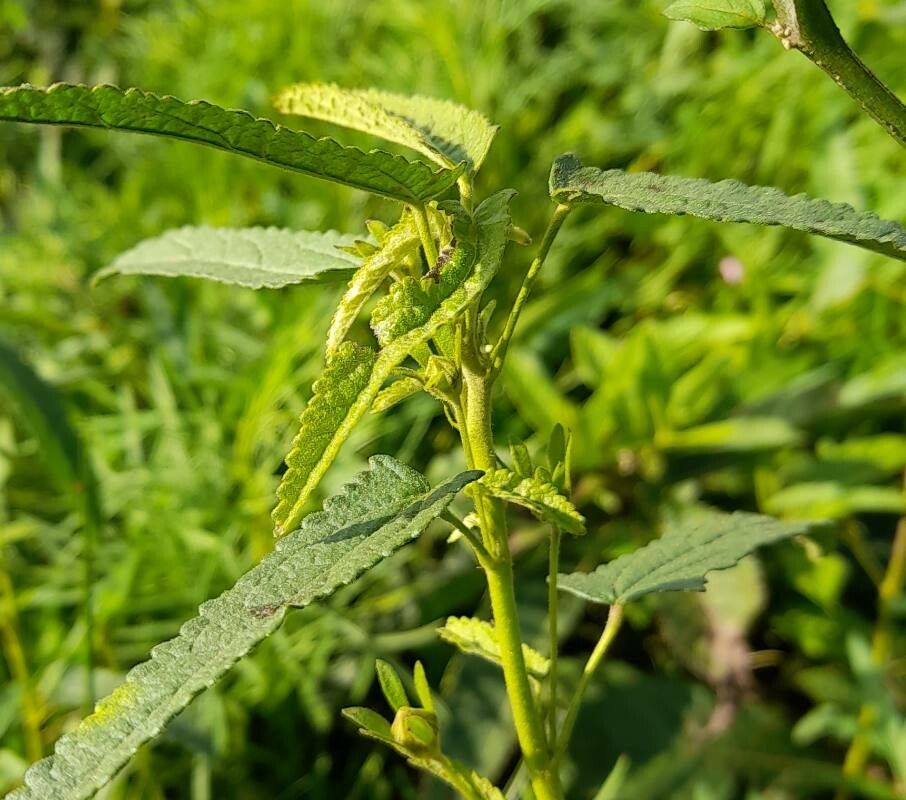
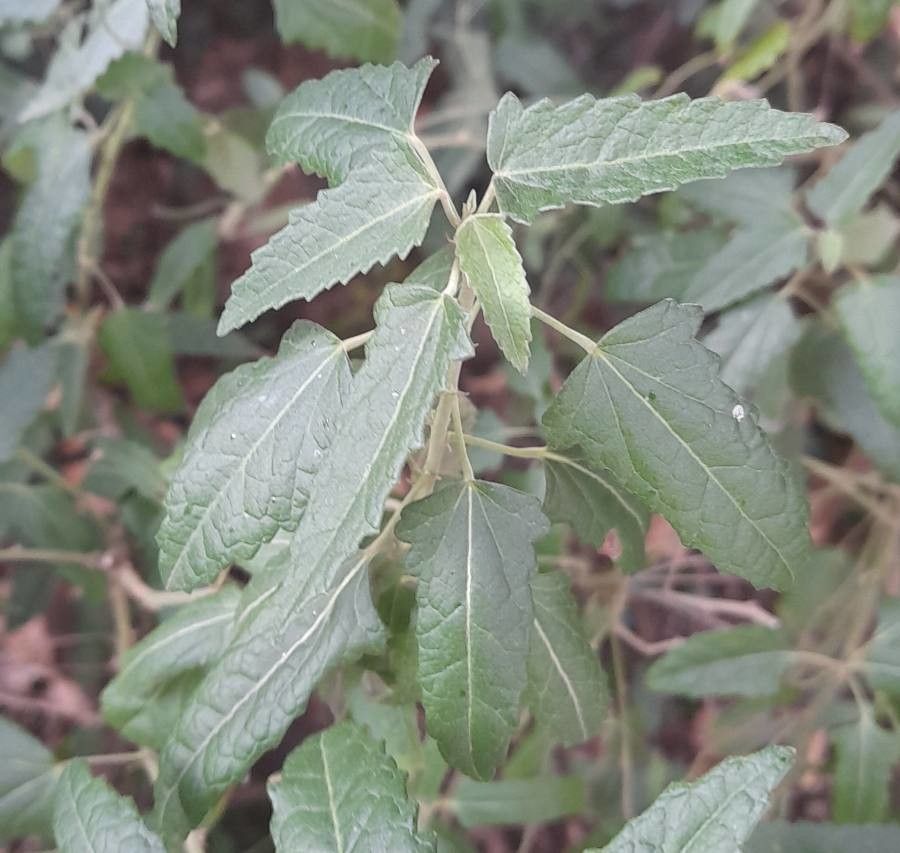
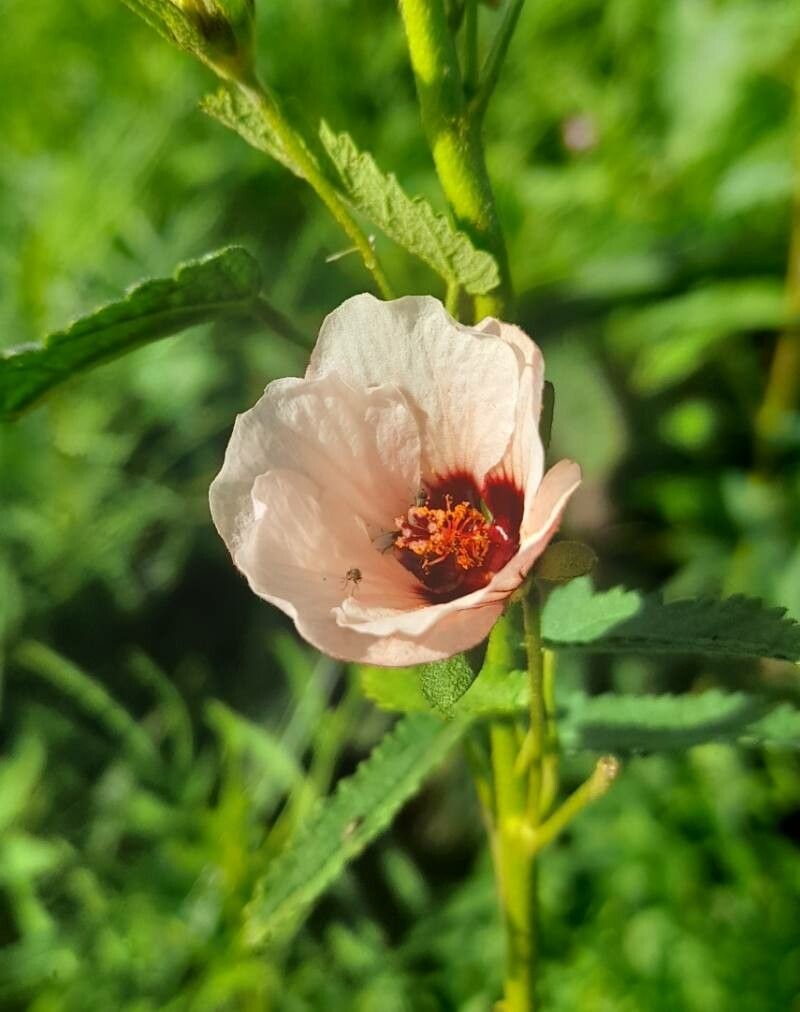
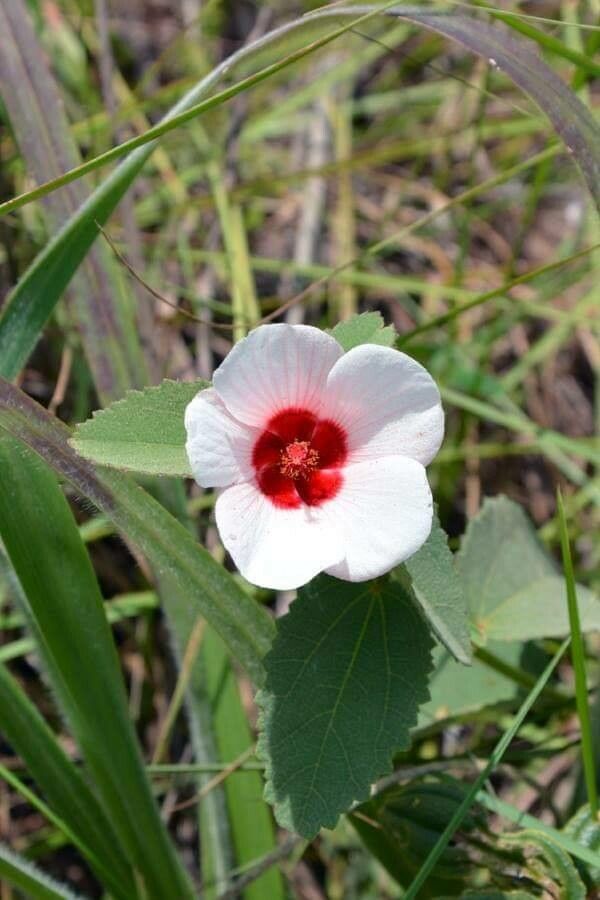
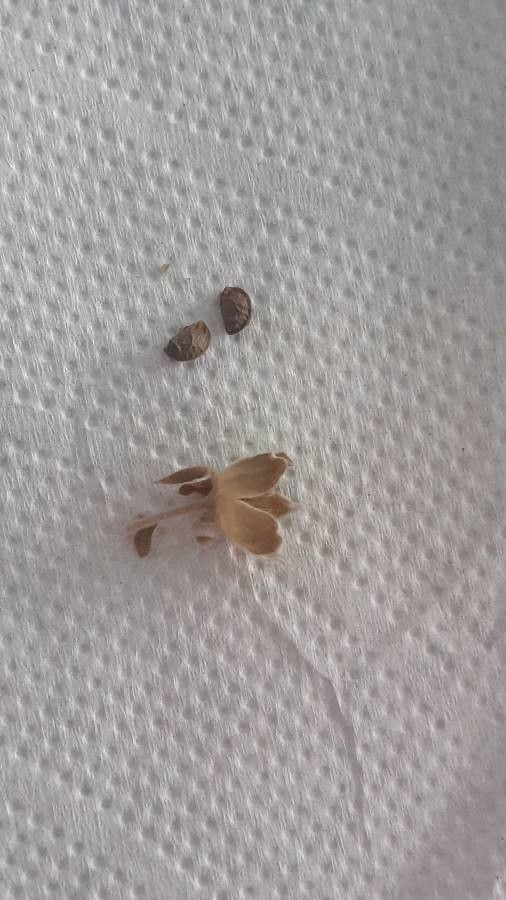
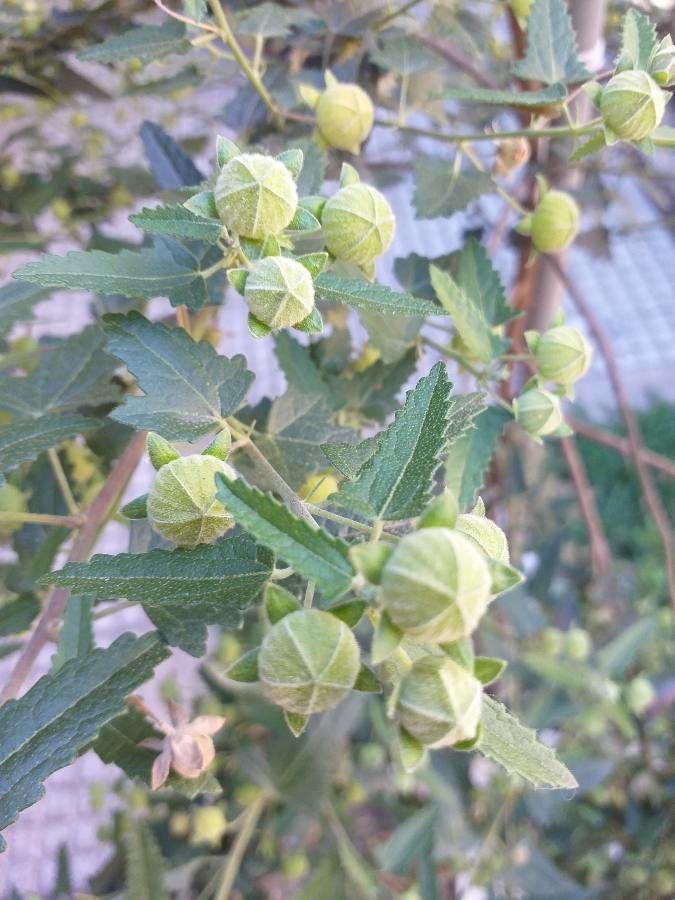
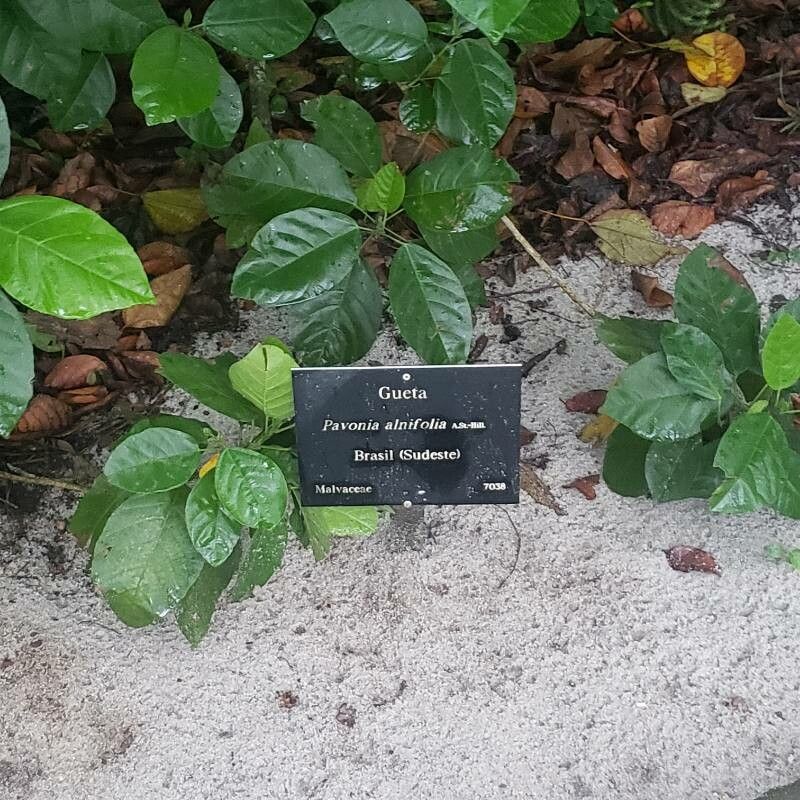
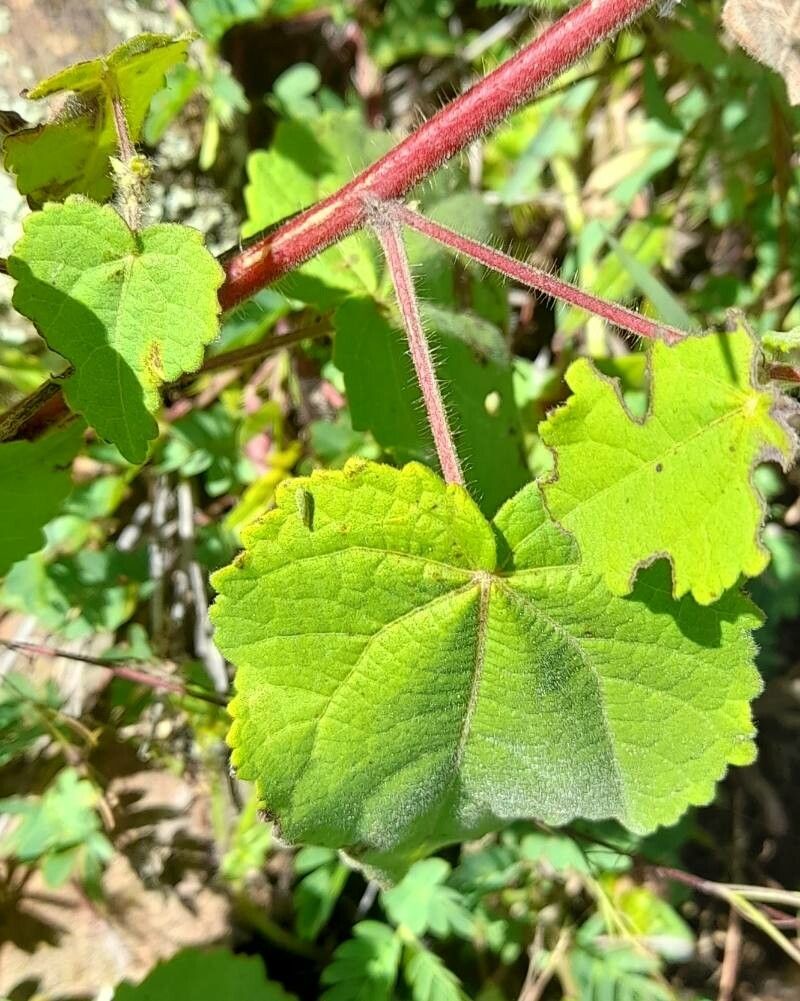
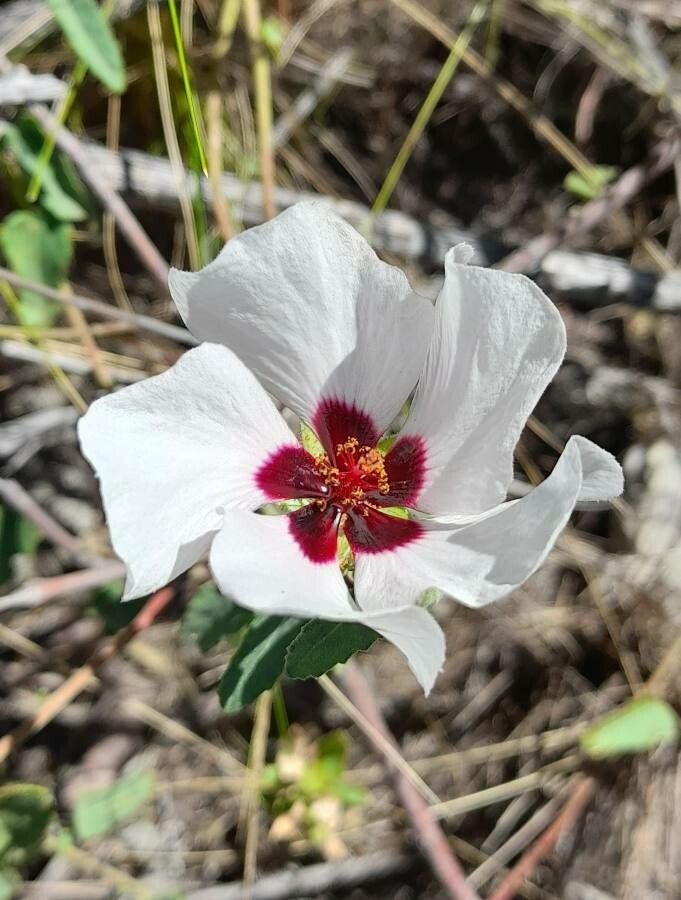
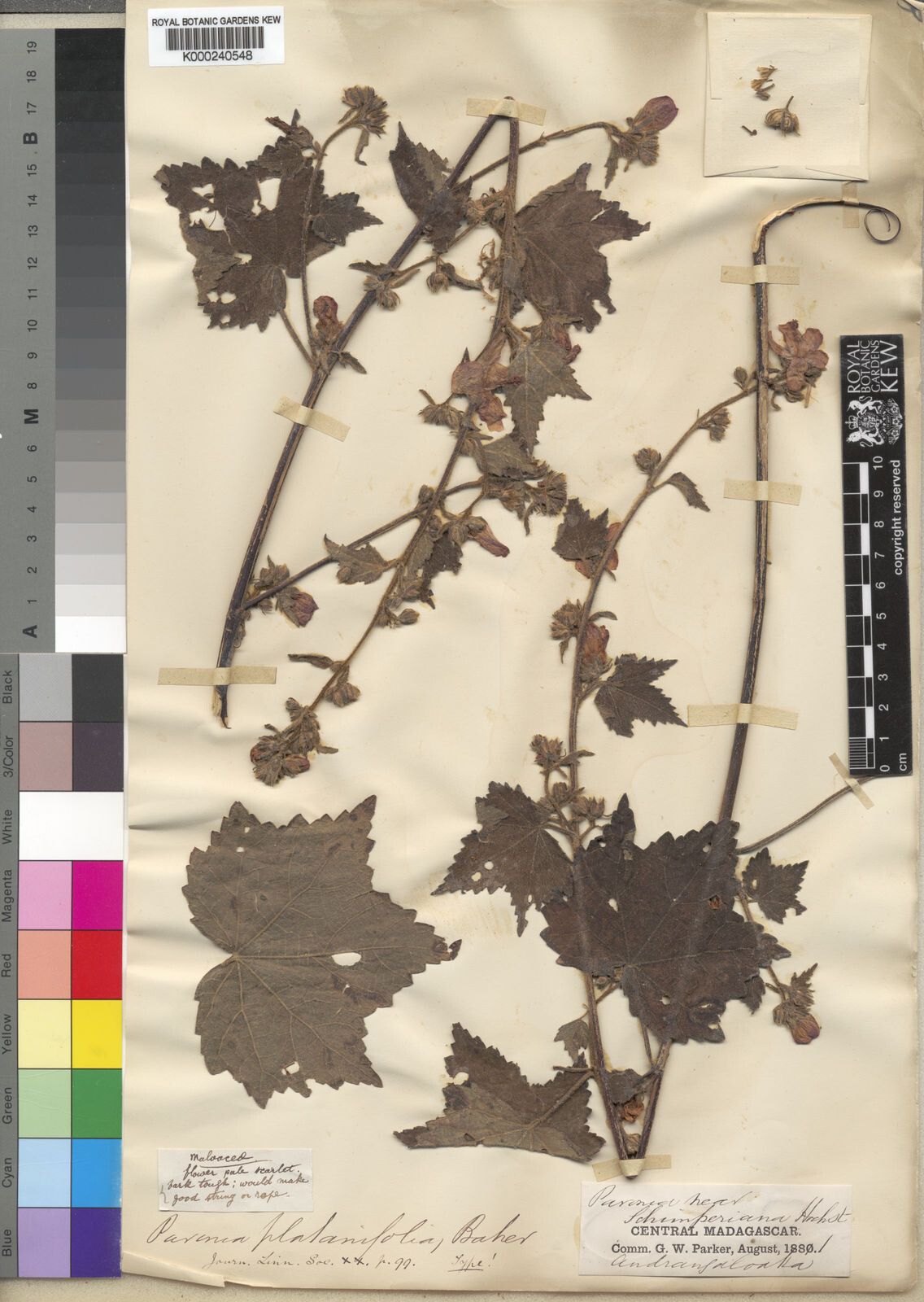
Pavonia hastata, commonly known as spearleaf swampmallow or pink pavonia, is a shrub in the family Malvaceae. The species is native to Brazil, Bolivia, Argentina, Paraguay and Uruguay. It was previously considered to be native to Australia as well, but is no longer thought to be.Plants grow to 1.5 metre high and have leaves that are 10 to 60 mm long and 10 to 25 mm wide. The hibiscus-like flowers are pink with a red throat. These appear in summer and autumn.The species is easily propagated by seed or cuttings.
Spearleaf swampmallow has strong resistance to disease and is generally not susceptible to illnesses. Regarding care, this plant is fairly low-maintenance. When grown outdoors it needs minimal watering, and larger plants typically do not require pruning. Smaller plants, however, should be pruned after they finish blooming. Spearleaf swampmallow is suitable for anyone with an outdoor area, such as a garden or deck, and does not demand much prior care experience.
How to keep Pavonia Hastata.
Light
Spearleaf swampmallow does best in areas that receive plentiful sunlight throughout the day, though it can tolerate periods of less intense light. The amount of sun it gets strongly affects its growth and health. Too much or too little sunlight can negatively impact its development, a response connected to the light conditions of its native habitat.
Water
The Spearleaf swampmallow flourishes in tropical settings where there is consistent moisture and some tolerance for drought. To maintain soil moisture and support its vibrant foliage, it needs to be watered weekly, particularly during the growing season. Additionally, keeping humidity levels high is important to mimic its natural habitat.
Temperature
Spearleaf swampmallow grows best in areas with temperatures between 59 and 95 °F (15 to 35 °C). Native to temperate regions, it can tolerate cooler conditions but prefers warmth. Seasonal temperature shifts may require adjustments.
Fertilizer
Timing is essential for fertilizing Spearleaf swampmallow. Apply fertilizer in early spring and continue once a month until early summer. Fertilizer encourages attractive blooms and supplies energy both during dormancy and periods of active growth.
Pruning
The spearleaf swampmallow is characterized by its spear-shaped leaves and vibrant flowers. To maintain its health, prune it in late spring. This will help remove dead stems, improve air circulation, and shape the plant. Make clean cuts just above the leaf nodes to promote new growth, healthier blooms, and prevent disease.
Botanical profile.
- Plant Type
- Shrub
- Life Cycle
- Perennial
- Genus
- Pavonia
- Family
- Malvaceae
- Hardiness Zone
- 7-10
- Mature Height
- 1.52 m
- Mature Spread
- 1.22 m
- Leaf Color
- Green, Dark Green
- Leaf Type
- Semi-evergreen
- Flower Color
- Pink
- Flower Size
- 5.08 cm
- Bloom Time
- Summer, Fall
- Planting Time
- Spring, Summer, Autumn
- Harvest Time
- Late summer, Fall, Early winter
- Native Area
- Brazil, Mexico, Bolivia
Other names.
Reader questions.
What is the best way to water my Spearleaf swampmallow plant?
To ensure excellent root development for your plants, consider using a garden hose at the plant base. However, avoid spraying the leaves directly. If your plants are outdoors and exposed to direct sunlight, keep in mind that the leaves will need more water. To moisten the roots effectively, you can also use bubblers for each plant. Additionally, soaker hoses can be handy when adding or removing plants, as they cover the entire garden or bed, encouraging deep root growth. Remember to drain any excess water and allow the soil to dry before watering again. To prevent diseases, it's best to water at ground level. On a sunny day, spraying the entire bush with water can be beneficial. Whether your plants are in pots or in the ground, it's important to prioritize deep watering rather than light sprinkling, especially for Spearleaf swampmallow.
Why should I put fertilizer on my Spearleaf swampmallow plant?
Fertilizing a Spearleaf swampmallow is important for several reasons. Firstly, it helps the plant produce beautiful blooms. For the best results, it is recommended to fertilize in early spring to ensure excellent flowers during that season. Additionally, fertilizer provides the plant with energy that it can store in the ground during dormant growth phases. By giving your Spearleaf swampmallow extra nutrients during fall planting or late spring, it can store more energy to utilize when active growth resumes.
What are the sunlight requirements for Spearleaf Swampmallow?
Spearleaf Swampmallow (Pavonia hastata) thrives best in areas that receive full sun, defined as above 6 hours of sunlight daily. However, it can also tolerate partial sun, receiving about 3-6 hours of sunlight. Adequate sun exposure is crucial for its growth and health, as both excessive and insufficient sunlight can negatively impact its development. Observing how sunlight moves through your garden and choosing locations that offer a balance of light and shade will ensure the plants' optimal growth.
What is the ideal temperature range for Spearleaf swampmallow to thrive?
Spearleaf swampmallow primarily thrives in regions where temperatures range from 59 to 95 °F (15 to 35 °C). Native to temperate areas, this plant can tolerate cooler conditions but prefers warmer environments. To adapt to seasonal temperature changes, certain adjustments may be necessary. It's noteworthy that Spearleaf swampmallow possesses strong cold resistance, meaning special frost protection measures are not typically required during winter. However, when winter temperatures are predicted to drop below -15°C, cold protection through methods like wrapping the trunk and branches with non-woven fabric or cloth is advised. Additionally, it is recommended to water the plant abundantly before the first freeze in autumn to ensure the soil remains moist and enters a frozen state, which helps prevent drought and water scarcity during winter and early spring.
What should I do if I give Spearleaf swampmallow too much or too little water?
An overwatered Spearleaf swampmallow will show signs of yellowing, dropping leaves, and wilting. The plant may also appear dull and unhealthy with mushy stems. When these signs appear, it's important to adjust your watering schedule if possible. Wilting can also indicate under watering, with leaves becoming crispy and dry. In this case, check the soil and provide a thorough watering when it is dry. Sufficient water will help the Spearleaf swampmallow recover, but the plant may still have dry, yellow leaves due to damage to the root system. Once the plant returns to normal, the yellowing of leaves will stop. When growing the Spearleaf swampmallow indoors, always check the moisture levels in the pot and avoid overwatering. Look out for signs of black spots, and if present, allow the soil to dry by pausing watering for a few days. Overwatering can lead to root rot, so if you see discolored and slimy roots, consider transferring the plant to a different pot. It's important to prevent root rot by avoiding overly soggy soil. When planting the Spearleaf swampmallow outdoors, make sure to dig deeper and check for dry soil. If the soil is dry, it may indicate underwatering, so adequate watering is necessary to promote plant recovery.
When should I put fertilizer on my Spearleaf swampmallow plant?
Timing is crucial when fertilizing Spearleaf swampmallow. If fertilizer is applied too early while the plant is still dormant, it won't be effective and will be washed away by rain, causing waste and pollution. To ensure proper fertilization, the first application should be done in early spring and continued monthly until early summer.
How does sunlight exposure affect Spearleaf Swampmallow?
Sunlight exposure is vital for the growth and health of Spearleaf Swampmallow, influencing its ability to thrive. In its natural habitat, it is accustomed to abundant sunlight throughout the day, with the capability to endure periods of less intense sunlight. Ensuring the plant receives sufficient sunlight is essential, as deviations from its natural sunlight conditions can lead to adverse effects on its development.
How does Spearleaf swampmallow respond to low temperatures?
Spearleaf swampmallow is cold-tolerant and thrives best when the temperature is above 15°C. During winter, it's important to ensure that the plant is kept in conditions above -10°C. If temperatures fall below -15°C, there may not be noticeable changes during winter, but come spring, the branches might become brittle and dry, with no new shoots emerging. To mitigate this, it is recommended to prune away any dead branches that have failed to produce new leaves in the spring.
How often do I need to water my Spearleaf swampmallow?
The Spearleaf swampmallow prefers deep and infrequent watering, especially when in pots. It is important to soak them in a gallon of water each time to accommodate for the limited water storage in flower pots, as the soil dries out faster. In colder regions, watering is needed every 3 to 5 days and should be done early in the morning when the soil is dry, both indoors and outdoors. To determine if watering is required, check the soil inside the pot. If the top 2-3 inches of soil are dry, it is time for a full watering. During hot days, it is necessary to monitor moisture daily to prevent the soil from drying out quickly. For garden plants, irrigation is also necessary, especially in hot climates where watering once a week is recommended. Only water outdoor and indoor plants when the top 2-3 inches of soil become too dry. Be mindful of rainfall, as excessive watering can cause root rot. Mulch, about 3 to 4 inches deep, should be added when plants are outdoors to conserve water. Sandy soil tends to drain faster, so plants in this type of soil require more frequent watering. Conversely, clay soil retains water better, so less frequent watering is needed to avoid root rot. Keep track of watering by marking the dates on a calendar and pay attention to any drooping leaves, as this may indicate that watering is overdue.
When shouldn't I put fertilizer on my Spearleaf swampmallow?
To ensure healthy growth and abundant blooms for Spearleaf swampmallow, it is important to consider the timing and composition of fertilizer. Avoid using a nitrogen-rich fertilizer as it can result in excessive leaf growth but fewer blooms. Instead, opt for a fertilizer that has a lower nitrogen content compared to other nutrients. Additionally, refrain from fertilizing after early autumn as this can cause excessive growth right before winter, which is not ideal. It is also advised not to fertilize Spearleaf swampmallow during hot and dry periods as dry soil does not efficiently deliver nutrients and can stimulate growth that requires more water, which may not be available. It is advisable to apply fertilizer during cooler temperatures earlier in the season. Lastly, be cautious of inadvertently over-fertilizing nearby plants or lawns as Spearleaf swampmallow can absorb fertilizer from its surroundings.
What are the symptoms of improper sunlight exposure in Spearleaf Swampmallow?
Symptoms of improper sunlight exposure in Spearleaf Swampmallow include small and new leaves growing smaller in size, leggy or sparse growth, faster leaf drop, and slower or no new growth. Additionally, lighter-colored new leaves, chlorosis (loss of green color and turning yellow), sunscald (damage from intense sunlight), leaf curling, wilting, and leaf scorching can also indicate that the plant is not receiving the optimal amount of sunlight.
What should be done if Spearleaf swampmallow experiences high temperatures?
During summer, it's crucial to maintain the temperature around Spearleaf swampmallow below 35°C. Should the temperature exceed 41°C, the plant's leaves may become lighter in color, the tips may dry out and wither, and the plant may become more susceptible to sunburn. To address this, sunburned and dried-up parts should be trimmed away. If possible, move the plant to a location that provides shade during the midday and afternoon sun, or utilize a shade cloth to create some shade. It is also beneficial to water the plant in the morning and evening to ensure the soil remains moist.