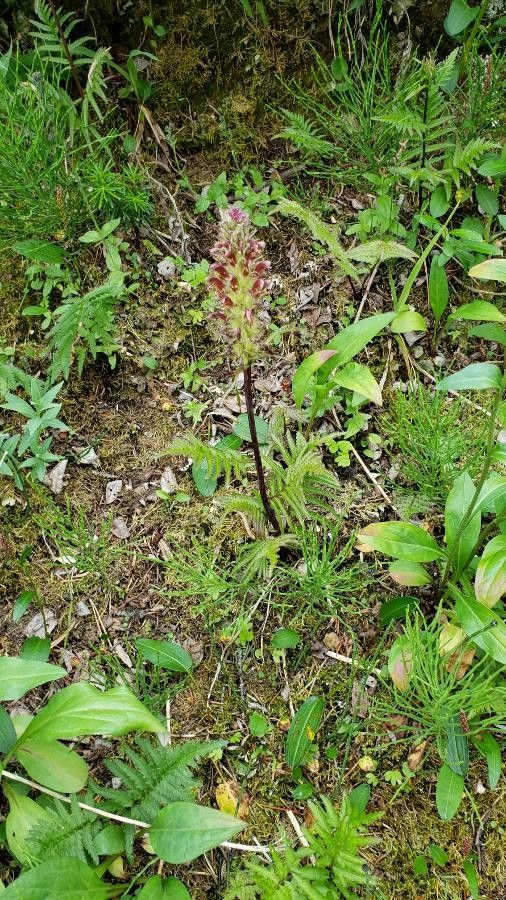
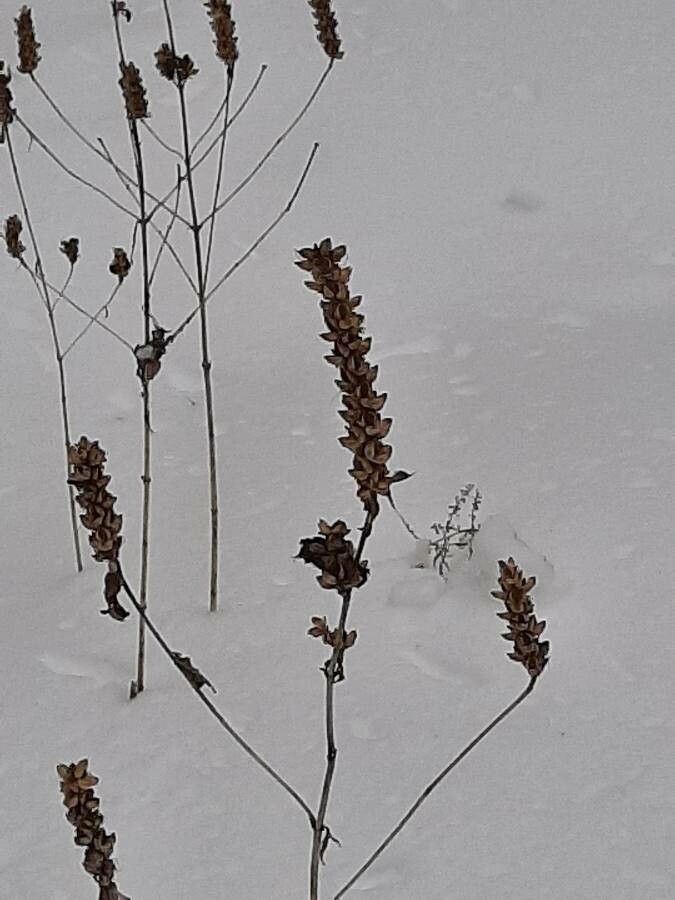
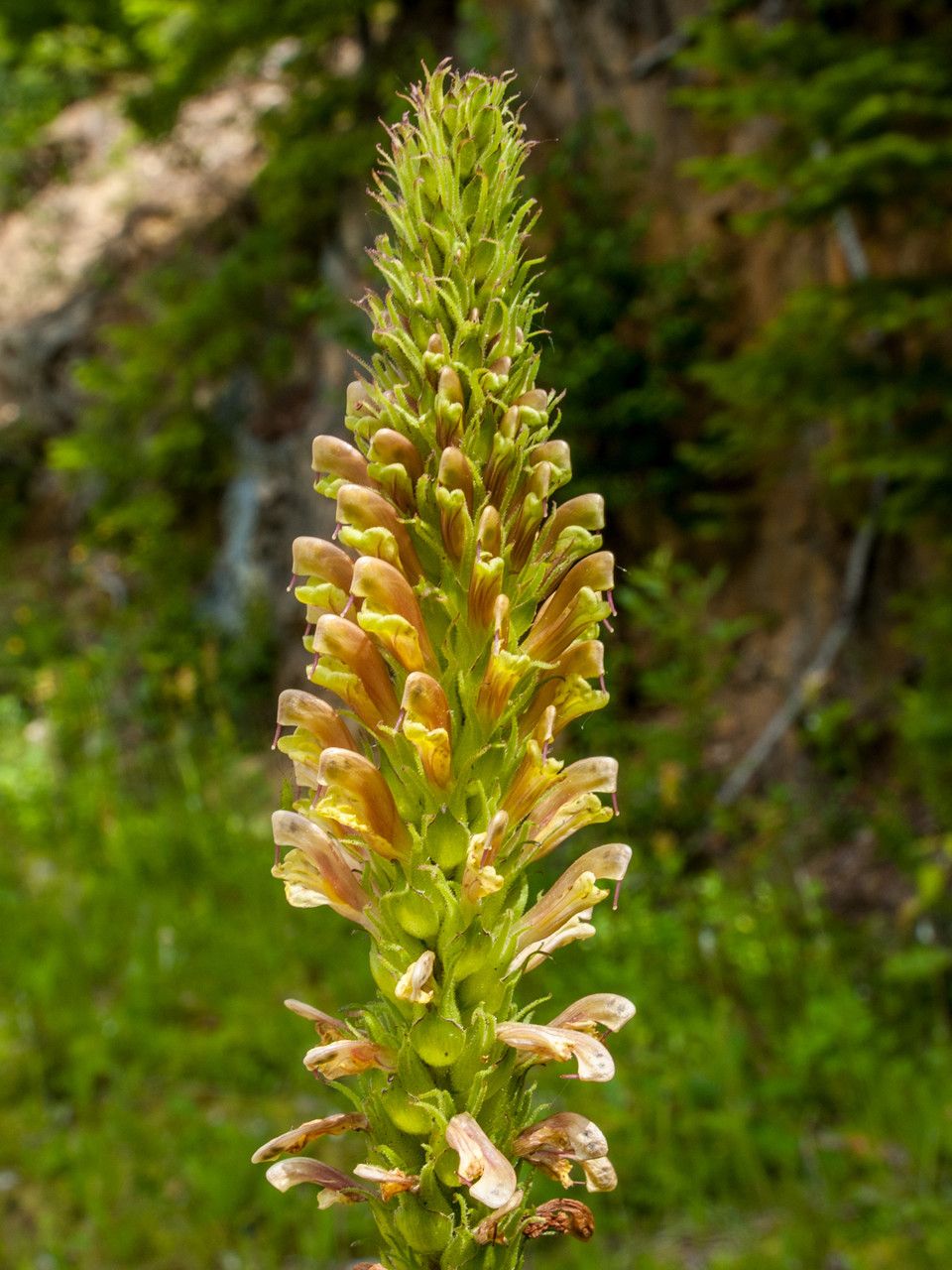
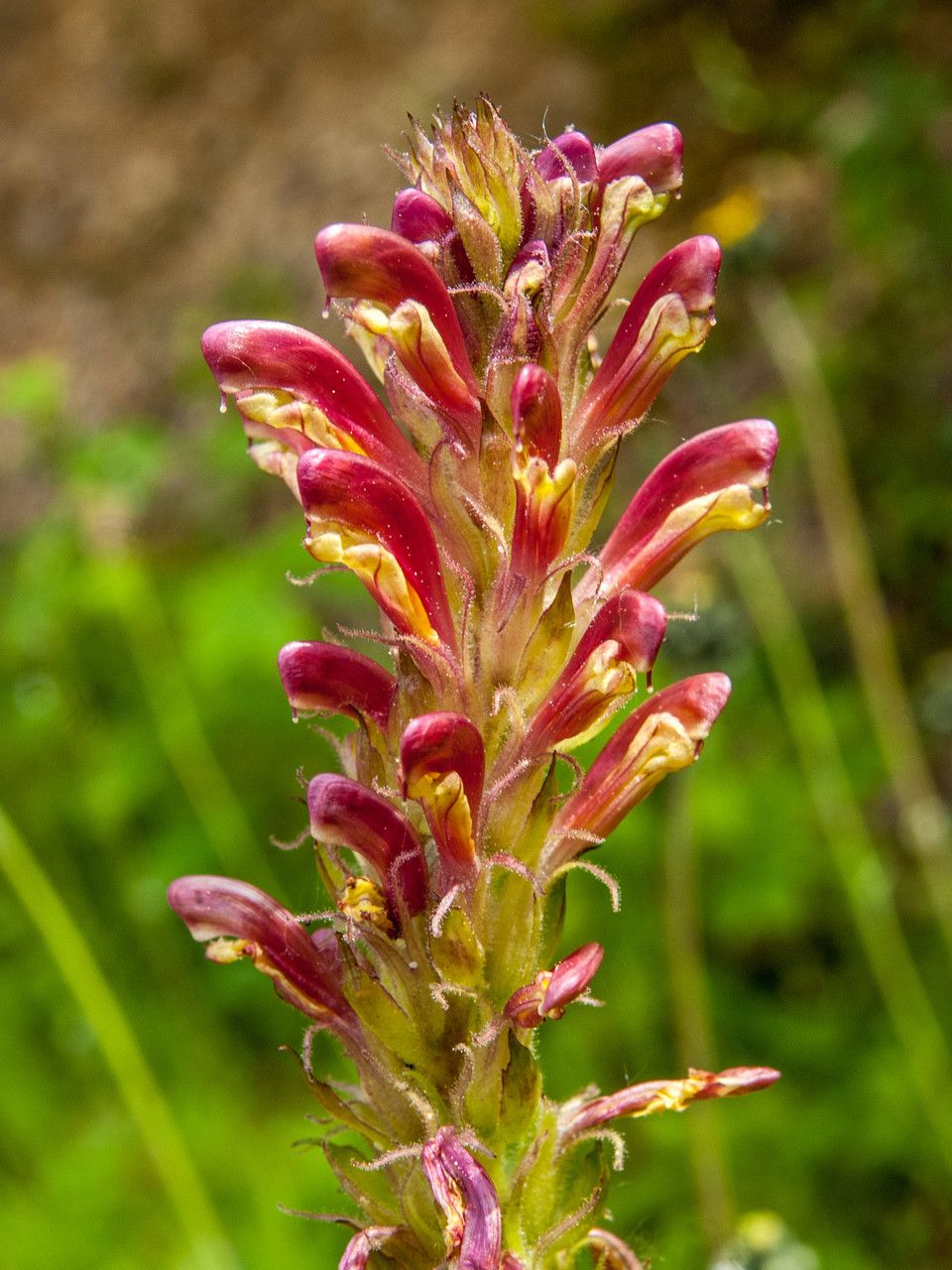
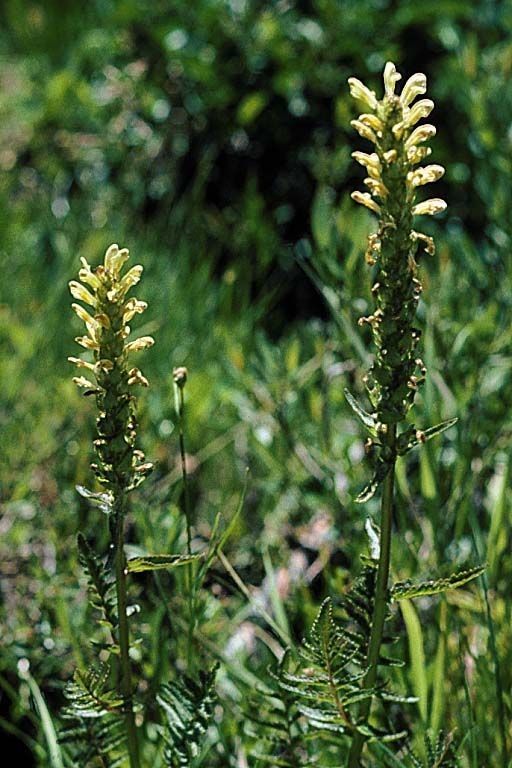
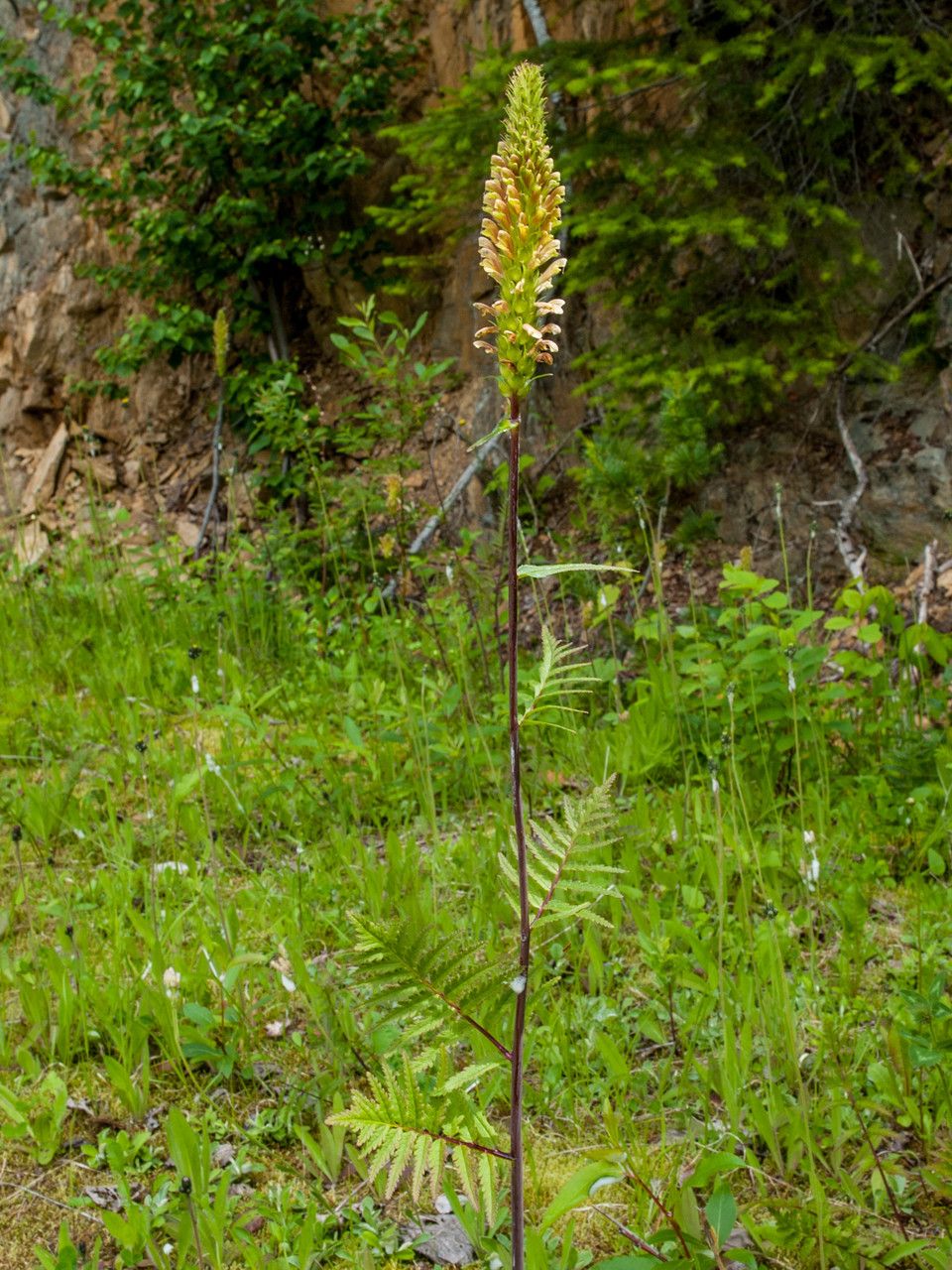
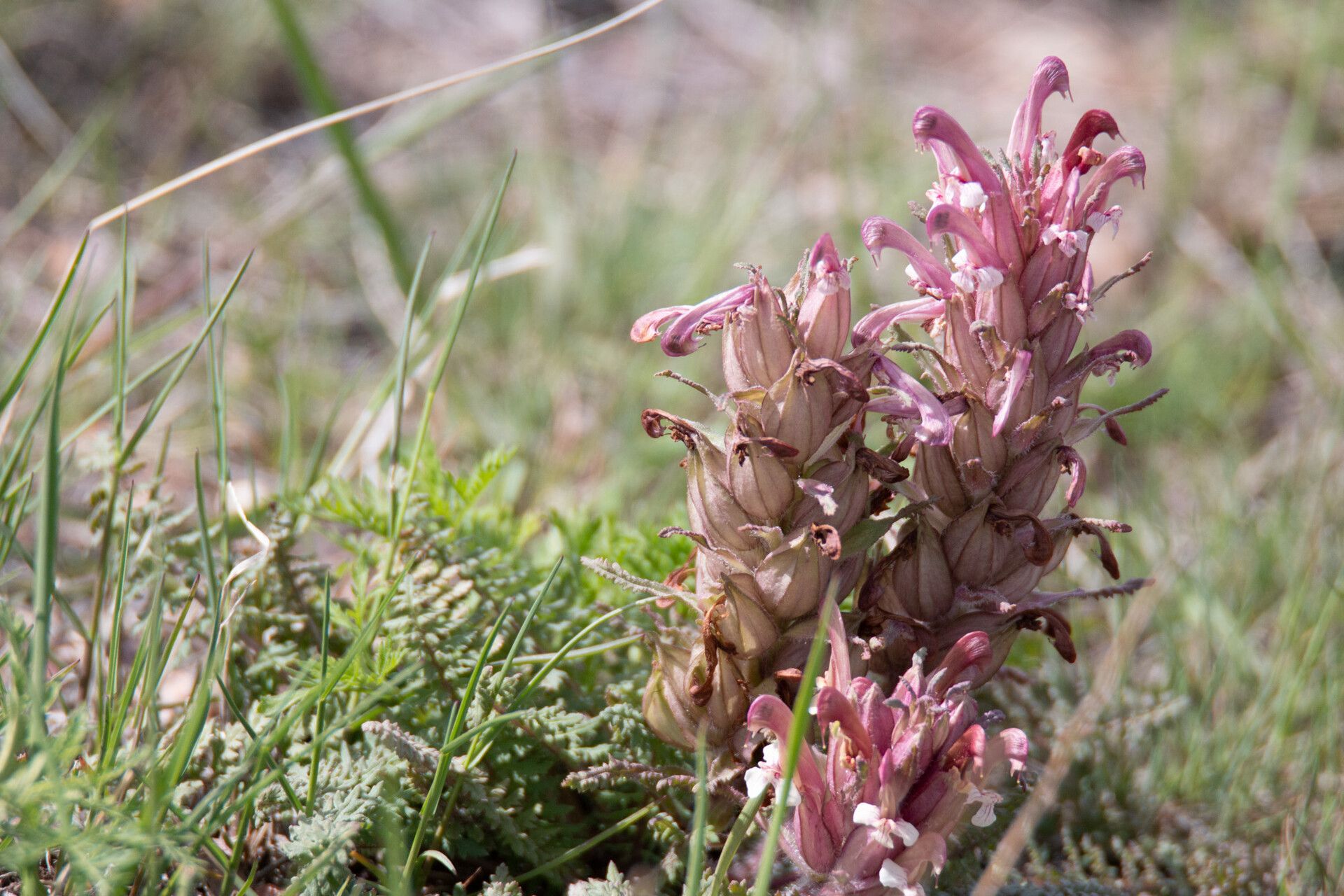
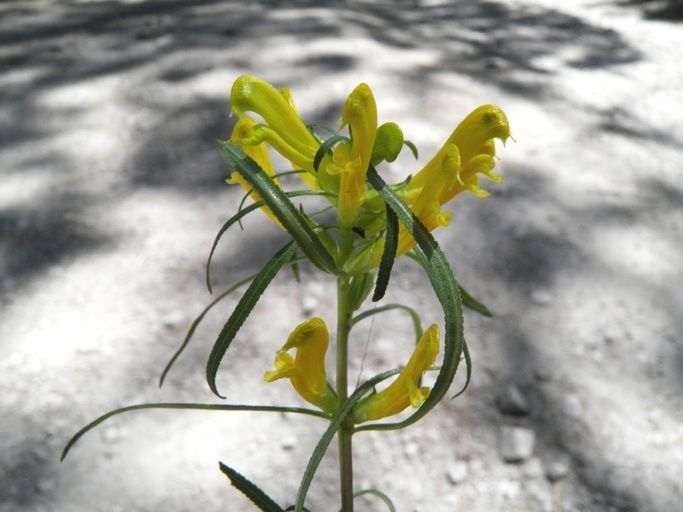
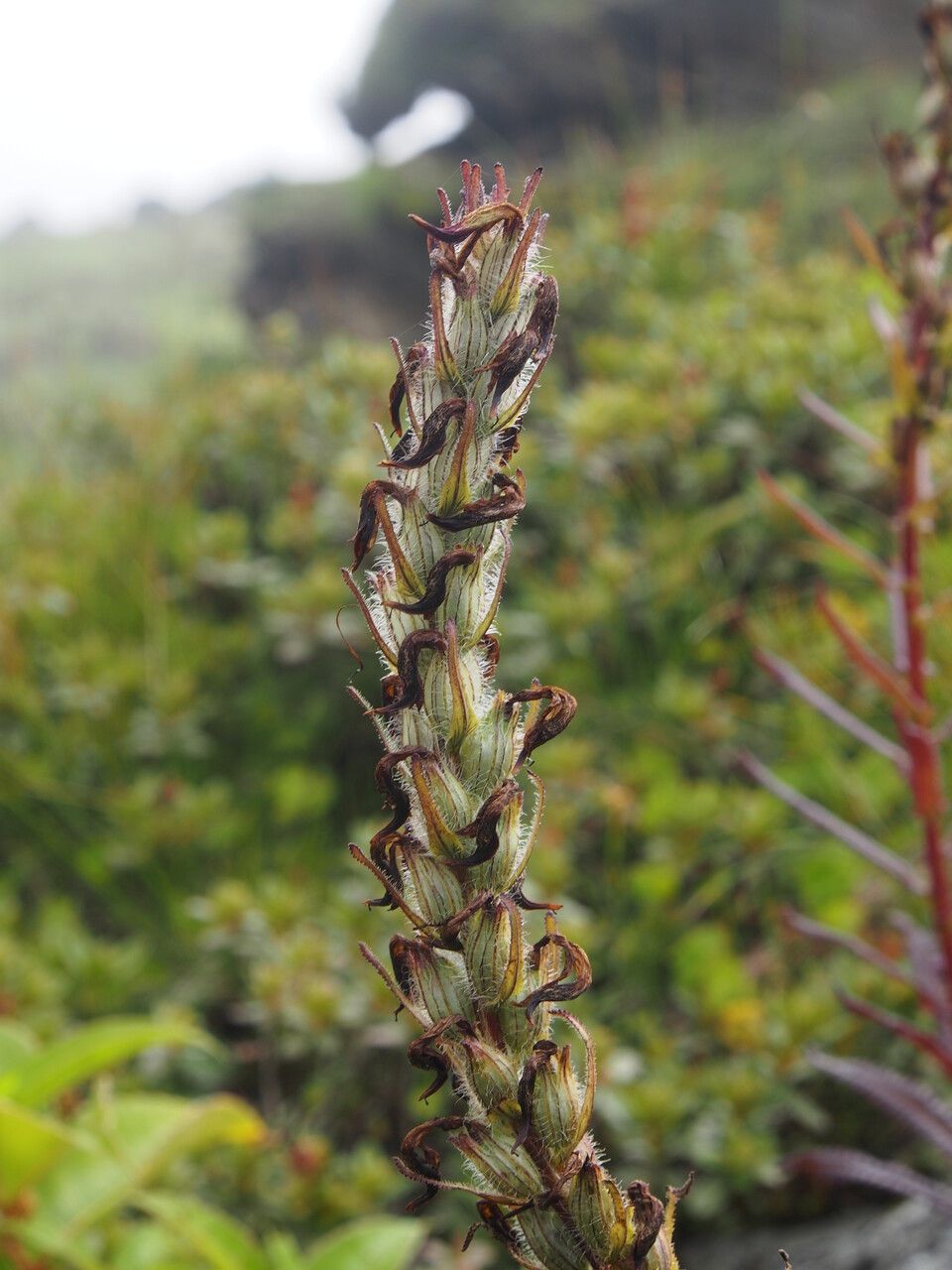
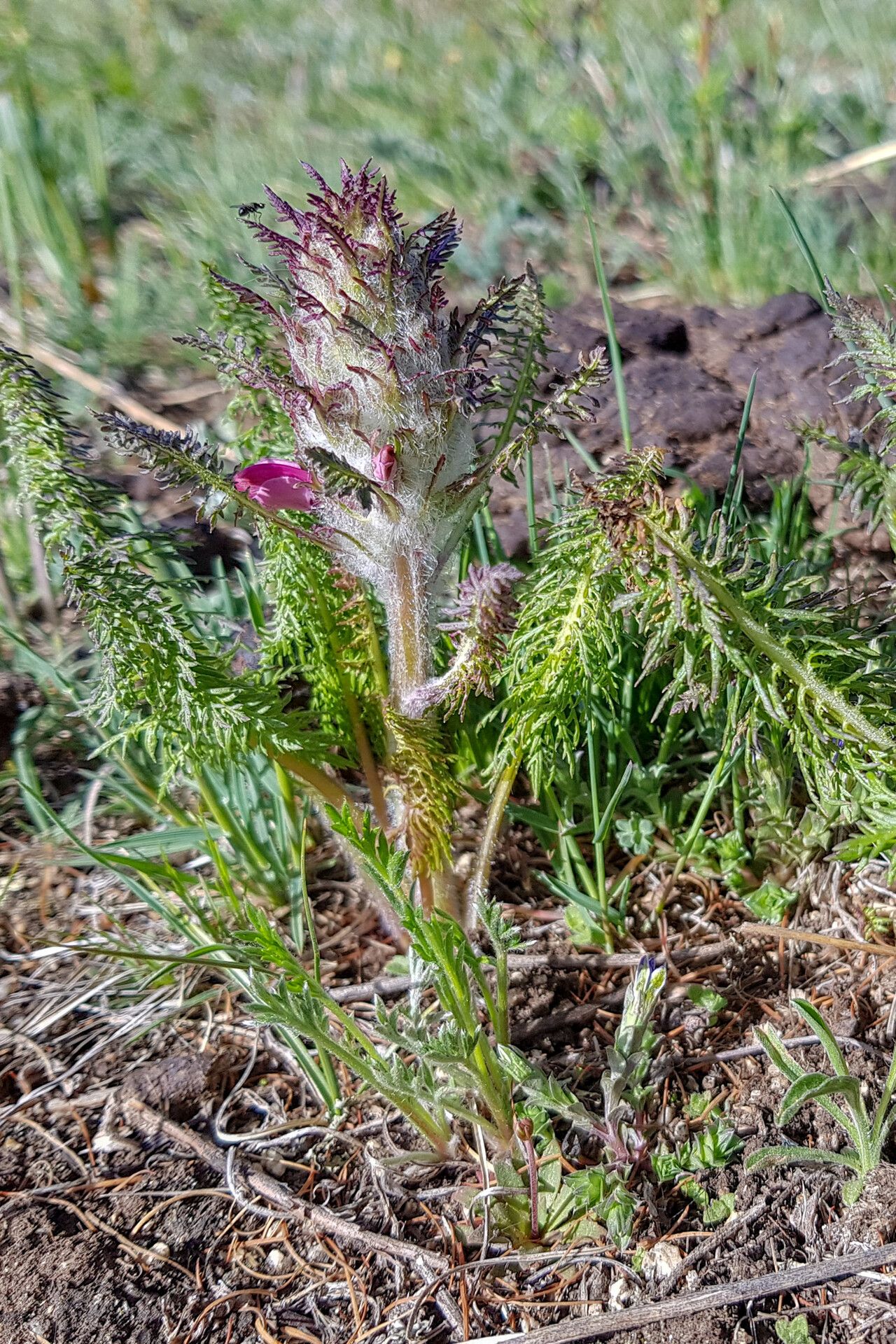
Pedicularis bracteosa also known as bracted lousewort is a flowering deciduous perennial plant with alternating cauline leaves that are linear/oblong to lanceolate, approximately 1 to 7 cm long. It has fibrous roots and grows to approximately 1 meter high. Its flowers form in densely clustered spike raceme, and range in color from yellow to bronze to red to purple. Its distribution is found in western North America including New Mexico, Colorado, Montana, mountainous parts of Washington and California, and in British Columbia.Historically, the leaves have been used as an alternative treatment for skeletal muscle relaxation.
Bracted lousewort is fairly disease-resistant and typically not prone to illnesses. Still, it can be affected by pests and diseases present in its environment. Such infections tend to be mild. Regarding care, this plant needs moderate maintenance. Regular pruning is necessary to preserve its appearance and healthy growth. Applying fertilizer can also encourage flowering. Bracted lousewort is well suited for anyone with an outdoor area, like a garden or patio, and does not demand extensive care experience. It may need extra attention when kept indoors.
How to keep Pedicularis Bracteosa.
Light
Bracted lousewort is native to habitats like forest understories and rocky areas, where it grows in natural shade. It prefers partial sun but can tolerate full sun or full shade, demonstrating its adaptable, hardy nature.
Water
Bracted lousewort, native to moist alpine regions, thrives in well-drained soils that retain consistent moisture. This plant needs weekly watering and shows moderate tolerance to drought. As an herbaceous perennial, it is typically grown outdoors and benefits from natural rainfall, so implementing efficient watering practices is crucial for its growth throughout the seasons.
Fertilizer
For Bracted lousewort, the best time to fertilize is in early spring while the flowers are forming. The appropriate fertilizer promotes improved blooms and helps Bracted lousewort produce attractive flowers. Fertilizing in early spring ensures strong flowering during the season and supplies energy for dormant growth phases.
Pruning
Bracted lousewort is a plant known for its distinctive bracts, and it requires careful pruning from early to late spring to truly thrive. To shape the plant and encourage a bushier growth, remove any dead stems, but be sure to avoid heavy pruning to prevent stressing the plant. Pruning at the right time not only improves airflow and reduces the risk of disease but also helps the plant produce vibrant blooms.
Botanical profile.
- Plant Type
- Herb
- Life Cycle
- Perennial
- Genus
- Pedicularis
- Family
- Orobanchaceae
- Hardiness Zone
- 4-8
- Mature Height
- 0.3 m to 1.22 m
- Mature Spread
- 20 cm to 40 cm
- Leaf Color
- Green, Dark Green
- Leaf Type
- Semi-evergreen
- Flower Color
- Yellow
- Flower Size
- 1.52 cm to 2.03 cm
- Bloom Time
- Early summer, Mid summer
- Planting Time
- Spring, Summer, Autumn
- Harvest Time
- Late summer, Early fall
Other names.