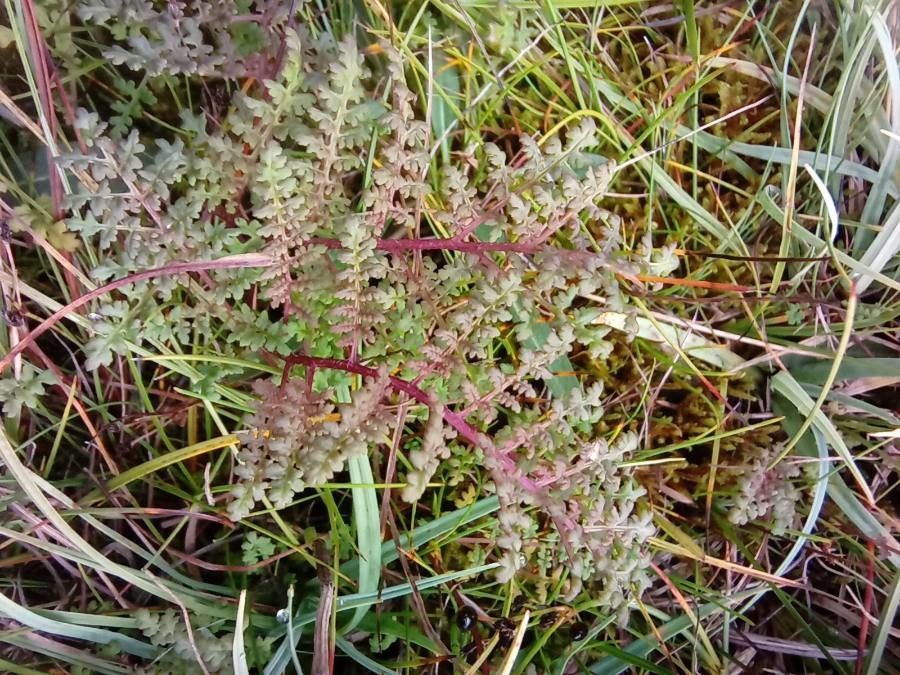
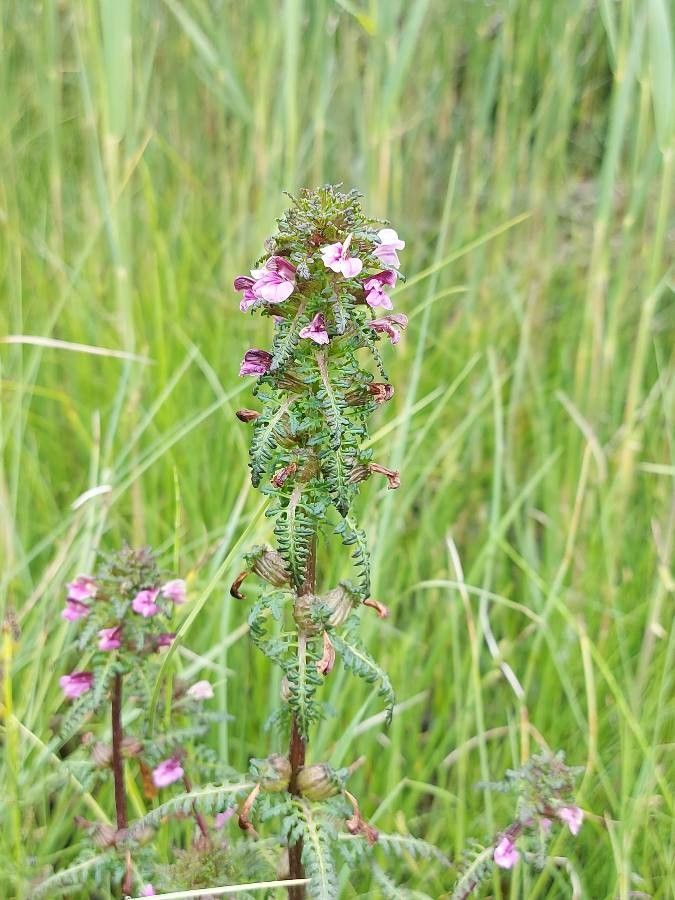
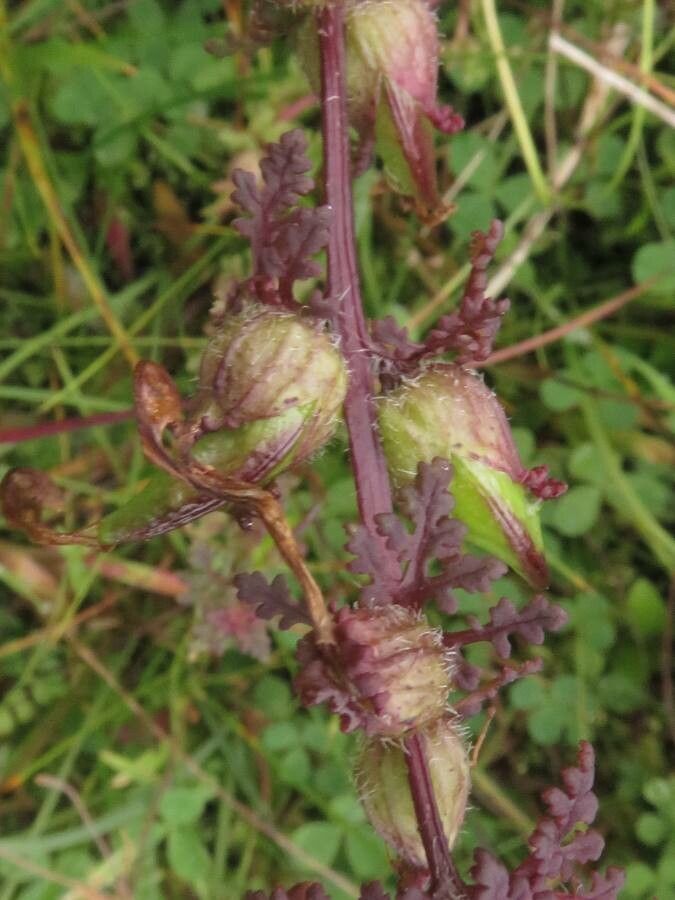
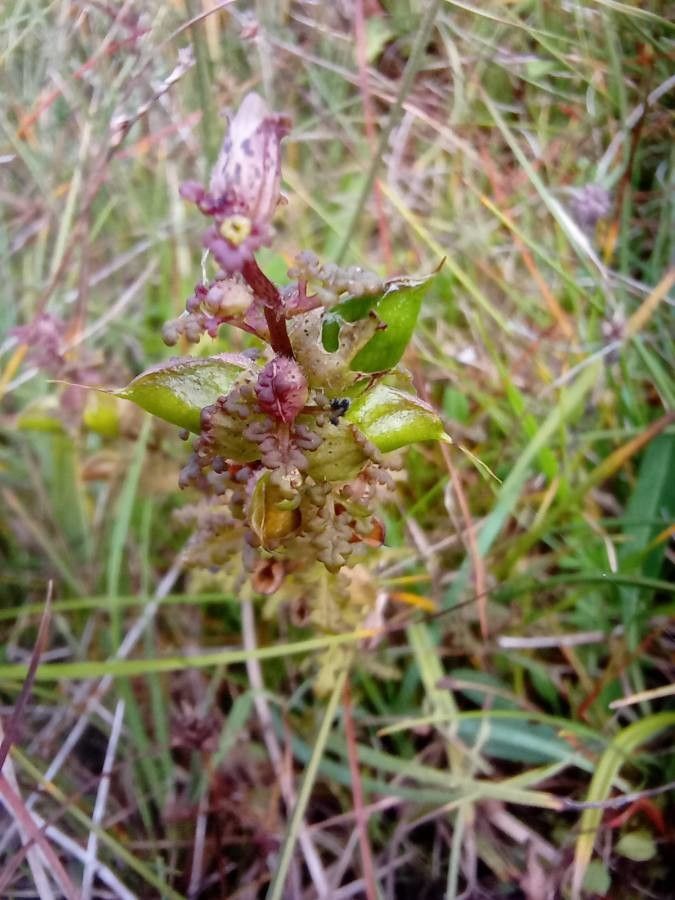
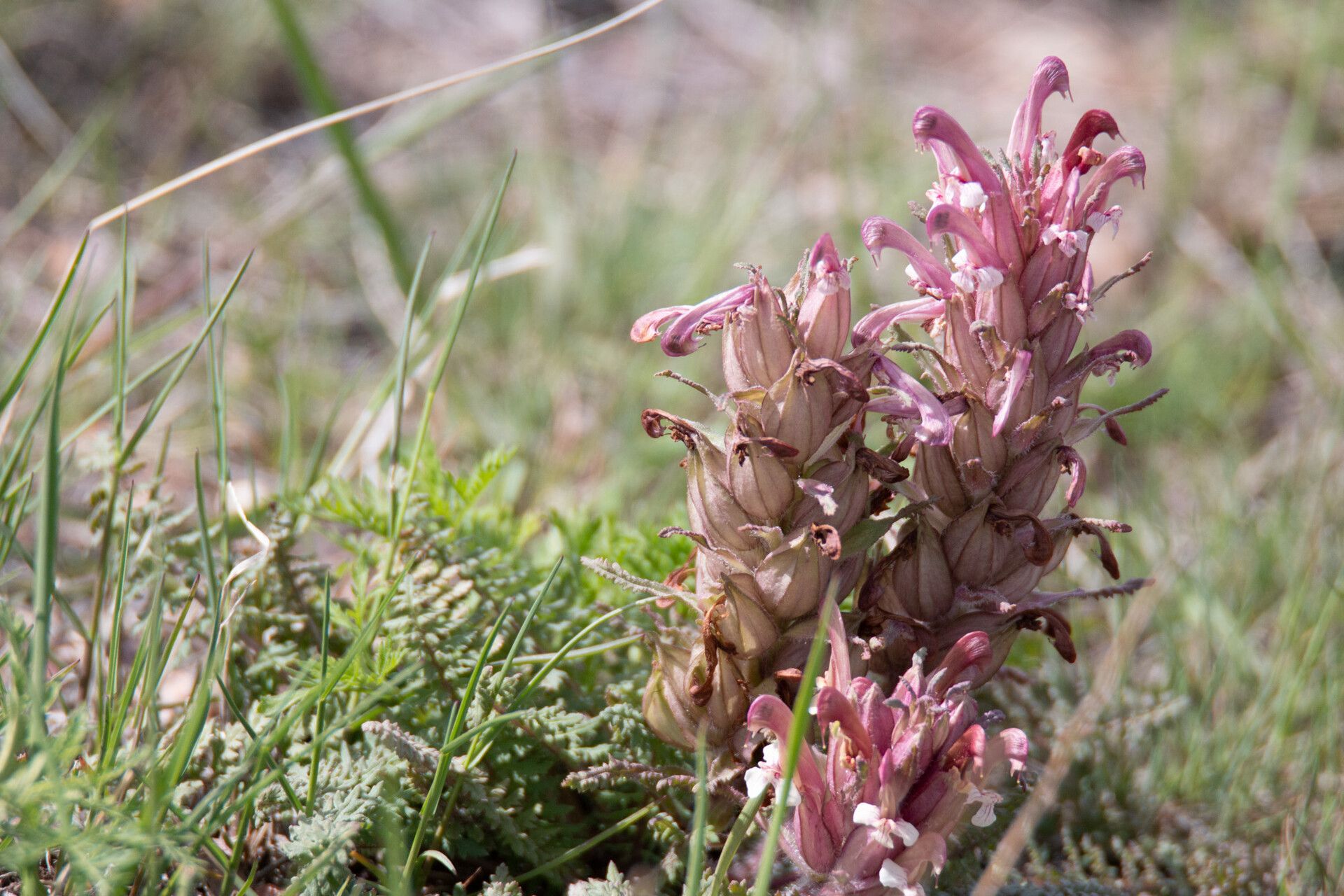
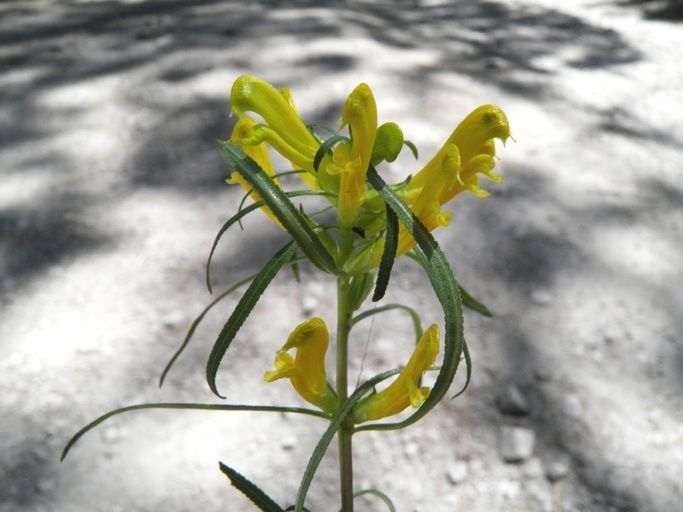
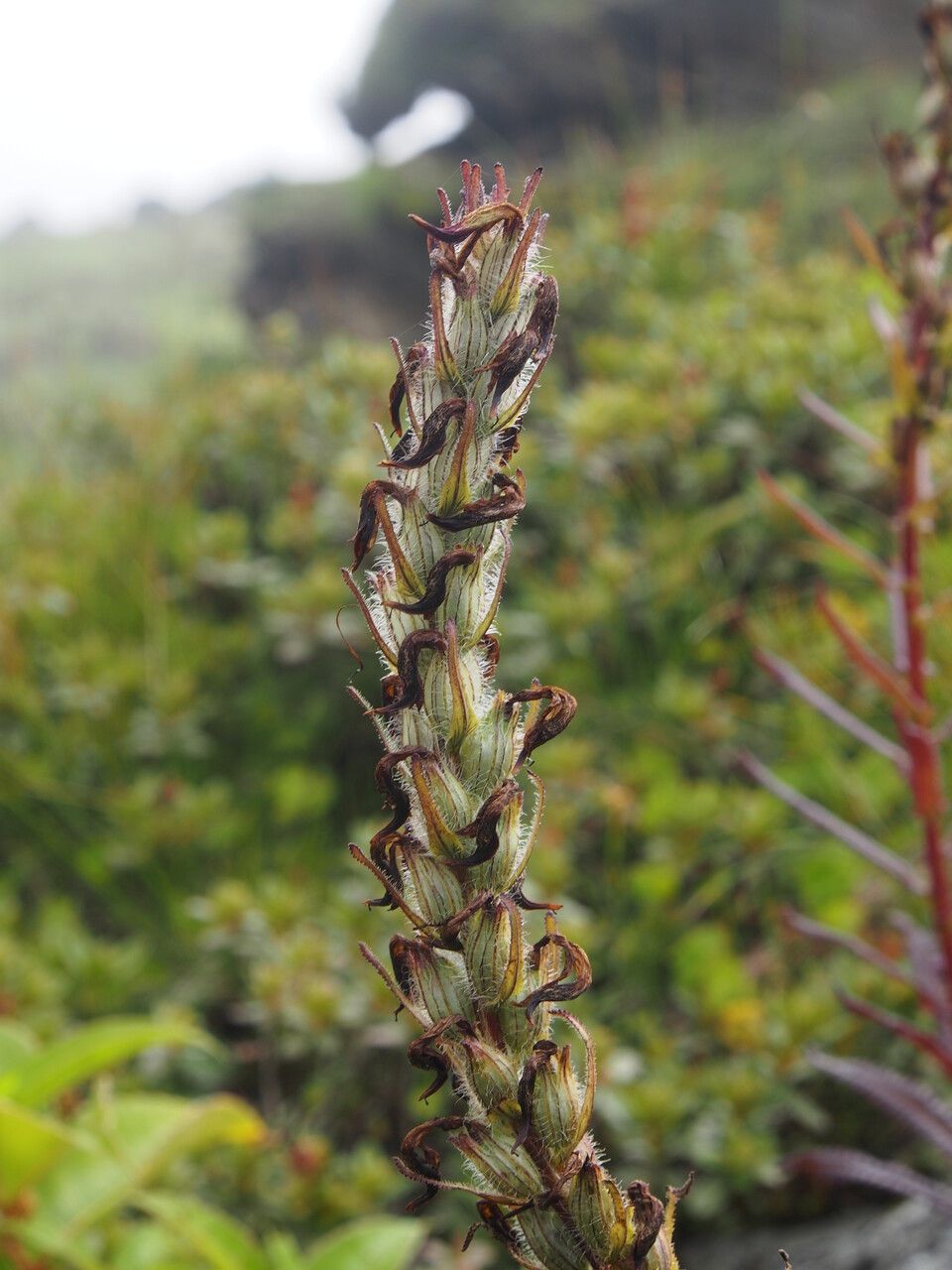
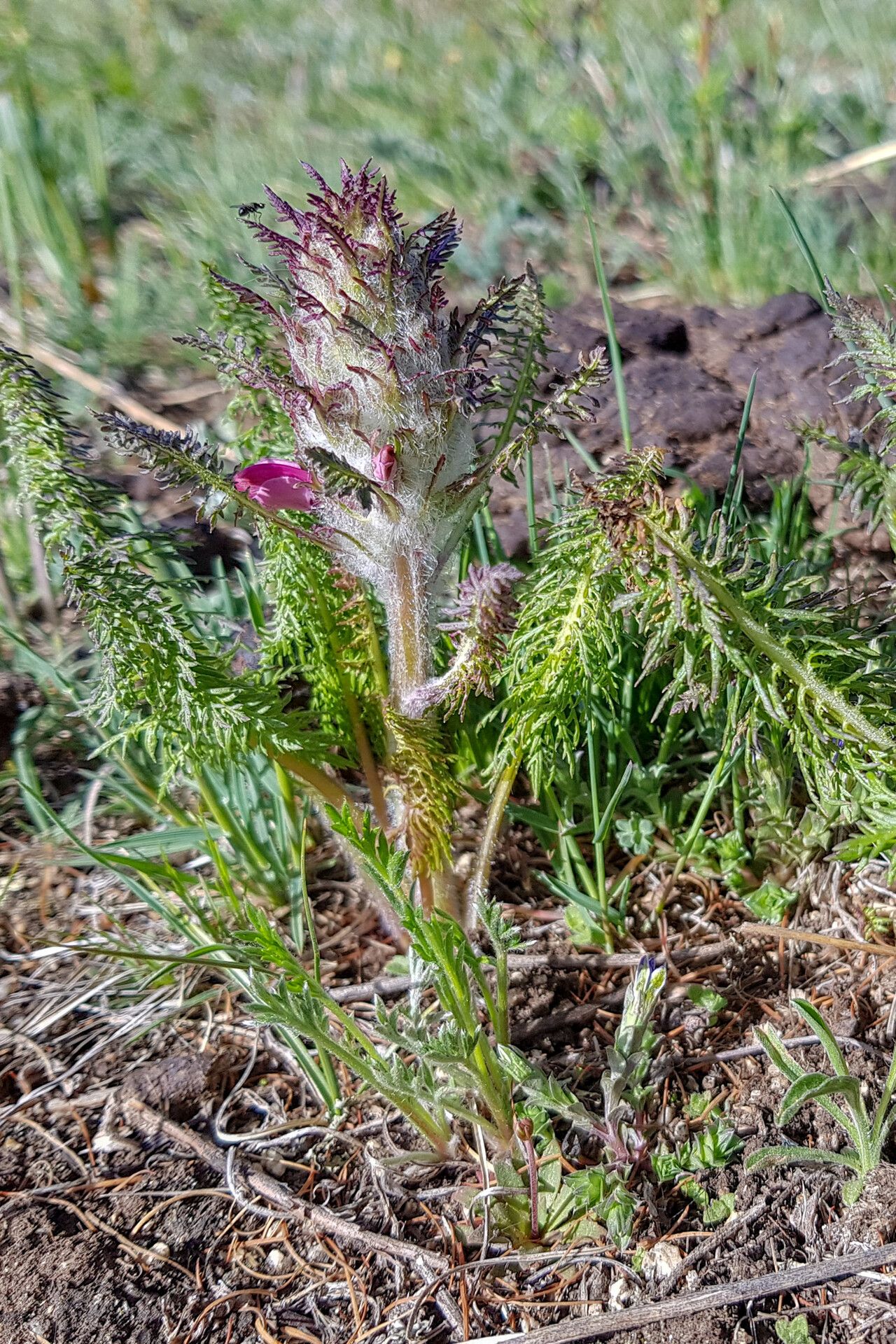
Pedicularis palustris, commonly known as Marsh Lousewort, is a perennial herbaceous plant in the family Orobanchaceae. Native to Europe and Asia, it thrives in wetlands, bogs, and marshes. The plant can reach a height of up to 60 cm, featuring a slender stem with alternate leaves that are deeply divided into narrow, toothed segments.
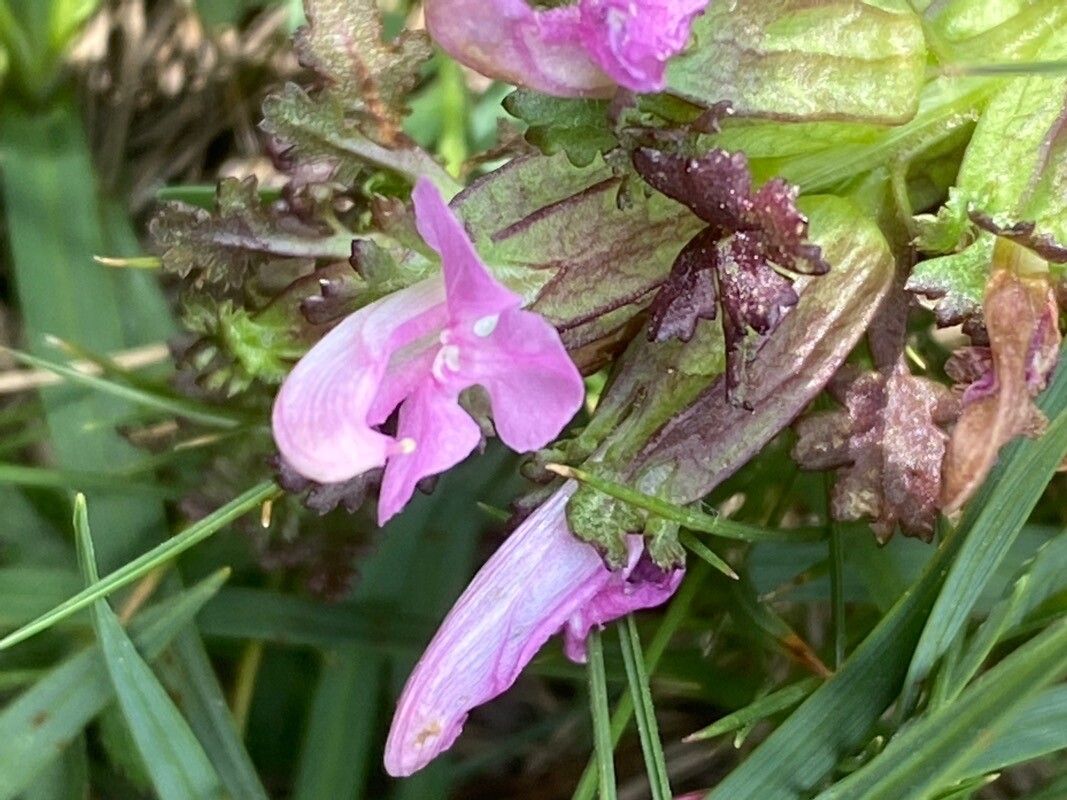
The flowers of Pedicularis palustris are tubular and form dense spikes at the top of the stem. They are typically pink or purple with yellow markings on the lower lip. The blooming period for this plant is from June to August.
Historically, Pedicularis palustris has been utilized for its medicinal properties, particularly its anti-inflammatory effects. It has been used to treat conditions such as rheumatism, gout, arthritis, and other inflammatory ailments.
Additionally, the plant's nectar-rich flowers make it a valuable food source for various insects, including bees and butterflies.
Overall, Pedicularis palustris is an important wetland species that offers significant ecological benefits. Its medicinal properties also make it a subject of interest for medical research. This combination of ecological and medicinal value highlights the importance of conservation and study of this intriguing species.
Marsh lousewort is fairly resistant to disease and typically does not suffer from many illnesses. That said, it can be vulnerable to pests and diseases present in its environment. Such infections are generally mild. Regarding care, this plant needs moderate maintenance. It should be trimmed regularly to preserve a neat appearance and healthy growth. Fertilizing can also encourage flowering. Marsh lousewort is appropriate for anyone with outdoor space, like a garden or patio, and does not demand much gardening experience. It can require extra attention when grown indoors.
How to keep Pedicularis Palustris.
Light
Marsh lousewort occurs naturally in places like forest understories or rocky areas, where it grows in natural shade. It prefers partial sun but can tolerate full sun or full shade, illustrating its versatile, hardy nature.
Water
Marsh lousewort flourishes in wet environments, so it needs to be watered weekly to mimic its natural habitat. As a deciduous plant, it sheds its leaves during dormancy, which reduces water loss. This characteristic makes it well-suited for indoor settings where maintaining humidity can be challenging.
Temperature
Marsh lousewort can tolerate a wide range of temperatures, but its distribution may still be restricted by different combinations of moisture and heat. It performs best in warm summer climates with sufficient rainfall or watering. Extended stretches of cloudy, rainy weather, as well as prolonged high temperatures, can increase the likelihood of Marsh lousewort dying. In winter, adequate protection from cold can raise the plant's survival rate.
Fertilizer
Usually one application of fertilizer in spring is enough for Marsh lousewort, although multiple feedings can maximize growth. Feed about once every month to a month and a half. Fertilization improves leaf appearance and function, helping maintain even color and a healthy texture. It also encourages root growth and nutrient uptake, supporting long-term plant health.
Pruning
The marsh lousewort is known for its fern-like leaves and pink flowers, and it thrives in moist environments. To encourage bushier growth and remove any damaged parts, prune the plant from early to late spring. This will also help improve air circulation and promote flowering. Be sure to use sharp, sterilized tools for clean cuts, as recommended by horticultural experts.
Botanical profile.
- Plant Type
- Herb
- Life Cycle
- Perennial
- Genus
- Pedicularis
- Family
- Orobanchaceae
- Hardiness Zone
- 4-8
- Mature Height
- 15 cm to 76 cm
- Mature Spread
- 15 cm to 30 cm
- Leaf Color
- Green, Dark Green
- Leaf Type
- Deciduous
- Flower Color
- Pink, Lavender
- Flower Size
- 2.54 cm
- Bloom Time
- Late spring, Early summer, Mid summer
- Planting Time
- Spring, Summer
- Harvest Time
- Mid summer, Late summer, Early fall
Other names.
Reader questions.
How should I water my Marsh lousewort plant?
To properly water the Marsh lousewort, it is best to use filtered water at room temperature. Tap water may have harmful particles, so filtering it is important. The plant prefers water that is at room temperature or slightly warmer since it originates from a warm environment. Cold water can shock the plant's system. Avoid overhead watering, as it can cause issues with the foliage. Instead, water the plant by applying filtered room temperature water directly to the soil until it is fully saturated. Soaking the soil benefits the plant by providing moisture to the roots and helping them spread in the soil to collect necessary nutrients.
What should I do if I give my Marsh lousewort too much or too little water?
Taking care of your Marsh lousewort requires paying attention to both overwatering and underwatering. However, overwatering is a more common issue and can result in wilting, yellowing leaves, and potential diseases like root rot, mold, and mildew that can be fatal to the plant. On the other hand, underwatering is less likely to occur due to the Marsh lousewort's drought tolerance. Nevertheless, when underwatering does happen, the leaves of the plant may become brittle and brown. To prevent overwatering, it is essential to observe and address early signs promptly. Reduce your watering schedule if you notice these signs and check if the soil drains poorly, replacing it with a loose and well-draining potting mix if necessary. Conversely, if the signs indicate underwatering, increase the watering frequency until the signs subside.
How frequently do I need to water my Marsh lousewort plant?
If your Marsh lousewort is in a pot, the most precise way to determine if it needs water is by testing the soil with your finger. If the top two to three inches of soil are dry, then it is time to water it. If you grow your Marsh lousewort outdoors in the ground, you can use the same method to check the soil. When the top few inches of soil have dried out, it is time to water. During the spring and early fall, watering once a week is usually sufficient. However, during extremely hot weather, you may need to water twice a week or even more frequently. It's worth noting that mature, well-established Marsh lousewort plants have a good ability to withstand drought.
How much water does my Marsh lousewort require?
When watering your Marsh lousewort, make sure to give it a generous amount of water, especially when the top two to three inches of soil are dry. It's important to thoroughly soak the soil, making sure that excess water flows out through the drainage holes at the bottom of the pot. If you don't see any excess water draining, it means you haven't watered the plant enough. On the other hand, be careful not to let water collect in the soil, as it can harm the plant. Additionally, if water doesn't drain properly from the pot, it may indicate that the soil doesn't drain well, which is not good for the plant's health. If the plant is outdoors, approximately 1 inch of rain per week should be sufficient.
How do I water my Marsh lousewort as it grows?
The water needs of the Marsh lousewort can vary depending on its growth stages. When the plant is in its early years or if it has recently been transplanted, it will require more water than usual. This is because during these stages, the Marsh lousewort is focused on developing new roots, which need additional moisture to support future growth. As the plant matures, its water requirements decrease. However, during the bloom period, when the flowers are developing, the Marsh lousewort will need more water again. This is because flower development uses a significant amount of moisture.
How do I water my Marsh lousewort at different times of the year?
The Marsh lousewort has different water needs depending on the season. In the hottest months of the year, you may need to water it more than once a week if the soil dries out quickly. But during winter, the plant enters a dormant phase and requires less water. In fact, you might not need to water it at all during winter. However, if you do decide to water it, make sure not to exceed once a month. Over-watering during this time can increase the risk of diseases for your Marsh lousewort.
What's the difference between watering my Marsh lousewort inside and outside?
If you're a gardener living outside temperate and tropical regions and want to grow the Marsh lousewort indoors, keep in mind that soil in a container tends to dry out faster than ground soil. Additionally, if you have air conditioning units, your Marsh lousewort may need more frequent watering compared to if it was planted outdoors. In such cases, you may not need to water it much at all if you receive regular rainfall. However, if you're growing this plant indoors, you'll need to water it more often since you can't rely on rainwater to soak the soil.