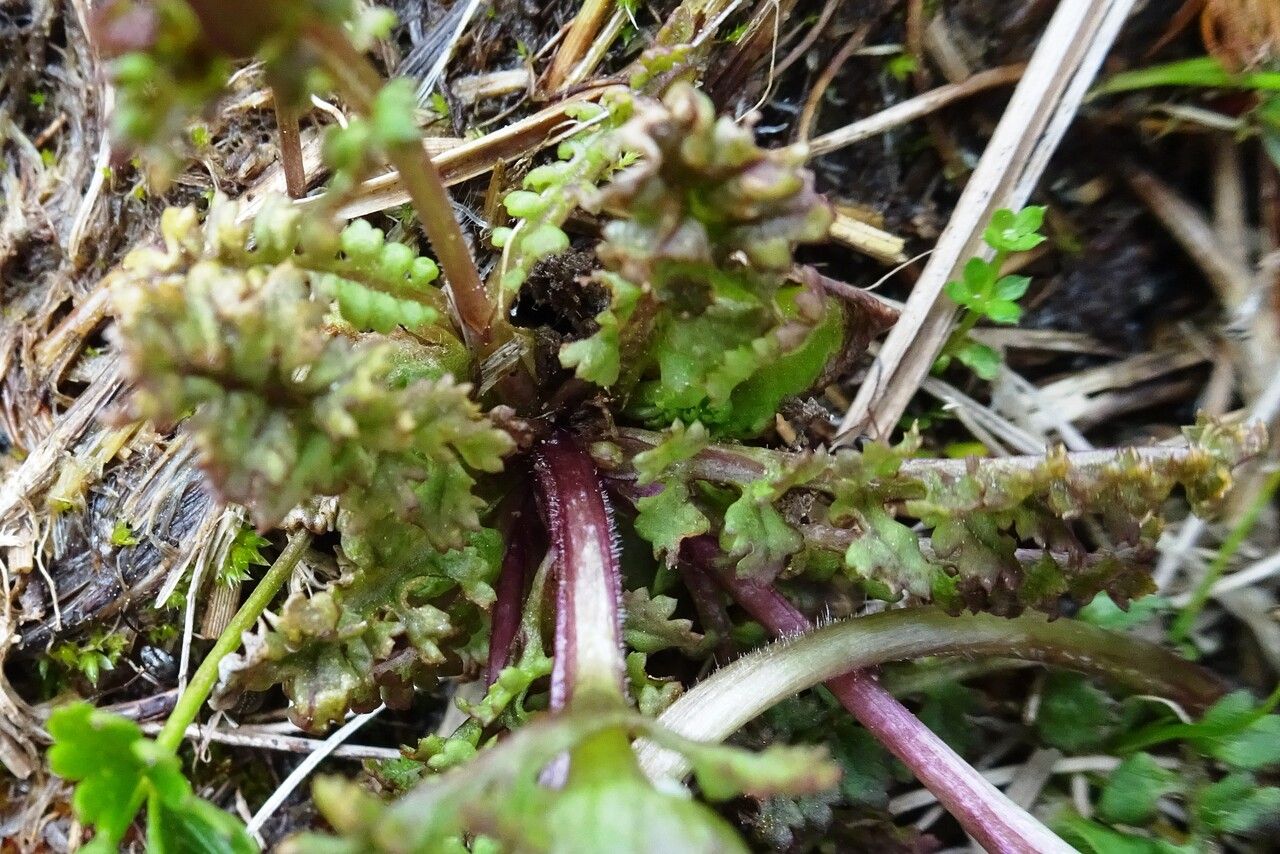
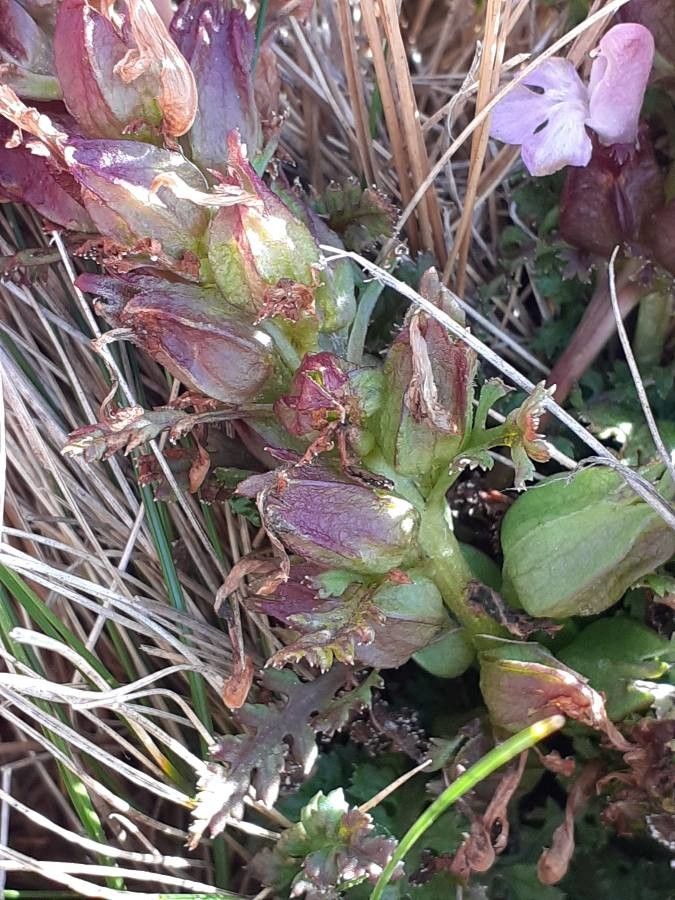
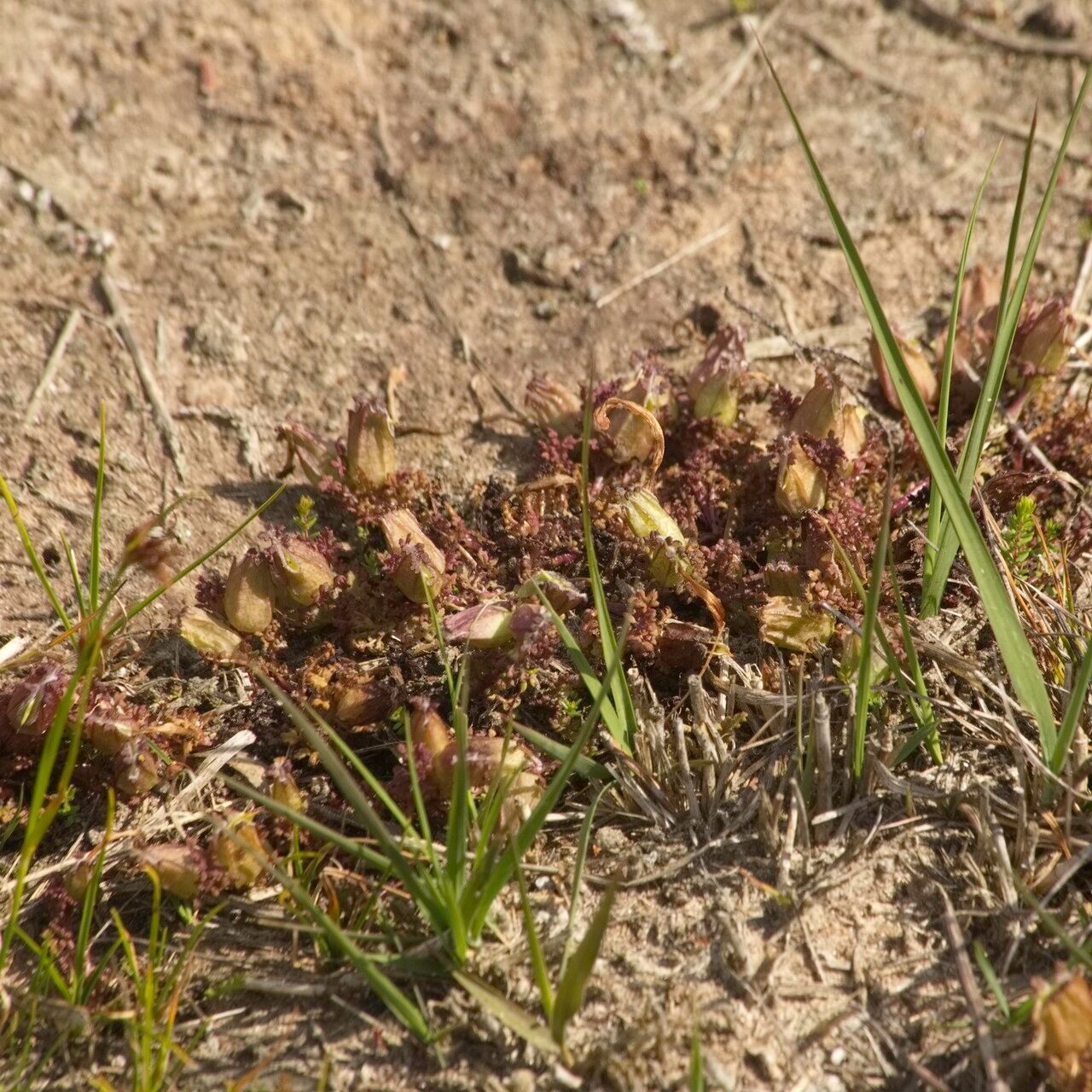
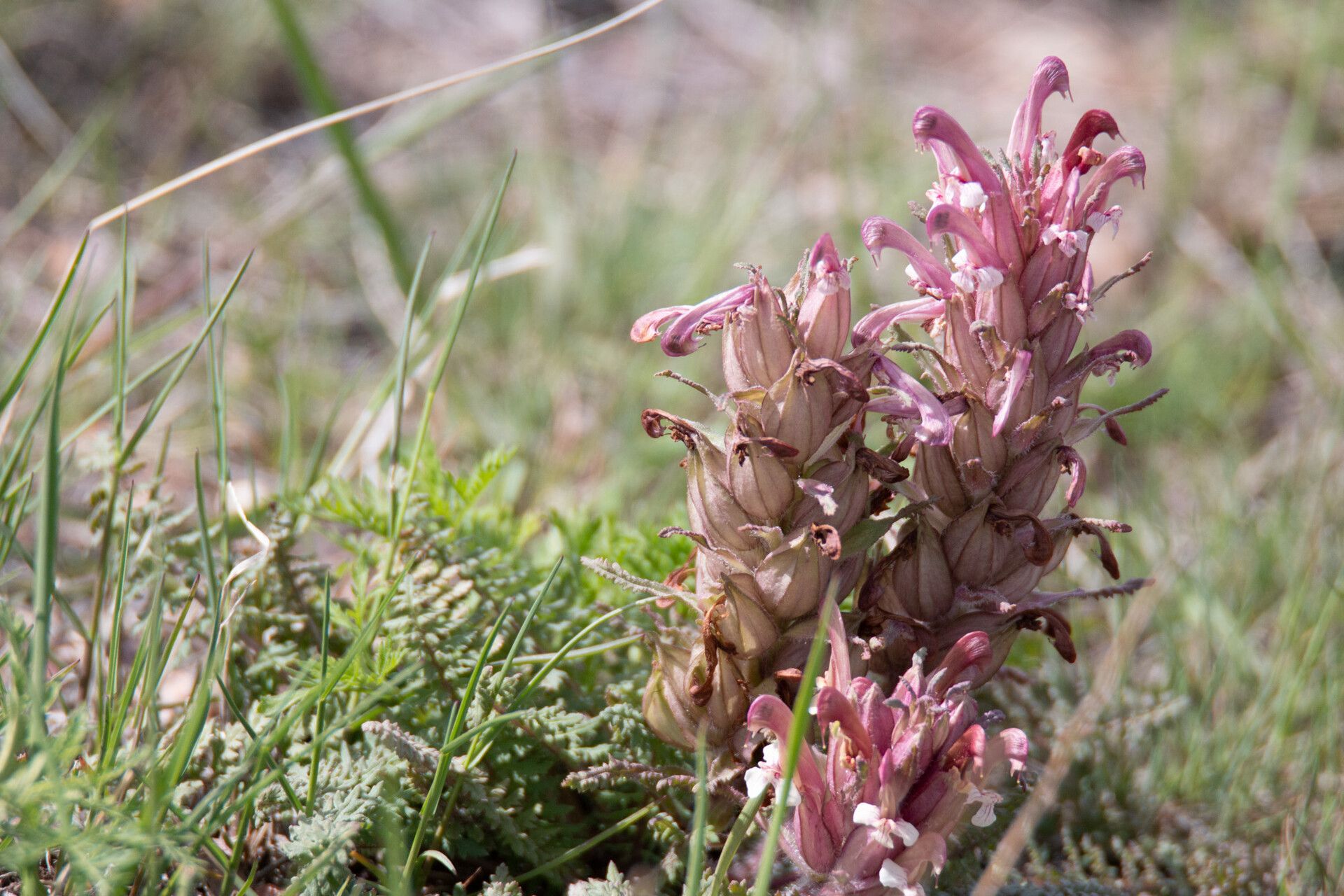
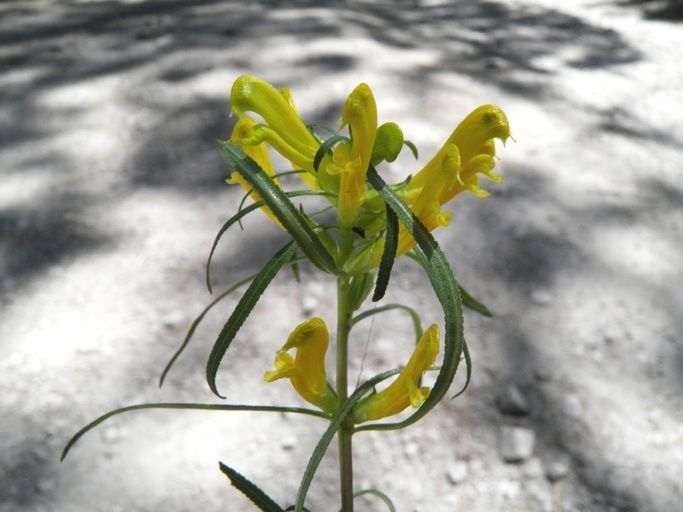
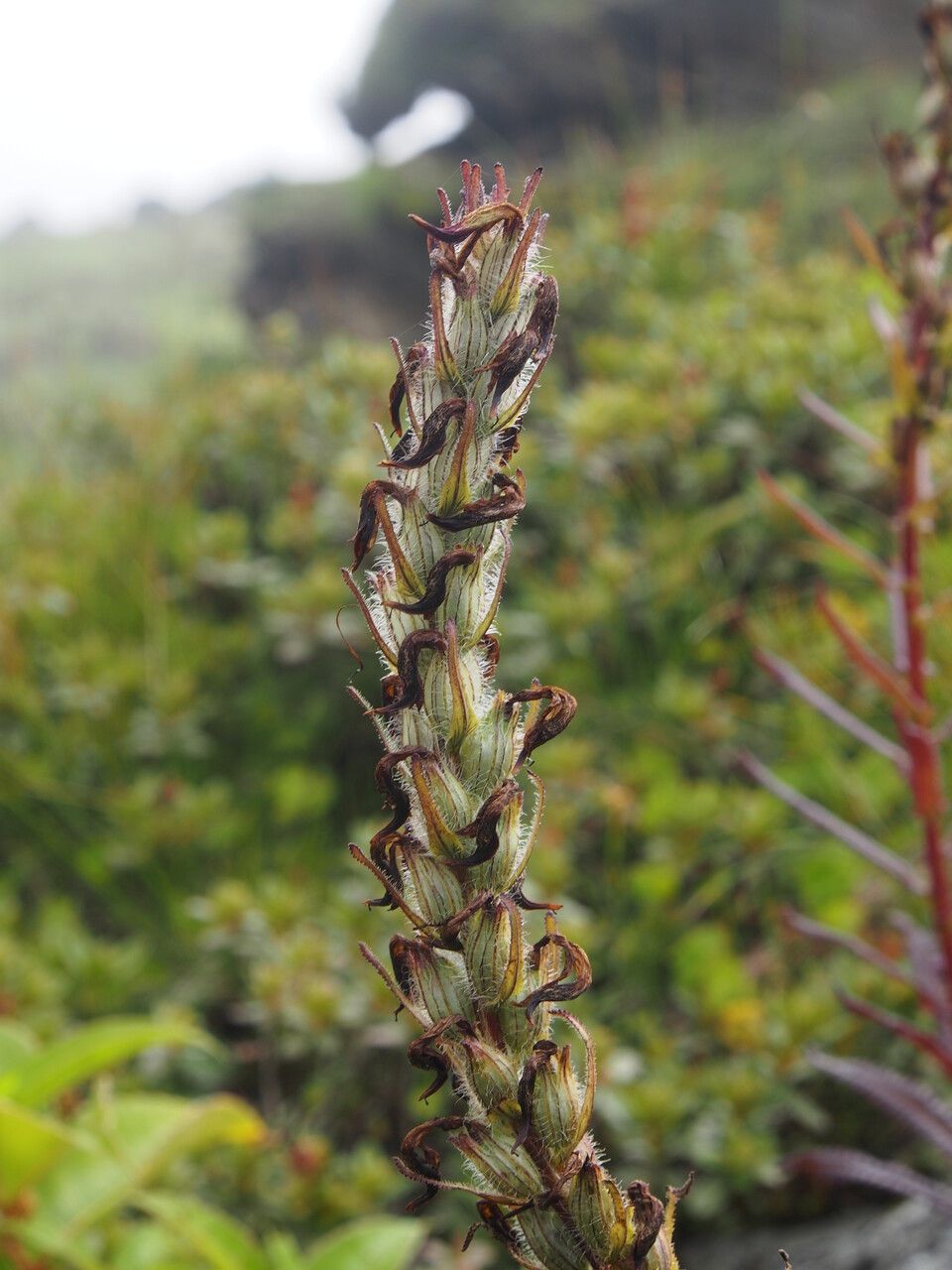
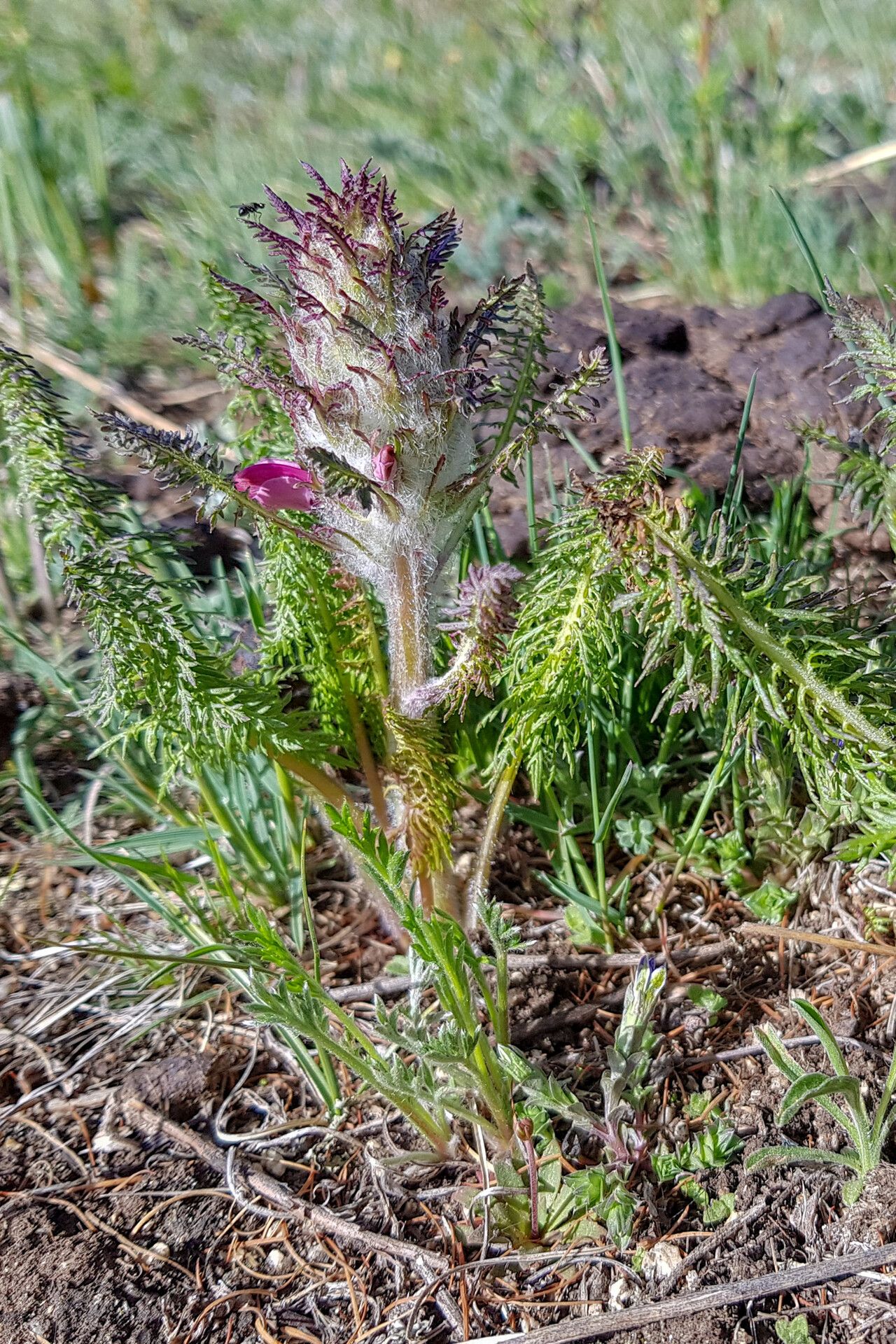
Pedicularis sylvatica, commonly known as common lousewort, is a plant species in the genus Pedicularis. It is native to central and northern Europe where it grows on moist acidic soils, moorland, grassy heathland and the drier parts of marshes.
Common lousewort shows good resistance to disease and is generally not prone to illnesses. However, it can be affected by pests and diseases present in its environment. These problems are typically not serious. For care, the plant requires moderate maintenance. It should be pruned regularly to keep a tidy appearance and support healthy growth. Fertilizing can also help encourage flowering. Common lousewort is appropriate for anyone with an outdoor area, such as a garden or patio, and does not need extensive care experience. It may demand more attention when grown indoors.
How to keep Pedicularis Sylvatica.
Light
The common lousewort does best when it receives plenty of natural light, although it can adjust if light levels are somewhat lower. Ample light encourages robust growth, while too little exposure can make the plant appear languid. This pattern mirrors its native habitat, where it thrives in bright light.
Water
The common lousewort thrives in moderate moisture conditions, much like those in its native temperate zones. To keep it healthy, water it once a week, taking care not to overwater or let it dry out for too long. Its growth cycle is in sync with seasonal rainfall, which enables it to adapt to different weather conditions.
Temperature
Native to temperate regions, common lousewort prefers warmer conditions, ideally 68 to 95 °F (20 to 35 ℃). Seasonal adjustments may be required to make sure the plant is not subjected to extreme cold.
Fertilizer
Common lousewort requires regular fertilizing to encourage flowering but does not tolerate excessive amounts. It should get light doses of fertilizer frequently throughout its life cycle, especially during the main period of active growth and while it is flowering. You will feed your Common lousewort until they stop blooming.
Pruning
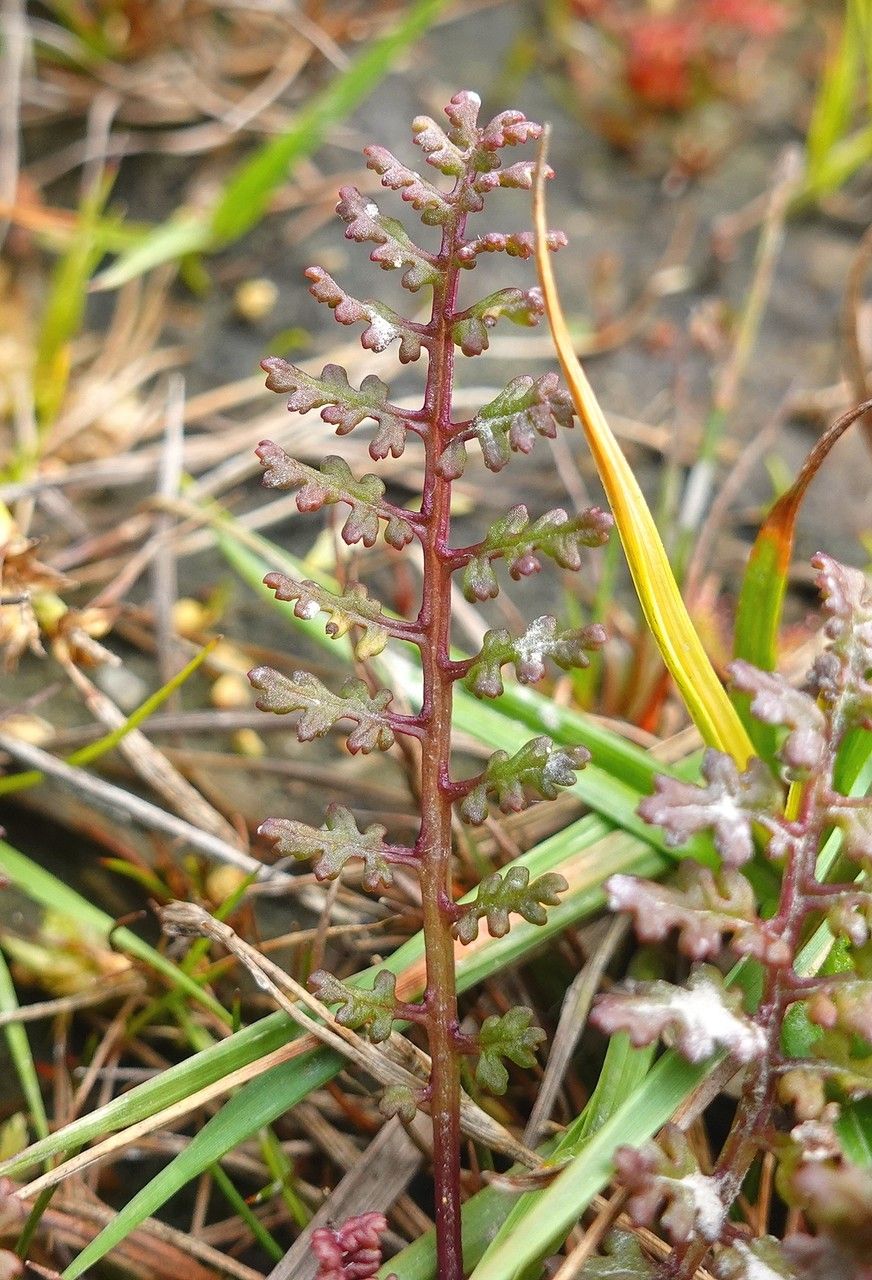
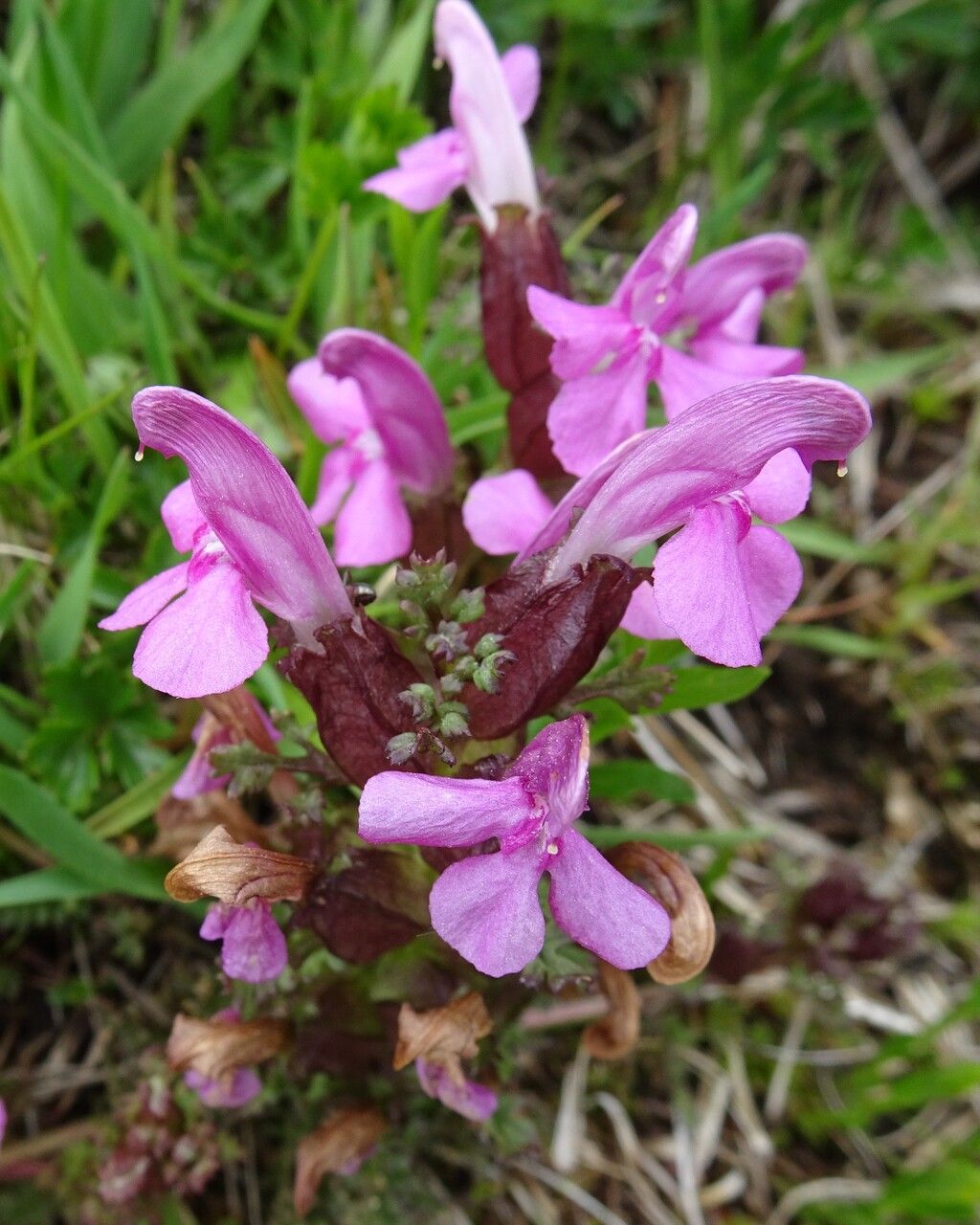
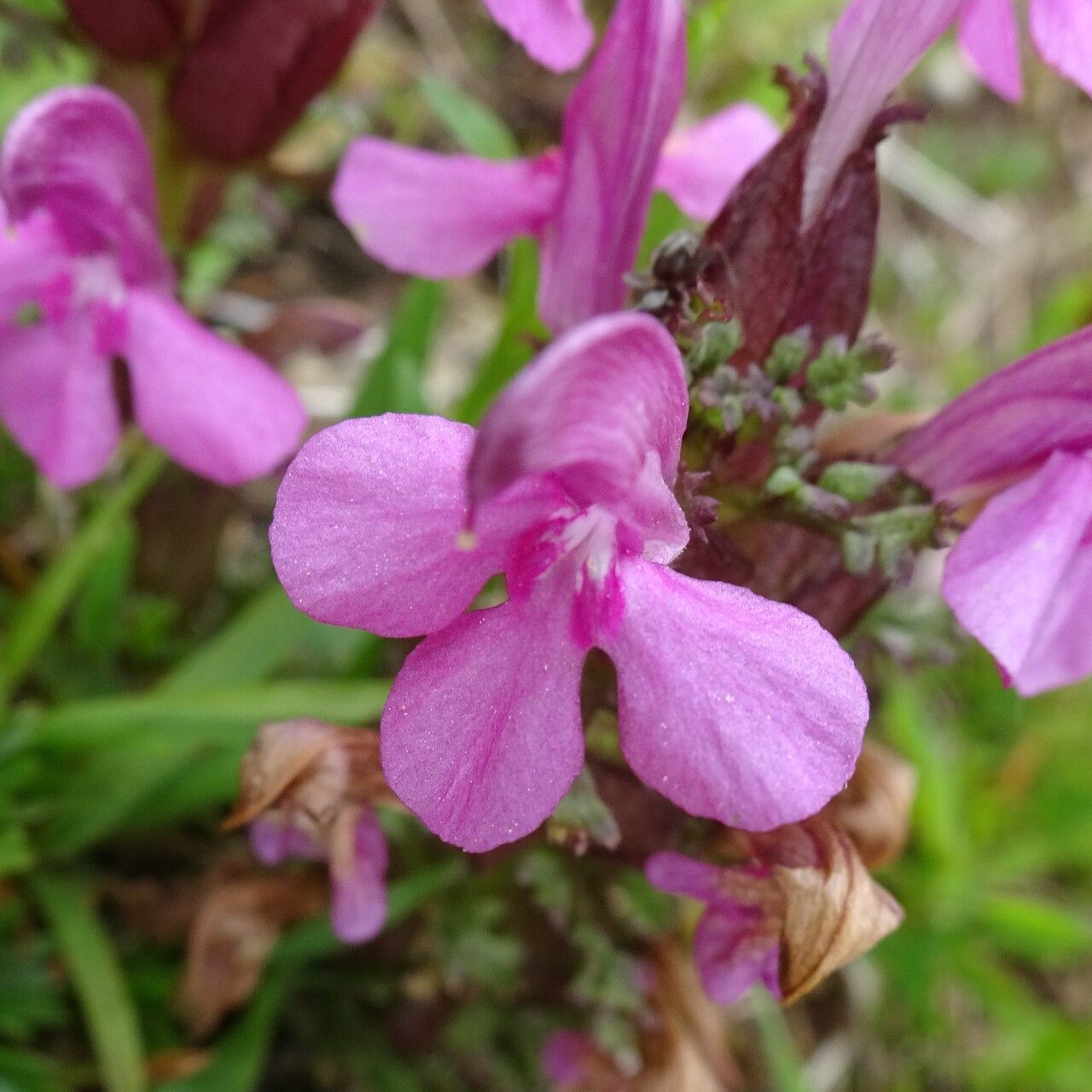
The common lousewort is known for its pink or purplish flowers and fern-like leaves. Pruning from early to late spring can be beneficial for this plant. By trimming away dead stems, you can encourage new growth, enhance the blooms, and maintain the plant's shape. Pruning at the right time ensures robust flowers, prevents disease, improves air circulation, and boosts the plant's overall vigor.
Botanical profile.
- Plant Type
- Herb
- Life Cycle
- Biennial, Perennial
- Genus
- Pedicularis
- Family
- Orobanchaceae
- Hardiness Zone
- 5-9
- Mature Height
- 15 cm
- Mature Spread
- 15 cm to 25 cm
- Leaf Color
- Green, Purple
- Leaf Type
- Deciduous
- Flower Color
- Pink
- Flower Size
- 2.54 cm
- Bloom Time
- Spring
- Planting Time
- Spring, Summer, Autumn
- Harvest Time
- Early summer, Mid summer
Other names.
Reader questions.
How should I water my Common lousewort plant?
To properly water the Common lousewort, it is recommended to use filtered water at room temperature. This is because tap water may contain harmful particles. Additionally, the water should be at room temperature or slightly warm since the Common lousewort is accustomed to warm environments and cold water can be shocking to its system. It is best to avoid overhead watering to prevent issues with the foliage. Instead, pour the filtered room temperature water directly onto the soil until it is completely saturated. This method is beneficial as it keeps the roots moist and allows them to spread and absorb necessary nutrients from the soil.
What are the sunlight requirements for Common Lousewort?
Common Lousewort requires different levels of sunlight depending on the specific needs of the plant. It thrives best in full sun, which means it needs above 6 hours of sunlight daily. However, it can also adapt to partial sun, approximately 3-6 hours of sunlight per day. Monitoring the movement of sunlight through your garden will help provide your plants with the perfect balance of light and shade, ensuring their growth and happiness.
What is the ideal temperature range for common lousewort?
Common lousewort thrives best in temperate climates, preferring warmer temperatures. The ideal temperature range for this plant is between 68 to 95 °F (20 to 35 °C). Even though common lousewort has strong cold resistance, care should be taken to adjust its environment seasonally to ensure it is not exposed to extreme cold.
What should I do if I give my Common lousewort too much or too little water?
Overwatering is a more common problem than underwatering for the health of your Common lousewort. When this plant receives too much water, its stems and leaves may wilt and turn yellow. Overwatering over time can also lead to diseases like root rot, mold, and mildew, which can be fatal. Although underwatering is less common, the leaves of your Common lousewort may become brittle and brown if it happens. It's important to detect signs of overwatering early to prevent irreversible damage. If you notice these signs, reduce your watering schedule and check the soil drainage. If it's poor, replace it with well-draining potting mix. If your plant shows signs of needing more water, simply increase your watering frequency until the signs improve.
How does insufficient sunlight affect Common Lousewort?
Insufficient sunlight can have several negative effects on Common Lousewort. Symptoms of light deficiency may include smaller new leaves, leggy or sparse growth due to long spaces between leaves or stems, premature leaf drop to conserve resources, delayed growth or a complete halt in new growth, lighter-colored new leaves indicating a lack of chlorophyll, and conditions such as chlorosis, sunscald, leaf curling, wilting, and leaf scorching. These symptoms reflect the plant's struggle in inadequate light conditions, which inhibits its natural growth and vigor.
How does common lousewort handle cold weather?
During winter, common lousewort usually does not require special frost protection measures due to its strong cold resistance. However, if temperatures are expected to drop below -25°C, it's important to protect the plant by covering it with soil or straw. Before the first freeze in autumn, watering the plant abundantly is recommended. This prep technique helps the soil remain moist and enters a frozen state, which prevents drought and water scarcity for the plant during the colder months.
How frequently do I need to water my Common lousewort?
If your Common lousewort is in a pot, the most precise way to determine if it needs water is by checking the soil. You can do this by sticking your finger into the soil. If the top two to three inches are dry, it's time to water it. If you have the Common lousewort planted outdoors in the ground, you can use a similar method to test the soil. Again, if the top few inches of soil are dry, it's time to water it. Typically, during the spring and early fall, you'll need to water this plant once a week using this method. However, during extremely hot weather, you may need to water it twice a week or more. It's important to note that mature, well-established Common lousewort has a commendable ability to tolerate drought.
What are the essentials for growing Common Lousewort?
Growing Common Lousewort to its full potential requires abundant natural light, although the plant can adapt to lesser light levels. The right amount of light promotes vigorous growth, while insufficient light can result in a weak, languished appearance. In cases where natural light is not adequate, especially during winter or in less sunny spaces, artificial lighting can be a beneficial supplement. For optimal growth with artificial lighting, consider the type of light (LED lights are recommended for their customization options), the needed intensity (30-50W/sq ft for full sun plants, 20-30W/sq ft for partial sun, and 10-20W/sq ft for full shade plants), the correct distance (12-36 inches above the plant), and appropriate duration (8-12 hours daily) to mimic natural sunlight conditions.
What should I do if the temperature falls below -25°C?
If the temperature drops below -25°C, common lousewort may not show noticeable changes during winter but could experience a decrease in sprouting or no sprouting at all come spring. The solution is to inspect the plant in spring and remove any parts that have failed to sprout, promoting healthier growth.
How much water does my Common lousewort plant need?
To properly water your Common lousewort, make sure the first two to three inches of soil are dry before watering. Give the plant a good soak, making sure the entire soil is saturated. Use enough water so that excess water flows out of the drainage holes at the bottom of the pot. If there is no excess water draining, you have likely not watered enough. However, do not let water accumulate in the soil as this can harm the plant. On the other hand, if water is not draining through the pot, it could mean the soil doesn't drain well, which is not good for the plant's health. If the plant is outside, it will only need about 1 inch of rain per week.
What solutions are available for Common Lousewort when it receives insufficient sunlight?
To address insufficient sunlight for Common Lousewort, several solutions are available. Indoors, gradually moving the plant to a sunnier location each week until it receives at least 6 hours of direct sunlight daily is advised; this can be complemented with artificial light sources if the plant is large or immobile, ensuring a minimum of 8 hours of light exposure. Outdoors, similarly incrementally moving the plant to sunnier spots and avoiding sudden changes in light intensity will help prevent sunburn. Minimizing obstructions, through pruning or relocating the plant to a place with more sunlight and better drainage, can significantly improve light conditions. Despite these efforts, parts of the plant already affected by insufficient light might not fully recover, but new growth should be healthy with increased light exposure.
How should common lousewort be cared for in high temperatures?
During the summer, it's important to keep common lousewort's temperature below 35°C. If the temperature exceeds 38°C, the leaves might become lighter in color, curl, and the plant can suffer from sunburn, or in severe cases, completely wilt and dry out. To care for common lousewort in high temperatures, trim away sunburned and dried parts, provide shade during the midday and afternoon sun either by moving the plant or using a shade cloth, and water it in the morning and evening to maintain soil moisture.