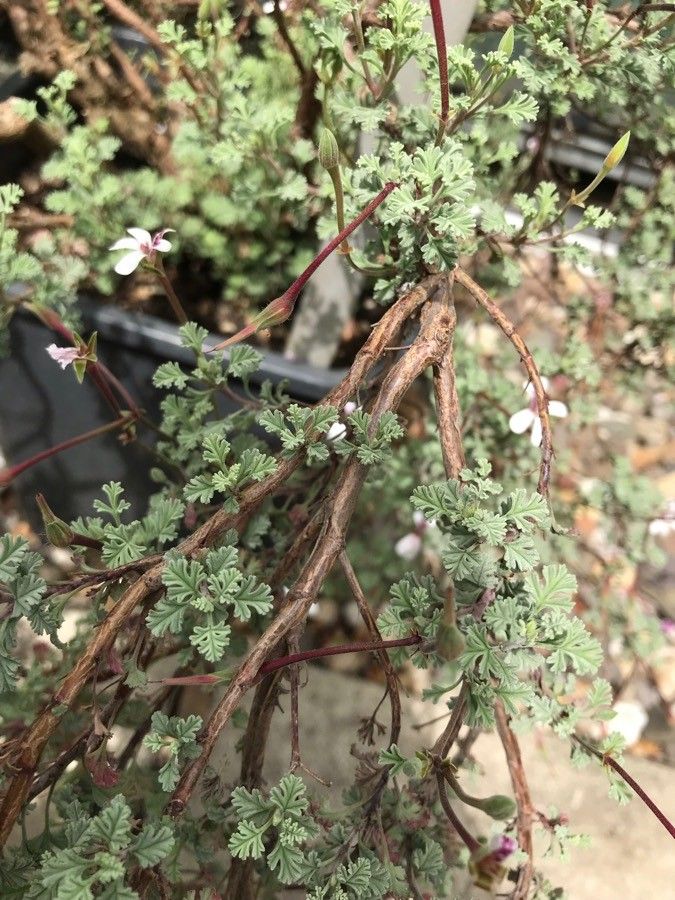
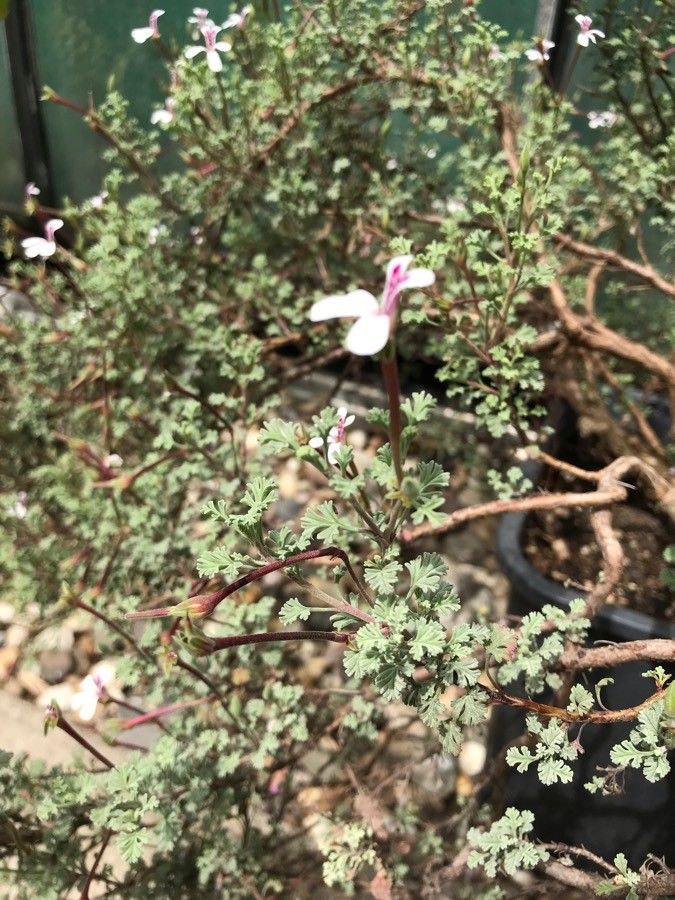
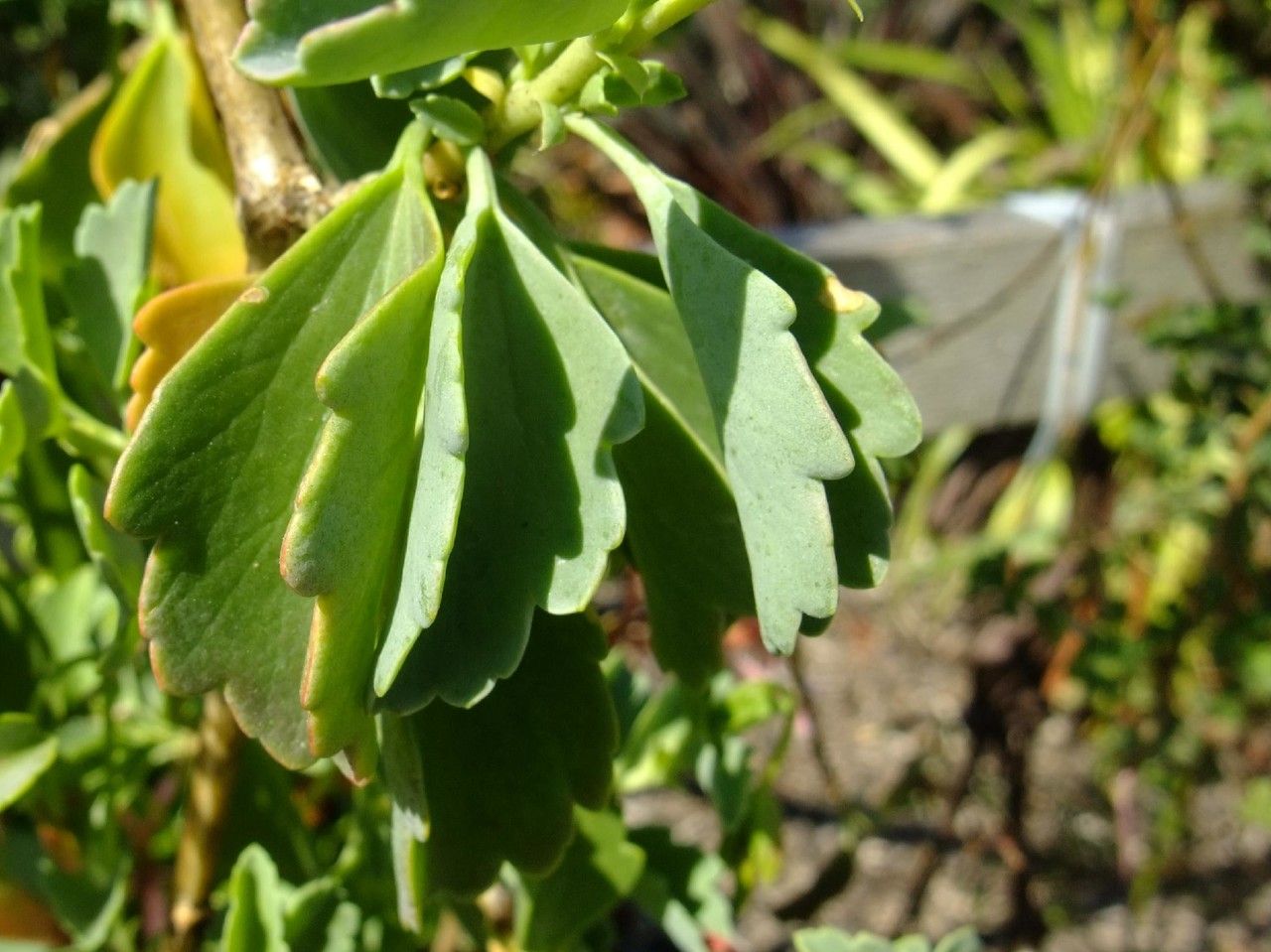
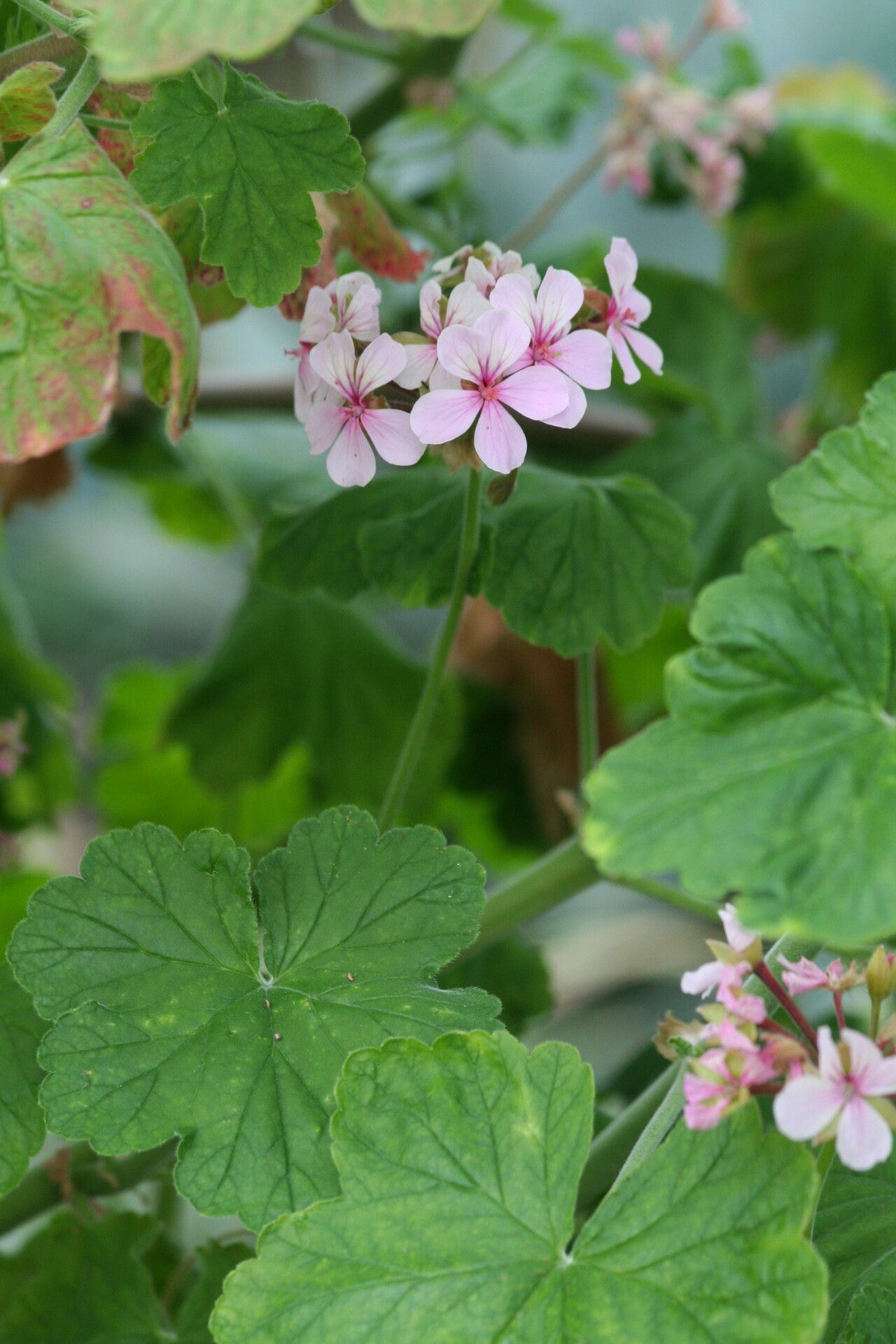
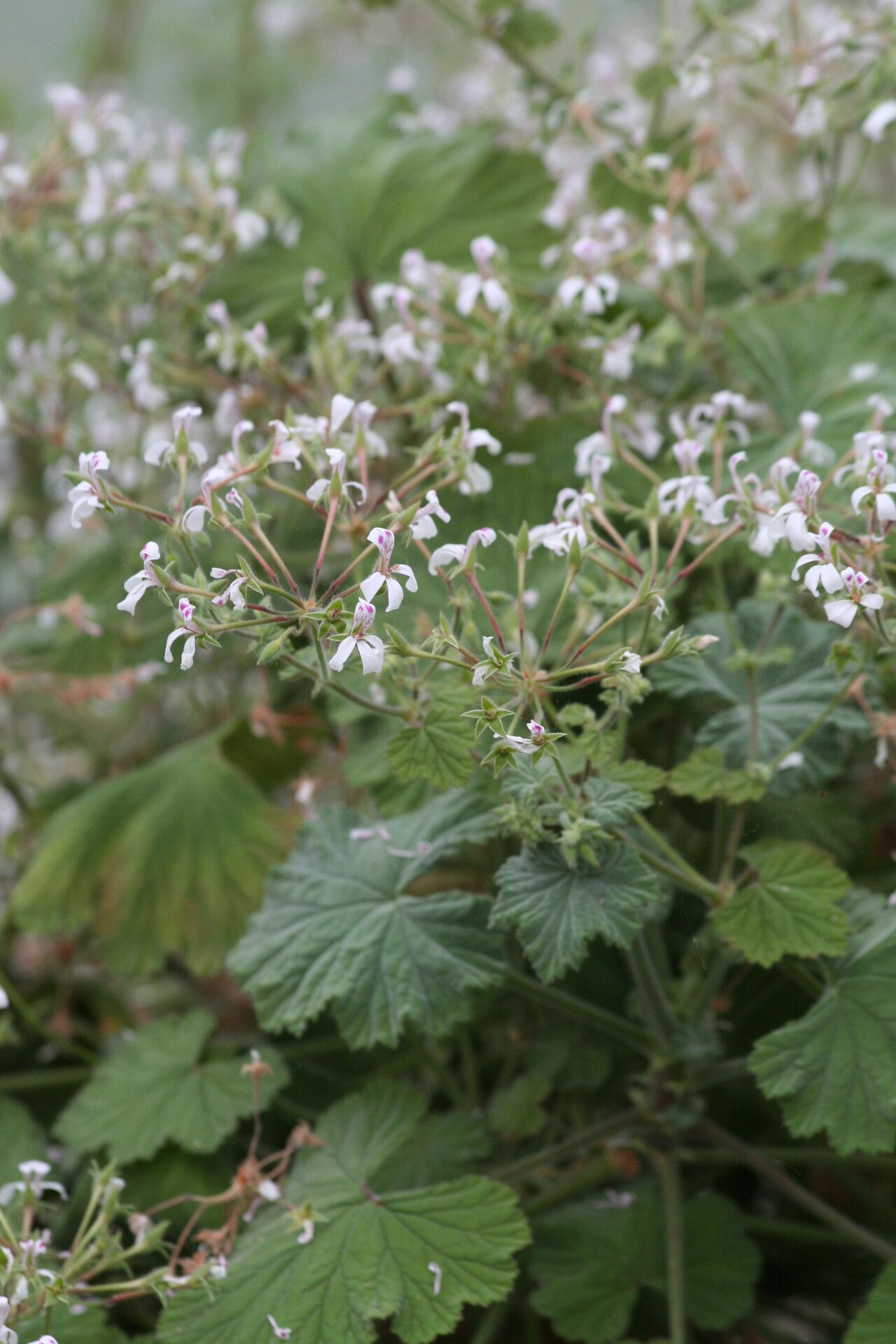
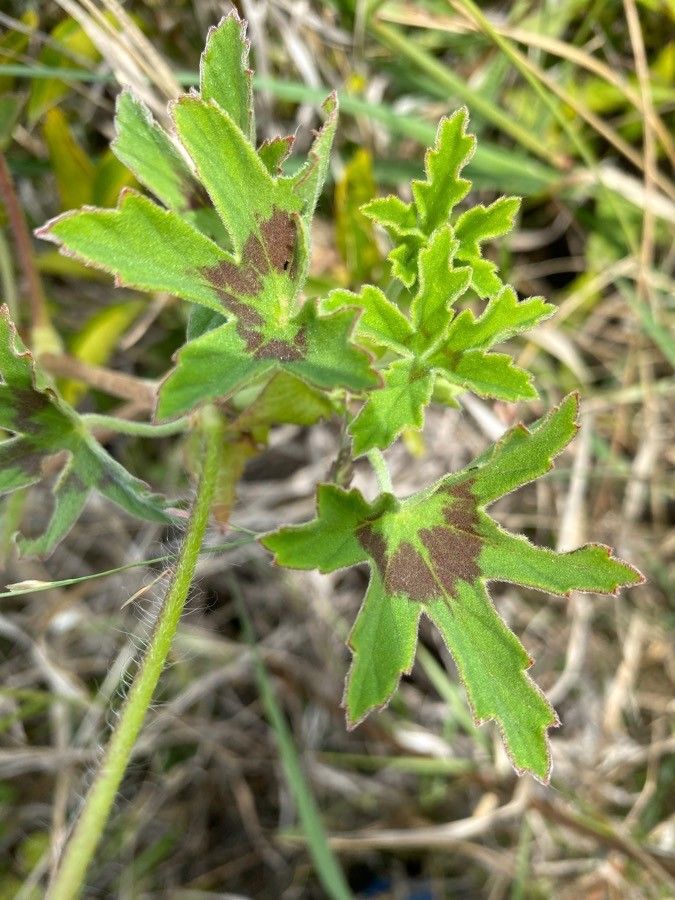
Southernwood Storksbill has strong resistance to disease and is generally unlikely to develop illnesses. Still, it can be affected by pests and diseases present in its environment. Such infections are typically mild. Regarding care, this plant needs a moderate level of upkeep. It should be pruned regularly to preserve an attractive appearance and support healthy growth. Applying fertilizer can also encourage flowering. Southernwood Storksbill is well suited to anyone with outdoor space, like a garden or patio, and does not demand extensive plant-care experience. It may need more attention when cultivated indoors.
How to keep Pelargonium Abrotanifolium.
Light
Southernwood Storksbill naturally occurs in habitats like forest understories or rocky areas, where it grows in natural shade. It prefers partial sun but can tolerate both full sun and full shade, illustrating its adaptable and hardy character.
Water
Pelargonium abrotanifolium is well-adapted to dry, semi-arid environments and requires minimal watering, usually needing hydration only every three weeks. This plant thrives when grown outdoors, as it takes advantage of natural rainfall and exhibits excellent drought tolerance. As a result, it is an ideal choice for water conservation practices.
Temperature
Southernwood Storksbill can tolerate a wide range of temperatures, but its distribution may still be restricted by various combinations of moisture and heat. It does best in warm summer conditions with sufficient rainfall or watering. Extended periods of cloudy, rainy weather or prolonged high temperatures can raise the likelihood of Southernwood Storksbill dying. In winter, proper protection from cold can enhance the plant's survival rate.
Fertilizer
Typically, one fertilizer application in spring is enough for Southernwood Storksbill, though repeated feedings can maximize growth. Feed every month to every month and a half. Fertilization improves leaf appearance and function, helping maintain consistent color and a healthy texture. It also promotes root development and nutrient uptake for long-term plant health.
Pruning
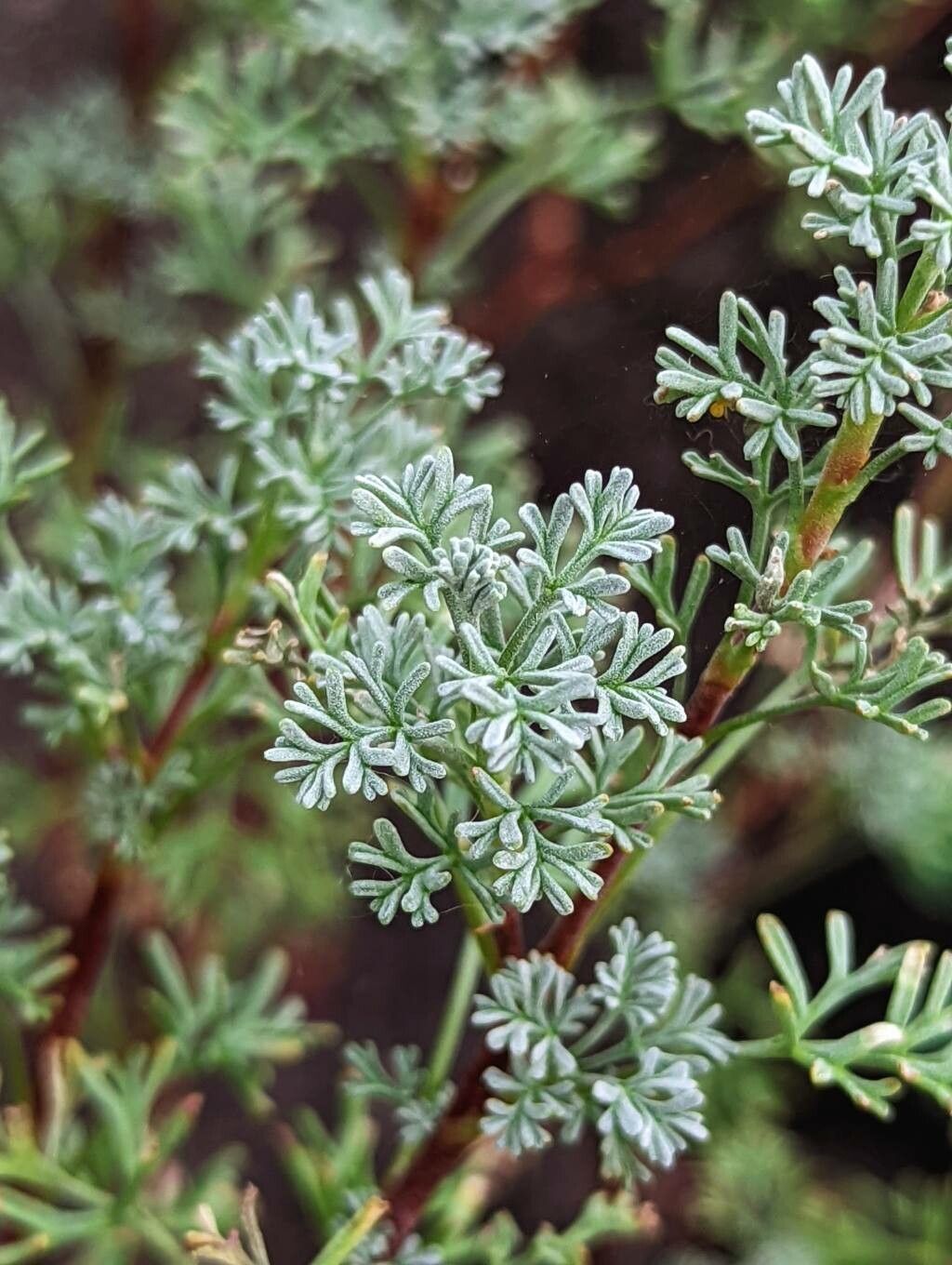
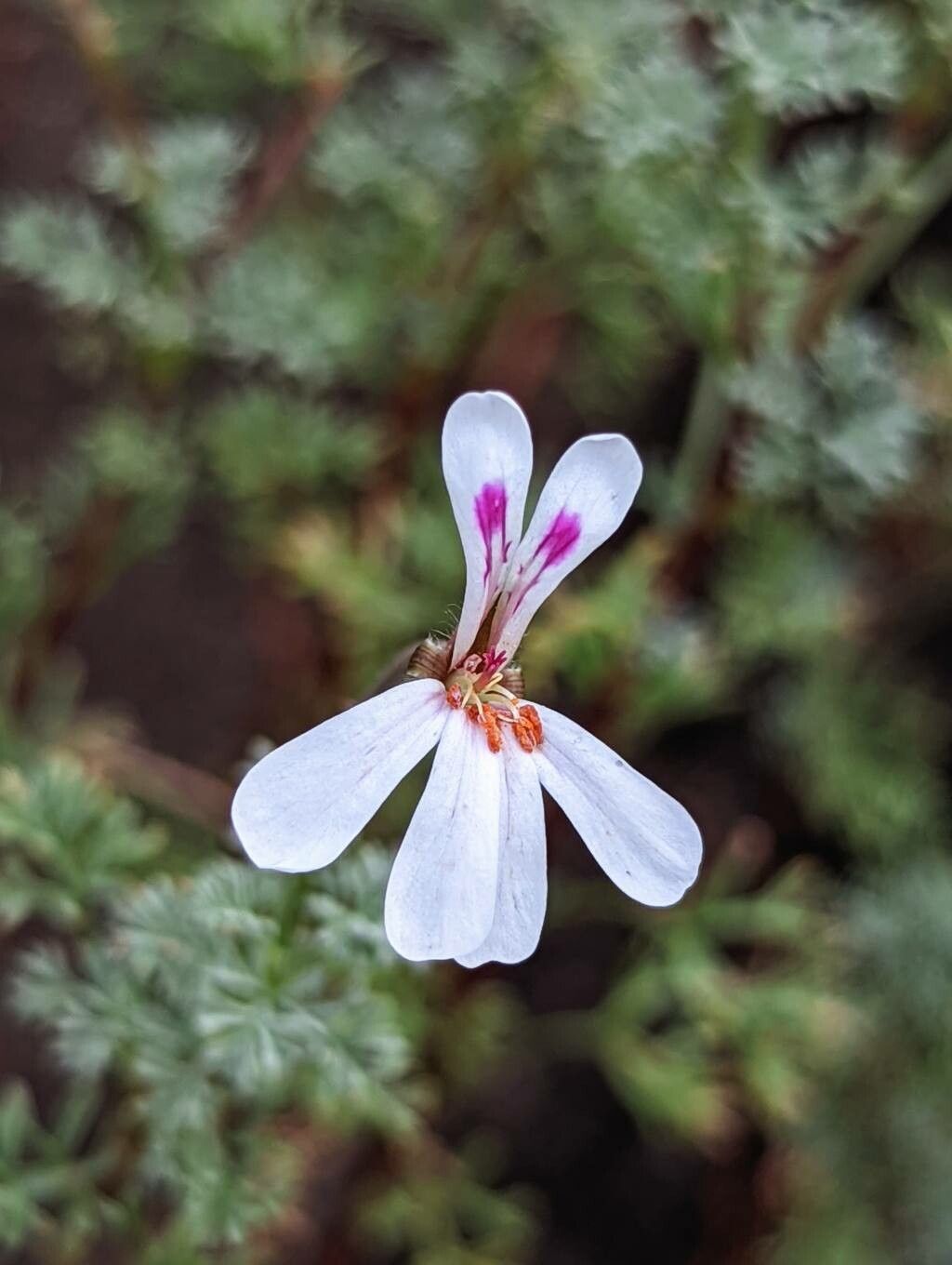
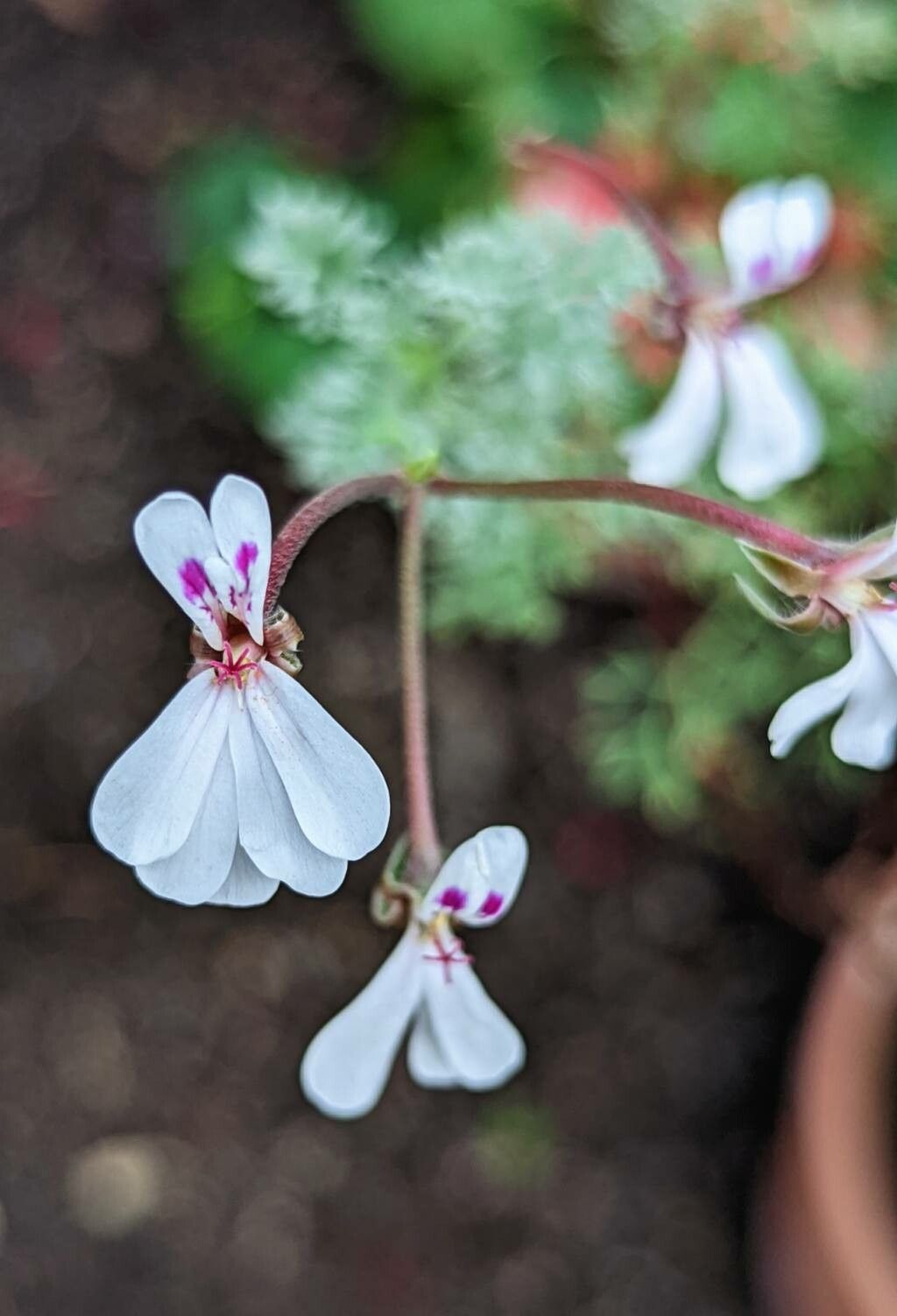
Pelargonium abrotanifolium is known for its aromatic foliage and vibrant blooms. To encourage bushier growth, prune the plant in early spring by removing dead stems and regularly deadheading spent flowers to promote more blooms. Avoid heavy pruning in late fall or winter, as this can hinder the plant's performance. Proper pruning improves air circulation, reduces the risk of disease, and supports robust growth.
Pot & Repot
When repotting Southernwood Storksbill, select a pot 1–2 inches (2.5–5.1 cm) larger that has ample drainage. Use a well-draining potting mix. Repot in spring or fall, ensuring the root ball is positioned slightly lower than the rim of the flower pot. Water thoroughly after repotting and place it in a warm spot with indirect sunlight.
Botanical profile.
- Plant Type
- Herb
- Life Cycle
- Perennial
- Genus
- Pelargonium
- Family
- Geraniaceae
- Hardiness Zone
- 9-11
- Mature Height
- 30 cm to 61 cm
- Mature Spread
- 30 cm to 49 cm
- Leaf Color
- Dark Green, Gray
- Leaf Type
- Evergreen
- Flower Size
- 1.02 cm to 2.03 cm
- Bloom Time
- All year round
- Planting Time
- Spring, Summer, Autumn
- Harvest Time
- All year round
- Native Area
- South Africa
Other names.
Reader questions.
What are the sunlight requirements for Pelargonium abrotanifolium?
Pelargonium abrotanifolium thrives in conditions where it receives full sun, defined as more than 6 hours of sunlight per day, or partial sun, which means about 3-6 hours of sunlight. It's important to observe how sunlight moves through your garden over the course of the day. Identifying spots that offer the right balance of light and shade will ensure the optimal growth and happiness of your Pelargonium abrotanifolium plants.