Pelargonium crispum
Crisped-leaf pelargonium · Lemon geranium · Lemon-scented pelargonium
Description
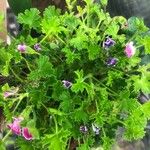
Source: leafsnapPelargonium crispum, commonly known as the lemon-scented geranium, is a flowering plant in the Geraniaceae family. Native to South Africa, it is widely cultivated for its fragrant leaves and attractive flowers. The plant grows up to 60 cm tall, featuring small, delicate, deeply lobed leaves that emit a lemon scent when crushed. Its flowers, which are pink or white with five petals, bloom in clusters from spring to fall. For optimal growth, Pelargonium crispum prefers well-drained soil and conditions with full sun or partial shade. This plant is popular in gardens and hanging baskets, and also makes an excellent indoor plant due to its pleasant fragrance and appealing appearance. Beyond its ornamental uses, Pelargonium crispum has medicinal applications. The essential oils found in its leaves possess antibacterial properties and have been used to treat respiratory infections.
Care Guide
💧 Water Every 7 days
Lemon geranium originates from temperate climates and thrives with consistent moisture. However, it can adapt to less frequent watering due to its moderate drought tolerance. Ideally, this plant should be watered weekly. It is well-suited for outdoor cultivation, and its evergreen nature ensures that it maintains its foliage throughout the year.
☀️ Light Full sun
Accustomed to bright conditions, the lemon geranium thrives when it receives ample sunlight. Although it can withstand some shade, its health and growth are best with plentiful sun. Be cautious, however, because either extreme of light—too little or too much—can hinder its development.
What are the sunlight requirements for Lemon Geranium?
Lemon Geranium thrives best in full sunlight, requiring above 6 hours of sunlight daily to flourish maximally. It can also survive in partial sun conditions, with about 3-6 hours of sunlight. It's essential to observe the movement of sunlight through your garden to find the perfect spot for your Lemon Geranium, ensuring it gets a balanced exposure to light and shade for optimal growth. The well-being of your plant hinges on selecting places that provide it with the right amount of sunlight.
How do sunlight and artificial light affect the growth of Lemon Geranium?
Lemon Geranium flourishes in environments rich in sunlight. While it can adapt to slightly shaded areas, its growth and health are best promoted under abundant sunlight. Nonetheless, extreme light conditions should be avoided as they may hinder the plant's development. For indoor plants lacking natural sunlight, especially during winter or in less sunny spaces, artificial lighting such as LED lights can be a vital substitute. These should be tailored to deliver the specific wavelengths needed by the plants. Indoor plants generally need artificial light ranging from 10-50W/sq ft depending on their sunlight requirements, placed 12-36 inches above the plant for 8-12 hours per day to mimic natural daylight hours effectively.
What are the symptoms of improper light exposure in Lemon Geranium?
Improper light exposure can lead to several symptoms in Lemon Geranium. In low light, the plant may exhibit smaller new leaves, leggy or sparse growth, faster leaf drop, slower or halted new growth, and lighter-colored or chlorotic new leaves. Excessive sunlight, on the other hand, can cause sunscald, leaf curling to reduce sunlight exposure, wilting due to increased transpiration, and leaf scorching characterized by brown, crispy leaf edges. These symptoms indicate that the plant needs a better-balanced light environment to thrive.
What are the solutions for Lemon Geranium affected by improper lighting?
For Lemon Geraniums affected by inadequate sunlight, gradually increasing their exposure to natural light is key. Indoors, move them closer to a south-facing window, ensuring they get at least 6 hours of direct sunlight, or use artificial lighting such as desk lamps or grow lights for at least 8 hours daily. Outdoors, gradually transition them to sunnier spots while avoiding abrupt changes to prevent sunburn. If obstructions like trees block sunlight, consider pruning them or transplanting smaller plants to sunnier locations. While parts of the plant that have suffered from poor light exposure may not recover, new growth should be healthy with improved lighting conditions.
🌡️ Temperature 15–37.8°C
Lemon geranium is native to temperate regions and prefers temperatures from 59 to 100 °F (15 to 38 ℃). It can tolerate cooler weather but does best when kept warm. As seasons change, gradually adjust your lemon geranium's environment to remain within its preferred temperature range.
What is the native environment of Lemon Geranium (Pelargonium crispum)?
Lemon Geranium, botanically known as Pelargonium crispum, thrives in temperate environments. It prefers a temperature range from 59 to 100 °F (15 to 38 °C) and can withstand chillier weather, but it flourishes best when kept warm. With the changing seasons, it's beneficial to gradually adjust the plant's environment to stay within its preferred temperature range. Lemon Geranium has some cold tolerance and typically doesn't need extra cold protection measures if temperatures stay above -5°C. However, if temperatures are expected to drop below -5°C, temporary measures like wrapping the plant with plastic film, fabric, or other materials should be taken to protect it from the cold, and removed once the temperature rises again.
How does Lemon Geranium respond to low temperatures?
Lemon Geranium has a moderate tolerance for low temperatures and thrives best when the temperature stays above 15°C. It should be kept above -5°C during winter to prevent damage. If the temperature falls below -10°C, the plant's leaves may start to droop. While mild cases can see recovery, severe cold exposure can lead to leaves wilting and eventually falling off. To protect against frost, it's advised to trim off frost-damaged parts and, before encountering low temperatures again, wrap the plant with materials like non-woven fabric or cloth, and create a wind barrier to shield it from cold winds.
How should Lemon Geranium be cared for during high temperatures?
During the summer, Lemon Geranium should ideally be kept below 38°C to avoid stress. If the temperature exceeds 43°C, the plant can exhibit signs of distress such as lighter leaf color, dry and withered leaf tips, curled leaves, and increased susceptibility to sunburn. To mitigate damage, trim away the sunburned and dried-up parts of the plant. Relocate the plant to a spot where it is shielded from the midday and afternoon sun, or use a shade cloth to protect it. Ensuring the soil remains moist by watering in the morning and evening will also help the plant cope with high temperatures.
💨 Humidity
🪴 Soil 6-7
🌱 Fertilizer
The best time to fertilize a Lemon geranium is in early spring, as it comes out of dormancy and begins active growth. Fertilizing supplies essential nutrients needed for healthy growth. Although the Lemon geranium has relatively low fertilizer requirements, feeding it once a year can improve its survival and encourage better, longer-lasting flowers.
🪴 Pot & Repot 2-3 years
When repotting Lemon geranium, select a pot 1–2 inches (2.5–5.1 cm) larger with ample drainage. Use a well-draining potting mix. Repot in spring or fall, ensuring the root ball is slightly lower than the rim of the flower pot. Water thoroughly after repotting and place it in a warm spot with indirect sunlight.
✂️ Pruning
The lemon geranium is known for its fragrant, lemon-scented leaves and crinkled foliage. To encourage growth and maintain its shape, it's best to prune the plant regularly from late winter to early spring. When trimming, cut just above the leaf nodes to promote bushier growth. It’s important to avoid heavy pruning during the plant’s active growth phase to minimize stress. Regular pruning not only improves the plant's appearance, but also boosts air circulation and reduces the risk of disease.
🌿 Propagating
🐛 Diseases & pets
☠️ Toxicity
Characteristics
- Plant Type
- Herb
- Life Cycle
- Perennial
- Genus
- Pelargonium
- Family
- Geraniaceae
- Hardiness Zone
- 8-11
- Mature Height
- 61 cm
- Mature Spread
- 15 cm to 25 cm
- Leaf Color
- Green
- Leaf Type
- Evergreen
- Flower Color
- Pink, White, Lavender
- Flower Size
- 2.54 cm
- Bloom Time
- All year round
- Planting Time
- Spring, Summer, Autumn
- Harvest Time
- All year round
- Native Area
- South Africa