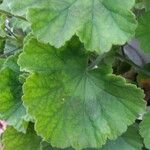
Pelargonium inodorum
Kopata geranium · Scentless geranium
Description
Source: leafsnapPelargonium inodorum, commonly known as the scented geranium, is a species of flowering plant in the family Geraniaceae. Native to South Africa, it is widely cultivated for its fragrant leaves and attractive flowers. The plant grows up to 60 cm tall and has a bushy form, featuring deeply lobed leaves that are either green or variegated with white or yellow markings. The small flowers, pink or white, appear in clusters on long stems from spring to autumn. Scented geraniums are popular for the aromatic oils extracted from their leaves, which are used in perfumes, soaps, candles, teas, and culinary dishes. They thrive in well-drained soil with full sun exposure but can also tolerate partial shade and drought conditions once established. These plants make excellent container options for both indoor and outdoor settings, though they need protection from frost in colder climates. Additionally, they attract bees and butterflies, making them a delightful addition to any garden.
Care Guide
💧 Water Every 7 days
The scentless geranium excels in dry areas due to its remarkable drought tolerance. Although it can withstand arid conditions, it benefits from weekly watering and tends to favor moderately humid environments. As an evergreen plant, the scentless geranium keeps its leaves throughout the year. Therefore, consistent watering is essential to sustain its growth cycle.
☀️ Light Full sun
Scentless geranium is a perennial herbaceous plant that favors sunny conditions and is native to open habitats, commonly growing in meadows and grasslands. It prefers full sun but can also tolerate partial sun.
What are the sunlight requirements for Scentless Geranium?
Scentless geranium thrives in environments with plenty of sunlight, requiring full sun, which means it needs more than 6 hours of sunlight daily, to achieve optimal growth. It can tolerate partial sun, approximately 3-6 hours of sunlight, but prefers direct sunlight. Remember to observe the movement of sunlight through your garden to identify spots that ensure a balance of light and shade, which is crucial for the plant's health.
How does artificial lighting benefit indoor Scentless Geraniums?
For indoor Scentless Geraniums, when natural sunlight is inadequate, especially during winter or in less sunny areas, artificial lighting becomes essential for optimal growth. LED lights are recommended because they can be tailored to provide specific light wavelengths needed by plants. Full sun plants require 30-50W/sq ft, partial sun plants 20-30W/sq ft, and full shade plants 10-20W/sq ft of artificial light. The artificial light source should be placed 12-36 inches above the plant to mimic natural sunlight conditions, and most plants benefit from 8-12 hours of light per day.
What are the symptoms of inadequate light in Scentless Geraniums?
When Scentless Geraniums do not receive enough light, they can show several symptoms, including smaller new leaves, leggy or sparse growth, early leaf drop, delayed or halted growth, paler new leaves, and symptoms of chlorosis and sunscald. These conditions indicate a struggle with light absorption and may hinder the plant’s ability to perform photosynthesis effectively.
How to address light deficiency for indoor and outdoor Scentless Geraniums?
To combat light deficiency, gradually move Scentless Geraniums to locations with more sunlight, ensuring they get at least 6 hours of direct sunlight daily. For indoors, utilize a south-facing window or provide supplemental artificial lighting, like desk lamps or professional grow lights, for at least 8 hours a day. Outdoors, avoid sudden transitions to intense sunlight to prevent sunburn. Note that parts of the plant damaged by insufficient light may not fully recover, but new growth should be healthy with improved lighting conditions.
What steps can be taken to ensure outdoor Scentless Geraniums receive enough sunlight?
For outdoor Scentless Geraniums, it's crucial to limit obstructions that block sunlight. This may involve pruning trees that overshadow the plants. For smaller plants, consider transplanting them during their dormant period, which is usually late winter or early spring, to a location with better sunlight exposure and good drainage, ensuring the plant's health and vitality.
🌡️ Temperature 20–37.8°C
Scentless geranium can tolerate a wide range of temperatures, but its distribution may still be restricted by different combinations of moisture and heat. It performs best in warm summer conditions with adequate rainfall or watering. Extended stretches of cloudy, rainy weather or prolonged high temperatures can raise the likelihood of Scentless geranium dying. In winter, shielding it from cold can enhance the plant's chances of survival.
What is the name and botanical name of the scentless geranium?
The scentless geranium is known by its common name as 'Scentless Geranium' and its botanical name is Pelargonium inodorum.
💨 Humidity
🪴 Soil 6-7
🌱 Fertilizer
The best time to fertilize a Scentless geranium is in early spring, as it comes out of dormancy and begins active growth. Fertilizing supplies essential nutrients needed for healthy development. Although the Scentless geranium has relatively low fertilizer requirements, applying fertilizer once a year can improve its survival and encourage better, longer-lasting blooms.
🪴 Pot & Repot
✂️ Pruning
Scentless geraniums have foliage without fragrance and greatly benefit from careful pruning, particularly from early to late spring. Effective pruning techniques involve removing damaged stems and trimming longer ones to promote a bushier appearance. Regular pruning improves air circulation, lowers the risk of disease, and encourages robust new growth.
🌿 Propagating
🐛 Diseases & pets
☠️ Toxicity
Characteristics
- Plant Type
- Herb
- Life Cycle
- Perennial, Annual
- Genus
- Pelargonium
- Family
- Geraniaceae
- Hardiness Zone
- 9-11
- Mature Height
- 49 cm
- Mature Spread
- 61 cm
- Leaf Color
- Dark Green, Forest Green
- Leaf Type
- Semi-evergreen
- Flower Color
- White, Pink
- Flower Size
- 0.51 cm to 0.76 cm
- Bloom Time
- All year round
- Planting Time
- Spring, Summer
- Harvest Time
- All year round
- Native Area
- New Zealand