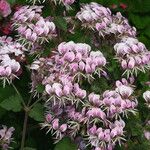
Pelargonium ribifolium
Currant-leaf pelargonium
Care Guide
💧 Water
To test the soil moisture, insert your finger into the soil. If the top 0.8 inches (2 cm) feel dry, it’s time to water. In the spring and fall, make sure to water the plant thoroughly. Pelargonium ribifolium requires minimal watering during the summer and winter. Use soft water for watering. It's best to collect rainwater or allow tap water to sit for one to two days before using it.
☀️ Light Full sun
Common geraniums flourish with plenty of sunlight, and can cope with moderate light levels. They come from regions where sunlight is plentiful, their growth and well-being are significantly influenced by sun exposure. However, too much of it can cause leaf burn, while too little light might hinder growth and flowering.
What are the sun requirements for Pelargonium ribifolium?
Pelargonium ribifolium, known by its botanical name as Pelargonium ribifolium, thrives in conditions of full sun to partial sun. Full sun locations are defined as areas that receive above 6 hours of sunlight daily, while partial sun areas receive about 3-6 hours of sunlight daily. It's important to observe the movement of sunlight through your garden carefully. Identifying spots that offer an ideal mix of light and shadow can significantly contribute to the happiness and health of your plants. This careful consideration ensures that Pelargonium ribifolium gets the perfect balance of light it requires.
🌡️ Temperature 20–37.8°C
Typically, geraniums thrive best in their natural growth environment which prefers temperatures between 68 to 100 ℉ (20 to 38 ℃). They also favor a temperature range from 65 to 85 ℉ (18 to 29 ℃). Make sure these plants are well-ventilated during the summer months while steering clear of extreme sunlight and direct heat. As winter approaches, it's crucial to house them in a cooler room where temperatures don't surpass 60 ℉ (15 ℃).
💨 Humidity
🪴 Soil 6-7
🌱 Fertilizer
Appropriate nourishment is essential for the health and looks of Common geraniums. Feed these plants in the summer season, continuing on a monthly basis through the same season. The plant elements are sustained and growth is powered by nutrients. Fertilizing the Common geraniums boosts their flower show, guaranteeing the most impressive blooms.
🪴 Pot & Repot 2-3 years
When transplanting Common geraniums, select a container that is 1-2 inches bigger and has sufficient drainage. Employ a potting mixture that drains well. Make sure to transplant in spring or autumn, keeping the root ball a bit lower than the edge of the flower container. After transplanting, water generously and position in a warm location with shaded sunlight.
✂️ Pruning
To keep the lush foliage and vibrant blooms of pelargonium ribifolium in top condition, it's important to prune the plant in early spring. During this time, remove any dead or diseased branches, thin out crowded areas, and trim back overgrown shoots. This process not only enhances the plant's appearance but also promotes vigor and reduces the risk of pests. For the best results, make sure to use sharp and clean tools.
🌿 Propagating
🐛 Diseases & pets
☠️ Toxicity
Characteristics
- Plant Type
- Herb
- Life Cycle
- Perennial
- Genus
- Pelargonium
- Family
- Geraniaceae
- Hardiness Zone
- 9-11
- Mature Height
- 30 cm to 91 cm
- Mature Spread
- 49 cm to 91 cm
- Leaf Color
- Green
- Leaf Type
- Evergreen
- Flower Color
- Red, Pink, White
- Flower Size
- 5.08 cm to 6.35 cm
- Bloom Time
- All year round
- Planting Time
- Spring, Summer, Autumn
- Harvest Time
- All year round
- Native Area
- South Africa