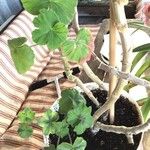
Pelargonium zonale
Horseshoe geranium · Common pelargonium · Horseshoe Pelargonium · Zonal pelargonium · Pelargonium
Description
Source: leafsnapPelargonium zonale, commonly known as the zonal geranium, is a popular flowering plant belonging to the family Geraniaceae. Native to South Africa, it has been cultivated for centuries for its appealing flowers and foliage. This bushy plant features succulent stems that can grow up to 3 feet tall. The leaves of Pelargonium zonale are dark green with distinct zones or bands of lighter green around their edges, giving the plant its name "zonal geranium." The flowers appear in clusters on long stems above the foliage and come in a variety of colors, including pink, red, white, orange, and purple. Pelargonium zonale is easy to grow and thrives in full sun or partial shade. It prefers well-drained soil with moderate moisture levels but can tolerate drought once established. The plant blooms from spring through fall and may continue to flower year-round if grown indoors under suitable conditions. Zonal geraniums are commonly used as bedding plants in gardens or grown in pots indoors or on patios. They are also popular in hanging baskets due to their trailing growth habit. While Pelargonium zonale requires minimal care, it benefits from regular deadheading (removing spent blooms) to encourage continuous blooming throughout the growing season. Overall, Pelargonium zonale is an attractive ornamental plant that adds color and beauty wherever it is planted, requiring minimal maintenance. This makes it an ideal choice for both novice gardeners and experienced horticulturists alike.
🌳 Exploring history reveals the vivid, fragrant contributions of common geraniums, owing to their abundant essential oil content, which is prized in aromatherapy. In addition to aromatic uses, the leaves of common geraniums can be brewed into a calming, therapeutic, caffeine-free tea. Beyond wellness, common geraniums also provide a striking scarlet pigment suitable for creating natural paints, yet their full potential in this area remains untapped.
🎭 Idiocy, folly
Care Guide
💧 Water Every 7 days
The horseshoe geranium thrives in subtropical conditions, where consistent moisture and moderate humidity are ideal. While it is somewhat drought-tolerant, the plant requires weekly watering, particularly during its active growing season. When grown indoors, you can manage the plant’s hydration more effectively, maintaining even moisture levels without causing waterlogging, which helps prevent root rot.
When Should I Water My Horseshoe Geranium?
Watering horseshoe geranium is essential for its health and growth. Check the soil moisture by inserting your finger 1 to 2 inches into the soil near the plant's base; if the soil feels dry, it's time to water. Notice wilting leaves, yellowing or browning as signs of needing water. Lifting the container to feel its weight can also indicate if watering is necessary. Be cautious of watering too early, which can lead to root rot, or too late, risking plant dehydration. Consistently observing these signs will guide you in maintaining an effective watering schedule for your horseshoe geranium.
How Should I Water My Horseshoe Geranium?
The ideal watering method for horseshoe geranium is bottom watering, which prevents leaf spotting and supports healthy root development by allowing the plant to absorb water through drainage holes. Use a tray filled with water and place the plant's container in it until the top inch of soil is moist. Avoid getting water on the leaves and stem to prevent disease. Utilize tools such as moisture meters and a watering can with a narrow spout for precise watering. Focus on watering the soil directly to keep it damp but not saturated.
How Much Water Does Horseshoe Geranium Really Need?
The watering needs of horseshoe geranium depend on factors like pot size, root depth, and plant size, aiming to maintain moist soil without overwatering. Typically, 250-500 milliliters of water per session should suffice, ensuring water drains out of the pot's drainage holes. Properly hydrated plants display vibrant green leaves and abundant blossoms. Overwatering and underwatering can lead to yellowing leaves, wilting, and root rot. Using well-draining soil and avoiding leaving the plant in standing water are critical for optimal hydration.
What Kind of Water is Best for Horseshoe Geranium?
Rainwater or filtered water is best for horseshoe geranium, as they are free from contaminants like chlorine and fluoride, harmful in high levels. If using tap water, let it sit for 24-48 hours before watering to allow the evaporation of chlorine. Distilled water, lacking essential minerals, might not be the best choice. Avoid water softened with sodium and ensure water is at room temperature to prevent shock to the plant's system.
How Do Horseshoe Geranium's Watering Needs Change with the Seasons?
Seasonal changes affect horseshoe geranium's watering needs. In spring, maintain consistent moisture for its growth. Summer may require more frequent watering due to heat. In autumn, reduce watering as the plant prepares for dormancy. During winter, water sparingly, letting the soil dry between watering sessions. Adjusting your watering habits according to the season ensures the plant remains healthy throughout the year.
☀️ Light Full sun
Common geraniums flourish with plenty of sunlight, and can cope with moderate light levels. They come from regions where sunlight is plentiful, their growth and well-being are significantly influenced by sun exposure. However, too much of it can cause leaf burn, while too little light might hinder growth and flowering.
What are the sunlight requirements for Horseshoe Geranium?
Horseshoe Geranium requires full sun, meaning it thrives with more than 6 hours of sunlight daily, but it can also grow under partial sun conditions, with about 3-6 hours of sunlight. It's crucial to observe the movement of sunlight through your garden to locate the ideal spots that provide a balance of light and shade, ensuring the well-being of your plants.
What are the essentials for growing Horseshoe Geranium successfully?
Growing a Horseshoe Geranium successfully hinges on ensuring it gets ample sunlight, as it originates from sunny climates. While it can tolerate moderate light, too much or too little sunlight can be detrimental, leading to leaf scorch or impeded growth and blooming, respectively. For indoor plants, where natural light might be inadequate, artificial lighting such as LED lights can be vital. These should provide 10-50W/sq ft of light depending on whether the plant is full shade, partial sun, or full sun, and be placed 12-36 inches above the plant for 8-12 hours per day to emulate natural daylight conditions.
What are the symptoms of inadequate lighting for Horseshoe Geranium?
In conditions of insufficient lighting, Horseshoe Geranium may exhibit several symptoms: it might not show clear signs immediately but can affect future flowering and fruiting. You may notice leggy growth or sparse development, indicating the plant is stretching out for more light. Growth may slow down or stop altogether as the plant enters a survival mode. Other signs include chlorosis, where leaves lose their green pigment, sunscald from intense sunlight exposure, leaf curling as a defense against too much light, wilting due to excessive water loss, and leaf scorching from too much sunlight.
How can I address and prevent light-related issues for my Horseshoe Geranium?
To optimize your Horseshoe Geranium's growth and prevent light-related issues, gradually acclimate your plant to its ideal light conditions. For indoor plants, move them closer to a south-facing window for at least 6 hours of direct sunlight or use artificial lights if moving them isn't feasible. Outdoors, select the best spot that receives adequate light and introduce your plants to more sunlight gradually to prevent sunburn. Removing obstacles that block sunlight and considering transplanting during the plant’s dormant period can also help. Note that while parts of the plant damaged by insufficient light might not recover, new growth should be healthy with the right light conditions.
🌡️ Temperature 20–37.8°C
Typically, geraniums thrive best in their natural growth environment which prefers temperatures between 68 to 100 ℉ (20 to 38 ℃). They also favor a temperature range from 65 to 85 ℉ (18 to 29 ℃). Make sure these plants are well-ventilated during the summer months while steering clear of extreme sunlight and direct heat. As winter approaches, it's crucial to house them in a cooler room where temperatures don't surpass 60 ℉ (15 ℃).
What is the preferred temperature range for Horseshoe Geraniums?
Horseshoe geranium, known botanically as Pelargonium zonale, thrives best within a temperature range of 65 to 85 °F (18 to 29 °C). For optimal growth, ensure the plant is in a native environment with temperatures between 68 to 100 °F (20 to 38 °C). During summer, it's crucial to provide good ventilation to the plant and protect it from intense sunlight and direct heat. In the winter, the plant prefers a cooler setting, with room temperatures not exceeding 60 °F (15 °C). This particular geranium variety loves warmth, so exposure to chilly conditions can be detrimental. To maintain health during colder months, it's recommended to move outdoor Horseshoe geraniums indoors to a sunny spot away from heaters, ensuring the ambient temperature stays above the minimum tolerated by the plant.
How should I care for my Horseshoe Geranium in low temperatures?
Horseshoe geraniums are particularly sensitive to low temperatures and show the best growth when kept above their minimum suitable growth temperature. As the temperature drops below their tolerance level, you might notice the leaves lightening in color. Frost can cause the foliage to turn brown or black, accompanied by wilting or drooping. To protect your geranium in cold weather, trim off the frost-damaged parts and move the plant indoors to a warm, sunny location, ideally near a south-facing window. It's important to avoid placing the geranium close to heaters or air conditioning vents, as this could lead to excessively dry air which isn't beneficial for the plant.
What do I do if my Horseshoe Geranium is exposed to very high temperatures?
During the hottest parts of the summer, it's essential to ensure that your Horseshoe geranium does not remain in conditions exceeding its maximum tolerant temperature. Exposure to extreme heat can lighten the leaf color and increase susceptibility to sunburn. To mitigate these effects, trim away any sunburned or dried parts of the plant. Then, move it to a spot that's shielded from the intense midday and afternoon sun. Also, to help maintain the plant's moisture level, water it during the cooler parts of the day, specifically in the morning and evening.
💨 Humidity normal (40-60%)
This plant will thrive in moderate humidity, which is probably the level in your home. However, misting it a few times a week can be very beneficial. Make sure the room has good ventilation.
🪴 Soil 6-7
🌱 Fertilizer Every 14 days
Appropriate nourishment is essential for the health and looks of Common geraniums. Feed these plants in the summer season, continuing on a monthly basis through the same season. The plant elements are sustained and growth is powered by nutrients. Fertilizing the Common geraniums boosts their flower show, guaranteeing the most impressive blooms.
Why is it necessary to add fertilizer to my Horseshoe geranium?
Fertilizer and soil nutrients are like fuel for your Horseshoe geranium. They help the plant grow and stay healthy by providing the necessary nutrients. The plant uses these nutrients to create new growth and keep the existing parts in good condition. For the Horseshoe geranium, fertilization is especially important to have beautiful flowers. Gardeners typically want the flowers to look their best, so they do everything they can to make that happen. Fertilization is one of the most effective methods to ensure the Horseshoe geranium produces the most stunning blooms.
When should I fertilize my Horseshoe geranium?
The Horseshoe geranium goes through two main phases throughout the year. The first phase is the dormant phase, which occurs in winter and involves minimal new growth. The second phase is the active growth phase, which happens in spring and fall. During this phase, your Horseshoe geranium requires the most fertilization. To maximize growth, it is recommended to start fertilizing your geranium in spring and continue once a month during spring and most of summer. As fall approaches, you can gradually reduce the frequency of fertilization.
When is it not a good time to fertilize my Horseshoe geranium?
If you want to help your Horseshoe geraniums grow, but also avoid root burn, it's important to know about their growth patterns. These plants are most active during the spring and summer, so that's when they need extra nutrients. However, during the fall and winter, they enter a dormancy stage where they don't require fertilizing.
What kind of fertilizer does my Horseshoe geranium require?
For a Horseshoe geranium, the ideal fertilizer should have a balanced mix of nutrients, with slightly more phosphorus. Another option is to improve the soil with organic materials like compost, worm castings, and manure. You can choose from various forms of fertilizers, but the liquid or powdered forms are particularly good for Horseshoe geraniums. Whichever form you choose, make sure to dilute the fertilizer and apply it while watering the plant.
How do I make my Horseshoe geranium grow better?
To effectively apply fertilizer to your Horseshoe geranium, follow these steps: first, find a suitable fertilizer and determine the proper fertilization schedule. Then, mix your chosen liquid fertilizer with water before applying it to the soil. Make sure to read and adhere to the manufacturer's instructions for each fertilizer, as they may vary. These guidelines should also explain how to dilute the fertilizer to avoid overfertilization. Mixing the fertilizer with water is a simple task, and once it's done, pour the mixture into the soil where your Horseshoe geranium is planted.
🪴 Pot & Repot 2-3 years
When transplanting Common geraniums, select a container that is 1-2 inches bigger and has sufficient drainage. Employ a potting mixture that drains well. Make sure to transplant in spring or autumn, keeping the root ball a bit lower than the edge of the flower container. After transplanting, water generously and position in a warm location with shaded sunlight.
✂️ Pruning
To keep your Horseshoe geranium healthy, it's important to prune it from early spring through late winter. Focus on removing dead or diseased stems and consider the airflow around the plant. Trimming back leggy growth will encourage denser foliage. Always use clean, sharp tools for pruning to effectively maintain the plant's shape, enhance flowering, and reduce the risk of fungal diseases.
🌿 Propagating
🐛 Diseases & pets
☠️ Toxicity
Characteristics
- Plant Type
- Herb
- Life Cycle
- Perennial
- Genus
- Pelargonium
- Family
- Geraniaceae
- Hardiness Zone
- 9-11
- Mature Height
- 30 cm to 91 cm
- Mature Spread
- 49 cm to 91 cm
- Leaf Color
- Green
- Leaf Type
- Evergreen
- Flower Color
- Red, Pink, White
- Flower Size
- 5.08 cm to 6.35 cm
- Bloom Time
- All year round
- Planting Time
- Spring, Summer, Autumn
- Harvest Time
- All year round
- Native Area
- South Africa