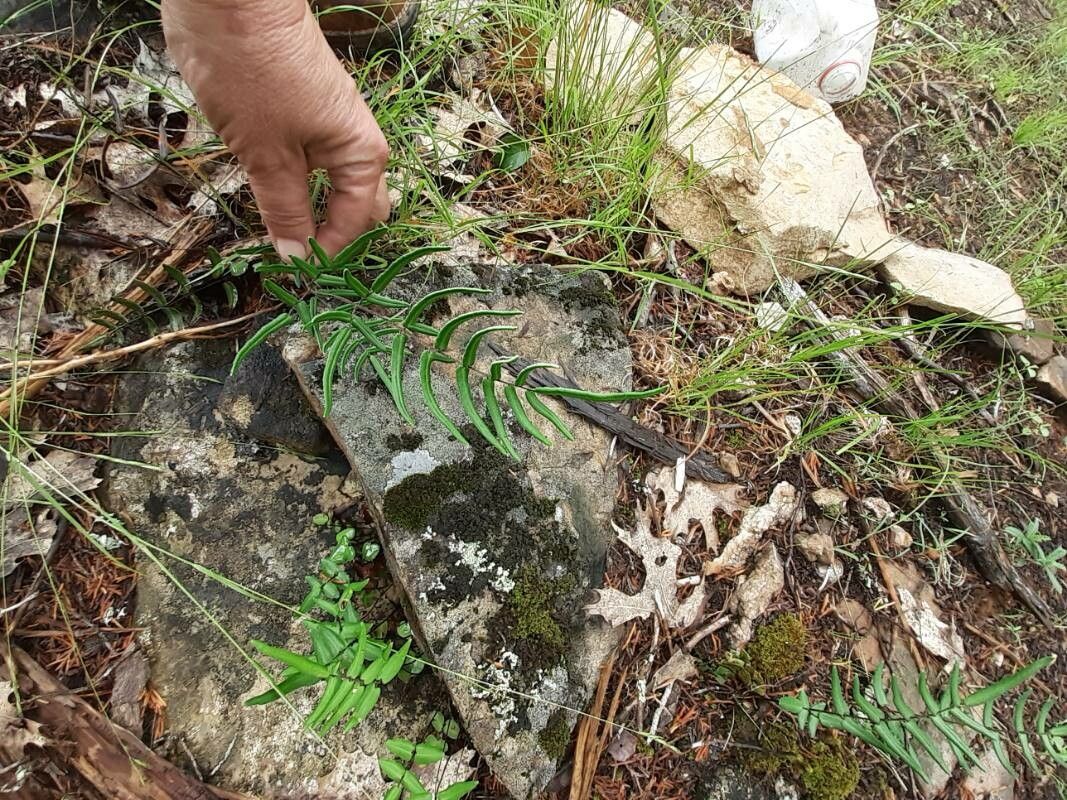
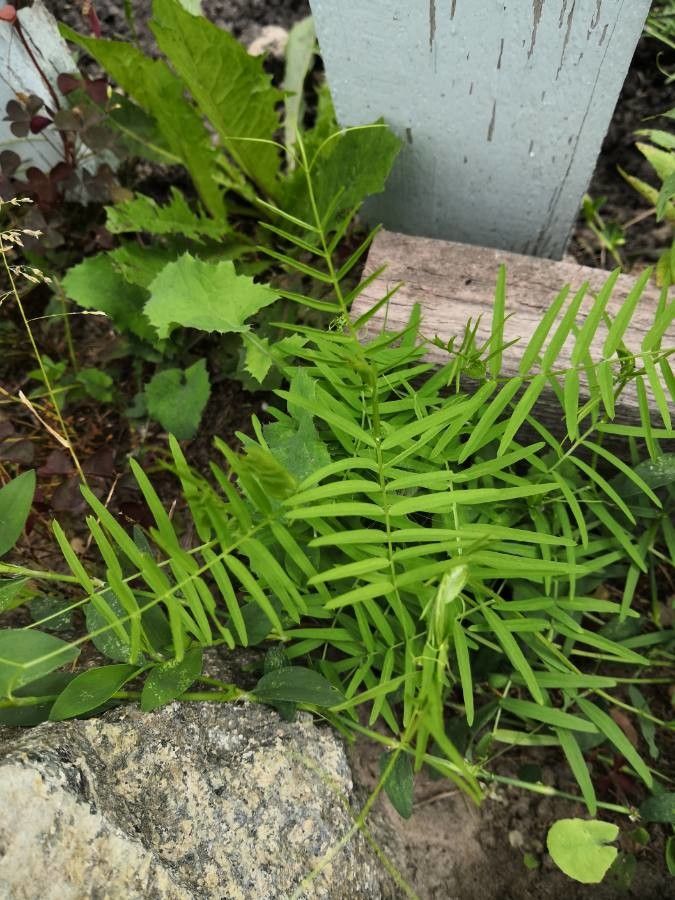
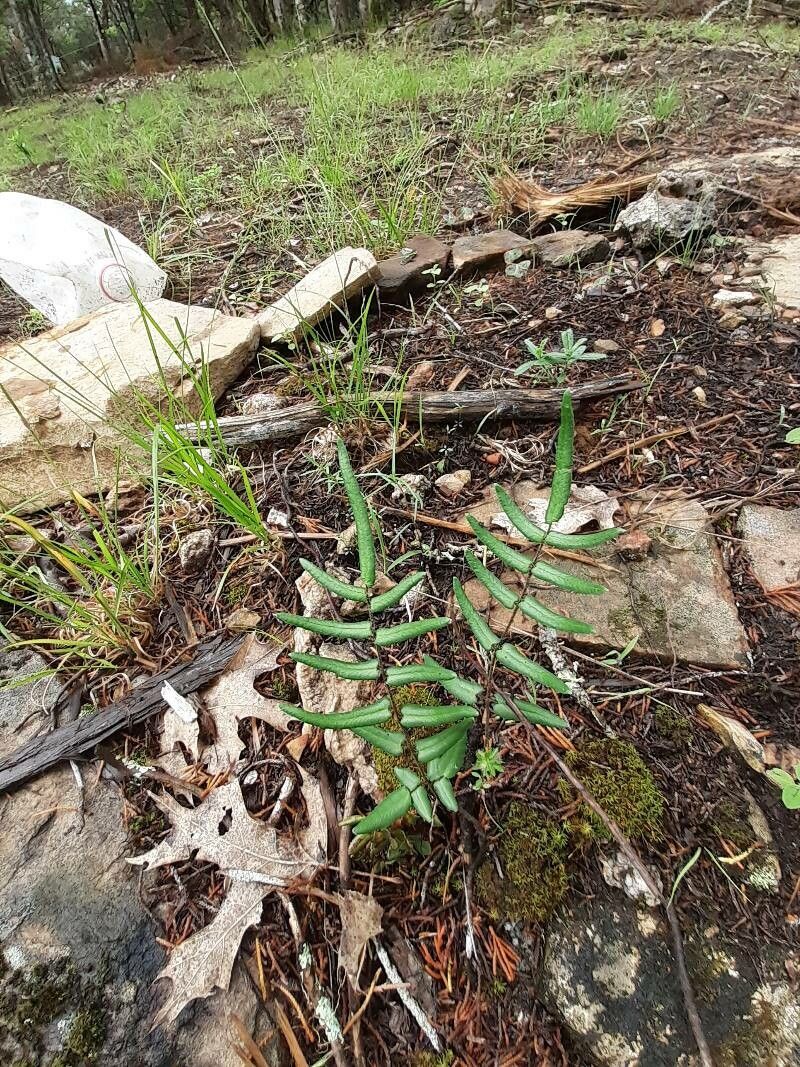
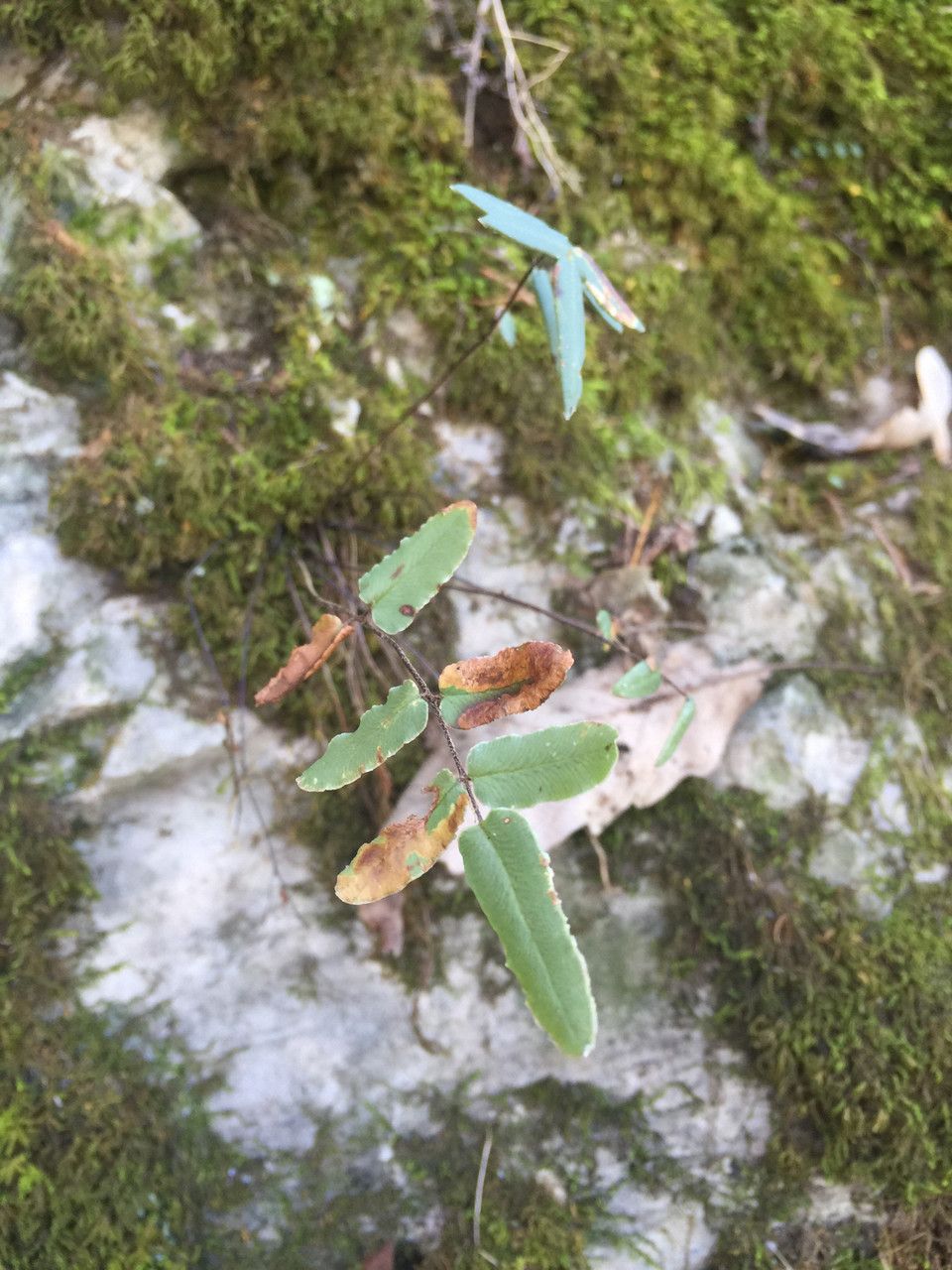
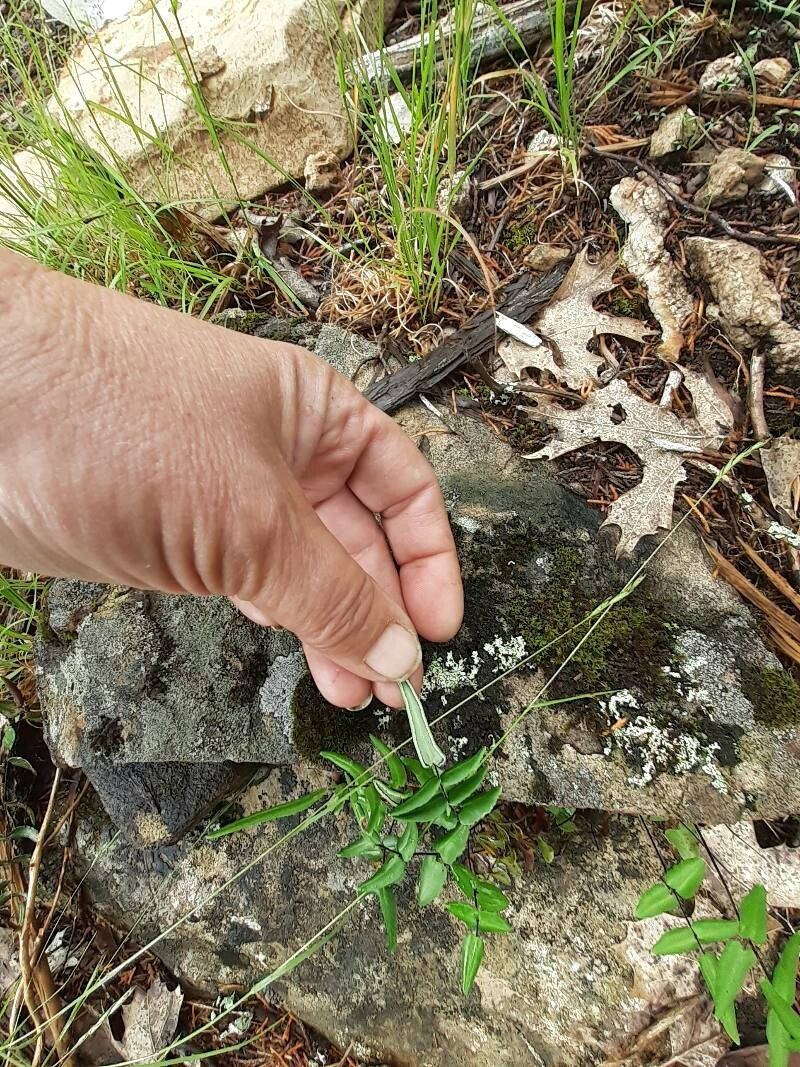
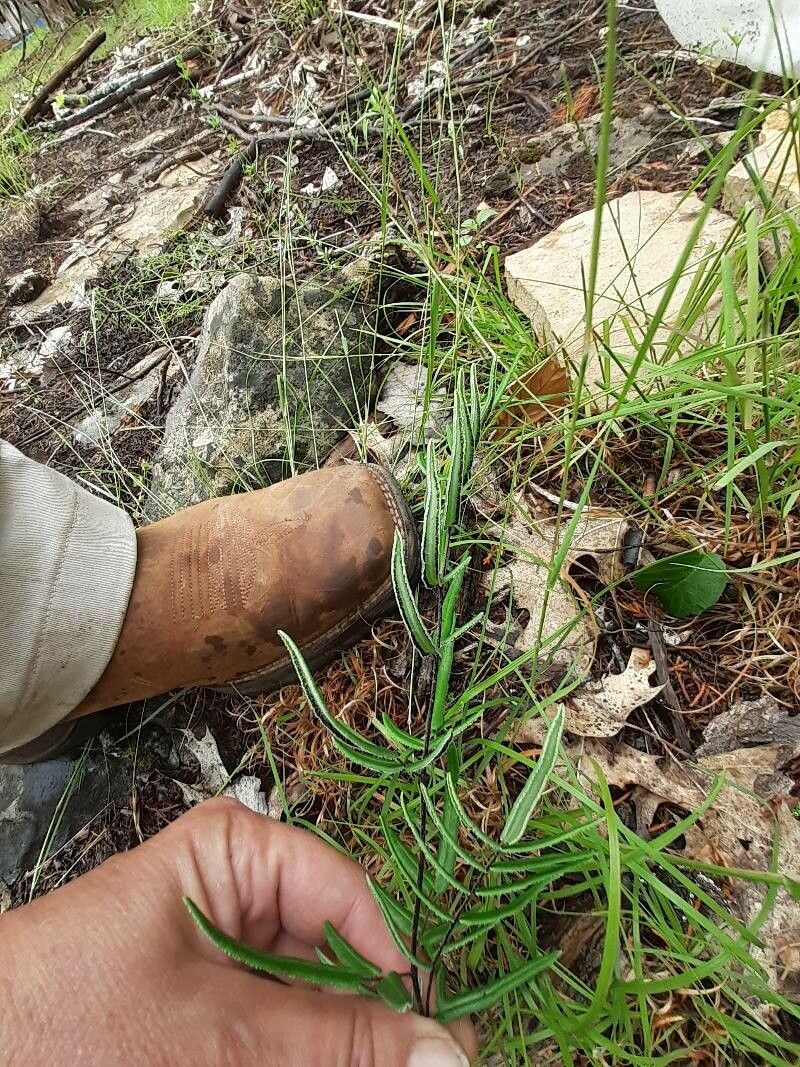
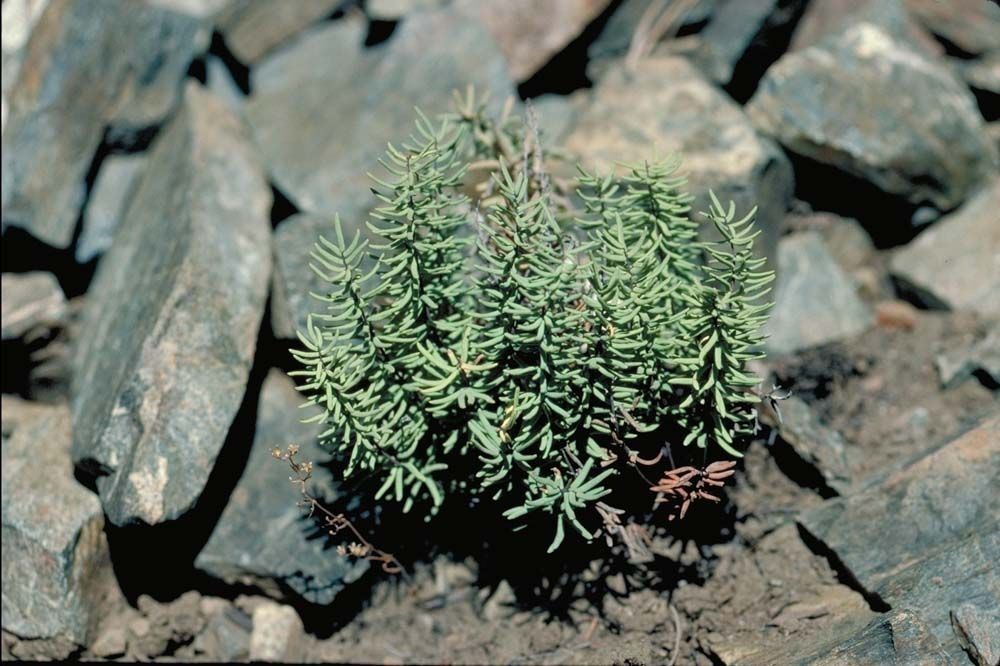
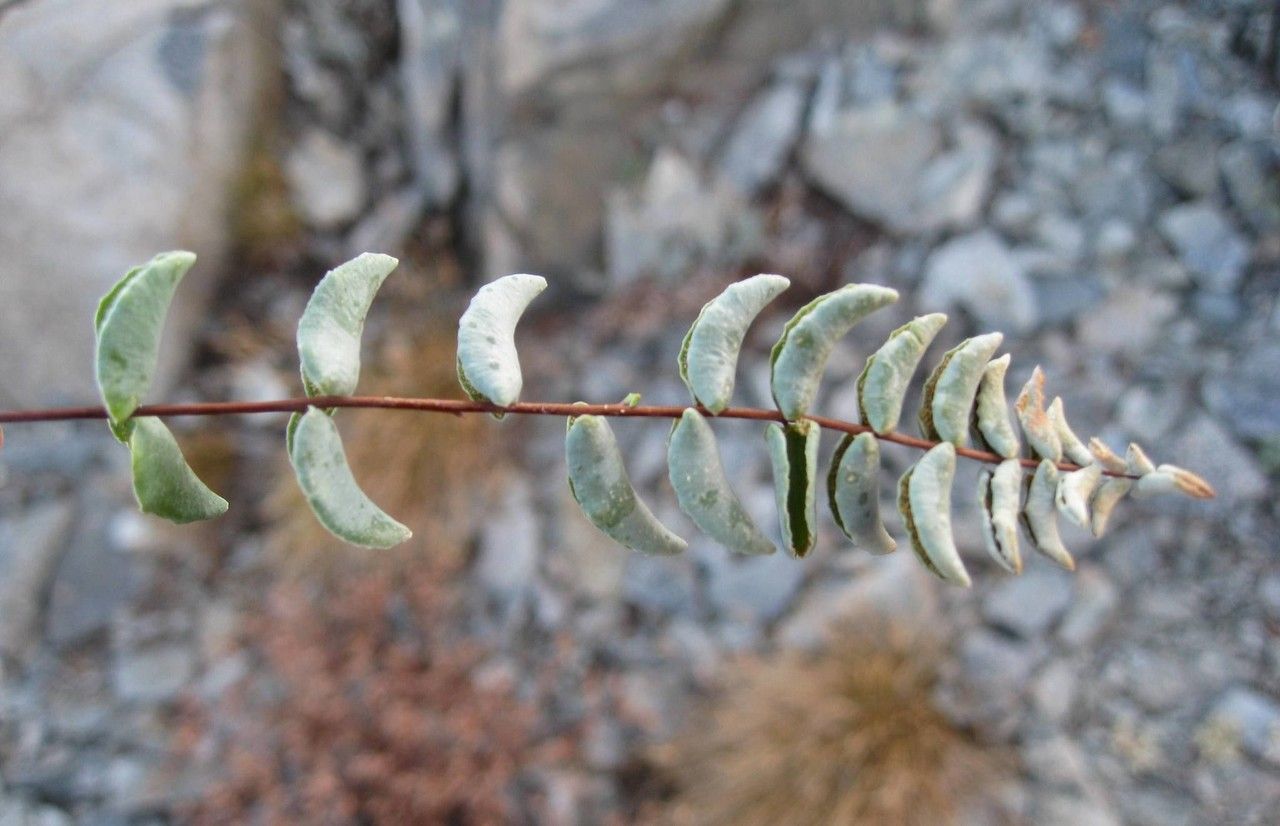
Pellaea atropurpurea, commonly known as Purple-stemmed Cliff Brake, is a fern species native to North America. This small to medium-sized fern thrives in rocky habitats, including cliffs, ledges, and rocky slopes. It is distinguished by its dark purple stems that beautifully contrast with its bright green fronds, which are pinnately divided into small leaflets. The fronds are typically 10-30 cm long and 5-15 cm wide.
Pellaea atropurpurea prefers well-drained soils and can grow in both partial shade and full sun. Remarkably drought-tolerant, it can endure dry conditions for extended periods.
Historically, Native American tribes have utilized the plant for medicinal purposes, treating various ailments such as stomach problems, headaches, and skin irritations.
Overall, Pellaea atropurpurea is an attractive fern species that enhances rocky landscapes with its beauty while providing ecological benefits such as erosion control and habitat for wildlife.
Purple cliffbrake is relatively disease-resistant and typically not prone to illnesses. However, it can be affected by pests and diseases present in its environment. These problems are usually minor. In terms of care, this plant needs moderate maintenance. It should be pruned regularly to keep a neat appearance and support healthy growth. Fertilizing can also help encourage flowering. Purple cliffbrake is well suited for anyone with outdoor space, such as a garden or patio, and does not demand extensive care experience. It may require increased attention when kept indoors.
How to keep Pellaea Atropurpurea.
Light
Purple cliffbrake does best in full sunlight and prefers plenty of sun. This tendency reflects its origins in sun-exposed habitats. It can tolerate somewhat diffused sunlight, though reduced light may slow its growth. Excessive shade or low light can lead to suboptimal health.
Water
The purple cliffbrake plant thrives in rocky, limestone habitats where water retention is minimal. It is highly tolerant of drought conditions, although it benefits from being watered once a week. This plant is best suited for outdoor cultivation, where it can take advantage of natural rainfall and temperature fluctuations to maintain optimal health.
Temperature
Purple cliffbrake is native to regions with moderate climates. It prefers temperatures between 41 and 89.6 °F (5 and 32 °C). Seasonal adjustments are necessary to replicate its natural seasonal temperature shifts.
Fertilizer
One fertilizer application in spring is typically adequate for Purple cliffbrake, though additional feedings can further increase growth. Feed about once every month to a month and a half. Fertilization improves the leaves' appearance and function, encouraging uniform color and a healthy texture. It also promotes root development and nutrient uptake, supporting long-term plant health.
Pruning
The fern-like purple cliffbrake is known for its delicate fronds with a purple tint and flourishes in rocky environments. To promote new growth, remove damaged fronds, and maintain its shape, prune the purple cliffbrake from early to late spring. Regular pruning also enhances air circulation, reduces the risk of disease, and improves its overall appearance.
Pot & Repot
Repot the purple cliffbrake every 2 to 3 years in the spring. Use a shallow, well-draining container for best results. After repotting, place the plant in indirect light and maintain consistent moisture. This will help the purple cliffbrake recover and ensure its vibrant fronds thrive.
Botanical profile.
Other names.
Reader questions.
How should I water my Purple cliffbrake Plant?
To properly water the Purple cliffbrake, it is recommended to use filtered water at room temperature. Tap water may contain harmful particles for this plant. The plant prefers room temperature or slightly warmer water since it originates from a warm environment. Cold water can shock its system. Instead of overhead watering, it is better to apply filtered room temperature water directly to the soil until it is completely soaked. This helps moisten the roots and allows them to spread and collect nutrients more efficiently.
What are the sunlight requirements for Purple Cliffbrake?
Purple Cliffbrake, or Pellaea atropurpurea, thrives best under full sunlight, requiring more than 6 hours of direct sunlight daily for optimal growth and health. It can also tolerate partial sun, about 3-6 hours of sunlight, though growth may be slower. It is important to observe your garden's sunlight patterns to ensure the plants receive the right balance of light and shade. Excessive shading or insufficient light can lead to sub-optimal health for the plant.
What is the native climate for Purple Cliffbrake?
Purple cliffbrake (Pellaea atropurpurea) is native to environments with moderate climates, thriving in temperatures that range from 41°F (5°C) to 89.6°F (32°C). It benefits from seasonal adjustments to mimic natural temperature shifts experienced in its native habitat. This species has a strong resistance to cold, generally not requiring special frost protection measures, except in extreme conditions where winter temperatures are expected to drop below -25°C.
What should I do if I give too much or too little water to my Purple cliffbrake plant?
Taking care of your Purple cliffbrake involves managing the amount of water it receives. Both overwatering and underwatering can harm the plant, but overwatering is more common. Too much water can cause the stems and leaves to wilt and turn yellow. It can also lead to diseases like root rot, mold, and mildew, which can be fatal. Underwatering is less likely, as the Purple cliffbrake is somewhat drought-tolerant. However, if it does happen, you may notice brittle, brown leaves. It's important to recognize the signs of overwatering early on. Some of the issues caused by overwatering may not be fixable if left untreated for too long. If you notice early signs, reduce your watering schedule and check the soil for poor drainage. Replace the soil if needed. If you see signs of underwatering, simply increase the frequency of your watering until the plant recovers.
How does inadequate lighting affect Purple Cliffbrake?
In rooms with inadequate lighting, Purple Cliffbrake may exhibit several symptoms indicating light deficiency. These include growing smaller new leaves, experiencing leggy or sparse growth, dropping older leaves early, halting growth, presenting lighter-colored new leaves or irregular color patterns indicating a lack of chlorophyll, and conditions such as chlorosis and sunscald. Furthermore, symptoms like leaf curling, wilting, leaf scorching can occur due to overexposure to sunlight, highlighting the plant's need for a balanced light environment.
How should I protect Purple Cliffbrake in extreme cold?
In the rare instances when temperatures are expected to plummet below -25°C, it's vital to provide Purple cliffbrake with some form of cold protection to safeguard it through the winter. This protection can be extended by covering the plant with soil or straw. Additionally, it is a good practice to water the plant abundantly before the first freeze of autumn to ensure the soil is moist when it enters a frozen state. This preparation helps prevent drought and water scarcity for the plant during the colder months and into early spring.
How many times should I give water to my Purple cliffbrake plant?
If your Purple cliffbrake plant is in a pot, the best way to determine if it needs water is to check the soil. Stick your finger into the soil and if the top two to three inches are dry, it's time to water it. If you have your Purple cliffbrake planted outdoors in the ground, you can use a similar method to test the soil. Again, if you find that the first few inches of soil are dry, it's time to water. Usually, during the spring and early fall, you will need to water this plant about once a week using this method. However, during extremely hot weather, you may need to increase your watering frequency to about twice or more per week. Nevertheless, mature, well-established Purple cliffbrake plants have an admirable ability to withstand drought.
Can artificial lighting be used for Purple Cliffbrake and how?
Yes, artificial lighting can be a vital solution for Purple Cliffbrake when natural sunlight is insufficient, especially during winter or in less sunny spaces. Optimal use of artificial lighting involves choosing the right type of light, such as LED, which can be customized to the specific light wavelengths needed by the plant. For full sun plants, 30-50W/sq ft of light is recommended, partial sun plants require 20-30W/sq ft, and full shade plants need 10-20W/sq ft. The light source should be placed 12-36 inches above the plant, mimicking natural sunlight as closely as possible, for 8-12 hours per day.
What are the temperature-related concerns and solutions for Purple Cliffbrake?
Purple cliffbrake exhibits remarkable cold tolerance, flourishing when temperatures stay above 5°C and requires conditions to remain above -20°C during winter. If temperatures fall below -25°C, there might not be noticeable changes immediately, but there could be a decline in its ability to sprout or even a complete lack of sprouting come spring. To address this, any parts that have failed to sprout by spring should be removed. During the summer, it's ideal to keep the plant below 32°C, as temperatures exceeding 35°C can cause the leaves to lighten, curl, become prone to sunburn, and in severe cases, cause the plant to wilt and dry out. To alleviate these issues, trim away damaged parts, move the plant to a shaded location or use a shade cloth during peak sun, and ensure the soil remains moist by watering in the morning and evening.
How much water does my Purple cliffbrake plant need?
To properly water your Purple cliffbrake, make sure the top two to three inches of soil are dry. Give it a thorough watering, making sure the soil is completely soaked. Add enough water so that it starts to drain from the holes at the bottom of the pot. If you don't see any excess water draining, you might not be giving enough water. However, be careful not to let water accumulate in the soil, as this can harm the plant. If water doesn't drain properly, it could be a sign of poorly draining soil, which is harmful to the plant's health. If the plant is outside, one inch of rain per week should be enough.
What solutions are available for Purple Cliffbrake facing insufficient light?
For indoor Purple Cliffbrake plants, gradually moving them to a sunnier location or using a south-facing window can help increase sunlight exposure. If the plant is large or hard to move, considering artificial light, such as keeping a lamp on for at least 8 hours daily or investing in professional plant grow lights, is advised. Outdoors, adapt plants gradually to sunnier spots to prevent sunburn. If sunlight is blocked by obstructions like trees, pruning might be necessary. For small, transplantable plants, consider moving them during their dormant period to a sunnier location with good drainage. Note that while some parts of the plant already affected might not recover, new growth should be healthy with increased light exposure.
How should I water my Purple cliffbrake as it grows?
The water needs of the Purple cliffbrake can vary depending on its growth stages. When the plant is young or has just been transplanted, it will require more water than usual. During these stages, the focus is on developing new roots that will support future growth, so a bit more moisture is needed. As the plant matures, it will need less water overall. Another stage that requires increased watering is during the bloom period, as flower development uses up a significant amount of moisture.