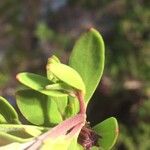
Pemphis acidula
Mentigi
Description
Source: leafsnapPemphis acidula, commonly known as bantigue (pron. bahn-TEE-geh) or mentigi, is a species of flowering plant in the family Lythraceae. It is a mangrove found throughout most of the tropical Indo-Pacific growing on rocky shores. The genus Pemphis, to which it belongs, was until recently thought to have only this single species, first described in 1775 and long considered the type species, but is now believed to have at least one other.
Care Guide
💧 Water
☀️ Light Full sun
Mentigi prefers strong sunlight and develops best under plentiful light. It can tolerate spots with reduced light levels. Its native habitat reflects this, being accustomed to ample daylight. Excessive light does not harm it, but insufficient light can hinder its growth.
What are the sunlight requirements for Mentigi?
Mentigi thrives with significant sunlight exposure, showing optimal growth under abundant illumination. It prefers full sun conditions, defined as over 6 hours of direct sunlight daily, but can also manage in partial sun, receiving about 3-6 hours of sunlight. The plant’s origin in brightly lit habitats indicates its ability to tolerate and even benefit from excessive light, though it is also capable of growing in areas with less light availability. However, insufficient light can hinder the Mentigi's growth progress.
How does artificial lighting support Mentigi's growth indoors?
For Mentigi plants grown indoors, especially in conditions where natural sunlight is insufficient, artificial lighting becomes essential for their growth. These lights can mimic the natural sunlight spectrum, promoting healthier and faster growth. LED lights are recommended for indoor plants because they can provide specific wavelengths needed by plants. The artificial light requirements vary: full sun plants need 30-50W/sq ft, partial sun plants 20-30W/sq ft, and full shade plants 10-20W/sq ft. The light source should be placed 12-36 inches above the plant, and the plants generally need 8-12 hours of light per day to mimic natural daylight conditions effectively.
What symptoms indicate a Mentigi plant is receiving insufficient light?
Mentigi plants exhibit several symptoms when they suffer from insufficient light, including small or lighter-colored new leaves, leggy or sparse growth, faster leaf drop, and a halt in new growth signaling a shift to survival mode. Additionally, conditions like chlorosis, sunscald, leaf curling, wilting, and leaf scorching can occur as a result of excessive sunlight or as reactions to the stress of inappropriate lighting conditions. These symptoms help identify whether the Mentigi is getting too much or too little light, guiding necessary adjustments to its environment.
What are the solutions for Mentigi plants with insufficient sunlight?
To address insufficient sunlight for Mentigi plants, it's recommended to gradually move them to sunnier locations, ensuring they receive at least 6 hours of direct sunlight daily. This can be supplemented with indoor lighting solutions, such as keeping a lamp on for 8 hours or using grow lights, if the plant is not easily movable. Outdoors, the process involves careful transition to brighter spots to prevent sunburn. For plants grounded in less sunny areas, reducing obstructions or transplanting during dormant periods can help in maximizing sunlight exposure. It's key to observe and adjust the light exposure carefully to promote healthy new growth.
🌡️ Temperature 20–37.8°C
Mentigi is a plant native to regions where the temperature typically ranges from 68 to 100 °F (20 to 38 ℃). It prefers temperate climates and should be adjusted as seasons change to ensure the correct temperature.
What is the ideal temperature range for growing Mentigi?
Mentigi thrives in temperatures ranging from 68 to 100 °F (20 to 38 °C). This heat-loving plant prefers temperate climates and requires careful temperature management to align with the seasonal changes. During winter, it's important to maintain the temperature above 20°C and to protect the plant from temperatures nearing 5°C, which can be harmful. If growing Mentigi outdoors, it's advised to bring it inside near a bright window in autumn, keeping it away from direct heat sources to ensure optimal growth.
How does low temperature affect Mentigi and what are the solutions?
Mentigi is susceptible to low temperatures, showing a preference for warmth, with optimal growth above 20°C. Exposure to temperatures below 1°C can result in the lightening of leaves' color, which may turn brown or black following frost damage, accompanied by wilting and drooping. To address frost damage, trim off the affected parts and move the plant to a warm location indoors, preferably near a south-facing window for ample sunlight. It's important to avoid placing it near heaters or air conditioning vents to prevent air dryness.
What steps should be taken if Mentigi is exposed to high temperatures?
During the summer, it's crucial to ensure Mentigi's temperature stays below 38°C to avoid heat stress. Temperatures above 43°C can lighten the leaves' color and increase susceptibility to sunburn. To mitigate damage from high temperatures, trim away sunburned or dried parts and relocate the plant to a shaded area, especially during peak sun hours. It's also advised to water the plant in the morning and evening to maintain soil moisture and help the plant stay hydrated.
💨 Humidity
🪴 Soil 5-7
🌱 Fertilizer
Fertilizing is essential for Mentigi care. Regular feeding during the growing season supplies energy for its showy leaves and supports overall growth. Failing to fertilize can lead to unhealthy leaves, reduced ornamental value, and stunted or weak growth that is prone to breakage.
🪴 Pot & Repot 2-3 years
Repot the mint plant every 2-3 years in the spring, using a pot that is only slightly larger than the previous one. Ensure it receives bright, indirect light, and be careful not to overwater after repotting, as this aids in optimal recovery. Thanks to its resilient nature, the mint plant requires minimal extra care after being transplanted.
✂️ Pruning
Mentigi benefits from regular pruning during its dormant season, which lasts from early to late winter. The primary goal of pruning is to remove dead or overcrowded branches, improving airflow and overall plant health. This practice not only stimulates growth but also reduces the risk of disease and maintains the plant's aesthetic appeal, all supported by established horticultural techniques.
🌿 Propagating
🐛 Diseases & pets
☠️ Toxicity
Characteristics
- Plant Type
- Tree, Shrub
- Life Cycle
- Perennial
- Genus
- Pemphis
- Family
- Lythraceae
- Hardiness Zone
- 10-11
- Mature Height
- 0.91 m to 10.97 m
- Mature Spread
- 0.91 m to 2.13 m
- Leaf Color
- Green, Dark Green
- Leaf Type
- Evergreen
- Flower Color
- White
- Flower Size
- 1.02 cm
- Bloom Time
- All year round
- Planting Time
- Spring, Autumn
- Harvest Time
- All year round
- Native Area
- Sri Lanka, Somalia, India, Malaysia, Vanuatu, Philippines, Madagascar, Fiji, Tanzania, China, Indonesia, Vietnam, Mozambique, Myanmar, Japan, Singapore, Thailand