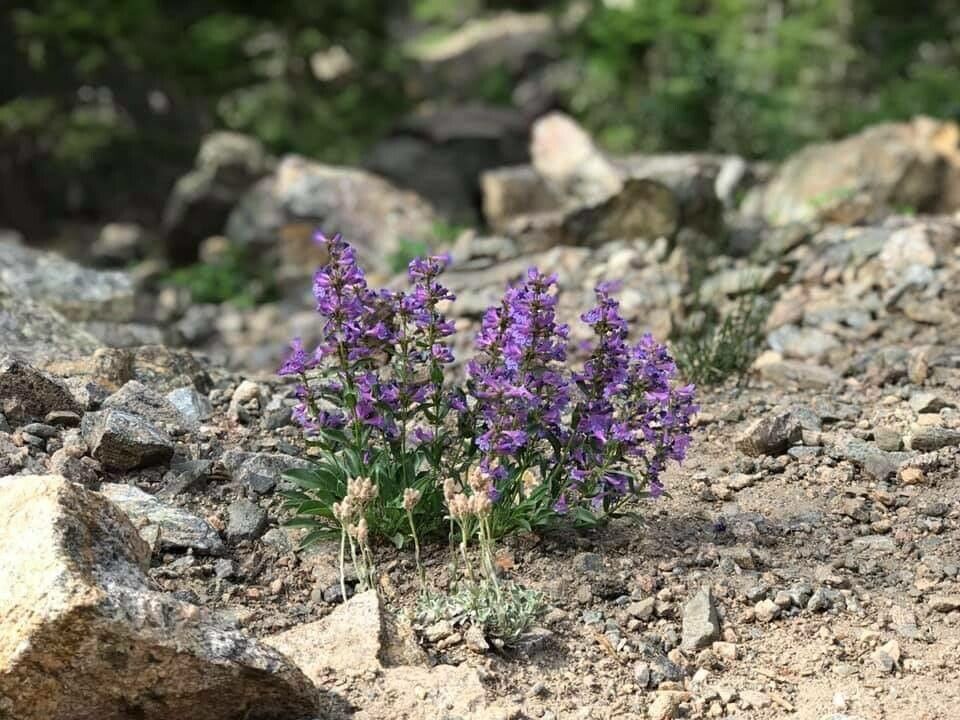
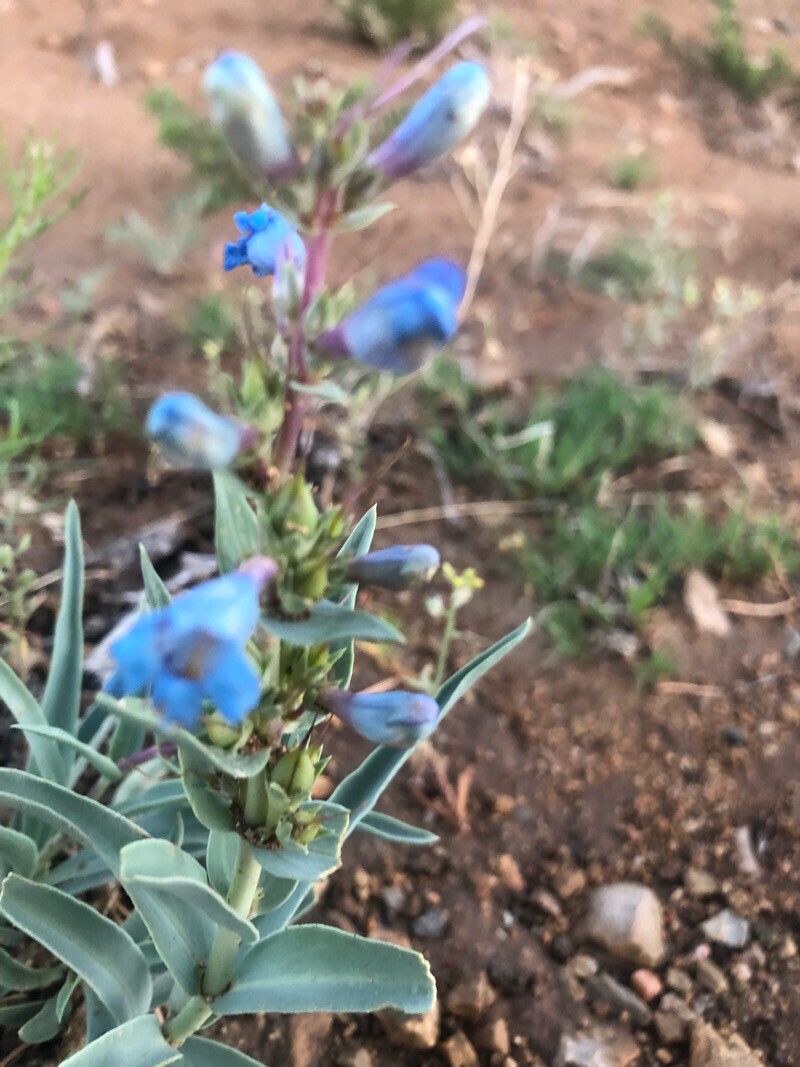
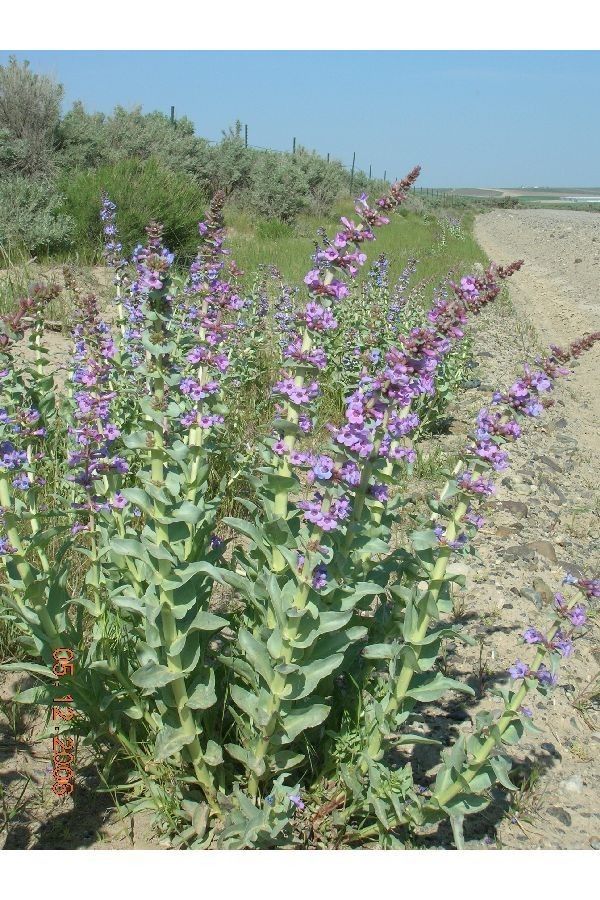
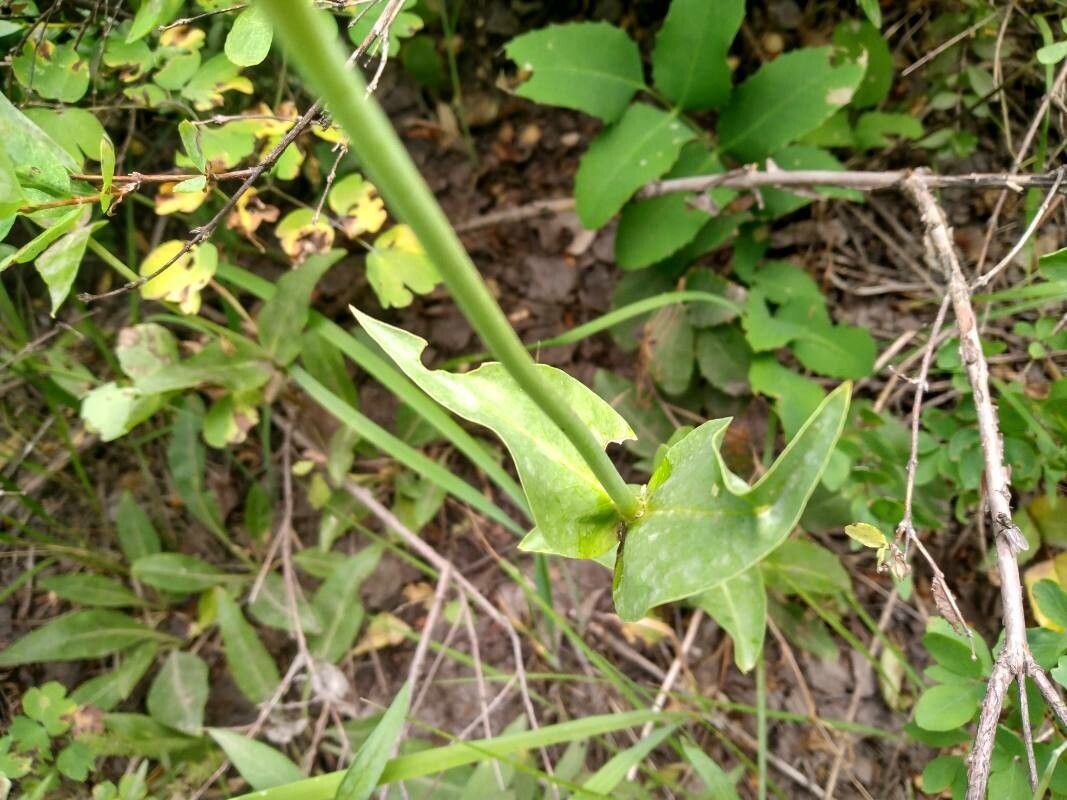
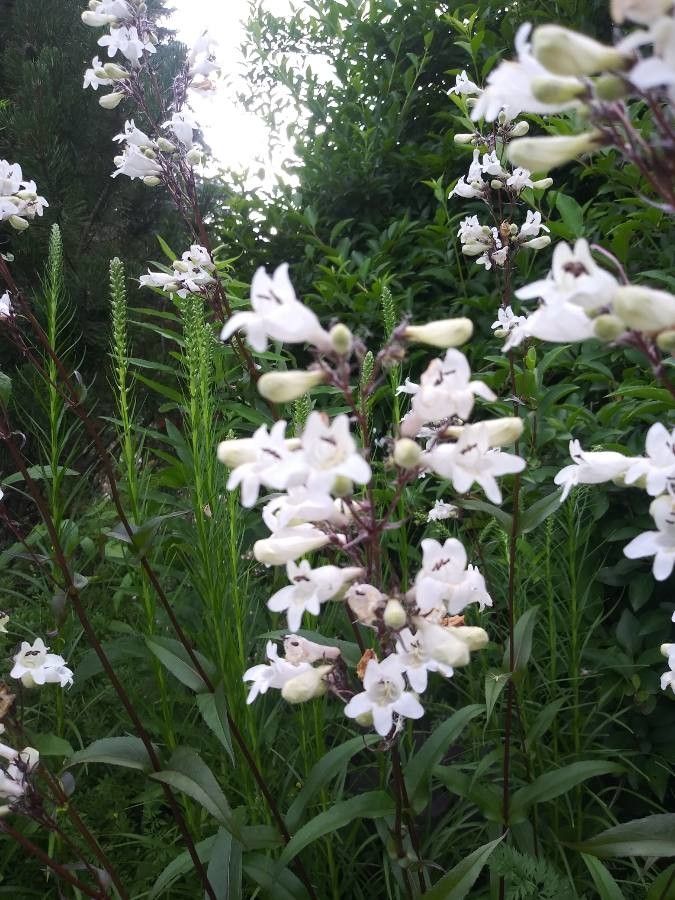
Penstemon angustifolius is a species of flowering plant in the plantain family known by the common names broadbeard beardtongue and narrowleaf beardtongue. It is native to the west-central United States, including the Great Plains.This species is a perennial herb with thick, waxy, gray-green stems growing up to 24 inches tall. The flowers come in shades of pink and purple. The flowers attract hummingbirds.This species grows on grasslands and in sandy habitat types, such as dunes. It is drought-tolerant.This plant can be used in landscaping and as a garden plant in xeriscaping situations.The Lakota people used the flowers to make blue dye for painting moccasins.
Broadbeard beardtongue is fairly disease-resistant and is typically not prone to illnesses. However, it can be affected by pests and diseases present in its surroundings. Such infections are generally mild. The plant requires moderate maintenance. Regular pruning is necessary to maintain a neat appearance and support healthy growth. Applying fertilizer can also help encourage flowering. Broadbeard beardtongue is suitable for anyone with an outdoor space, such as a garden or patio, and does not demand extensive care experience. When grown indoors, however, it may require more attention.
How to keep Penstemon Angustifolius.
Light
Broadbeard beardtongue is a sun-loving, herbaceous perennial native to open habitats and is commonly found in meadows and grasslands. It prefers full sun but can also tolerate partial sun.
Water
Broadbeard beardtongue is well-suited to dry areas with little moisture, as it has excellent drought tolerance. When cultivating this plant, it needs to be watered weekly, particularly in arid climates. To prevent root rot, ensure the soil has good drainage during its growing season so that excess water can escape.
Temperature
Broadbeard beardtongue can adjust to a wide range of temperature conditions, but its distribution may still be restricted by various combinations of moisture and heat. It grows best in warm summer climates with sufficient rainfall or watering. Extended periods of cloudy, rainy weather or prolonged high temperatures increase the risk of the plant dying. In winter, providing proper protection from cold can improve its survival rate.
Fertilizer
The best time to fertilize a Broadbeard beardtongue is in early spring, as it comes out of dormancy and begins active growth. Fertilizing supplies essential nutrients for healthy development. Although Broadbeard beardtongue has relatively low fertilizer requirements, giving it fertilizer once a year can improve its survival and encourage better, longer-lasting blooms.
Pruning
Broadbeard beardtongue is a plant known for its tubular flowers and narrow leaves. It thrives when properly pruned from early to late spring. To encourage bushier growth and rejuvenate the plant, remove dead stems and cut it back after flowering. Be sure to clean your tools to prevent the spread of disease, which will also improve air circulation and enhance the plant's overall vigor.
Pot & Repot
Broadbeard beardtongue needs excellent drainage in pots to thrive, allowing for proper aeration and water management.
Botanical profile.
- Plant Type
- Herb, Shrub
- Life Cycle
- Perennial
- Genus
- Penstemon
- Family
- Plantaginaceae
- Hardiness Zone
- 4-8
- Mature Height
- 0 cm to 30 cm
- Mature Spread
- 20 cm to 30 cm
- Leaf Color
- Green
- Leaf Type
- Semi-evergreen
- Flower Color
- Lavender
- Flower Size
- 2.03 cm to 3.05 cm
- Bloom Time
- Mid spring, Late spring, Early summer
- Planting Time
- Spring, Summer, Autumn
- Harvest Time
- Mid summer, Late summer, Early fall
Other names.
Reader questions.
What are the sunlight requirements for Broadbeard beardtongue?
Broadbeard beardtongue, scientifically known as Penstemon angustifolius, flourishes under full sun conditions, requiring more than 6 hours of sunlight daily. However, it can also tolerate partial sun, which means about 3-6 hours of sunlight. It's important to observe the sunlight patterns through your garden to ensure that you're planting Broadbeard beardtongue in a location that meets its light requirements, balancing both light and shade optimally for the plant's health.
What is Broadbeard beardtongue?
Broadbeard beardtongue, with its botanical name Penstemon angustifolius, is a plant species known for its distinctive characteristics. There are no details provided regarding its essentials such as cultivation tips, general appearance, or special requirements, nor are there specifics about its symptoms or common issues. This entry focuses solely on the naming aspect of the plant.
How does artificial lighting benefit Broadbeard beardtongue when natural sunlight is insufficient?
When natural sunlight is not enough, especially during winter or in less sunny spaces, artificial lighting can be crucial for the growth of Broadbeard beardtongue. Artificial lights, particularly LED lights, are beneficial as they can be tuned to provide specific wavelengths needed by the plant. For plants that thrive in full sun, an intensity of 30-50W per square foot is recommended, whereas partial sun plants need 20-30W per square foot. The artificial light source should be placed 12-36 inches above the plant to mimic natural sunlight and should be on for 8-12 hours a day to substitute the length of natural daylight hours required by Broadbeard beardtongue.
What are the symptoms of light deficiency in Broadbeard beardtongue?
Broadbeard beardtongue displays several symptoms when it suffers from light deficiency, including smaller new leaves, leggy or sparse growth, faster leaf drop, slowed or halted growth, lighter-colored new leaves due to insufficient chlorophyll, and even chlorosis, leading to yellowing leaves. Excessive sunlight exposure can result in sunscald, leaf curling as a defense mechanism, wilting due to water loss, and leaf scorching characterized by brown, dry edges on leaves. These symptoms indicate the plant's struggle with either too much or too little light.
What solutions can be applied for Broadbeard beardtongue facing light-related issues?
For indoor Broadbeard beardtongue plants facing light deficiency, gradually moving them to sunnier locations to ensure at least 6 hours of direct sunlight daily is vital. Using a south-facing window helps maximize sunlight exposure. Artificial lighting, such as desk, ceiling lamps, or professional grow lights, should be considered for at least 8 hours a day, especially for larger or immobile plants. For outdoor plants, adapt them gradually to sunnier spots by moving them weekly to avoid sunburn. Removing obstructions or transplanting smaller plants during their dormant period to locations with more sunlight and good drainage can also be effective strategies to combat light-related issues.