Cardwell's beardtongue is fairly resistant to disease and is generally not prone to illness. Still, it can be vulnerable to pests and diseases present in its environment, though such problems are typically minor. Regarding maintenance, this plant needs a moderate level of care. Regular pruning is necessary to preserve an attractive appearance and support healthy growth. Applying fertilizer can also encourage more abundant flowering. Cardwell's beardtongue is well suited for anyone with outdoor areas like a garden or patio and does not demand extensive gardening experience. It may, however, need more attention when cultivated indoors.
How to keep Penstemon Cardwellii.
Light
Cardwell's beardtongue is a sun-loving perennial herbaceous plant native to open habitats, commonly found in meadows and grasslands. It prefers full sun but can also tolerate partial sun.
Water
Cardwell's beardtongue is well-adapted to dry environments, showing remarkable resistance to drought. For optimal growth, it's best to water it once a week. Usually grown outdoors, this plant thrives during the rainy season, effectively absorbing and storing water.
Fertilizer
The best time to fertilize Cardwell's beardtongue is in early spring, when it is coming out of dormancy and beginning active growth. Fertilizing supplies essential nutrients needed for healthy development. Although Cardwell's beardtongue has fairly low fertilizer requirements, applying fertilizer once a year can improve its survival and encourage better, longer-lasting flowers.
Pruning
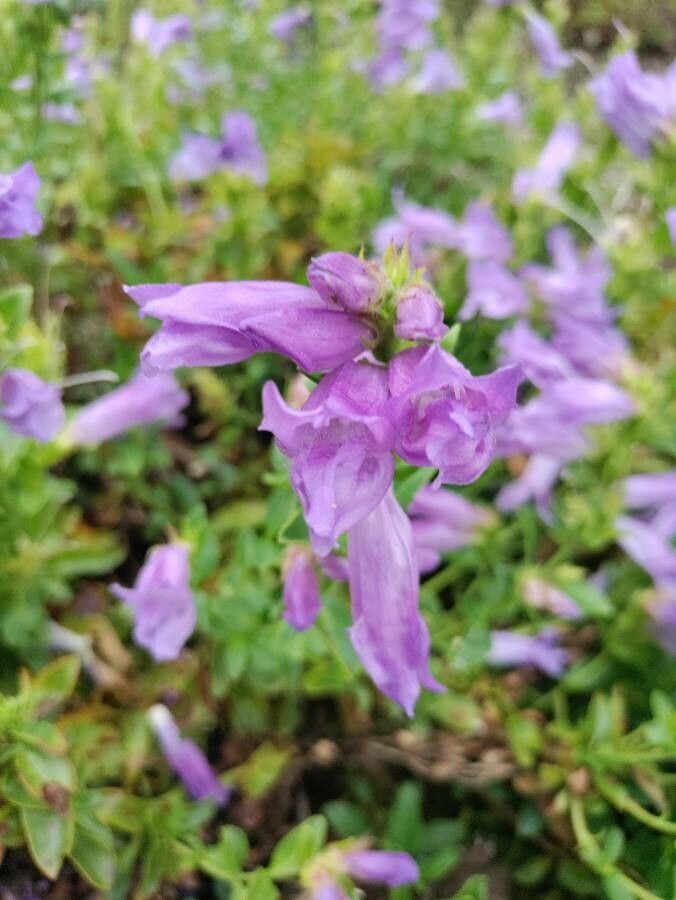
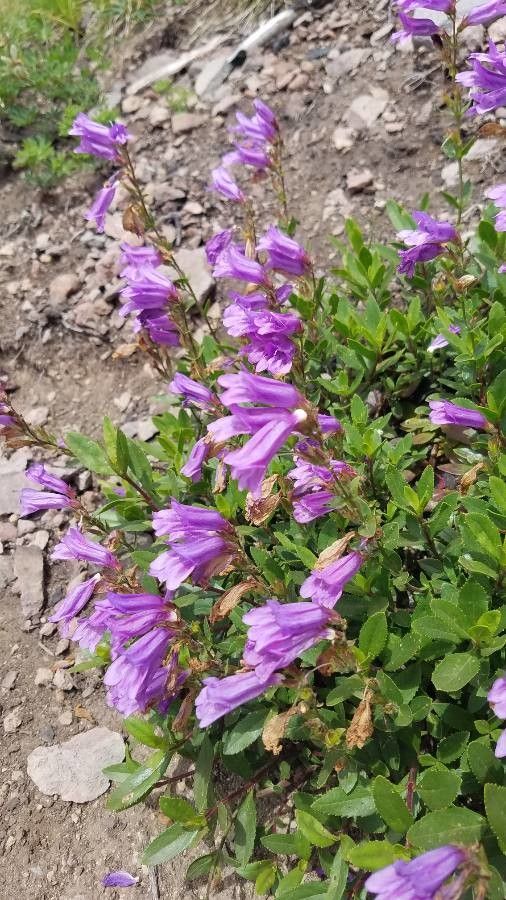
Cardwell's beardtongue showcases vibrant tubular flowers and greatly benefits from proper pruning. The key practices include removing dead stems in early spring and lightly trimming the plant after it blooms. Regular deadheading also encourages longer flowering periods. Effective pruning enhances the plant's health, prevents legginess, and improves its overall appearance.
Pot & Repot
To promote healthy growth and prevent root rot in Cardwell's beardtongue, make sure the pots have excellent drainage.
Botanical profile.
- Plant Type
- Herb, Shrub
- Life Cycle
- Perennial
- Genus
- Penstemon
- Family
- Plantaginaceae
- Hardiness Zone
- 4-8
- Mature Height
- 30 cm
- Mature Spread
- 30 cm to 61 cm
- Leaf Color
- Dark Green
- Leaf Type
- Deciduous
- Flower Color
- Purple, Lavender
- Flower Size
- 2.03 cm to 3.05 cm
- Bloom Time
- Mid spring, Late spring, Early summer
- Planting Time
- Spring
- Harvest Time
- Mid summer, Late summer, Early fall
Other names.
Reader questions.
How much sunlight does Cardwell's beardtongue require?
Cardwell's beardtongue, also known as Penstemon cardwellii, thrives in varying amounts of sunlight depending on the specific needs. For full sun exposure, it requires above 6 hours of sunlight daily. If you're considering a location with partial sun, it should receive about 3 to 6 hours of sunlight each day. It's important to observe the way sunlight moves through your garden, to find locations that offer an optimal balance of light and shade, ensuring the best growth and health of your plants.
What is Cardwell's beardtongue?
Cardwell's beardtongue, scientifically known as Penstemon cardwellii, is a plant species. Unfortunately, there's no additional information provided about its essentials or symptoms.