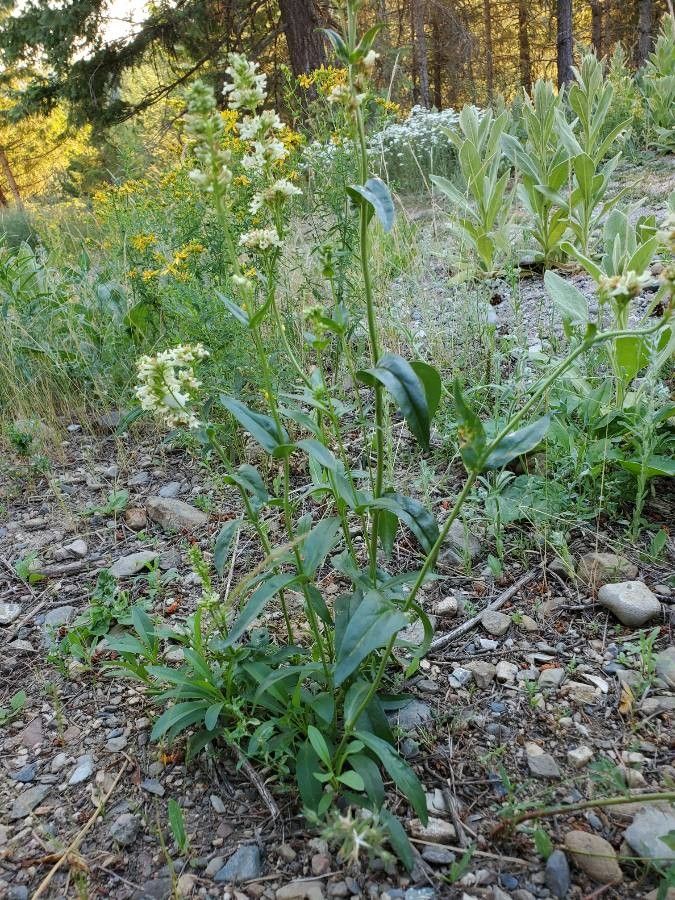
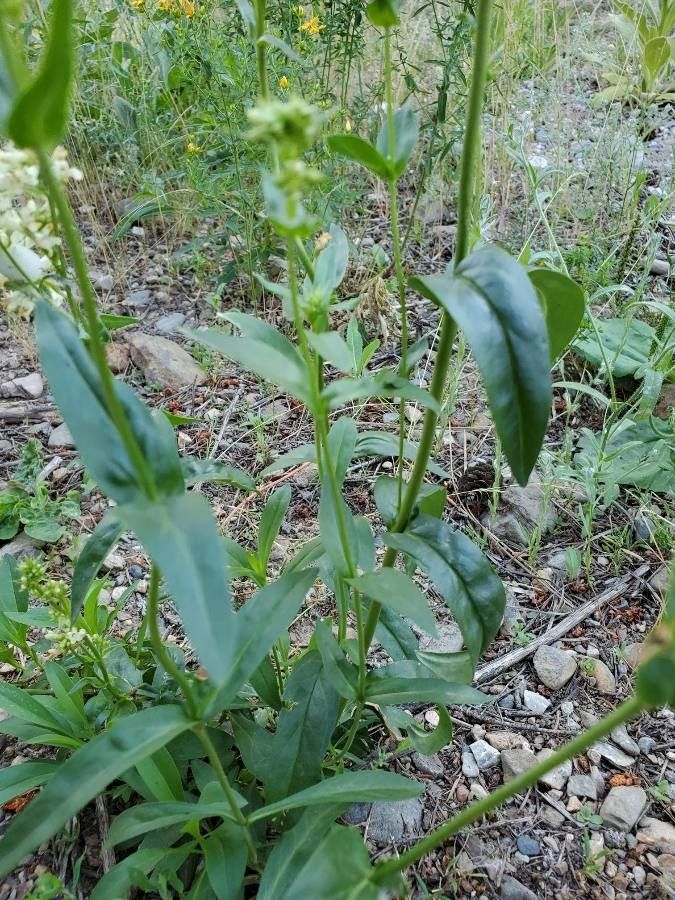
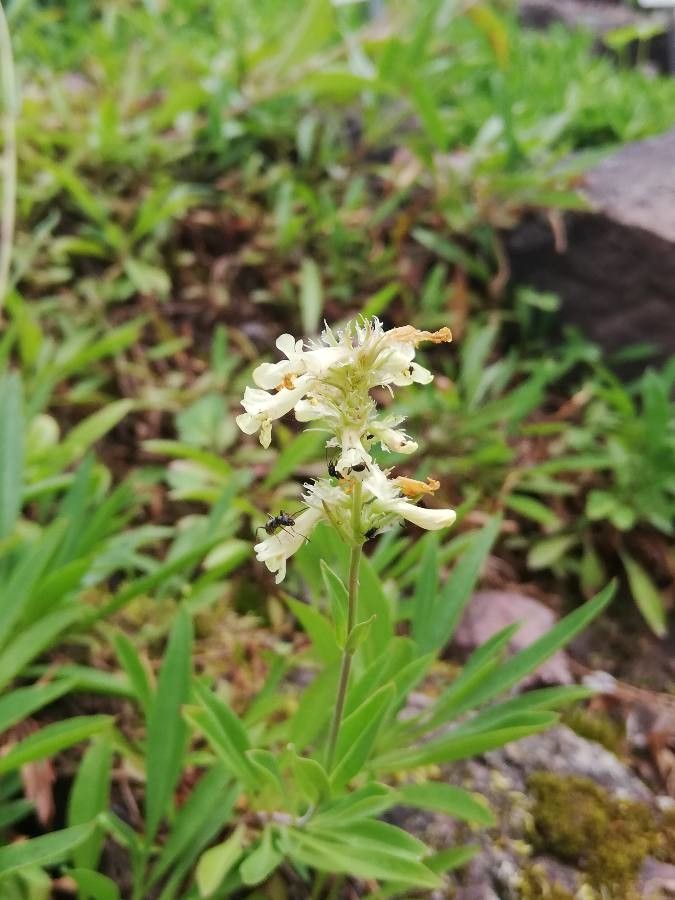
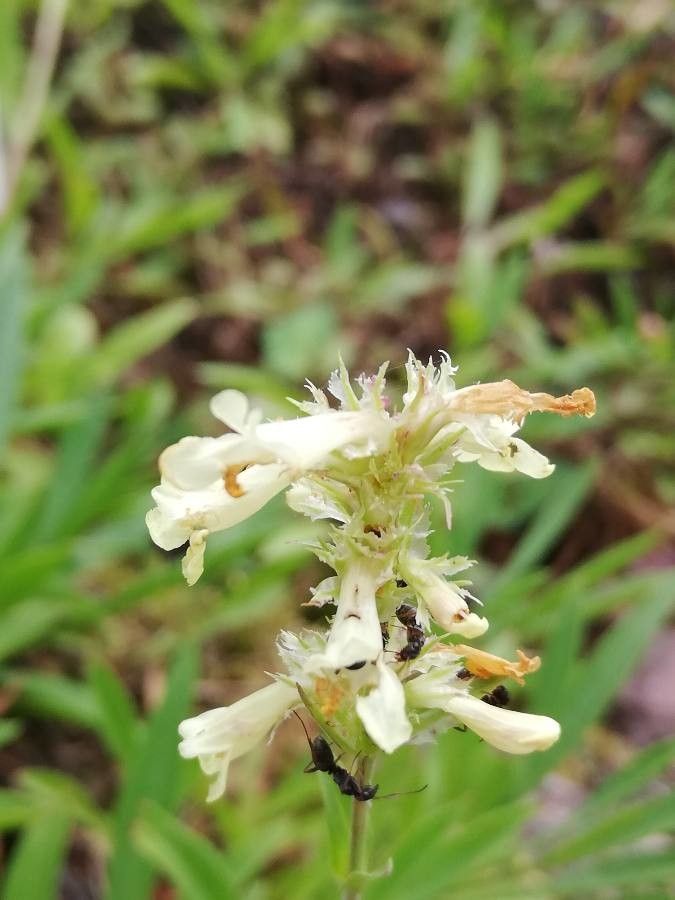
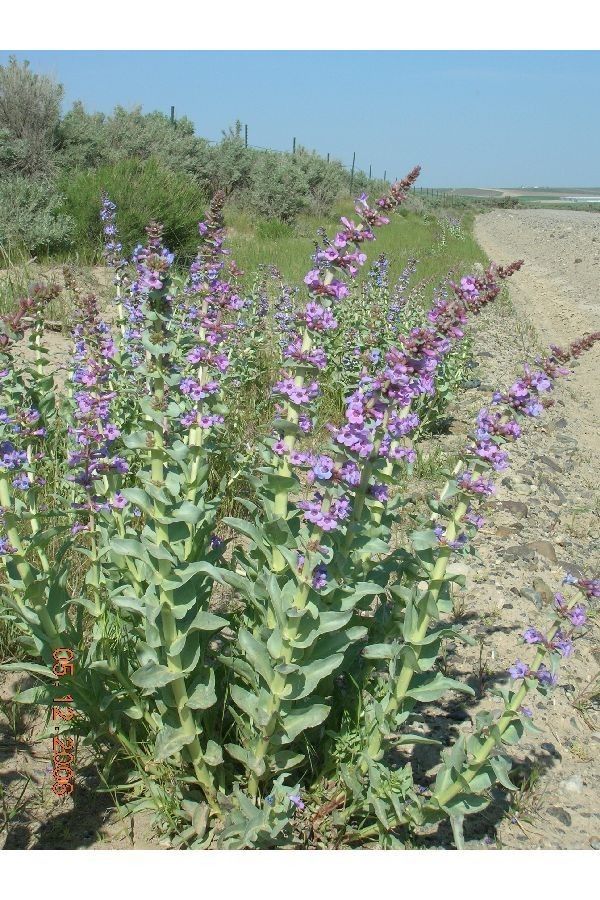
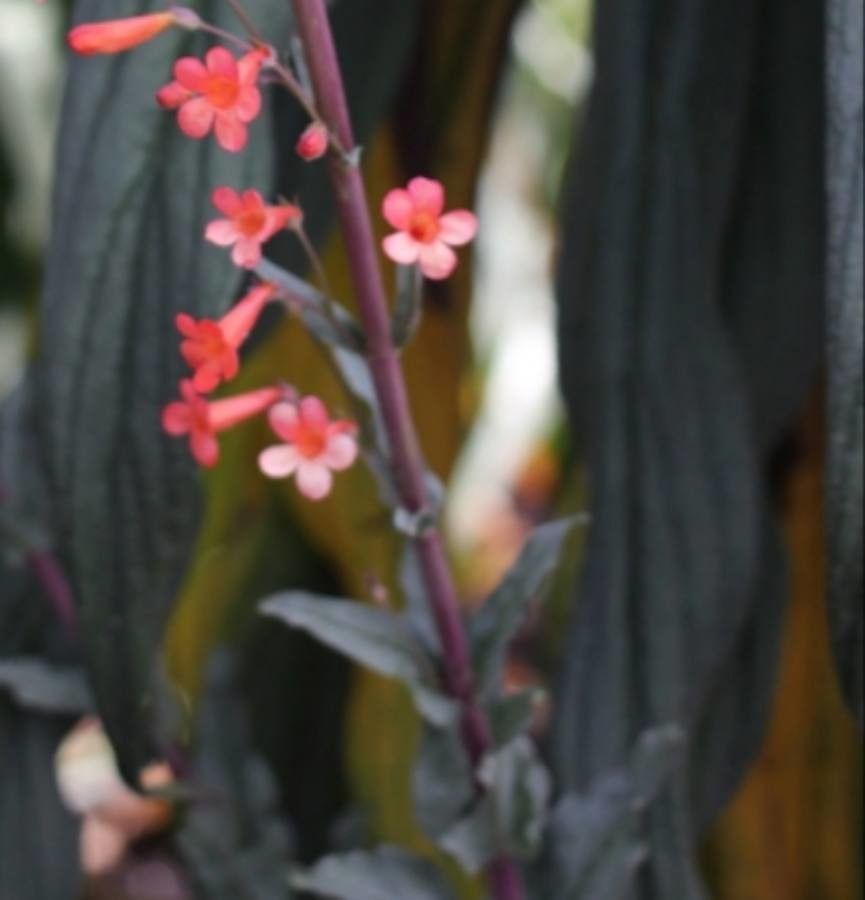
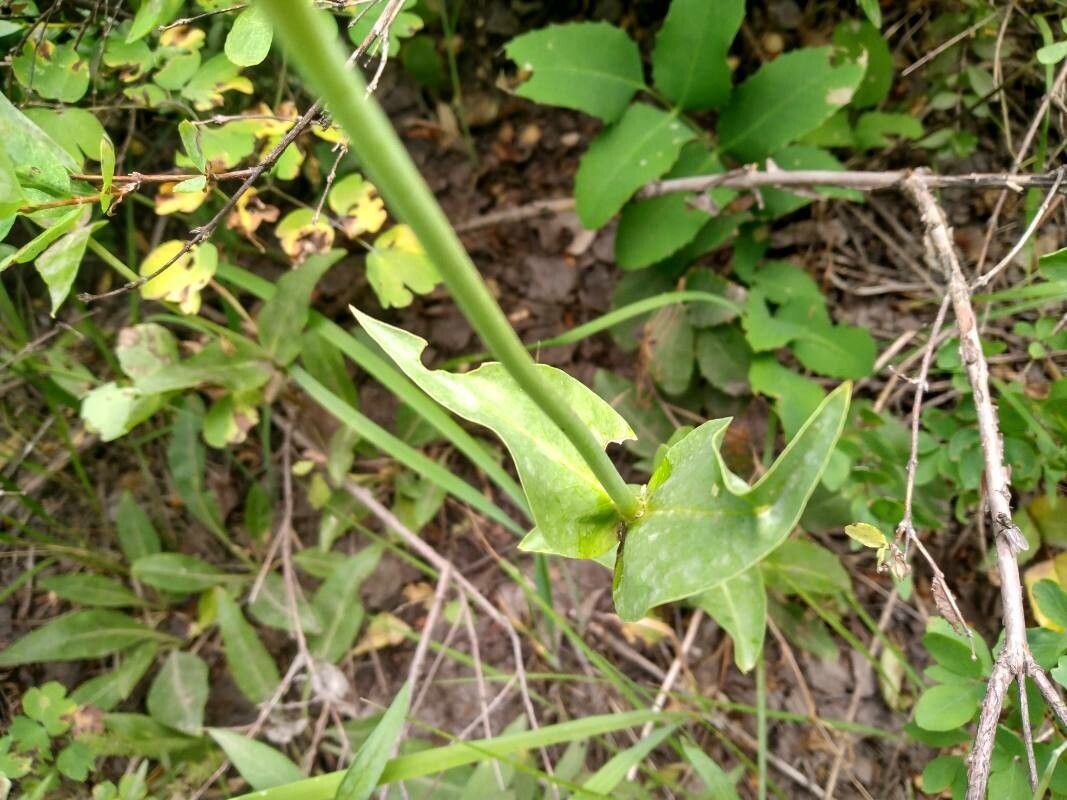
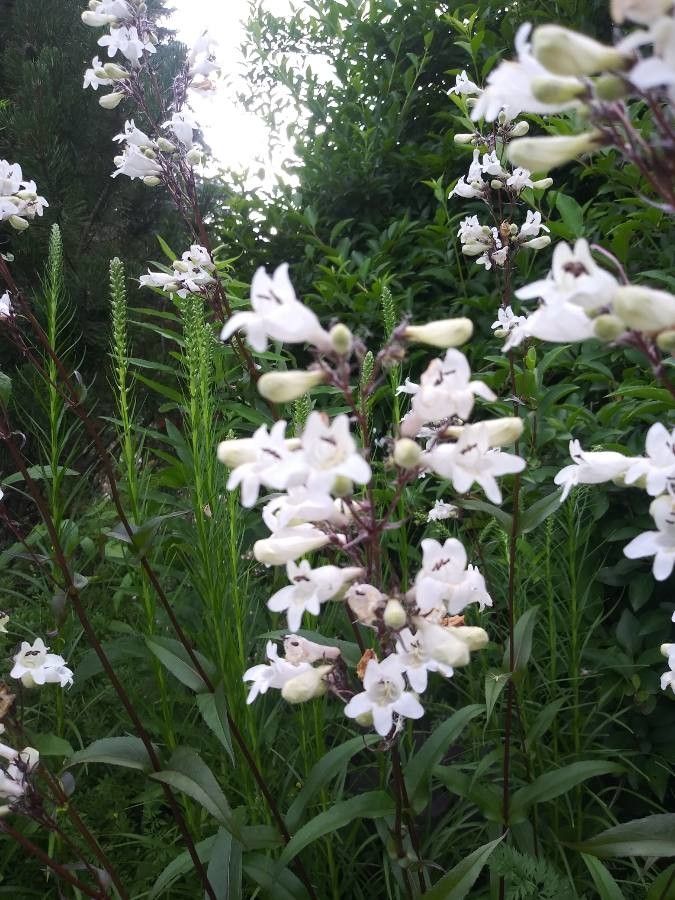
Penstemon confertus is a species of flowering plant in the plantain family; its common name is the Yellow beardtoungue. It is native to the US states of Washington, Idaho, and Montana, and the Canadian provinces British Columbia and Alberta.
Yellow beardtongue is fairly resistant to disease and typically does not suffer from many illnesses. Still, it can be affected by local pests and diseases, though such problems are generally mild. Regarding care, the plant is moderately demanding. It should be trimmed regularly to preserve its appearance and encourage healthy growth. Applying fertilizer can also help increase flowering. Yellow beardtongue works well for anyone with outdoor areas like a garden or patio and does not need extensive gardening experience. It may need extra attention if kept indoors.
How to keep Penstemon Confertus.
Light
Yellow beardtongue is a sun-loving, perennial herbaceous plant native to open habitats and commonly found thriving in meadows and grasslands. It prefers full sun but can also tolerate partial sun.
Water
Yellow beardtongue, native to dry and rocky regions, is a drought-tolerant plant that requires weekly watering to remain healthy. It thrives in temperate zones, benefiting from a balance of sunlight and moderate moisture, which encourages abundant flowering during the growing season.
Temperature
Yellow beardtongue can tolerate a wide range of temperatures, but its range may still be constrained by different combinations of moisture and heat. It does best in warm summer climates with sufficient rainfall or irrigation. Extended periods of cloudy, rainy weather, as well as prolonged high heat, can raise the risk of Yellow beardtongue dying. In winter, proper protection against cold temperatures can boost the plant’s chances of survival.
Fertilizer
The best time to fertilize Yellow beardtongue is in early spring, as it breaks dormancy and starts active growth. Fertilization supplies essential nutrients for healthy development. Although Yellow beardtongue has fairly low fertilizer requirements, applying fertilizer annually can improve its survival and encourage better, longer-lasting blooms.
Pruning
Yellow beardtongue showcases vibrant yellow blooms and lush foliage, thriving when pruned occasionally from early to late spring. Removing spent flowers and trimming leggy stems encourages bushier growth and enhances the plant's vigor. Always use sharp, sterilized tools to minimize plant stress and promote quick healing.
Pot & Repot
Yellow beardtongue grows best in pots that provide excellent drainage. This prevents root rot and encourages healthy growth.
Botanical profile.
- Plant Type
- Herb, Shrub
- Life Cycle
- Perennial
- Genus
- Penstemon
- Family
- Plantaginaceae
- Hardiness Zone
- 4-8
- Mature Height
- 20 cm to 52 cm
- Mature Spread
- 20 cm to 30 cm
- Leaf Color
- Green
- Leaf Type
- Semi-evergreen
- Flower Size
- 1.02 cm to 1.52 cm
- Bloom Time
- Late spring, Early summer
- Planting Time
- Spring, Summer, Autumn
- Harvest Time
- Mid summer, Late summer
Other names.
Reader questions.
What are the sunlight requirements for Yellow beardtongue (Penstemon confertus)?
Yellow beardtongue (Penstemon confertus) has specific sunlight requirements to thrive. It needs 'Full sun' which means it should receive above 6 hours of sunlight daily. Alternatively, it can also grow under 'Partial sun' conditions, requiring about 3-6 hours of sunlight each day. It's important to observe how sunlight moves through your garden over the day, finding spots that offer a good balance between light and shade. This ensures the plants are happy and healthy.