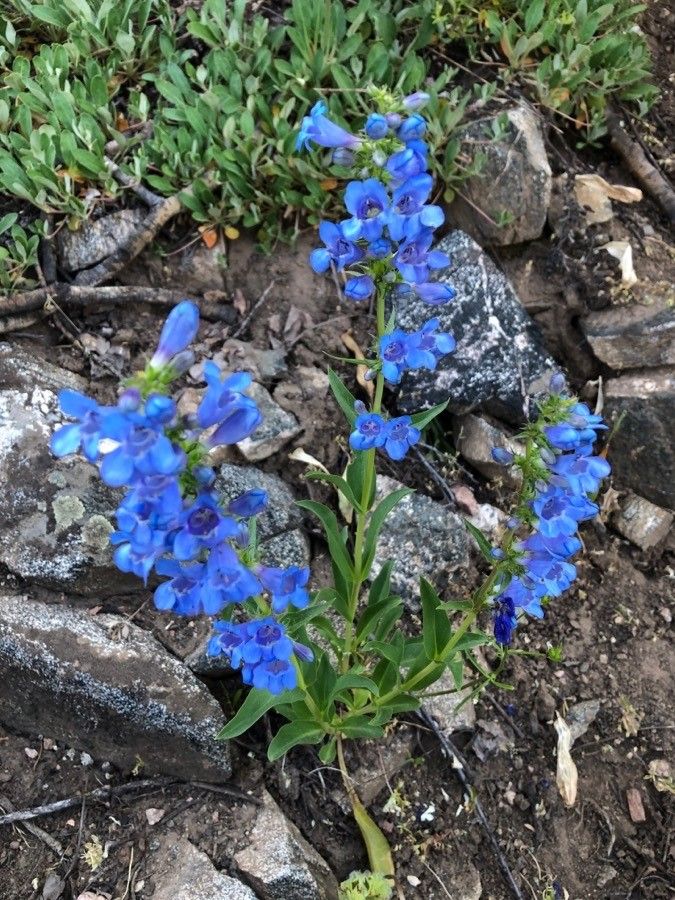
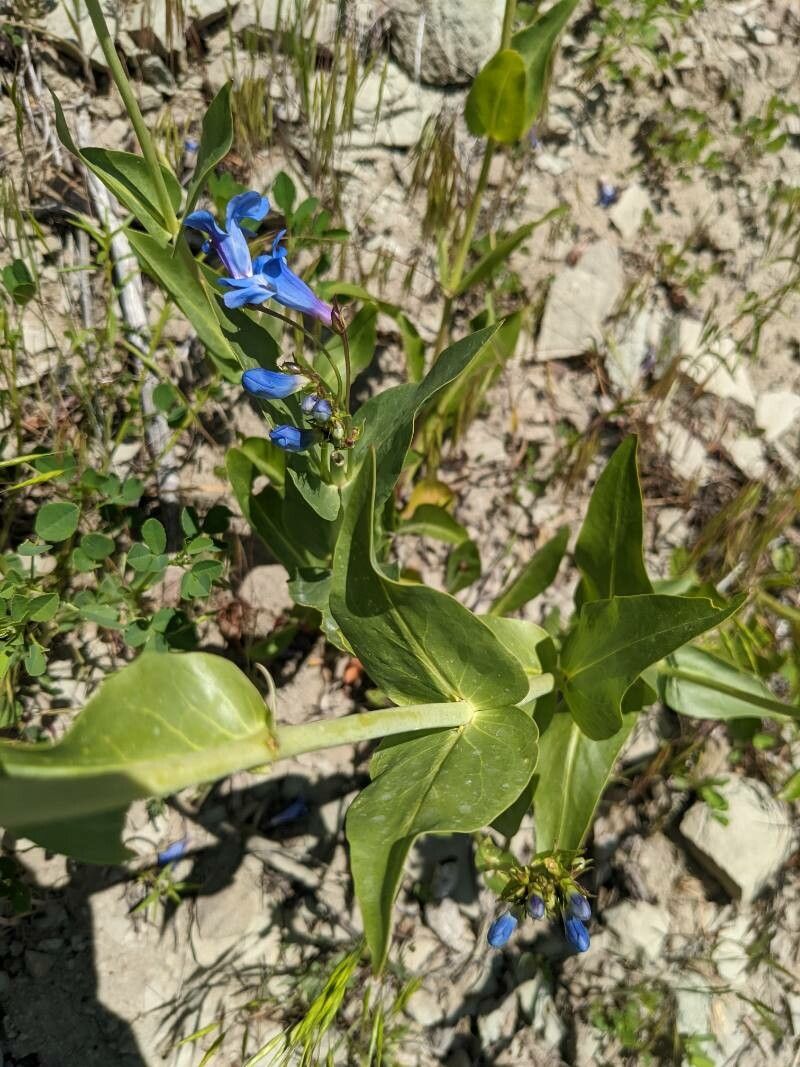
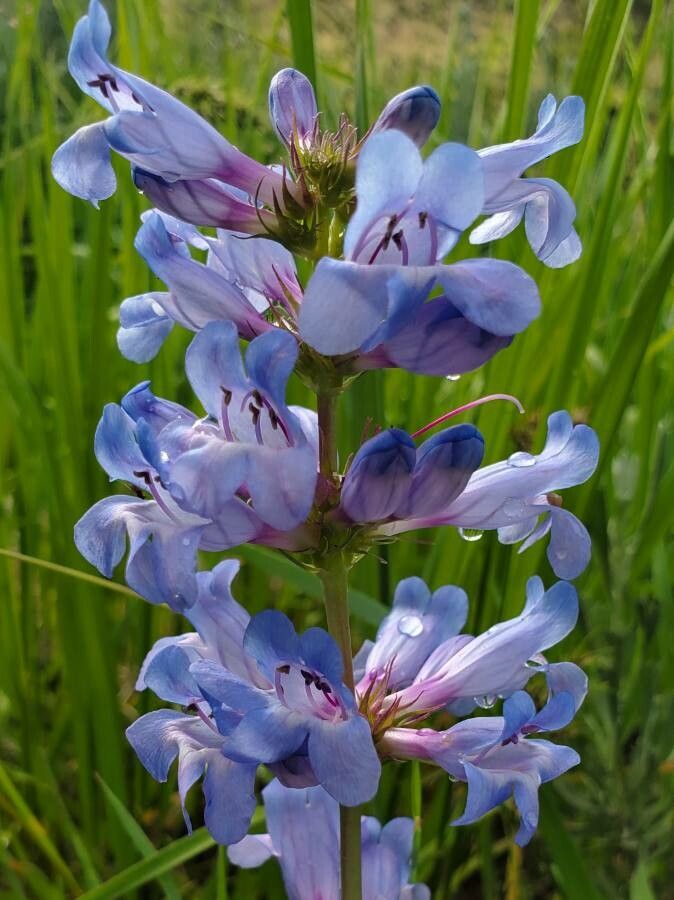
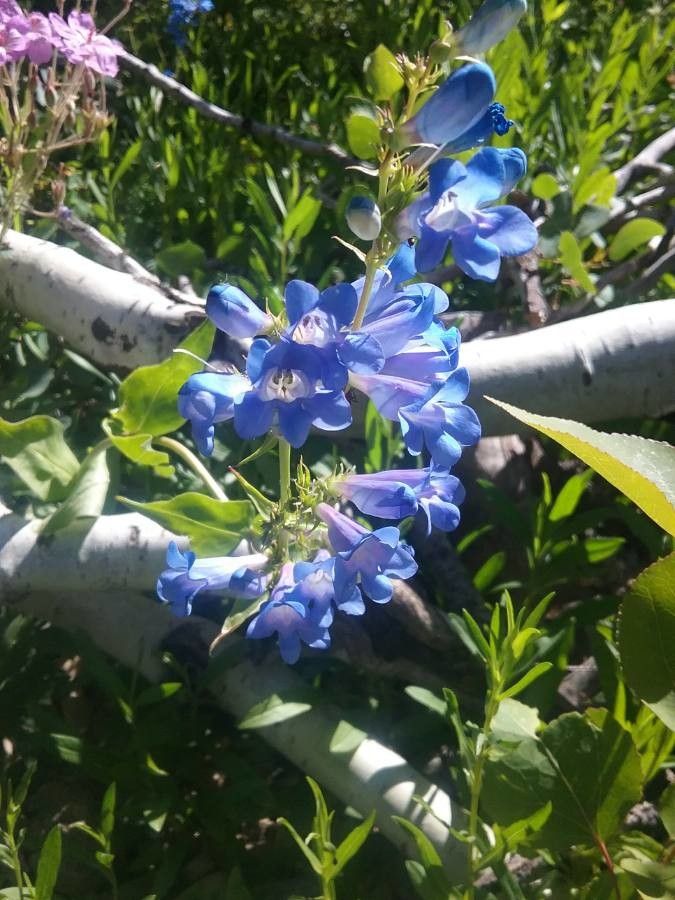
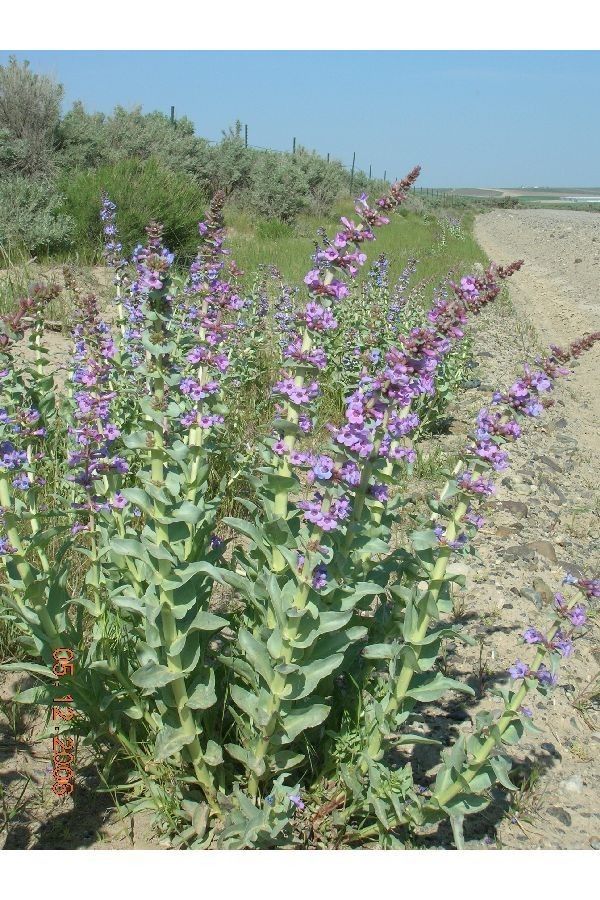
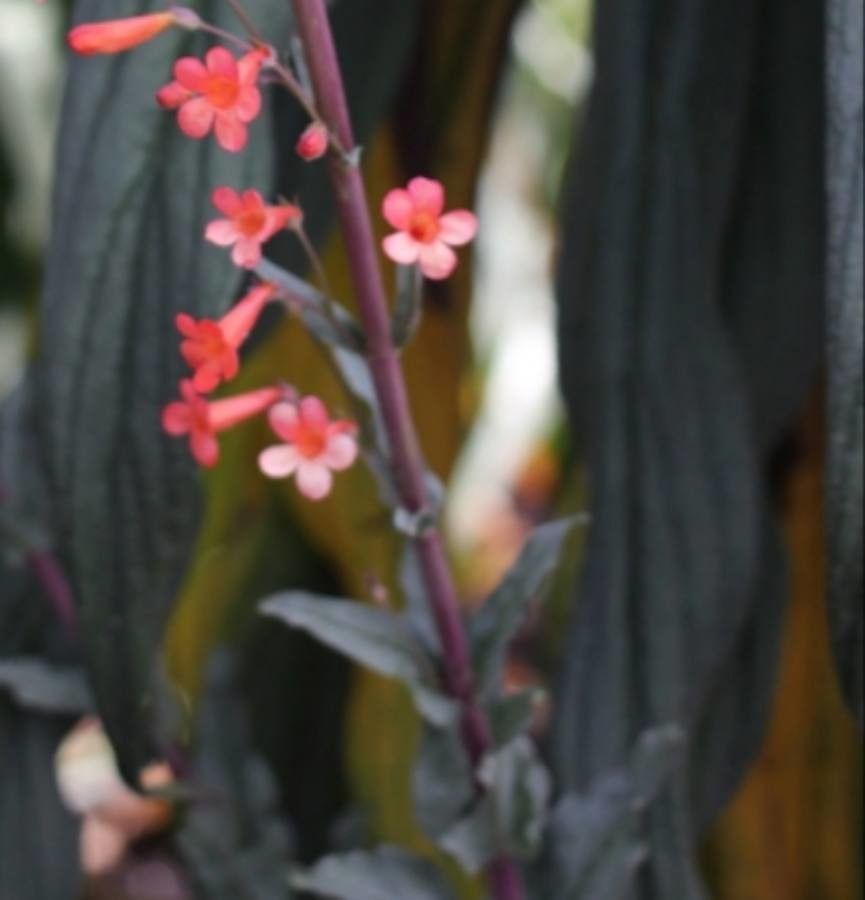
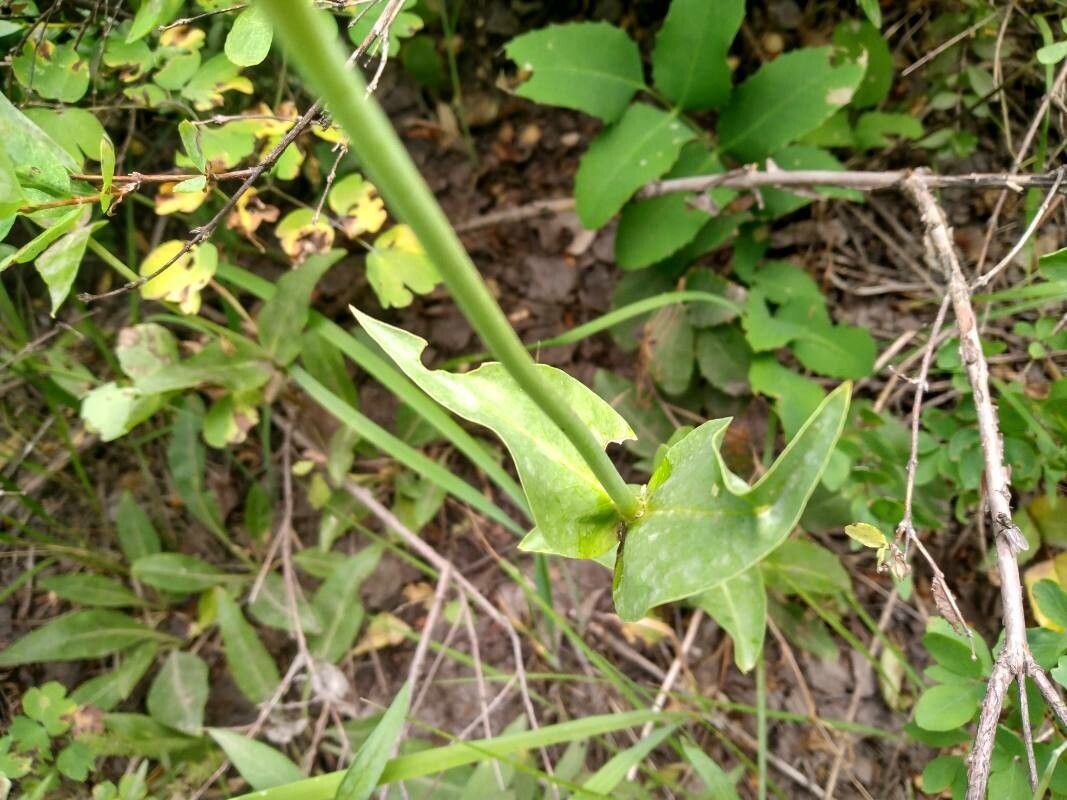
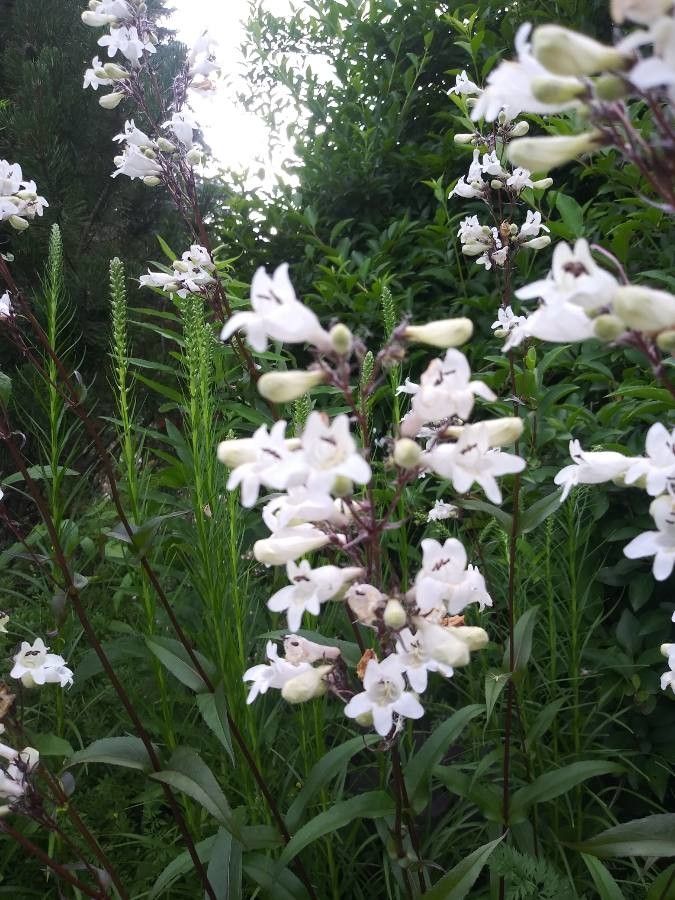
Wasatch Penstemon has strong disease resistance and is generally not prone to illness. Nevertheless, it can be affected by pests or diseases present in its surroundings. Such problems are usually minor. Regarding care, this plant requires moderate maintenance. It should be pruned regularly to retain an attractive appearance and support healthy growth. Fertilizing can also encourage flowering. Wasatch Penstemon is suitable for anyone with outdoor space, such as a garden or patio, and does not demand extensive care experience. It may need more attention when grown indoors.
How to keep Penstemon Cyananthus.
Light
The wasatch Penstemon grows best when it receives plenty of light all day. It copes fairly well with somewhat reduced light, making it adaptable to different light levels. However, too little light can hinder growth, and too much light may damage the plant.
Temperature
Native to environments with temperatures ranging from 32 to 90 °F (0 to 32 ℃), wasatch Penstemon prefers cooler weather. However, it can adapt to warmer temperatures when necessary. In hotter seasons, increasing shade and watering is recommended to maintain its ideal temperature.
Fertilizer
The best time to fertilize a Wasatch Penstemon is in early spring, as it comes out of dormancy and starts active growth. Fertilizing supplies essential nutrients for healthy development. Although the Wasatch Penstemon has modest fertilizer requirements, applying fertilizer once a year can improve its survival and encourage better, longer-lasting flowers.
Pruning
The Wasatch Penstemon, a perennial plant, displays vibrant blue flowers and thrives in well-draining soil. To maintain its health and beauty, prune the plant after the last frost in early to late spring, removing dead stems and spent flower spikes. This limited pruning helps improve air circulation, encourages better flowering, and promotes the overall well-being of the plant, resulting in a robust and blooming specimen.
Pot & Repot
To ensure optimal growth and prevent root rot, Wasatch Penstemon needs excellent drainage when planted in pots.
Botanical profile.
- Plant Type
- Herb
- Life Cycle
- Perennial
- Genus
- Penstemon
- Family
- Plantaginaceae
- Hardiness Zone
- 3-8
- Mature Height
- 30 cm
- Mature Spread
- 20 cm
- Leaf Color
- Green
- Leaf Type
- Semi-evergreen
- Flower Color
- Blue, Purple
- Flower Size
- 2.54 cm
- Bloom Time
- Mid spring, Late spring, Early summer
- Planting Time
- Spring, Summer
- Harvest Time
- Mid summer, Late summer, Early fall
Other names.
Reader questions.
What are the sunlight requirements for Wasatch Penstemon?
Wasatch Penstemon requires full sun, meaning it thrives best in areas that receive more than 6 hours of sunlight per day. It can also grow in partial sun conditions, which implies about 3-6 hours of sunlight daily. It's crucial to observe how sunlight moves through your garden to find spots that provide a balance of light and shade, ensuring the plants' wellbeing.
What are the ideal growing conditions for Wasatch Penstemon?
Wasatch Penstemon, scientifically known as Penstemon cyananthus, thrives in environments where temperatures range between 32 to 90 °F (0 to 32 °C), preferring cooler weather. The plant has a strong resistance to cold and does not usually require special frost protection measures. However, during winter months, it's crucial to ensure that the soil around the plant remains moist going into the first freeze to prevent drought and water scarcity through the colder seasons. In regions experiencing hotter seasons, providing increased shade and water will help maintain the plant's ideal temperature conditions.
What are the essential lighting conditions for Wasatch Penstemon?
The Wasatch Penstemon thrives when exposed to ample light throughout the day and is adaptable to varying degrees of luminosity. However, it's important to note that too little light can impede growth, and too much light can damage the plant. In conditions where natural sunlight is insufficient, artificial lighting, such as LED lights, can be used to provide the necessary wavelengths for optimal growth. The requirements for artificial lighting vary depending on the type of plant, with full sun plants needing 30-50W/sq ft, partial sun plants requiring 20-30W/sq ft, and full shade plants needing 10-20W/sq ft.
How does Wasatch Penstemon react to low temperatures?
Wasatch Penstemon is notably cold-tolerant, best suited to temperatures that remain above 0°C. While it can withstand up to -30°C without notable changes, dropping below -35°C could lead to issues with sprouting in the spring, potentially resulting in reduced or absent sprouting. To mitigate these effects, it's advised to remove any parts of the plant that have failed to sprout as spring arrives.
What symptoms indicate inadequate lighting for Wasatch Penstemon?
Symptoms of inadequate lighting for Wasatch Penstemon include smaller new leaves, leggy or sparse growth, faster leaf drop, delayed or stopped growth, lighter-colored new leaves, as well as conditions like chlorosis, sunscald, leaf curling, wilting, and leaf scorching. These symptoms highlight the plant's struggle with either too little or too much sunlight, affecting its health and growth.
What should be done if Wasatch Penstemon experiences high temperatures?
During the summer, it's essential to keep Wasatch Penstemon in conditions below 32°C. Temperatures exceeding 35°C can cause the plant's leaves to lighten in color, curl, become susceptible to sunburn, and, in severe cases, result in the wilting and drying out of the entire plant. To address this, sunburned and dried-up parts should be trimmed away. Moving the plant to a shaded location, especially from the midday and afternoon sun, or using a shade cloth can provide necessary relief. Additionally, watering the plant in the morning and evening will help maintain moisture in the soil.
How can I address lighting issues for indoor and outdoor Wasatch Penstemon?
For indoor Wasatch Penstemon struggling with inadequate light, gradually moving the plant to a sunnier location or using artificial light sources like grow lights can be beneficial. Ensure it receives at least 6 hours of direct sunlight daily or keep lamps on for at least 8 hours. For outdoor plants, similarly, move them gradually to sunnier spots to avoid sunburn, aiming for a gradual adaptation. It's also suggested to reduce obstructions such as overhanging branches to allow for better sunlight exposure. Remember, plants affected by insufficient light may not fully recover, but new growth should be healthy with improved lighting conditions.