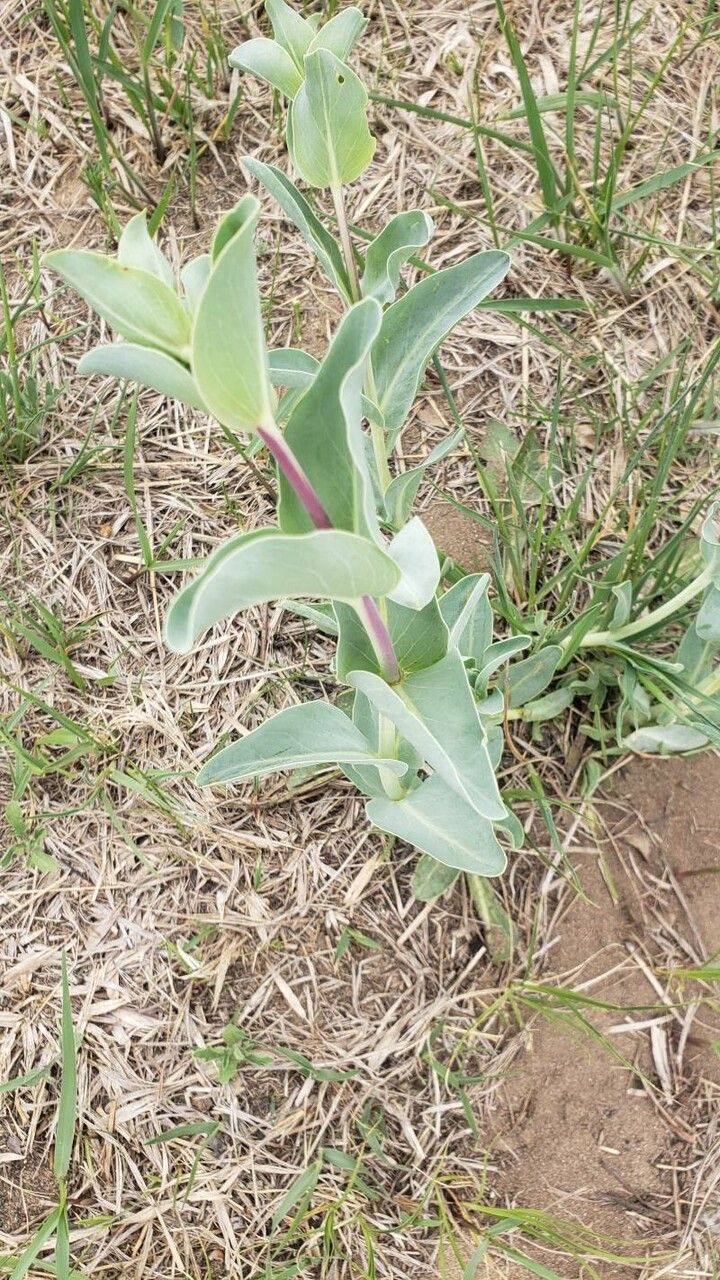
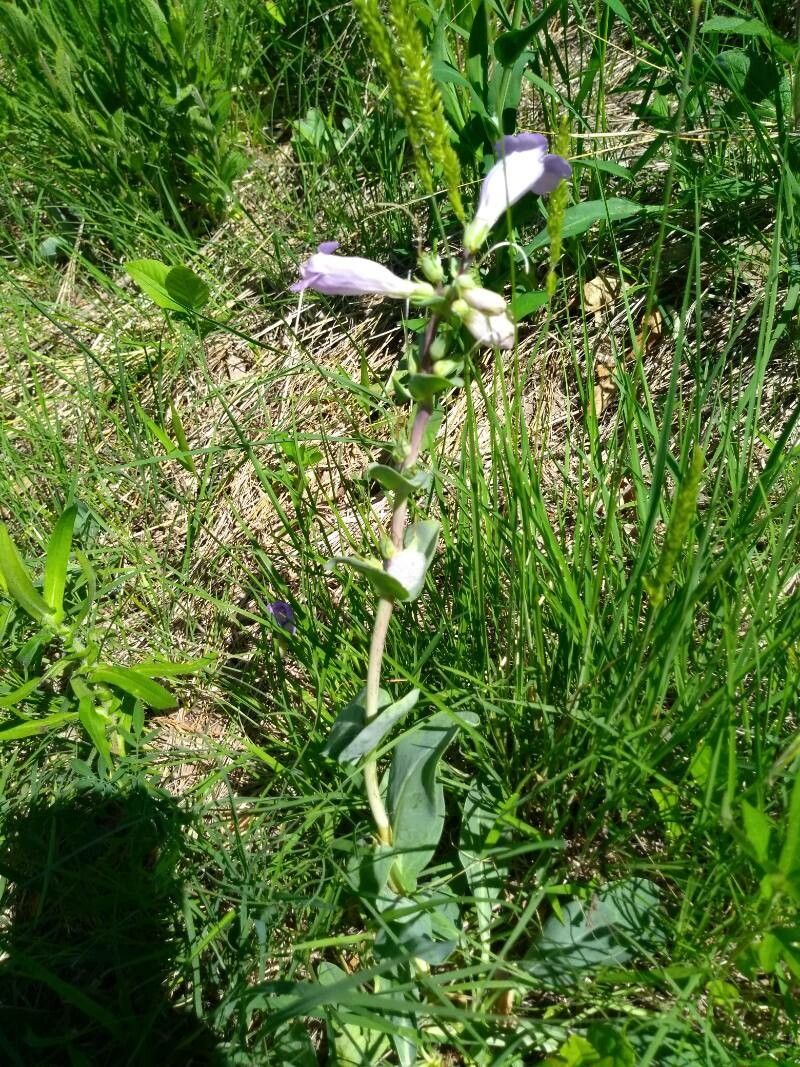
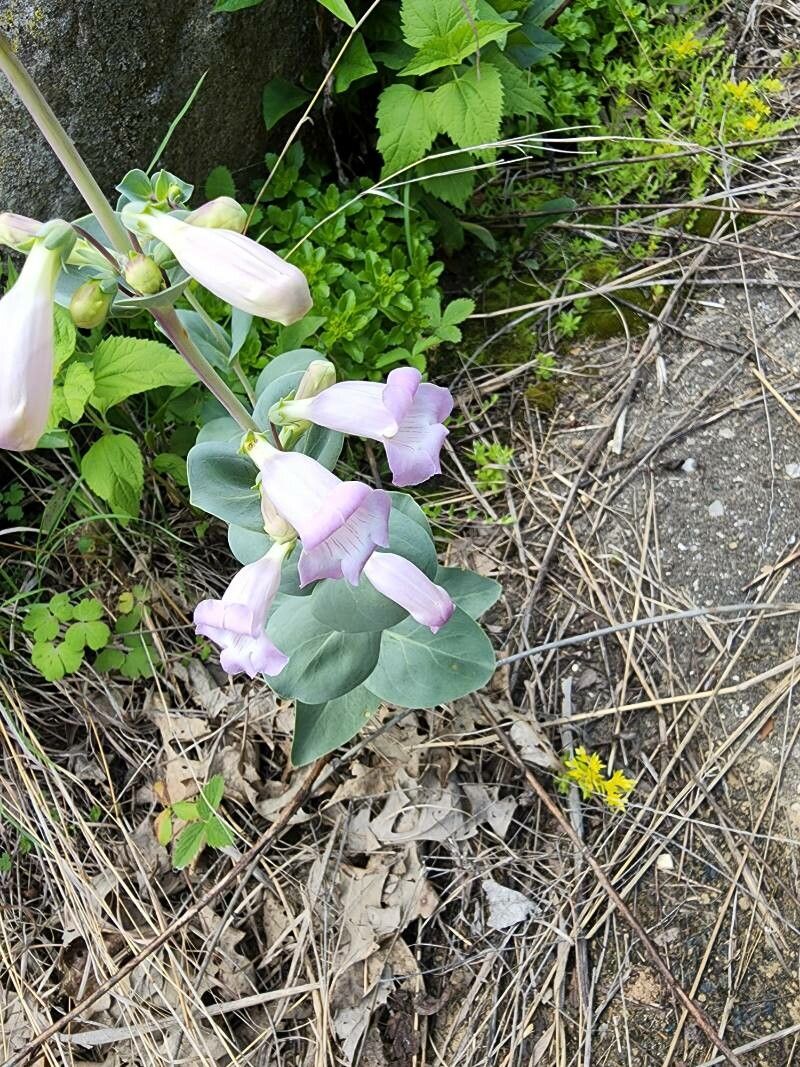
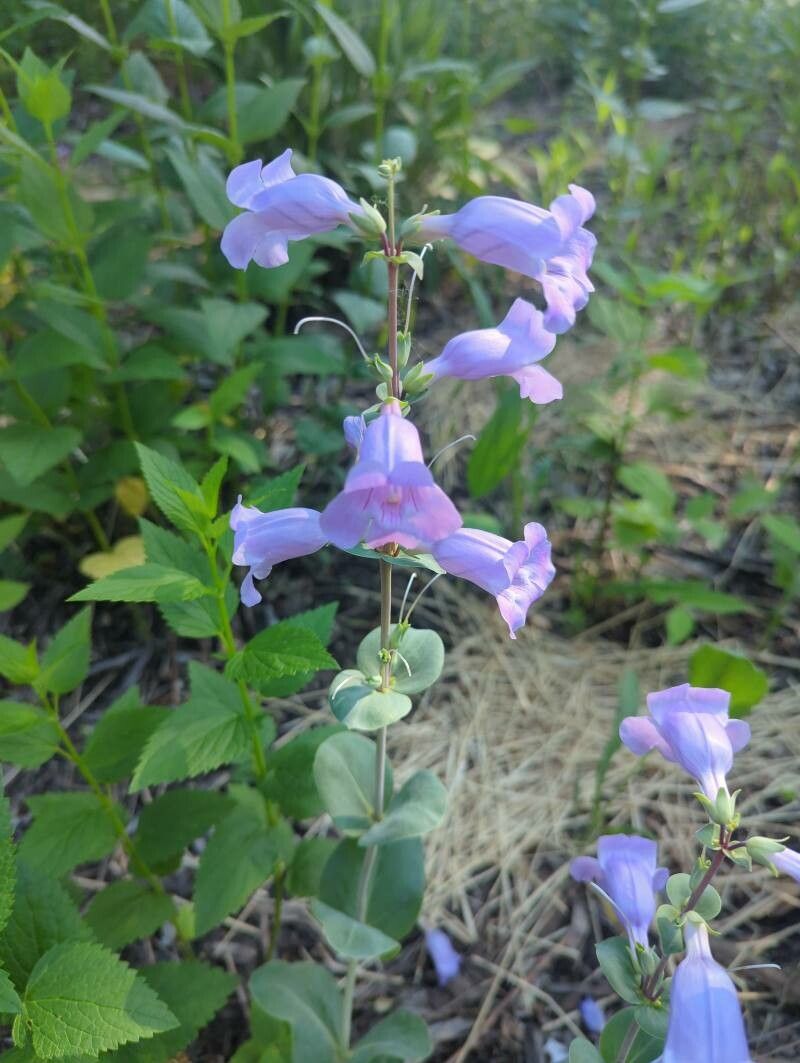
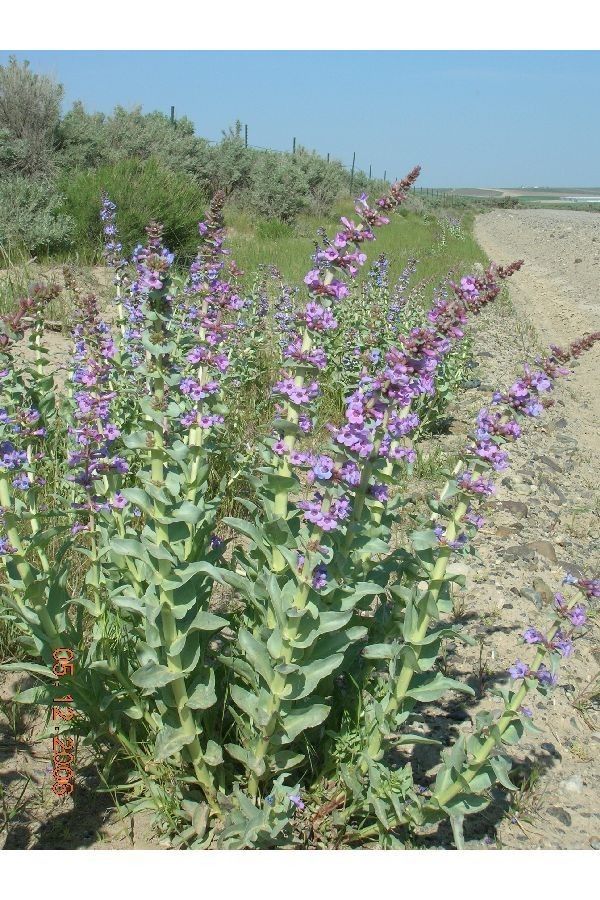
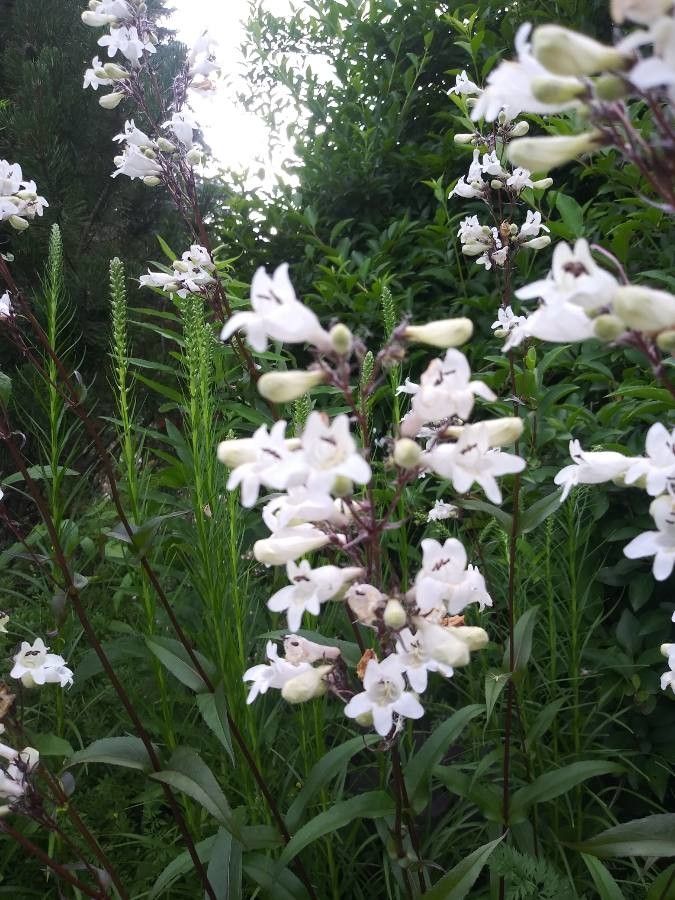
Penstemon grandiflorus, the large-flowered beardtongue or large beardtongue, is a perennial flowering plant endemic to the United States. It is sometimes called Penstemon bradburyi.It is considered Endangered in Illinois.
Large beardtongue is fairly disease-resistant and typically not prone to illnesses. However, it can be affected by pests and diseases present in its environment. Such infections are generally not severe. Regarding care, this plant needs moderate maintenance. It should be pruned regularly to preserve an attractive appearance and encourage healthy growth. Applying fertilizer can also help promote flowering. Large beardtongue is appropriate for anyone with outdoor space, such as a garden or patio, and does not require much care experience. It may need more attention when grown indoors.
How to keep Penstemon Grandiflorus.
Light
The large beardtongue prospers when it gets abundant sunlight throughout the day. It can also adjust to areas where sun exposure is sporadic. Too little or too much sun may stunt its growth, alter the color of its leaves, or even cause its stems to wither. For that reason, it is typically found in habitats with plenty of sunlight.
Water
Large beardtongue thrives in environments with moderate moisture and needs consistent hydration, requiring watering once a week. Although it is a drought-tolerant herbaceous perennial, it grows best outdoors, especially when it can take advantage of seasonal rains during its active growing season.
Temperature
Large beardtongue is native to habitats with a moderate temperature range of 32 to 95 °F (0 to 35 °C). It prefers that same range, and substantial deviations can affect its growth. Seasonal adjustments in temperature care are usually unnecessary.
Fertilizer
The best time to fertilize a Large beardtongue is in early spring, when it is coming out of dormancy and starting active growth. Fertilization supplies essential nutrients for healthy development. Although Large beardtongue has relatively low fertilization requirements, applying fertilizer annually can improve its survival and encourage better, longer-lasting flowers.
Pruning
Large beardtongue benefits greatly from strategic pruning, which should be done from early to late spring. By removing dead stems, you make room for new blooms to flourish. Pinching the young shoots encourages bushy growth, while trimming the plant after it flowers helps maintain its shape. Regular pruning also improves air circulation, reduces the risk of disease, and promotes a vibrant display in your garden.
Pot & Repot
For large beardtongue to thrive in pots, excellent drainage is crucial. This promotes healthy root development and prevents waterlogging. Choosing the right pot and soil composition is essential for optimal growth.
Botanical profile.
- Plant Type
- Herb
- Life Cycle
- Perennial
- Genus
- Penstemon
- Family
- Plantaginaceae
- Hardiness Zone
- 3-9
- Mature Height
- 0.4 m to 1.22 m
- Mature Spread
- 30 cm to 61 cm
- Leaf Color
- Green, Blue
- Leaf Type
- Semi-evergreen
- Flower Color
- Pink, Purple, Blue
- Flower Size
- 2.54 cm
- Bloom Time
- Mid spring, Late spring, Early summer
- Planting Time
- Spring, Summer, Autumn
- Harvest Time
- Mid summer, Late summer, Early fall
Other names.
Reader questions.
What are the sun requirements for Large Beardtongue?
The Large Beardtongue requires full sun exposure, which means it needs above 6 hours of sunlight daily to thrive optimally. It can also tolerate partial sun, getting about 3-6 hours of sunlight. Observing the movement of sunlight through your garden will help you find spots that offer the perfect balance of light and shade, ensuring the plant's health and happiness.
What is the ideal temperature range for large beardtongue?
Large beardtongue, also known by its botanical name Penstemon grandiflorus, thrives in environments with moderate temperatures, favoring a range between 32 to 95 °F (0 to 35 °C). This plant has strong cold resistance, indicating that special frost protection measures are usually not necessary during winter months. However, it is important to provide some form of cold protection if winter temperatures are expected to drop below -35°C, by covering the plant with soil or straw and ensuring the soil is moist before the first freeze of autumn. This preparation helps prevent drought and water scarcity for the plant during winter and early spring.
Can Large Beardtongue adapt to different sun exposures?
Yes, the Large Beardtongue can adapt to varying sun exposures. While it prefers plenty of sunlight throughout the day, it can also grow well in environments where sun exposure is intermittent. An excessive lack or abundance of sunlight might stunt the plant's growth, alter the color of its leaves, or cause the stems to wither. Typically, Large Beardtongue thrives in ecosystems that receive ample sunlight.
How does large beardtongue react to low temperatures?
Large beardtongue is quite cold-tolerant and performs best when the temperature remains above 0°C. If temperatures are kept above -30°C during winter, the plant generally stays healthy. However, if temperatures fall below -35°C, you might not see any noticeable changes during the winter, but come spring, the plant may show reduced sprouting or fail to sprout at all. In such cases, the recommended solution is to remove any parts of the plant that have failed to sprout come spring.
How can indoor plants be maintained with insufficient natural sunlight?
For indoor plants like the Large Beardtongue, when natural sunlight is insufficient, artificial lighting can be a vital solution. It's recommended to opt for LED lights which can provide specific wavelengths needed for plant growth. Full sun plants require 30-50W/sq ft, partial sun plants need 20-30W/sq ft, and full shade plants should have 10-20W/sq ft of artificial light. Position the light source 12-36 inches above the plant and maintain lighting for 8-12 hours per day mimicking natural daylight hours for optimal growth.
What should be done if large beardtongue experiences high temperatures?
During the summer, it's essential to ensure that the temperature surrounding a large beardtongue plant does not exceed 35°C. If temperatures rise above 38°C, the plant's leaves may show signs of stress such as lighter color, curling, susceptibility to sunburn, and in severe cases, the plant may wilt and dry up entirely. To mitigate these effects, trim away any sunburned and dried-up parts of the plant. Also, relocate the plant to a shaded area or employ a shade cloth to protect it from the harsh midday and afternoon sun. Regular watering in the morning and evening will help keep the soil moist and further protect the plant from heat stress.
What are the signs of insufficient light in Large Beardtongue?
Signs of insufficient light in Large Beardtongue include new leaves growing smaller than older ones, a leggy or sparse growth appearance due to increased spacing between leaves or stems, early dropping of older leaves to conserve resources, slowed or halted growth, and lighter-colored or pale new leaves. These symptoms suggest the plant is not receiving enough light to sustain its normal processes.
What are the symptoms of too much sunlight in Large Beardtongue?
Symptoms of excessive sunlight exposure in Large Beardtongue include chlorosis, where leaves lose their green color and turn yellow; sunscald, characterized by pale, bleached, or necrotic patches on leaves or stems; leaf curling as a defense mechanism against sunlight; wilting due to increased water loss through transpiration; and leaf scorching, indicated by brown, dry, and crispy edges or patches on leaves.
How can the lighting issues be remedied for Large Beardtongue?
For indoor Large Beardtongue plants, gradually move them to a sunnier location each week, ensuring at least 6 hours of direct sunlight daily, or use artificial light for at least 8 hours daily if the plant is large or not easily movable. Outdoors, gradually acclimate your plants to the best spot for sunlight to prevent sunburn. For grounded plants, reduce sunlight obstructions by pruning or transplanting to a location with ample sunlight and good drainage. Note, damaged parts of the plant from insufficient light may not recover, but new growth should be healthy with improved light exposure.