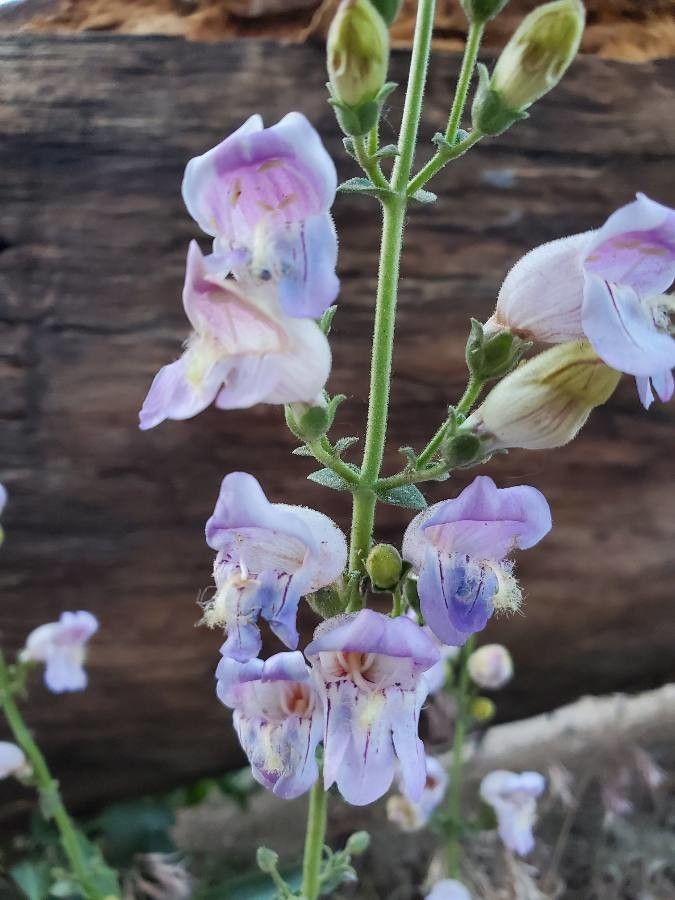
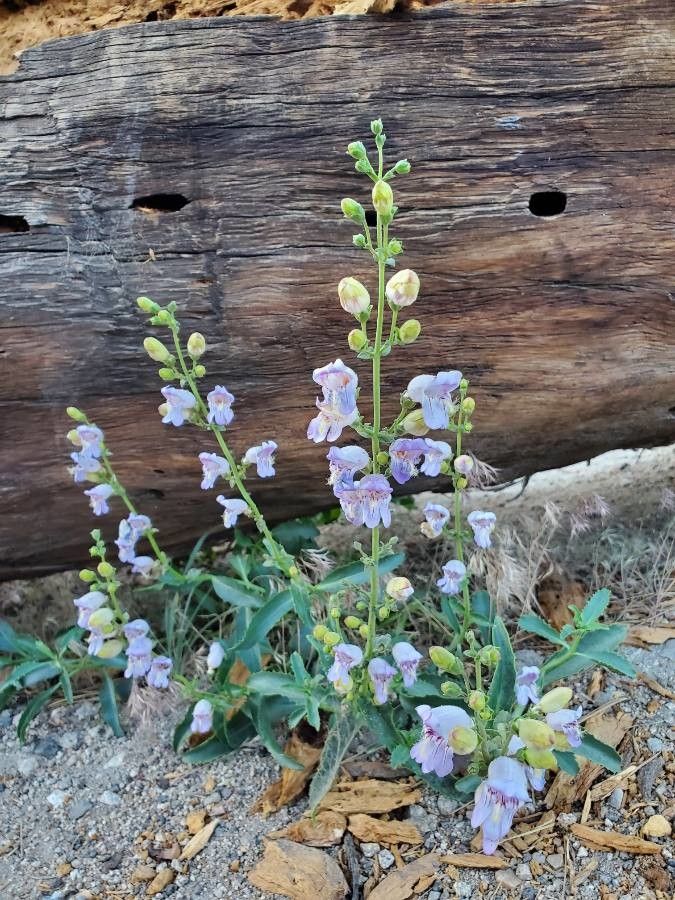
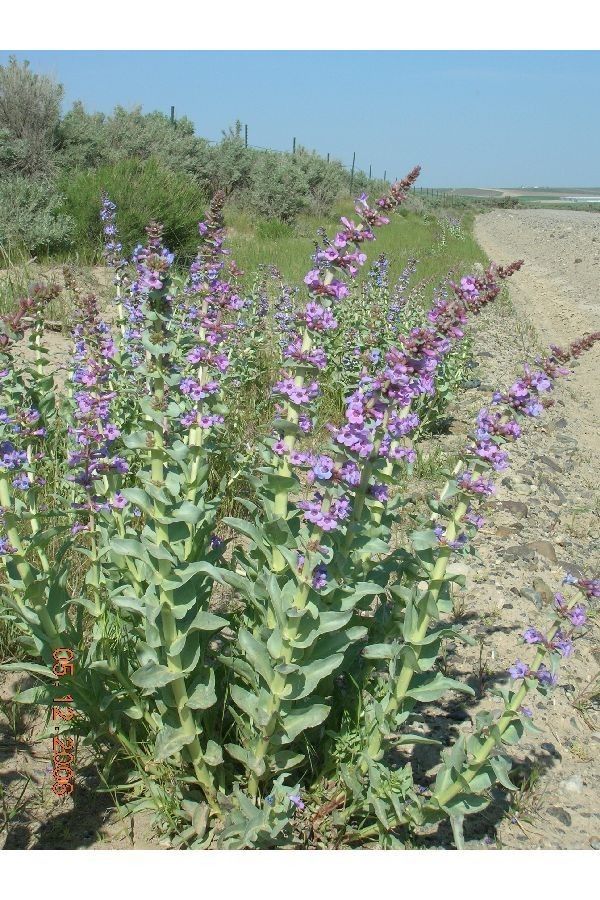
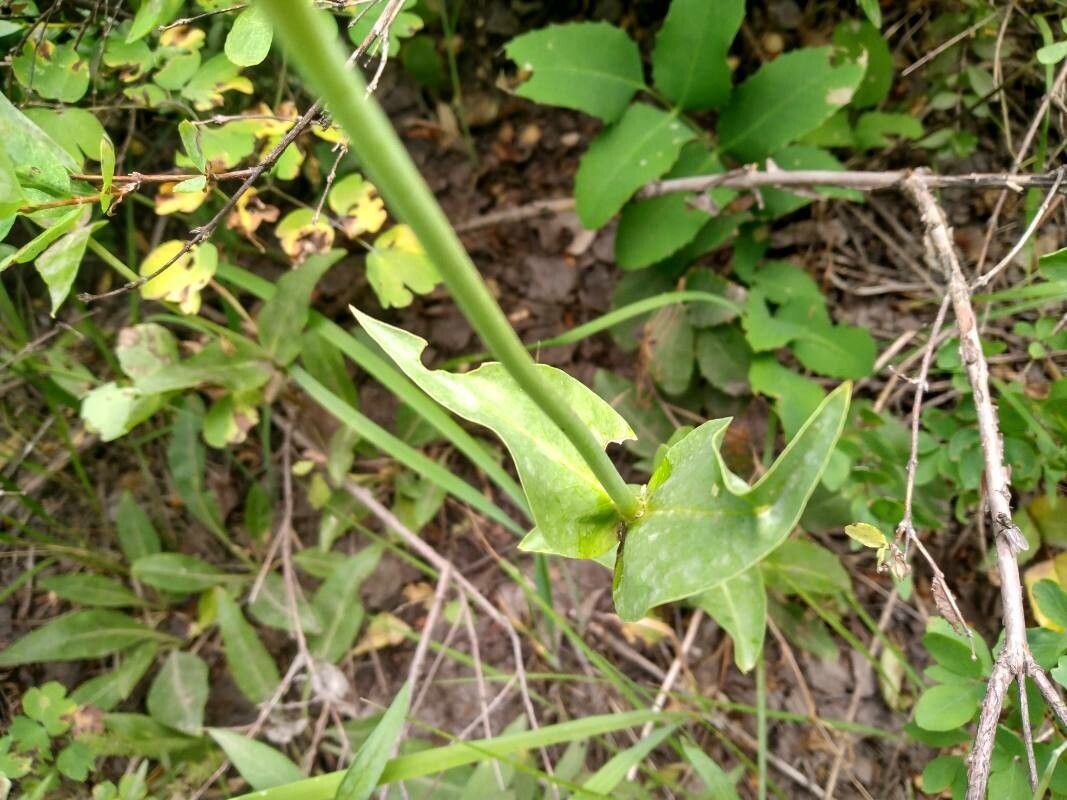
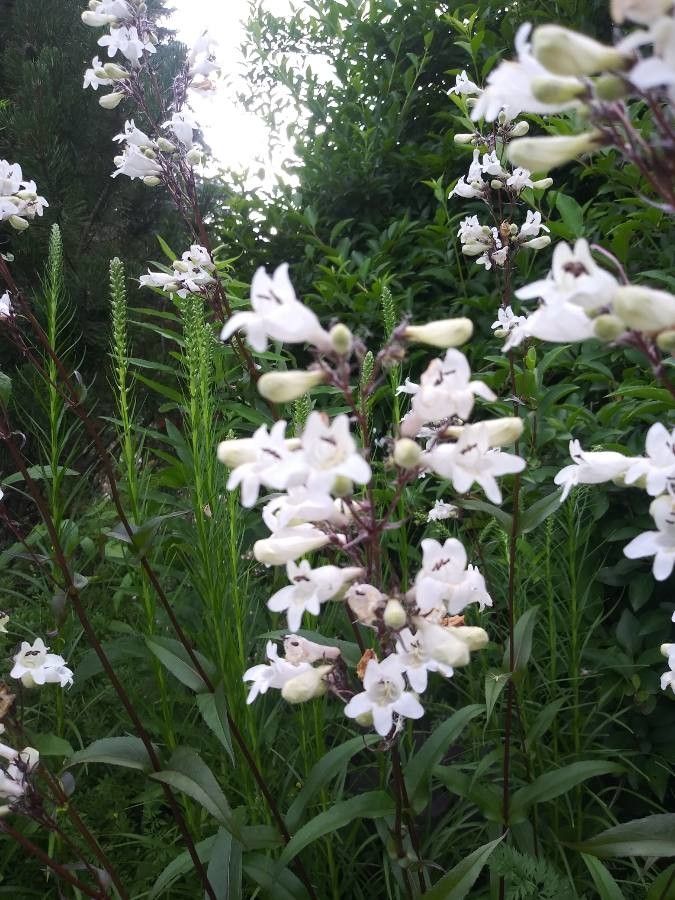
Penstemon grinnellii, commonly known as Grinnell's beardtongue, is a perennial herbaceous plant in the family Plantaginaceae. Native to the western United States, particularly California and Nevada, this plant typically reaches a height of 1 to 2 feet and features narrow, lance-shaped green leaves.
The tubular flowers of Penstemon grinnellii are bright pink or purple and bloom from late spring through early summer. These nectar-rich blooms attract a variety of pollinators, including bees and butterflies.
Thriving in well-drained soils, Penstemon grinnellii can grow in conditions of full sun or partial shade. It is easily propagated through seeds or cuttings, making it a convenient and attractive addition to any garden.
Historically, Native American tribes have used this plant for its anti-inflammatory properties. Additionally, it serves as a crucial food source for wildlife such as hummingbirds and bees.
In summary, Penstemon grinnellii is a stunning flowering perennial that not only enhances the visual appeal of gardens but also provides significant ecological benefits by supporting local wildlife populations.
Grinnell's beardtongue is fairly resistant to disease and generally not prone to illness. However, it can be affected by pests and diseases present in its environment. These problems are usually not serious. In terms of care, this plant needs moderate maintenance. It should be pruned regularly to keep a neat appearance and promote healthy growth. Fertilizing can also help encourage flowering. Grinnell's beardtongue is suitable for anyone with outdoor space, such as a garden or patio, and does not require extensive experience in plant care. It may need more attention when grown indoors.
How to keep Penstemon Grinnellii.
Fertilizer
A single fertilizer application in spring is typically enough for Grinnell's beardtongue, although multiple feedings can maximize growth. Feed every month to six weeks. Fertilization improves leaf appearance and function, helping maintain consistent color and a healthy texture. It also stimulates root growth and nutrient uptake, supporting the plant's long-term health.
Pruning
To promote healthy growth and blooming, prune Grinnell's beardtongue in early spring. Trim back any overgrown branches, but be careful not to remove more than one-third of the plant to avoid stressing it. Regular pruning not only enhances the plant's appearance but also helps maintain its health, prevents disease, and improves air circulation.
Pot & Repot
Grinnell's beardtongue needs excellent drainage in pots to thrive, as this helps ensure optimal moisture levels and prevents root rot. Choosing the right pot and soil composition is essential for maintaining healthy growth.
Botanical profile.
- Plant Type
- Herb
- Life Cycle
- Perennial
- Genus
- Penstemon
- Family
- Plantaginaceae
- Hardiness Zone
- 4-9
Other names.
Reader questions.
What are the sunlight requirements for Grinnell's beardtongue?
Grinnell's beardtongue, botanically named Penstemon grinnellii, thrives in various sunlight conditions. It requires 'full sun' which means it needs more than 6 hours of sunlight daily to flourish. For those areas of your garden that receive less intense sunlight, it can also tolerate 'partial sun', needing about 3-6 hours of sunlight. It's essential to observe the movement of sunlight through your garden carefully. Choosing the right spots that provide a perfect balance of light and shade is crucial for the happiness and health of your Grinnell's beardtongue plants.
What is Grinnell's beardtongue?
Grinnell's beardtongue is known scientifically as Penstemon grinnellii. It lacks further details in essentials, symptoms, and additional information in the provided data.
What is the warning about sunlight for planting Grinnell's beardtongue?
The key to ensuring the happiness and proper growth of Grinnell's beardtongue (Penstemon grinnellii) is to closely observe how sunlight moves through your garden. You should aim to choose locations that offer the ideal balance of light and shade. This careful selection helps in leveraging the varying degrees of sunlight throughout the day, ensuring that the plants get the optimal conditions they need for thriving.