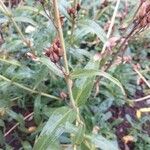
Penstemon hartwegii
Hartweg's beardtongue · Hartweg's Penstemon
Description
Source: leafsnapPenstemon hartwegii, commonly known as Hartweg's beardtongue, is a herbaceous perennial plant in the Plantaginaceae family. Native to North America, it can be found in the western United States and Mexico. The plant typically grows to a height of 2-3 feet and features lance-shaped green leaves. Its tubular flowers, which bloom from late spring through summer, come in colors ranging from pink, purple, and blue to white, often with darker markings on their throats. These vibrant flowers attract bees and hummingbirds. Hartweg's beardtongue prefers well-drained soil and full sun exposure but can also tolerate partial shade. While drought-tolerant once established, it requires regular watering during its initial growth period. This species of Penstemon is widely cultivated for its attractive flowers, making it an excellent choice for garden borders or rock gardens where it adds a splash of color during the summer months. Overall, Penstemon hartwegii is an easy-to-grow perennial that provides beautiful blooms throughout the growing season, requiring minimal maintenance. It is an excellent addition to any garden landscape design!
Care Guide
💧 Water Every 7 days
Hartweg's beardtongue, a plant native to mountainous regions, thrives in moderate moisture conditions. It does best with weekly watering to remain healthy, although it can withstand brief periods of dryness. To promote optimal growth, provide well-drained soil that retains sufficient moisture, similar to the plant's natural habitat in temperate gardens.
☀️ Light Full sun
Hartweg's beardtongue is a perennial herbaceous plant that favors sunny, open habitats and is frequently found in meadows and grasslands. It prefers full sun but will also tolerate partial sun.
🌡️ Temperature 15–35°C
Hartweg's beardtongue can tolerate a broad spectrum of temperatures, though its range may still be restricted by specific combinations of moisture and heat. It performs best in warm summer conditions with sufficient rainfall or watering. Extended stretches of cloudy, rainy weather, as well as prolonged high temperatures, raise the likelihood of Hartweg's beardtongue dying. In winter, protecting the plant from cold can increase its chances of survival.
💨 Humidity
🪴 Soil 6-8
🌱 Fertilizer
The best time to fertilize a Hartweg's beardtongue is in early spring, as it comes out of dormancy and begins active growth. Fertilizer supplies essential nutrients needed for healthy development. Although Hartweg's beardtongue has relatively low fertilizer requirements, an annual application can improve its survival and encourage better, longer-lasting flowers.
🪴 Pot & Repot
For optimal growth, Hartweg's beardtongue needs well-drained pots to prevent water accumulation, which can harm the roots.
✂️ Pruning
Hartweg's beardtongue showcases tall spikes of tubular flowers. It thrives when pruned from early to late spring. Removing dead flowers and damaged stems promotes healthier, more vibrant blooms. To minimize the risk of disease and encourage growth, always use clean, sharp tools for precise cuts.
🌿 Propagating
🐛 Diseases & pets
☠️ Toxicity
Characteristics
- Plant Type
- Herb
- Life Cycle
- Perennial
- Genus
- Penstemon
- Family
- Plantaginaceae
- Hardiness Zone
- 7-10
- Mature Height
- 76 cm
- Mature Spread
- 49 cm
- Leaf Color
- Green
- Leaf Type
- Deciduous
- Flower Color
- Red, Pink, Purple
- Flower Size
- 2.03 cm to 3.05 cm
- Bloom Time
- Late spring, Summer, Early fall, Mid fall
- Planting Time
- Spring, Summer, Autumn
- Harvest Time
- Late summer, Fall
- Native Area
- Mexico