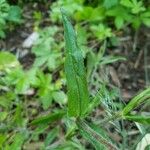
Penstemon hirsutus
Northeastern beardtongue · Hairy beardtongue · Penstemon
Description
Source: leafsnapPenstemon hirsutus, commonly known as the hairy beardtongue, is a herbaceous perennial plant belonging to the family Plantaginaceae. Native to North America, it thrives in a variety of habitats, including prairies, meadows, and open woods. This plant typically grows up to 2 feet tall and features hairy stems with lance-shaped leaves arranged in opposite pairs. The tubular flowers of Penstemon hirsutus, which have five lobes, range in color from pink to purple. They bloom from late spring through early summer, attracting pollinators such as bees and butterflies. The plant prefers well-drained soil and full sun exposure but can also tolerate partial shade. Historically, Native Americans have used Penstemon hirsutus for medicinal purposes, treating ailments such as coughs, sore throats, and fevers. It is also popular as an ornamental plant due to its vibrant flowers, which add a splash of color to gardens and landscapes. Overall, Penstemon hirsutus is a hardy perennial that offers both aesthetic appeal and medicinal benefits, making it an excellent addition to any garden or natural setting.
Care Guide
💧 Water Every 7 days
Hairy Beardtongue thrives in well-drained soils and prefers consistent moisture, although it can tolerate occasional dry spells. It's important to water it weekly to maintain the right balance, particularly during the growing season. This herbaceous perennial flourishes in temperate climates when grown outdoors, as it benefits from fluctuations in moisture for optimal flowering.
How should I water my Hairy Beardtongue plant?
To properly water the Hairy Beardtongue, it is recommended to use filtered water at room temperature. Tap water may contain harmful particles, so using filtered water is preferable. Since the Hairy Beardtongue is used to warm environments, it is best to avoid cold water, as it can be a shock to the plant. It is also important to avoid watering the plant from above to prevent issues with the foliage. Instead, carefully apply filtered room temperature water directly to the soil until it is fully saturated. This helps to moisturize the plant's roots, allowing them to spread and absorb necessary nutrients from the soil.
What should I do if I give my Hairy Beardtongue plant too much or too little water?
Overwatering is a common issue for the health of your Hairy Beardtongue. It can cause wilting, yellowing of stems and leaves, and diseases like root rot, mold, and mildew that can kill your plant. Underwatering is less common, but can make the leaves brittle and brown. It's important to notice signs of overwatering early. Reduce watering and improve soil drainage if necessary. If the plant shows signs of underwatering, simply water more regularly until the signs improve.
How often do I need to water my Hairy Beardtongue?
If your Hairy Beardtongue plant is in a pot, the most precise way to determine if it needs water is to check the soil moisture. Stick your finger into the soil and if the top two to three inches are dry, then it's time to water it. For those who have their Hairy Beardtongue planted outdoors in the ground, you can use a similar method to test the soil moisture. Once you find that the top few inches of soil have dried out, it's time to give it some water. Usually, during spring and early fall, watering once a week is sufficient. However, in extremely hot weather, you may need to increase the frequency to twice or even more per week. Nevertheless, it's important to note that mature and well-established Hairy Beardtongue plants have an impressive ability to withstand drought.
How much water does my Hairy Beardtongue plant require?
To properly water your Hairy Beardtongue, don't be afraid to give it a generous amount of water. Make sure the top few inches of soil are dry before watering, then give it a good, deep watering until the soil is completely soaked. You should add enough water so that it drains out of the bottom of the pot. If you don't see any excess water draining, you may not have given enough water. However, be careful not to let water accumulate in the soil, as this can harm the plant. If there is no drainage, it could be a sign of poorly draining soil, which is not good for the plant's health. When watering outside, one inch of rain per week is enough.
How do I water my Hairy Beardtongue at different stages of growth?
The water needs of the Hairy Beardtongue can vary depending on its growth stages. When the plant is young or has just been transplanted, it will require more water than usual. This is because during these stages, the plant focuses its energy on developing new roots, which need more moisture to support future growth. As the plant matures, it will require less water. Another stage that may require more water is during blooming, as the flower development requires a significant amount of moisture. Therefore, it is important to give your Hairy Beardtongue more water during these specific growth periods.
☀️ Light Full sun
Hairy Beardtongue prefers abundant sunlight, which improves its vigor and growth. While it can live in low light, it performs best with plenty of sun. Too much shade can hinder growth, and too much exposure can scorch the leaves. This reflects its native habitat, which receives a lot of light.
What are the sunlight requirements for Hairy Beardtongue?
Hairy Beardtongue thrives with considerable exposure to sunlight, preferring full sun conditions with more than 6 hours of sunlight daily to enhance its vitality and growth. However, it can also tolerate partial sun, which means about 3-6 hours of sunlight. It's essential to watch how sunlight moves through your garden to find spots that offer the right balance of light and shade, ensuring your plant's wellbeing. Remember, too much shade can stunt the plant's growth, while too much direct sunlight might cause leaf burn.
How do artificial lights assist in the growth of Hairy Beardtongue indoors?
Indoor Hairy Beardtongue plants require adequate lighting for optimal growth, especially when natural sunlight is insufficient, such as in winter or less sunny spaces. Artificial lights, particularly LED lights, provide a significant solution. They can be customized to offer specific light wavelengths needed by the plant, mimicking natural sunlight. For full sun plants, 30-50W/sq ft of artificial light is needed, while partial sun plants require 20-30W/sq ft, and full shade plants need 10-20W/sq ft. The light source should be placed 12-36 inches above the plant, simulating natural sunlight as closely as possible. Most plants will need 8-12 hours of light per day.
What are some common symptoms of insufficient light in Hairy Beardtongue?
Inadequate lighting can lead to several issues for Hairy Beardtongue, including smaller new leaves, leggy or sparse growth, faster leaf drop, slower or no new growth, and lighter-colored new leaves. These symptoms indicate the plant's struggle with insufficient light. Additionally, too much direct sunlight can cause chlorosis (leaves turning yellow), sunscald, leaf curling, wilting, and even leaf scorching. Managing the amount and intensity of light is crucial for the health of your Hairy Beardtongue.
What solutions can help Hairy Beardtongue with light issues?
To address light issues for Hairy Beardtongue, indoor plants can be gradually moved to sunnier spots until they receive at least 6 hours of direct sunlight daily, utilizing south-facing windows and keeping curtains open during the day. For plants that are large or not easily movable, consider using artificial light, keeping a desk or ceiling lamp on for at least 8 hours daily, or invest in professional plant grow lights. Outdoors, gradually move plants to better sunlight spots, avoiding sudden changes to prevent sunburn. Minimize obstructions by pruning or moving to sunnier locations, and for smaller plants, consider transplanting during the dormant period to a location with better sunlight and drainage.
🌡️ Temperature 0–35°C
Hairy Beardtongue is indigenous to areas where the average temperature falls between 32 and 95 °F (0 to 35 ℃). It favors moderate temperatures and may need adjustments to its surroundings during extreme seasons.
What is the native temperature range for Hairy Beardtongue, and how does it fare in extreme temperatures?
Hairy Beardtongue, or Penstemon hirsutus, is native to regions with average temperatures ranging from 32 to 95 °F (0 to 35 °C). It thrives best in moderate temperatures and might need environmental adjustments during extreme seasons. It possesses strong cold resistance, generally not requiring special frost protection measures. If winter temperatures are expected to fall below -35°C, however, it is crucial to provide cold protection, using methods like covering the plant with soil or straw. Before the onset of the first freeze in autumn, watering the plant thoroughly to keep the soil moist is recommended, which helps prevent drought and water scarcity during winter and early spring.
How does Hairy Beardtongue react to low temperatures, and what are the solutions if any issues arise?
Hairy Beardtongue is notably cold-tolerant, thriving best when temperatures remain above 0°C. It should, however, be kept above -30°C during winter. When temperatures dip below -35°C, the plant may not show immediate adverse effects, but there could be a decrease in sprouting or no sprouting at all come spring. The solution for any non-sprouting parts in the spring is their removal, allowing the healthier parts of the plant to flourish.
What are the effects of high temperatures on Hairy Beardtongue, and how can they be mitigated?
Hairy Beardtongue should ideally be kept below 35°C during summer. Exposure to temperatures above 38°C can lead to symptoms such as lighter leaf color, leaf curling, susceptibility to sunburn, and in severe cases, wilting and drying of the entire plant. To mitigate these effects, it's advised to trim sunburned and dried-up parts and to relocate the plant to a shaded location or use a shade cloth for protection against midday and afternoon sun. Additionally, watering the plant in the morning and evening can help maintain soil moisture and protect the plant's health.
💨 Humidity
🪴 Soil 6-7
🌱 Fertilizer
The ideal time to fertilize a Hairy Beardtongue is early spring, when it is coming out of dormancy and beginning active growth. Fertilization supplies essential nutrients for healthy growth. Although Hairy Beardtongue has relatively low fertilizer needs, an annual application can improve its survival and encourage better, longer-lasting flowers.
Why should I put fertilizer on my Hairy Beardtongue plant?
Fertilization is important for the Hairy Beardtongue and other plants because it provides essential nutrients for both above and below-ground growth. While Hairy Beardtongues have relatively low fertilization needs and can survive without it, annual fertilization can greatly benefit the plant, promoting its survival and improving the longevity of its flowers. Therefore, those who want their Hairy Beardtongue to thrive should regularly fertilize it.
When should I fertilize my Hairy Beardtongue plant?
The best time to fertilize a Hairy Beardtongue is in late winter to early spring when it is transitioning from dormancy to active growth. Fertilizing at this time promotes healthy growth and sets the plant up for a great season. While fertilizing in early spring is generally preferred, it is also okay to fertilize in the fall. However, feeding the Hairy Beardtongue during summer and winter is not recommended.
When is it not a good idea to add fertilizer to my Hairy Beardtongue plant?
To properly care for your Hairy Beardtongue plant, it is important to understand when to fertilize it. It is recommended to only fertilize this plant during the late winter and early spring. The plant requires minimal fertilization and a single annual feeding is sufficient. Overfertilization can occur easily if you continue to fertilize throughout the spring, summer, and fall, leading to complications. However, there is an exception - if you skipped fertilizing in the spring, it is okay to feed the plant in the fall. Additionally, it is not necessary to fertilize the plant during the winter. The plant goes into a dormant growth phase during this time and does not produce new growth. As a result, it is not advisable to fertilize the plant for most of the winter.
What kind of fertilizer does my Hairy Beardtongue plant need?
To help your Hairy Beardtongue plant grow well, you can use any general-purpose fertilizer with a good balance of the main plant nutrients. However, some blends of nutrients can be even better. Many gardeners believe that higher amounts of phosphorus help create strong roots and beautiful flowers. Since Hairy Beardtongue is a flowering plant, using a fertilizer rich in phosphorus might be the best option. You can choose between granular or liquid fertilizer, as long as it contains enough nutrients. If you prefer more natural methods, you can also improve the soil for your Hairy Beardtongue by using compost, manure, and similar organic materials. These will help create a healthy environment for your plant to grow.
How can I help my Hairy Beardtongue grow stronger?
To fertilize a Hairy Beardtongue, the most common method is applying granular or pellet fertilizer to the soil around the plant. The ideal time to fertilize is when the plant is transitioning from winter dormancy to active growth in early spring. Wait until you see shoots emerging from the soil before applying the fertilizer. Alternatively, some people prefer to use liquid fertilizer, which should be diluted with water before applying. Regardless of the type of fertilizer used, it's important to moisten the soil before, during, and after applying the fertilizer.
🪴 Pot & Repot
To promote healthy growth and prevent root rot in hairy Beardtongue, ensure that the pots have excellent drainage. Proper drainage is crucial for maintaining the right moisture levels.
✂️ Pruning
Hairy Beardtongue features vibrant, tubular flowers along with hairy stems and leaves. To promote healthy blooms, prune in early spring or late winter to remove spent flower spikes and any damaged stems. Regular deadheading throughout the season encourages extended flowering and helps maintain the plant's shape. Make sure to use clean, angled cuts to prevent disease.
🌿 Propagating
🐛 Diseases & pets
☠️ Toxicity
Characteristics
- Plant Type
- Herb
- Life Cycle
- Perennial
- Genus
- Penstemon
- Family
- Plantaginaceae
- Hardiness Zone
- 3-9
- Mature Height
- 30 cm to 91 cm
- Mature Spread
- 30 cm
- Leaf Color
- Green
- Leaf Type
- Evergreen
- Flower Color
- Lavender
- Flower Size
- 2.54 cm
- Bloom Time
- Mid spring, Late spring, Early summer
- Planting Time
- Spring
- Harvest Time
- Mid summer, Late summer, Early fall