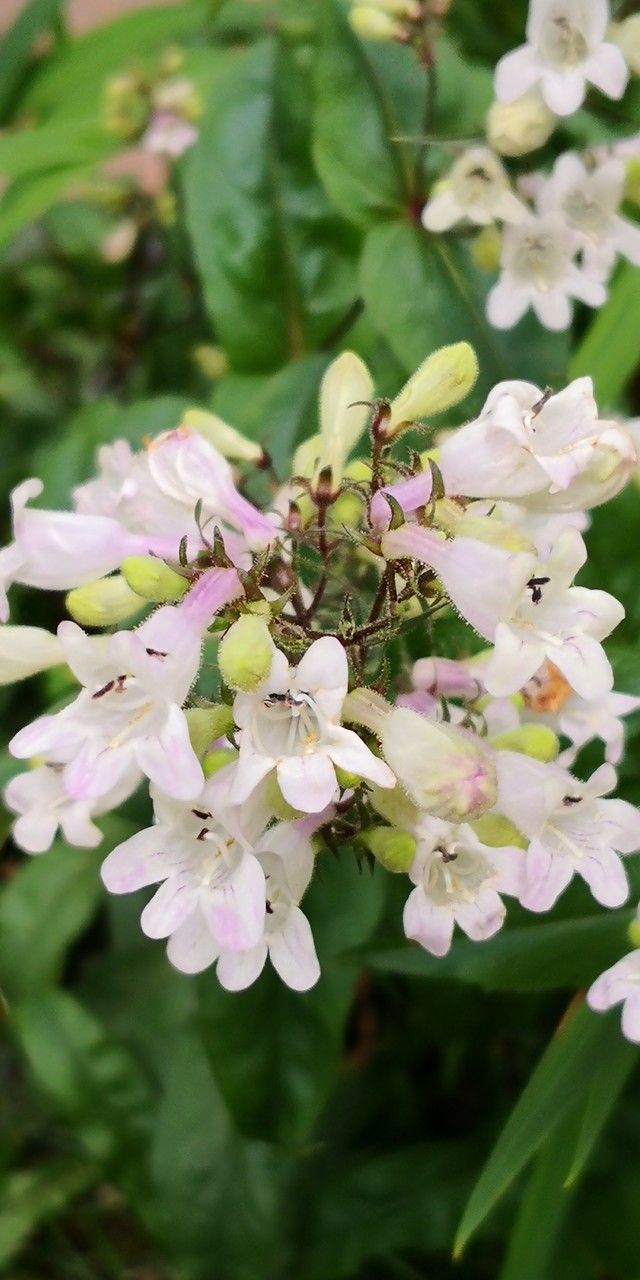
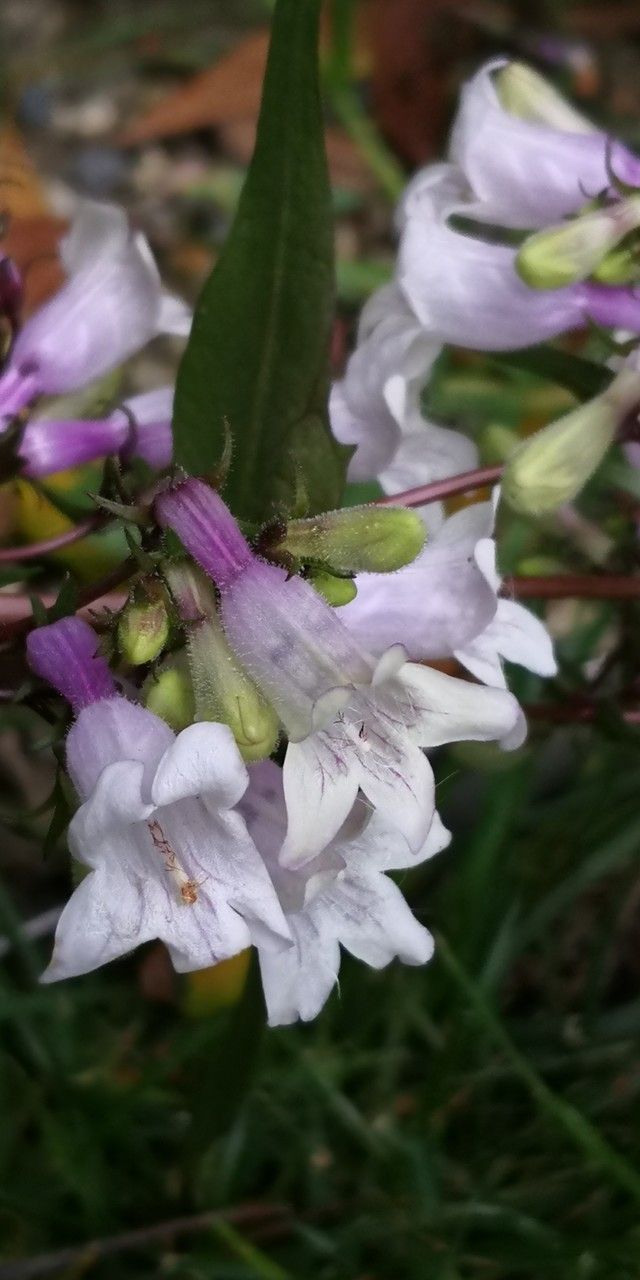
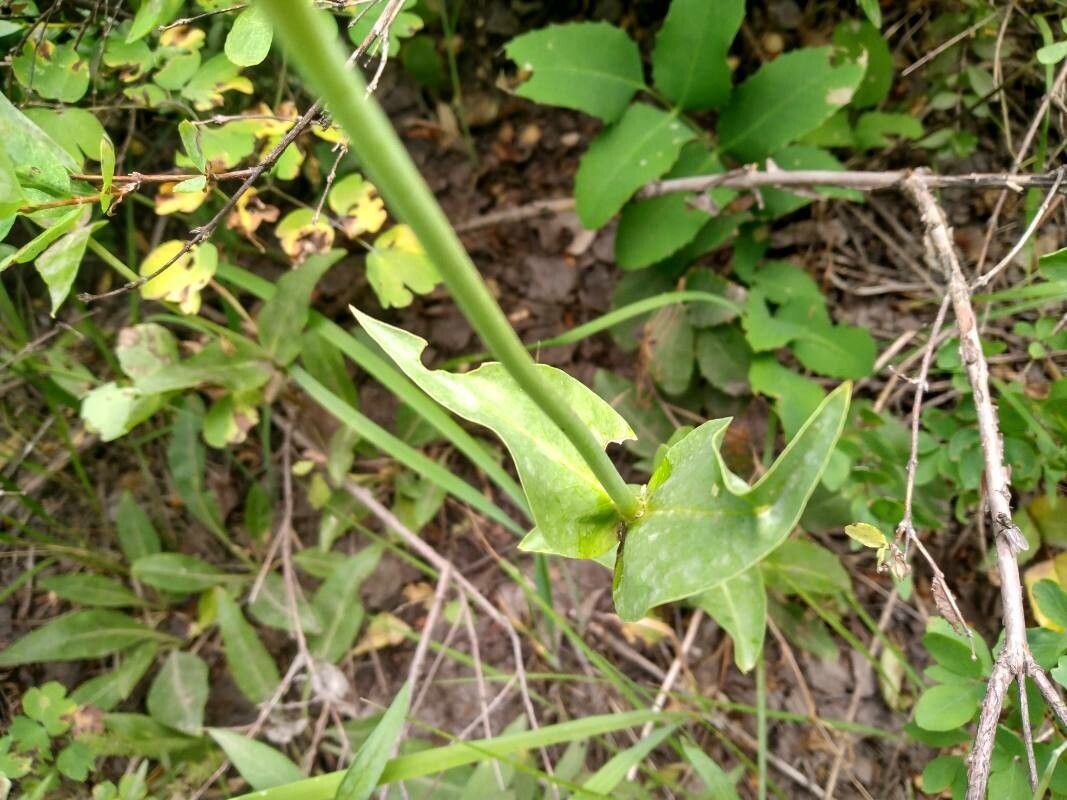
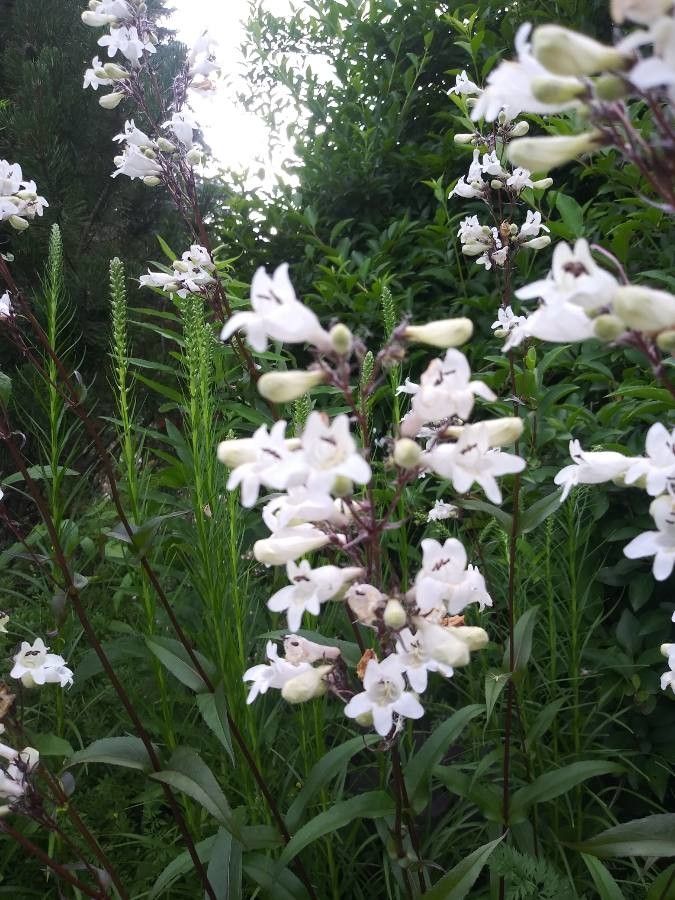
Penstemon laevigatus, the eastern smooth beardtongue, is a plant in the plantain family, Plantaginaceae. The flowers are borne in summer. Its native range includes much of the Eastern United States, from Maine to Michigan and Georgia to Mississippi. It can grow in either sunny or shady conditions.
Eastern smooth beardtongue is fairly resistant to disease and typically does not suffer from many illnesses. Still, it can be affected by pests and diseases present in its environment. Such infections are generally mild. Regarding care, this species needs a moderate amount of attention. Regular pruning is necessary to preserve its appearance and encourage healthy growth. Applying fertilizer can also aid in boosting bloom production. Eastern smooth beardtongue is appropriate for anyone with outdoor space like a garden or patio and does not demand extensive plant-care experience. It can, however, need more attentive care if cultivated indoors.
How to keep Penstemon Laevigatus.
Light
Eastern smooth beardtongue grows best when it receives a large amount of light for most of the day. It can tolerate a moderate amount of sun, so it can do reasonably well even without full-day sun exposure. However, either too little or too much sunlight can cause unhealthy plant growth.
Water
The Eastern smooth beardtongue does well in environments with moderate moisture and well-drained soils, similar to its natural habitats in meadows and woodlands. To support its growth and vitality, it's recommended to water it weekly, which helps simulate soil moisture conditions similar to seasonal rainfall patterns.
Temperature
Eastern smooth beardtongue requires a native growth environment with temperatures of 32 to 68 ℉ (0 to 20 ℃). For optimal growth it prefers temperatures from 32 to 95 ℉ (0 to 35 ℃). It is recommended to adjust temperatures seasonally to meet these preferences. In hot seasons, providing some shade helps prevent leaf wilting. In cooler seasons, it is important to protect the plant from frost damage.
Fertilizer
One fertilizer application in spring is generally enough for Eastern smooth beardtongue, although several feedings can increase its growth potential. Apply fertilizer roughly every month to six weeks. Fertilizing improves the leaves' appearance and performance, helping preserve even color and a healthy texture. It also encourages root development and nutrient uptake, supporting long-term plant health.
Pruning
Pruning eastern smooth beardtongue between early and late spring boosts flowering and improves the plant's overall health. To achieve this, key practices include removing spent blooms, shaping the stems, and trimming away any dead foliage. Pruning at this time promotes new growth, enhances air circulation, and reduces the risk of disease, helping the plant thrive throughout the growing season.
Pot & Repot
When repotting Eastern smooth beardtongue, select a container 1–2 inches (2.5–5.1 cm) larger with good drainage. Use a well-draining potting mix. Repot in spring or fall, making sure the root ball sits slightly below the rim of the flower pot. Water thoroughly after repotting and set it in a warm spot with indirect sunlight.
Botanical profile.
- Plant Type
- Herb
- Life Cycle
- Perennial
- Genus
- Penstemon
- Family
- Plantaginaceae
- Hardiness Zone
- 3-9
- Mature Height
- 30 cm to 61 cm
- Mature Spread
- 61 cm to 91 cm
- Leaf Color
- Green
- Leaf Type
- Semi-evergreen, Deciduous
- Flower Color
- White
- Flower Size
- 2.54 cm to 5.08 cm
- Bloom Time
- Late spring, Early summer, Mid summer
- Planting Time
- Spring
- Harvest Time
- Late summer, Early fall, Mid fall
Other names.
Reader questions.
What are the sunlight requirements for Eastern smooth beardtongue?
Eastern smooth beardtongue requires a significant amount of light for most of the day to thrive best, with optimal growth when it receives above 6 hours of sunlight, classified as full sun. However, it can also tolerate partial sun, defined as about 3-6 hours of sunlight. It's essential to monitor the movement of sunlight through your garden to ensure you select spots that offer a harmonious balance of light and shade, fostering the well-being of your plants.
What are the optimal growth temperatures for Eastern smooth beardtongue?
Eastern smooth beardtongue thrives best in temperatures ranging from 32 to 68°F (0 to 20°C), with its optimal growth temperatures between 32 to 95°F (0 to 35°C). To ensure the health of the plant throughout the year, adjusting temperatures to match its preferences during different seasons is crucial. Providing some shade during the hotter seasons can help prevent leaf wilting, and protecting the plant from frost damage in cooler seasons is important. Despite its strong cold resistance, protection measures should be considered if winter temperatures are expected to drop below -35°C, such as covering the plant with soil or straw and watering abundantly before the first freeze in autumn.
How can artificial lighting support the growth of Eastern smooth beardtongue indoors?
For indoor Eastern smooth beardtongue plants, artificial lighting can be crucial, especially when natural sunlight is insufficient, like in winter or less sunny locations. Using the right type of artificial light, such as LED lights, which can be tailored to provide specific wavelengths needed by plants, is beneficial. The ideal artificial light intensity varies depending on the plant's needs: full sun plants require 30-50W/sq ft, partial sun plants 20-30W/sq ft, and full shade plants 10-20W/sq ft. The light source should be placed 12-36 inches above the plant, simulating natural sunlight as closely as possible, and plants typically require 8-12 hours of light per day.
How can you protect Eastern smooth beardtongue from extreme low temperatures?
Eastern smooth beardtongue is quite cold-tolerant, preferring temperatures above 0°C and requiring protection for temperatures under -30°C. Extreme cold temperatures below -35°C may not show immediate damage during winter, but could result in decreased sprouting or a complete lack of sprouting in spring. In preparation for spring, it is advisable to remove any parts of the plant that have failed to sprout as a way to maintain its health and vitality.
What are the symptoms of inadequate lighting for Eastern smooth beardtongue?
Inadequate lighting can lead to several symptoms in Eastern smooth beardtongue, including smaller sized new leaves compared to mature ones, leggy or sparse growth due to elongated spaces between leaves or stems, early leaf drop to conserve resources, delayed growth or a total halt in new leaf production indicating a survival mode due to poor light conditions, and pale or irregularly colored new leaves suggesting a lack of chlorophyll and essential nutrients. Additionally, it might suffer from chlorosis (leaves turning yellow), sunscald (damage from intense sunlight exposure), leaf curling (to minimize water loss and damage), wilting (due to loss of turgor pressure and increased water loss), and leaf scorching (brown, dry edges on leaves caused by excessive sunlight).
What should be done if Eastern smooth beardtongue experiences high temperatures?
During summer, it is critical to ensure that Eastern smooth beardtongue remains below 35°C. Exceeding temperatures of 38°C can cause the plant's leaves to lighten in color, become prone to curling, and susceptible to sunburn. In severe cases, the plant may completely wilt and dry up. If any of these symptoms occur, trim away the sunburned and dried-up parts. Relocating the plant to a spot with partial shade or using a shade cloth can protect it from the intense midday and afternoon sun. Additionally, watering the plant in the morning and evening will help keep the soil moist and support the plant's needs during high temperatures.
How can you address lighting issues for Eastern smooth beardtongue?
To address lighting issues for Eastern smooth beardtongue, consider gradually moving plants to locations with at least 6 hours of direct sunlight daily. For indoor plants that are large or hard to move, using artificial light like desk or ceiling lamps for a minimum of 8 hours daily, or investing in professional plant grow lights, can provide adequate light. Outdoors, adapt plants to sunnier spots weekly to prevent sunburn. If sunlight is blocked, prune obstructing trees or transplant smaller plants during their dormant period to sunnier locations with good drainage. It's important to note that parts of the plant damaged by insufficient sunlight may not recover, but new growth should be healthy once light exposure is increased.